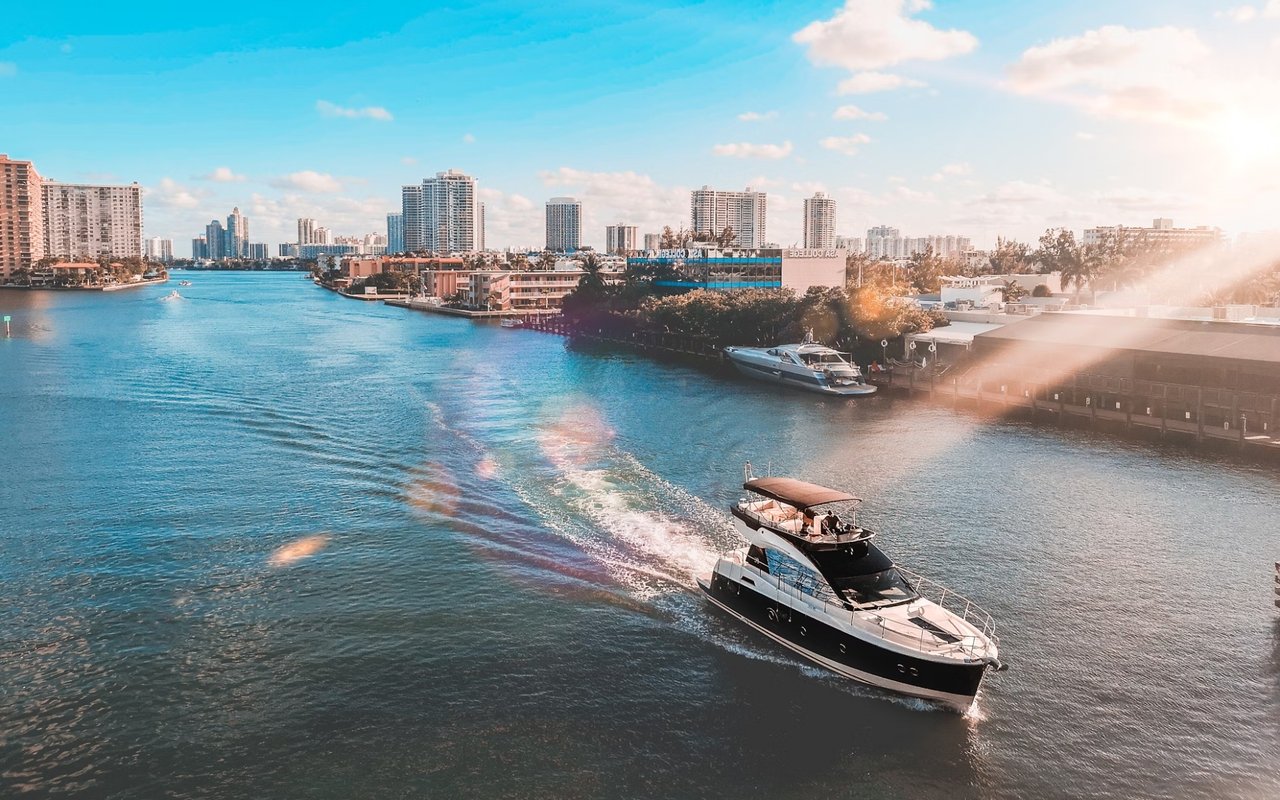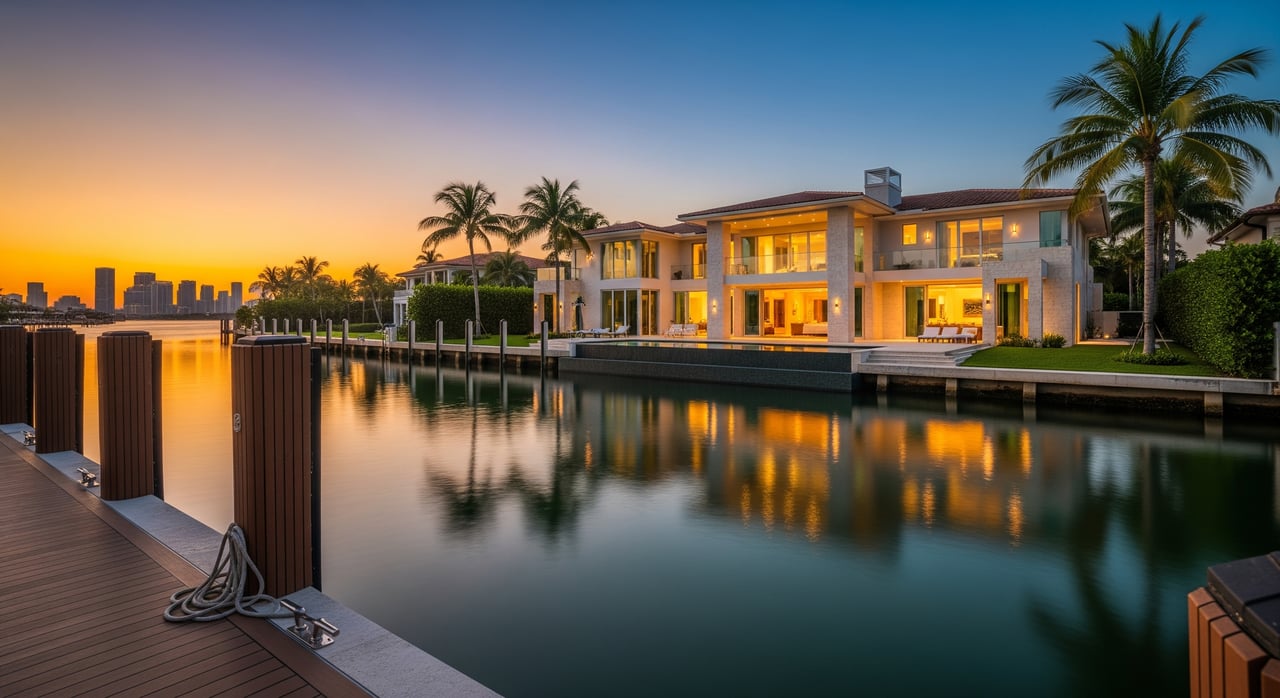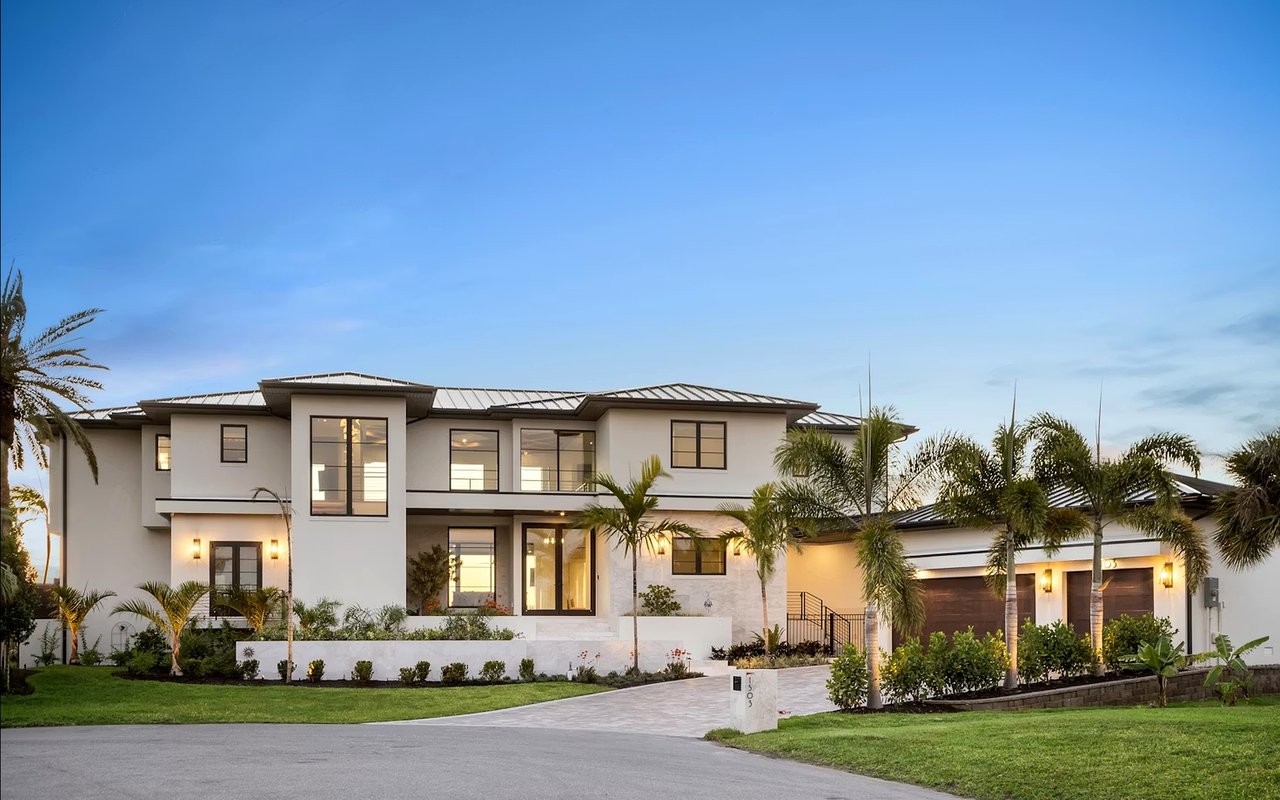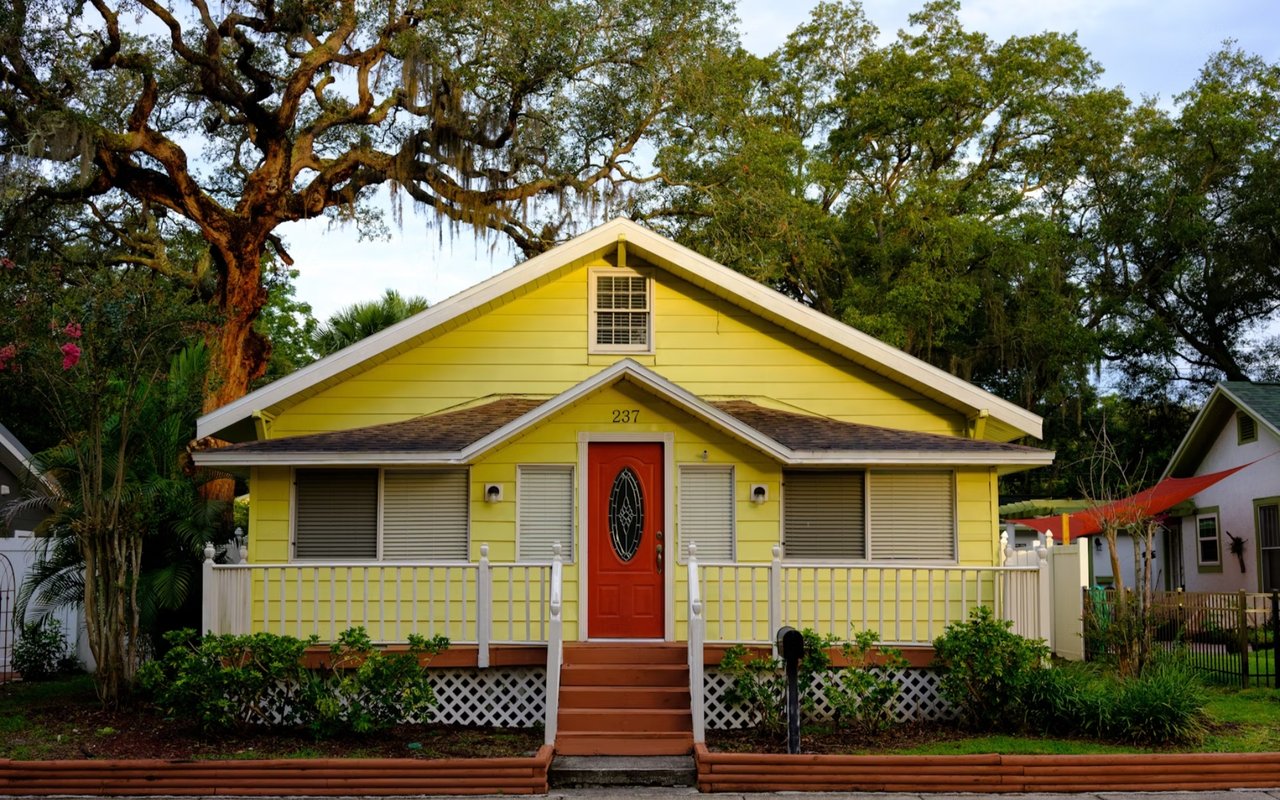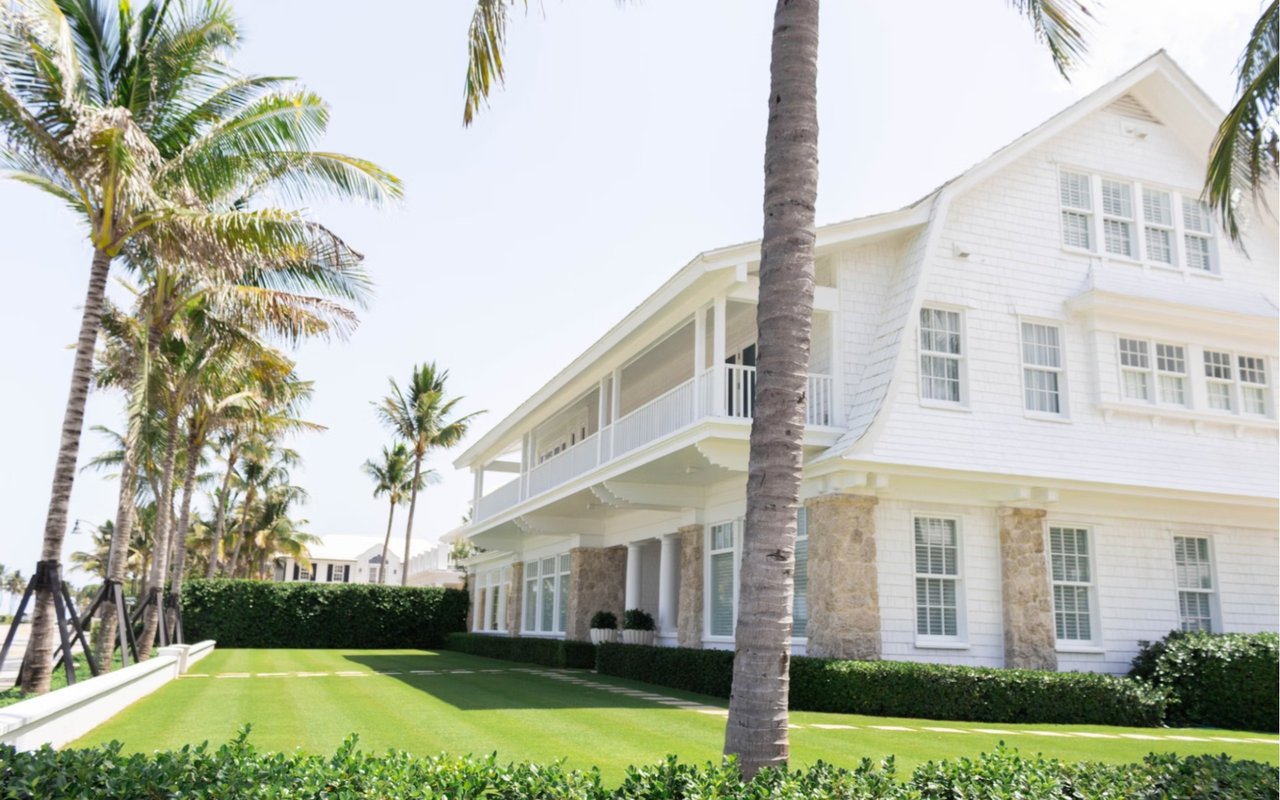
Drive the Venetian Causeway from the Miami side and you pass a single toll plaza on Biscayne Island before the road ever touches water twice more. Nothing marks the spot where you leave the City of Miami and enter the City of Miami Beach. There's no sign, no change in pavement, no shift in the palm trees lining the road. But by the time you reach Belle Isle at the eastern end, you have crossed a municipal boundary that determines who reviews your dock permit, who sets your millage rate, and which city council votes on the budget that funds your street lights.
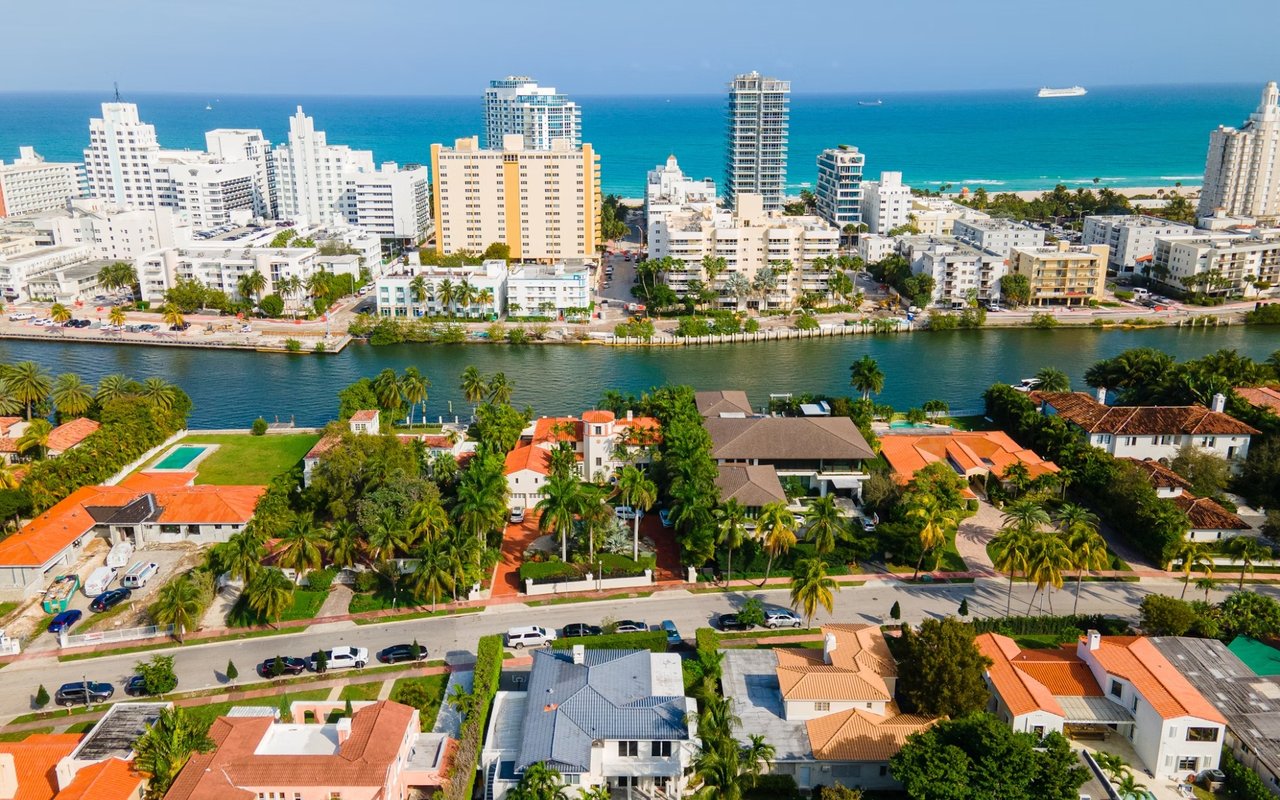
Real estate listings treat the Venetian Islands as one market. The Miami-Dade County Property Appraiser does not. Biscayne Island and San Marco Island sit inside the City of Miami. San Marino Island, Di Lido Island, Rivo Alto Island, and Belle Isle sit inside the City of Miami Beach. That line, not the water and not the causeway, is what actually explains why a house on one island can carry a different price tag, a different tax bill, and a different renovation timeline than a house two bridges away that looks nearly identical.
Six Islands, West to East, Two City Halls
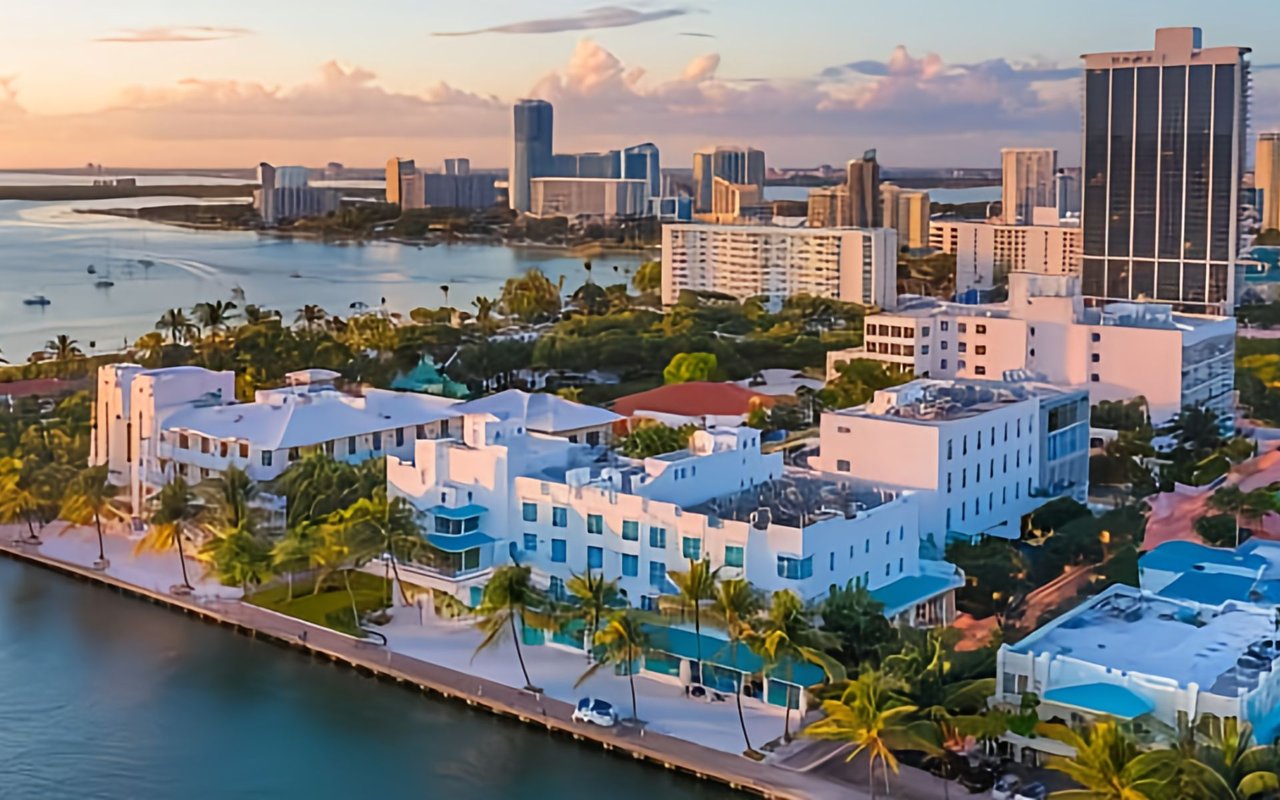
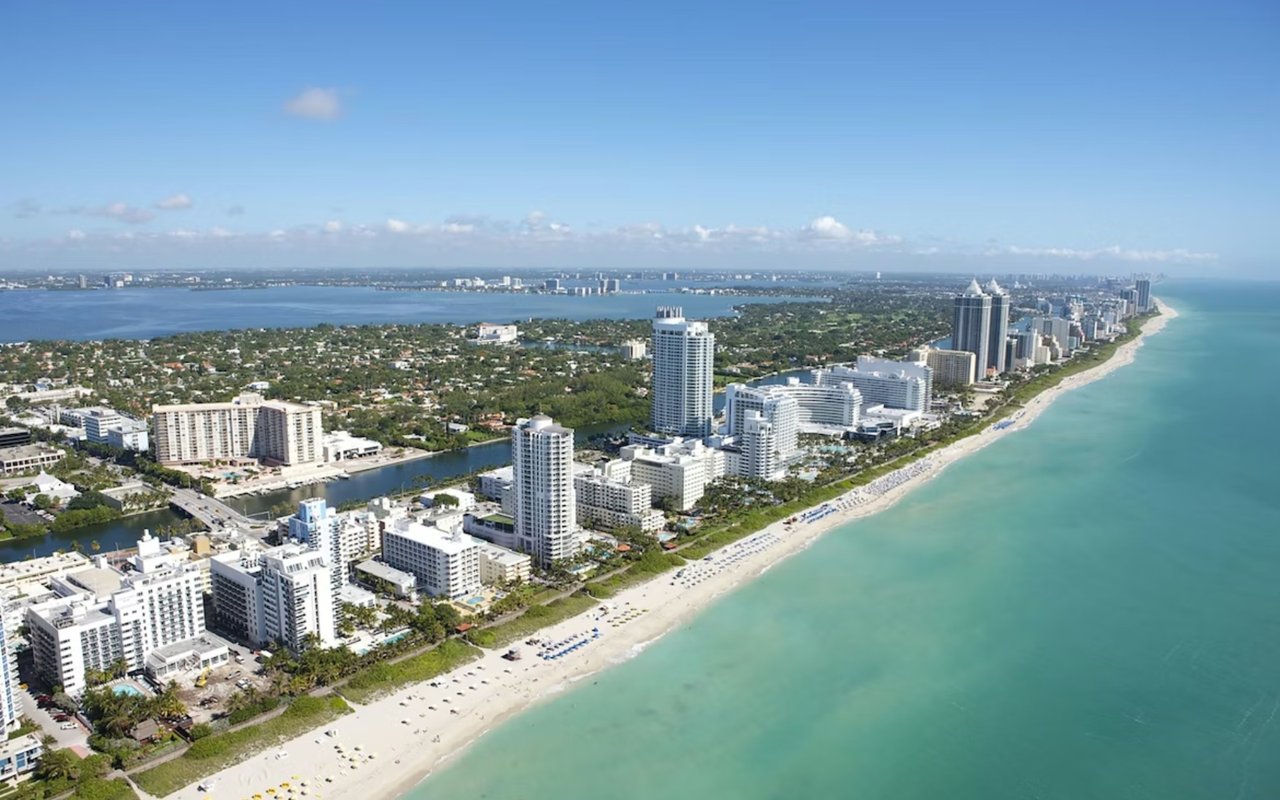
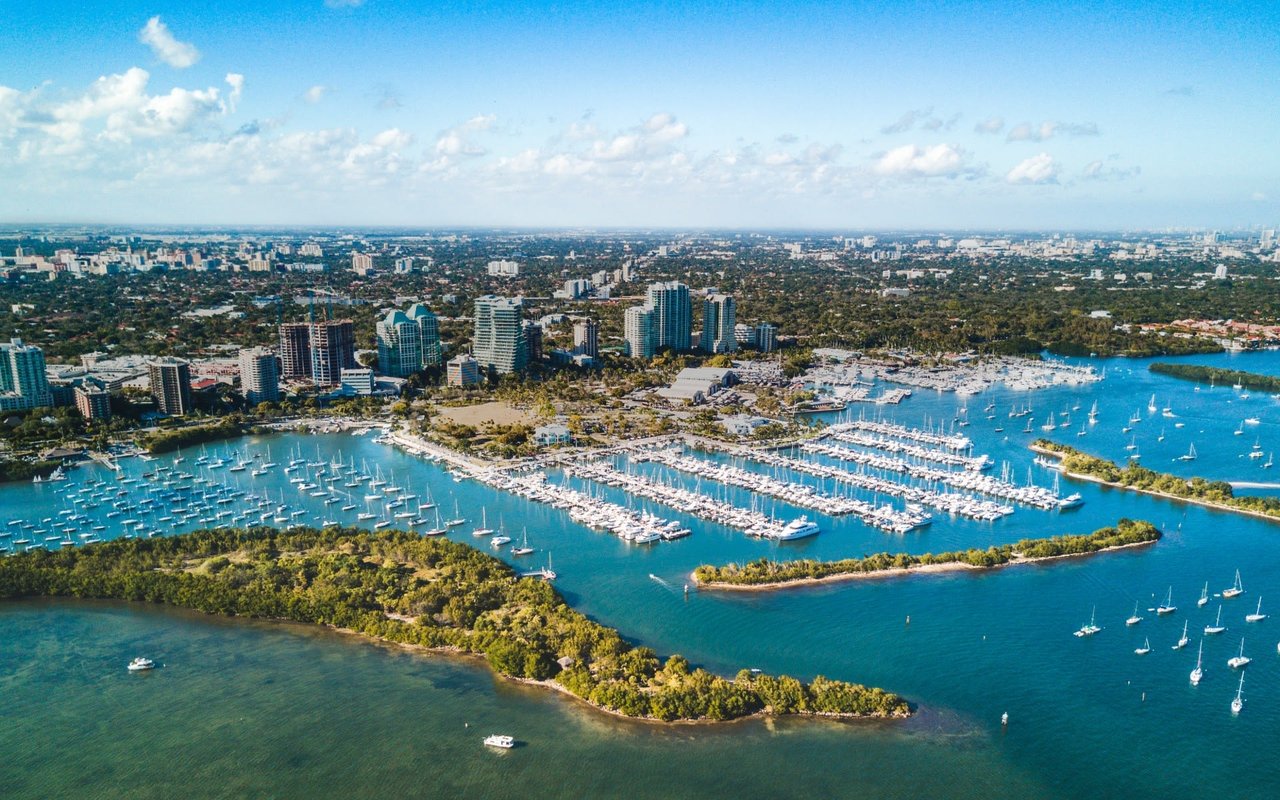
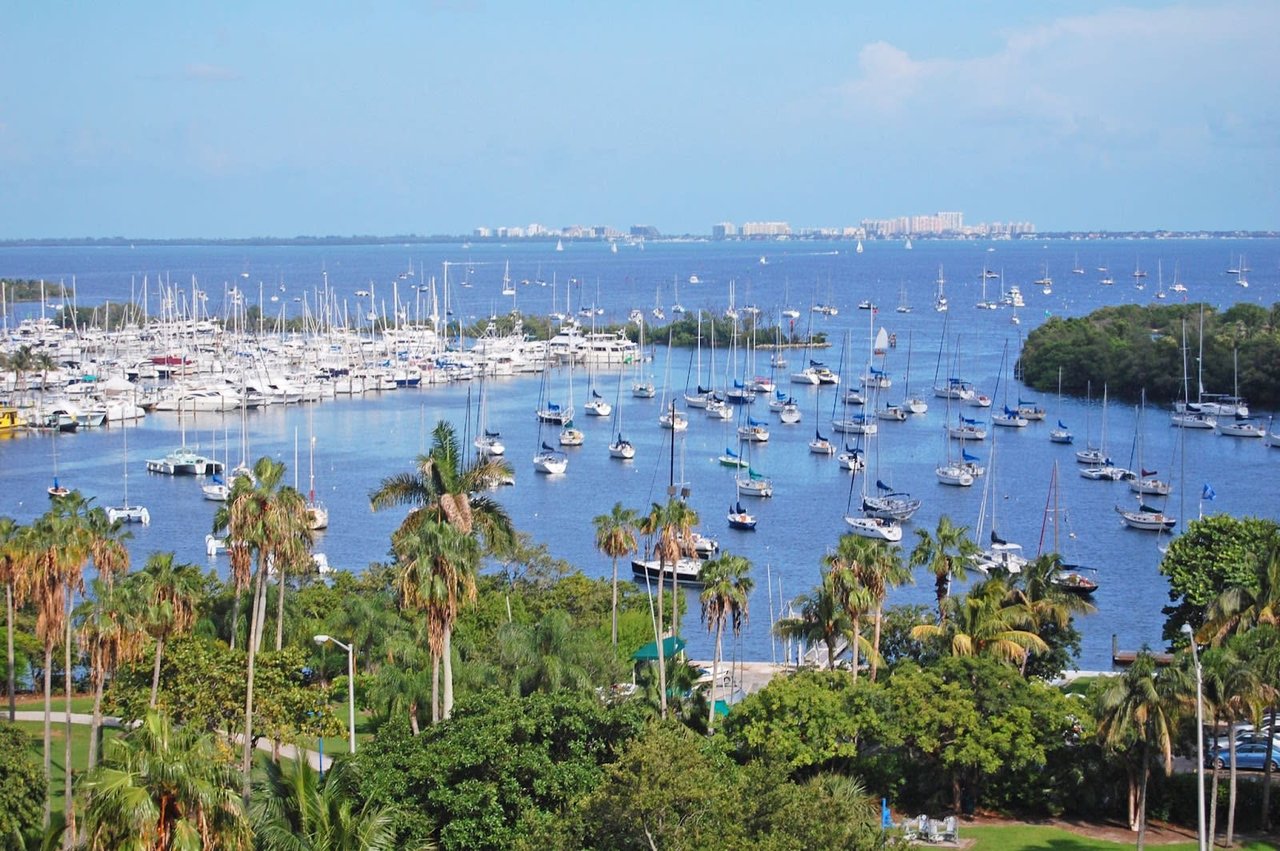
The chain reads as a single sentence on most listing sites: Biscayne Island, San Marco Island, San Marino Island, Di Lido Island, Rivo Alto Island, Belle Isle, connected by the Venetian Causeway between downtown Miami and South Beach. All five of the western and central islands were dredged out of Biscayne Bay during the Florida land boom of the early 1920s. Belle Isle is the exception. It existed already as Bull Island and was enlarged rather than created from scratch, which is part of why it ended up with a different kind of housing stock than the other five.
That housing stock difference tracks the city line almost exactly.
| Island | City | Typical Housing Stock | Where It Sits in the Range |
|---|---|---|---|
| Biscayne Island | Miami | Single-family homes and apartment buildings | Entry point closest to the mainland |
| San Marco Island | Miami | Single-family houses | Mainland side, priced below the Miami Beach islands |
| San Marino Island | Miami Beach | Single-family homes on wide lots | Widely regarded as the most prestigious of the six |
| Di Lido Island | Miami Beach | Single-family homes, significant recent redevelopment | Rising price points as older homes are replaced |
| Rivo Alto Island | Miami Beach | Single-family homes only | Lower entry point within the Miami Beach side |
| Belle Isle | Miami Beach | Condominiums, co-ops, and a handful of single-family homes on Farrey Lane | Widest range top to bottom |
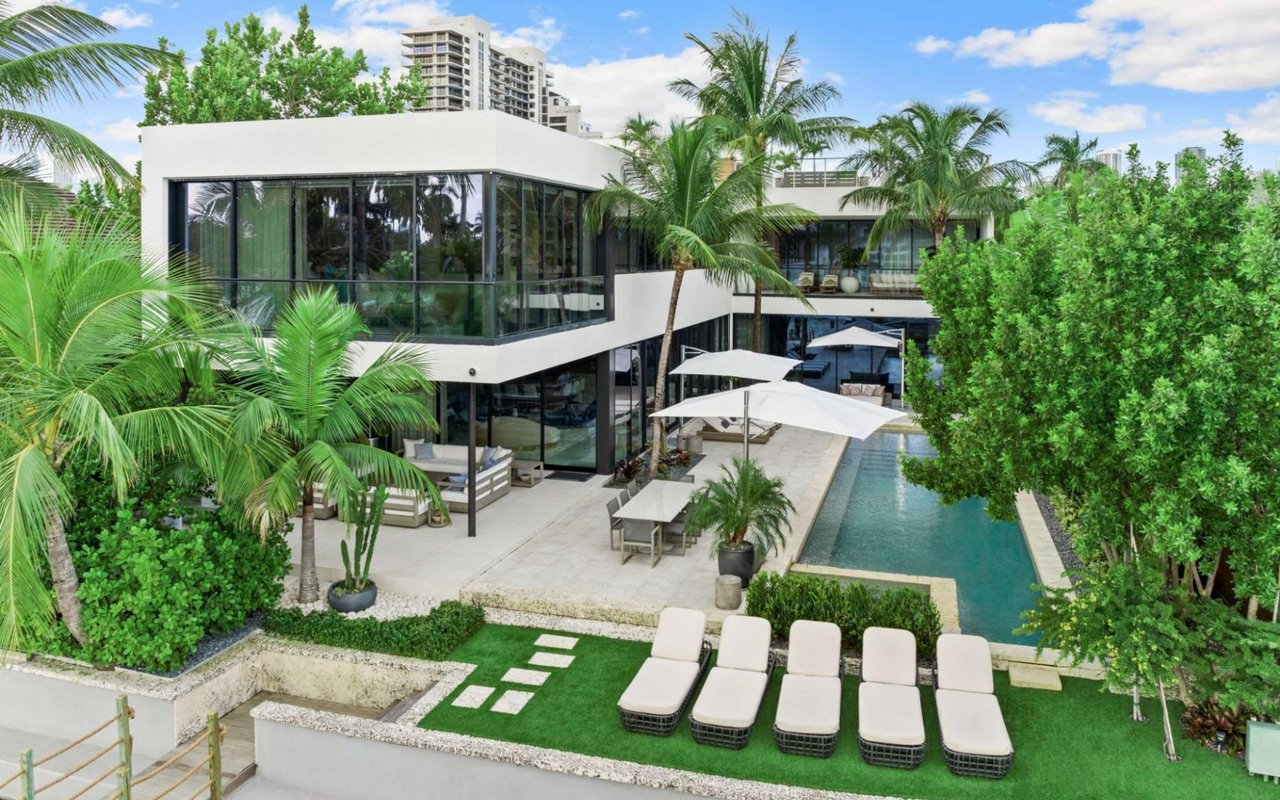
Five of the six islands are almost entirely single-family. Belle Isle is the only one with mid-rise and high-rise condominium buildings, arranged around a City of Miami Beach park. That single structural difference means Belle Isle carries the widest price spread of any island in the chain, from condo units at one end to waterfront houses at the other, while its single-family neighbors a few bridges away trade almost exclusively in one property type.
What Crossing the Line Actually Changes
The Miami-Dade County Property Appraiser's certified comparison of 2025 and proposed 2026 millage rates puts the City of Miami's general operating rate at 7.1080 mills for 2026, unchanged from 2025. The City of Miami Beach's proposed general rate for the same year is 5.8060 mills, down slightly from 5.8560 the year before. That gap, roughly 1.3 mills, works out to about $1,300 a year for every million dollars of taxable value, and that's before the county, school district, and any special assessment lines get added to either side of the bill.
That 1.3 mill spread is not a one-year fluctuation tied to a single budget cycle. Miami's general fund rate has held at 7.1080 across both the 2025 and proposed 2026 tax rolls, while Miami Beach's has moved in the opposite direction, trimmed slightly for 2026. A gap that holds steady on one side while narrowing or widening on the other, set independently by two separate commissions, is a structural feature of owning on one side of the causeway instead of the other, not a temporary condition tied to any single year's numbers.
A combined bill, once the county and school district portions are layered in, typically lands close to 2 percent of a property's taxable value in the City of Miami. That means a buyer comparing a house on San Marco Island against a house on San Marino Island isn't just comparing two addresses on the same chain. They're comparing two different tax jurisdictions that happen to be visible from each other across open water.
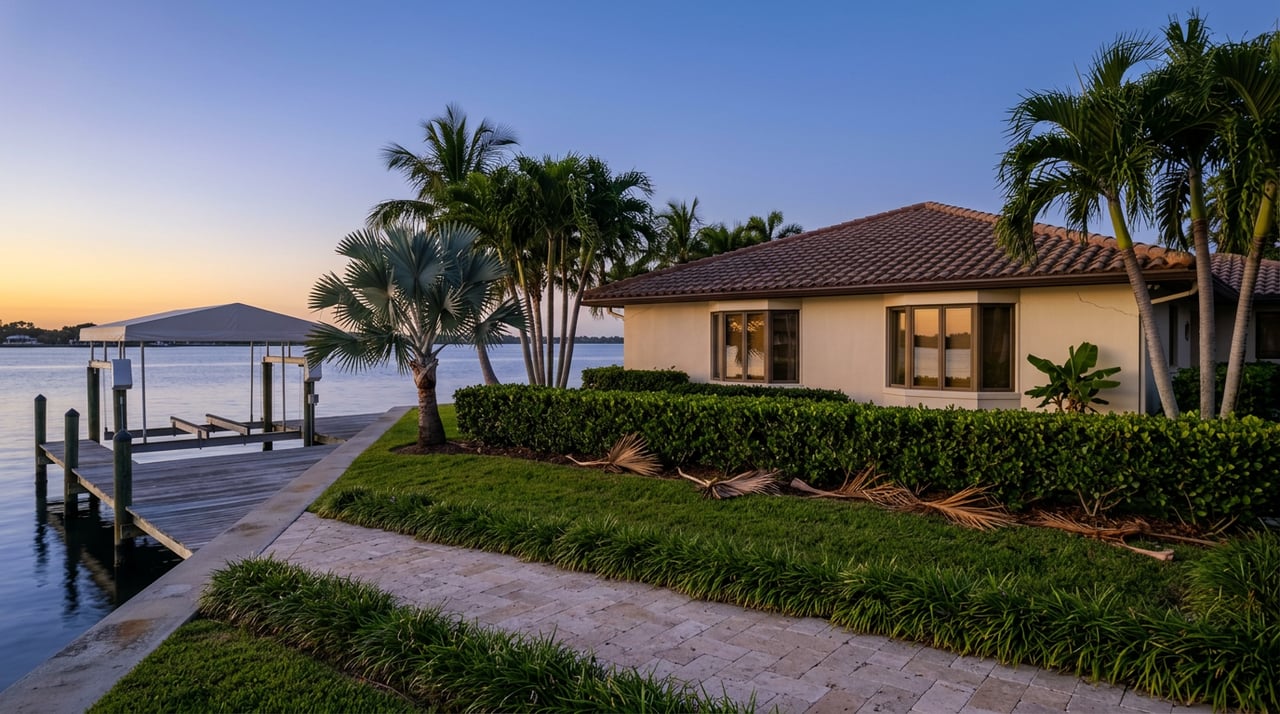
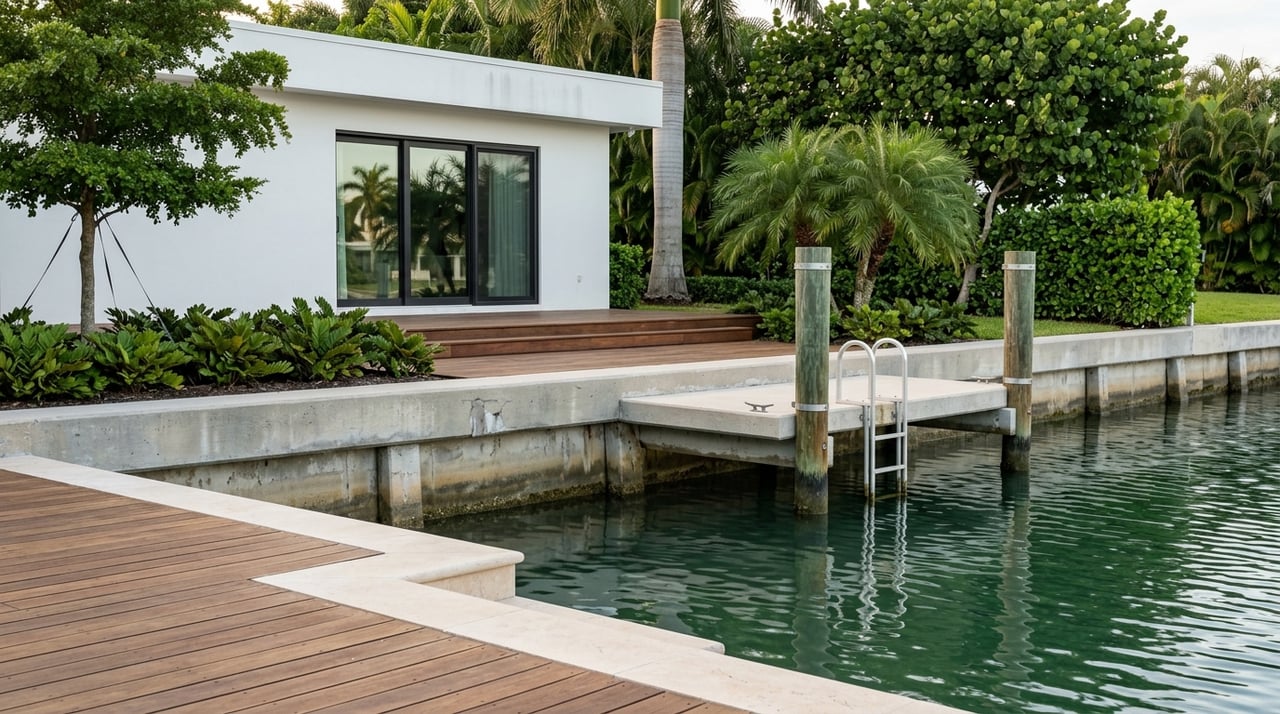
Permitting works the same way. A dock repair, a seawall project, or a home addition on Rivo Alto goes through Miami Beach's building department. The identical project on San Marco Island goes through Miami's. Timelines, inspection schedules, and review staff differ by city, which means the same renovation can move at a different pace depending on which side of the line the folio sits.
Belle Isle Breaks the Single-Family Pattern
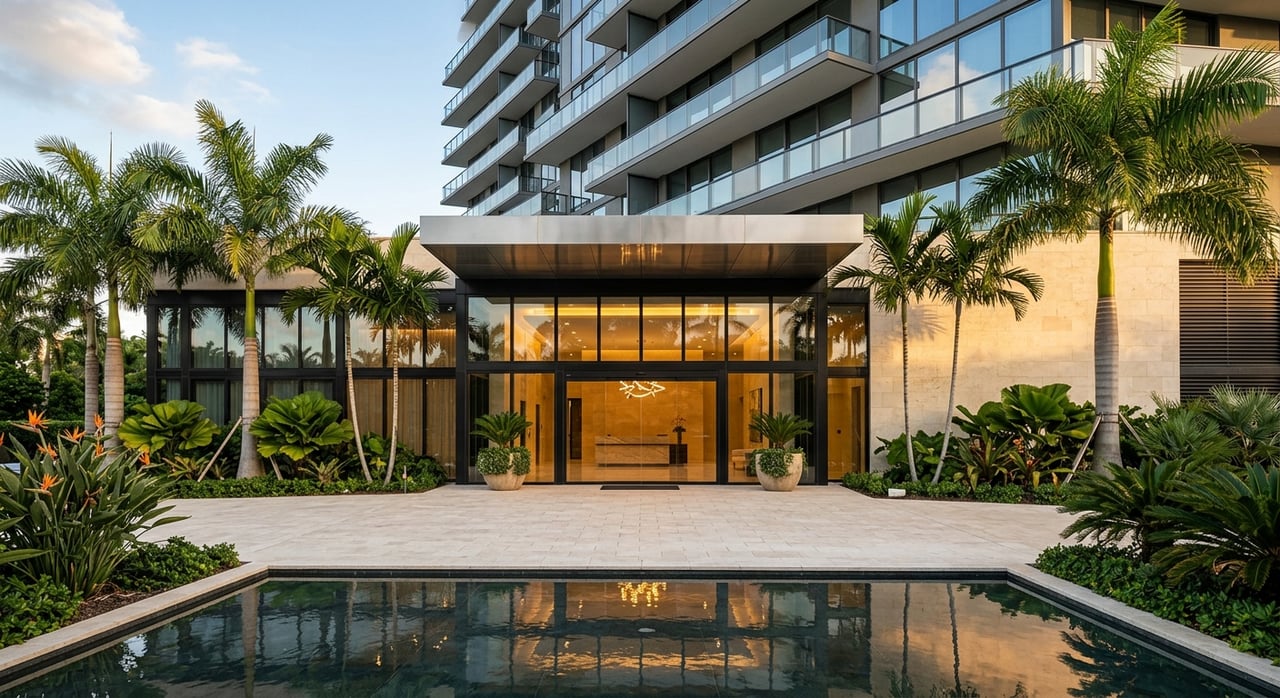
Belle Isle's condo stock gives it a different rhythm than its island neighbors. Nine Island Avenue, a bayfront condominium at 9 Island Avenue built in 1981, wrapped up a multi-year renovation of its pool, spas, fountains, and landscaping this past summer. That kind of capital project, and the assessment that funds it, is a Belle Isle concern in a way it simply isn't for Rivo Alto or San Marino, where ownership means a private lot and a private dock rather than a shared building envelope.
Belle Isle also carries the Standard Hotel and Spa on its north shore, a wellness property that draws visitors to the island independent of its residential market. Its location closest to Sunset Harbour, with the marina district's fitness studios and restaurant strip a short walk or bike ride away, gives Belle Isle a more walkable, mixed-use character than the other five islands, which read as quieter, more insulated single-family enclaves once you're off the causeway.
None of that makes Belle Isle better or worse than San Marino or Rivo Alto. It makes it a different kind of ownership entirely, condo assessments and building governance instead of a private seawall and an HOA-free lot, inside the same six-island chain and the same Miami Beach jurisdiction as its single-family neighbors.
The Toll Plaza Sits on the Miami Side of the Line
The physical crossing reinforces the split rather than erasing it. The current causeway dates to the mid-1920s, replacing the 1913 Collins Bridge that Carl Fisher and John Collins built as a wooden vehicular span, at the time the longest of its kind in the world. The bridges themselves are designated historic landmarks by both the City of Miami and the City of Miami Beach jointly, a rare instance of the two cities sharing formal responsibility for a single piece of infrastructure even though the land parcels on either end answer to separate city halls.
The single toll plaza that governs through-traffic sits on Biscayne Island, on the Miami side, administered by Miami-Dade County rather than either individual city. Rates and resident arrangements change over time, so anyone weighing the cost of a daily crossing should confirm the current position with the county directly rather than relying on a figure quoted secondhand. What doesn't change is the geography: every resident of San Marino, Di Lido, Rivo Alto, or Belle Isle who drives west toward downtown passes through a toll point administered by a jurisdiction that isn't their own city, on a bridge two cities jointly protect as a landmark, connecting neighborhoods that two different city councils separately tax, permit, and service.
What This Means If You're Comparing Islands
Treating "Venetian Islands" as a single search filter hides more than it reveals. A buyer comparing a listing on Rivo Alto against one on San Marco Island is comparing across a city line whether the listing sheet says so or not. The practical questions worth asking before a comparison goes any further: which city does this specific folio sit in, what does that city's current millage rate do to the annual bill at this taxable value, and which building department would review a dock or renovation permit on this particular lot.
The six islands share a causeway, a bay, and a name that real estate marketing has flattened into one neighborhood. They don't share a city hall, a tax rate, or in Belle Isle's case, even a housing type. The line running through the middle of the chain is the detail that actually prices what you're buying.
FAQ
Do all six Venetian Islands go through the same city permitting office? No. Biscayne Island and San Marco Island fall under the City of Miami's building department. San Marino Island, Di Lido Island, Rivo Alto Island, and Belle Isle fall under the City of Miami Beach's. A dock repair or renovation on one side of the causeway is reviewed by different staff, on a different timeline, than the identical project on the other.
Is the toll the same no matter which island you live on? The toll plaza itself sits on Biscayne Island at the western end and is administered by Miami-Dade County rather than either city. Rates and resident arrangements can change, so confirm the current figure directly with the county before assuming a number found online still applies.
If you're comparing a specific listing against another one on the chain and want to understand what the city line actually does to the numbers on that particular address, Mick Duchon can walk through the tax jurisdiction, permitting path, and dock history for both properties before you make an offer on either one.