Selling your home is an intricate process that involves several critical steps to ensure a smooth transaction and maximize your profit. One of the most crucial is getting a home inspection before selling. This proactive measure can reveal potential issues and give you the leverage to fix problems before they become deal-breakers for potential buyers. Here’s everything you need to know about this essential step in the home-selling process.
The Importance of a Home Inspection
A home inspection is a thorough evaluation of a property’s condition by a certified inspector. It covers all major systems and structures, including the roof, foundation, plumbing, electrical systems, HVAC, and more. The inspector provides a detailed report highlighting any issues, from minor repairs to significant structural concerns. For sellers, this report is invaluable — it allows you to address problems upfront, avoiding last-minute surprises that could derail a sale.
The Benefits of a Pre-Sale Home Inspection
Transparency is key in any real estate transaction. By conducting a home inspection before selling, you demonstrate to potential buyers that you have nothing to hide. This proactive approach can build trust, make buyers more comfortable with their decisions, and potentially speed up the sale process.
When buyers commission their own home inspection and uncover issues, it often leads to renegotiation of the sale price or demands for repairs. By addressing these issues in advance, you can prevent these negotiation pitfalls. This helps maintain your asking price and keeps the transaction on track.
Homes that have undergone a pre-sale inspection and subsequent repairs tend to close faster. Buyers are more likely to move forward confidently when they know the property has been thoroughly vetted and issues have been resolved.
What to Expect During a Home Inspection
During a home inspection, the inspector will examine various components of your home, including the exterior (roof, gutters, siding, foundation, windows, and doors) and the interior (walls, ceilings, floors, windows, and doors). The plumbing system, including pipes, faucets, water heaters, and drainage, will be evaluated, as well as the electrical system, covering wiring, outlets, panels, and light fixtures. Additionally, the HVAC systems, such as heating, ventilation, and air conditioning units, will be assessed.
The inspection typically takes a few hours, depending on the size and condition of the property. After the inspection, you’ll receive a comprehensive report detailing the findings.
Common Issues Found During Inspections
Even well-maintained homes can have issues that need addressing. Roofing problems — like missing shingles, leaks, or general wear and tear — are common. If not addressed promptly, roof issues can lead to water damage and other costly repairs.
Plumbing issues, including leaky faucets, outdated pipes, or water heater problems, are typical in many homes. Plumbing issues can cause water damage and impact the home's overall functionality.
Electrical concerns, such as outdated wiring, overloaded circuits, or faulty outlets, pose safety hazards. Ensuring your electrical system is up to code is crucial for both safety and functionality.
Foundation cracks, whether small or significant, can lead to structural instability and require expensive repairs. HVAC problems, like inefficient heating and cooling systems, can be a major turn-off for buyers. Ensuring your HVAC system is in good working order is essential.
How to Prepare for a Home Inspection
Preparation is key to a successful home inspection. Start by cleaning and decluttering your home. A clean, clutter-free home allows the inspector to access all areas easily and presents your home in the best light, making it more appealing to buyers.
Make necessary repairs by addressing any known issues before the inspection. Fix leaky faucets, replace damaged shingles, and ensure all systems are functioning correctly.
Provide access by ensuring the inspector can access all areas of the home, including the attic, basement, and crawl spaces. Clear any obstructions that could impede the inspection.
Organize documentation for any repairs or maintenance you’ve conducted. This can demonstrate to the inspector and potential buyers that you’ve taken good care of the property.
Interpreting the Inspection Report
After the inspection, you’ll receive a detailed report. It’s essential to understand how to interpret this document. Differentiate between major structural issues and minor repairs. Major issues should be addressed promptly, while minor issues can be disclosed to buyers with the understanding that they’re typical for homes of a certain age.
Obtain estimates for any necessary repairs. This will help you decide whether to fix the issues or adjust your asking price accordingly. Use the inspection report as a tool in negotiations. If significant issues are found, you can decide to repair them or offer a credit to the buyer, maintaining transparency and goodwill.
Deciding Whether to Repair or Disclose
After receiving the inspection report, one critical decision you’ll need to make is whether to repair the issues or disclose them to potential buyers. Addressing major issues can make your home more appealing and justify your asking price. This can be especially beneficial in a competitive market where buyers are looking for move-in-ready homes.
In some cases, you may choose to disclose certain issues rather than repair them. This approach works best for minor problems that are typical for homes of a similar age and condition. Transparency in disclosure can build trust with buyers.
How a Pre-Sale Inspection Can Influence Pricing
Understanding how a pre-sale home inspection impacts your pricing strategy is crucial. A clean inspection report can justify your asking price. Buyers are often willing to pay more for a home that has been thoroughly inspected and found to be in good condition.
If the inspection reveals issues, you might need to adjust the price you are asking to reflect the cost of necessary repairs. This can make your home more attractive to buyers who are aware of the repairs needed and can budget accordingly.
A pre-sale inspection can give you an edge in a competitive market. Buyers may choose your home over others if they know it has been inspected and well-maintained.
Choosing a Qualified Home Inspector
Selecting the right home inspector is a critical step in this process. Look for inspectors who are certified by reputable organizations such as the American Society of Home Inspectors (ASHI) or the International Association of Certified Home Inspectors (InterNACHI).
It is essential to hire an experienced inspector with a solid track record. Ask for references and check online reviews to gauge their reputation. Ensure the inspector provides a comprehensive service and covers all major systems and structures. A detailed, thorough inspection is vital for accurate reporting. Request a sample report to understand the level of detail the inspector provides. A clear, well-organized report is crucial for identifying and addressing issues.
Final Thoughts
Getting a home inspection before selling is a strategic move that can streamline the selling process, build trust with buyers, and ultimately secure a better deal for your property. By addressing issues upfront and being transparent about the condition of your home, you set the stage for a smooth transaction and satisfied buyers.
Schedule Your Home Inspection Before Selling
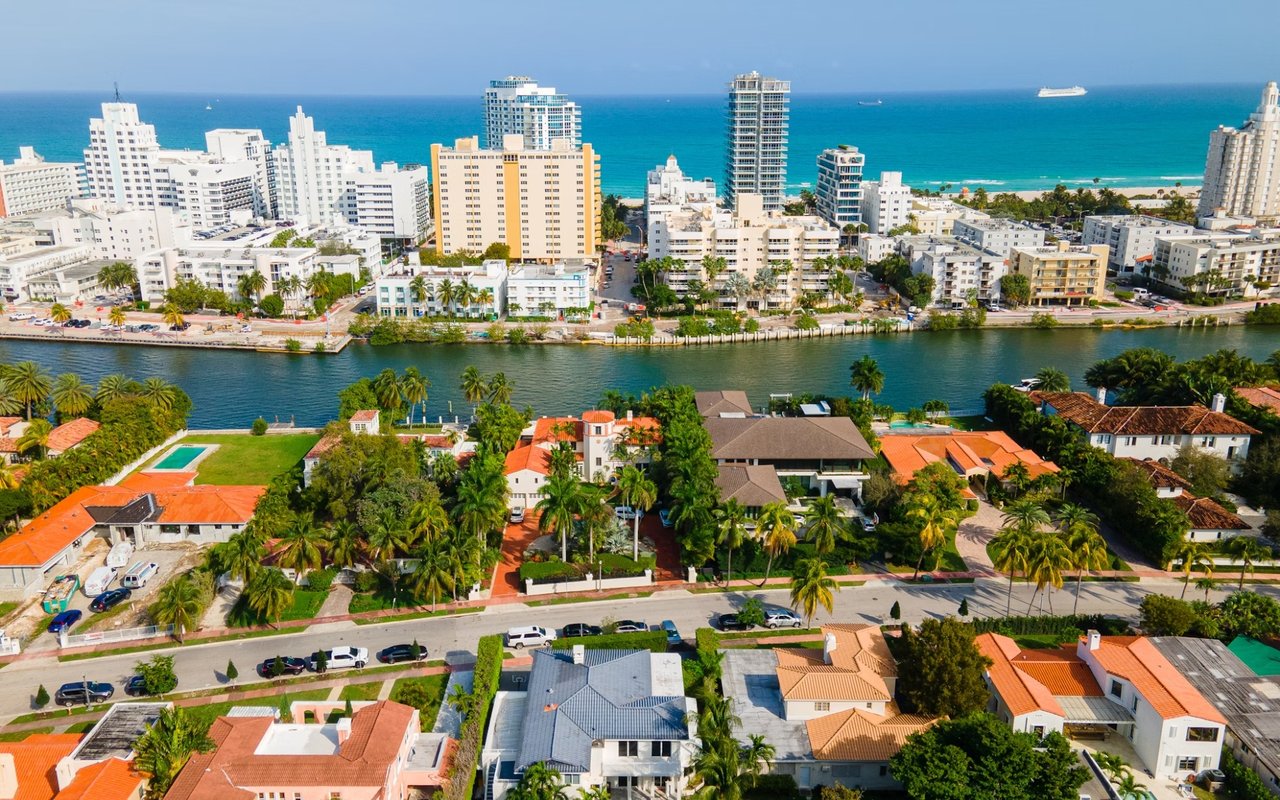
If you're preparing to sell your home in Miami Beach, FL, ensure you start with a comprehensive home inspection. Carmenate / Duchon can help you navigate this process, providing expert advice and connections to trusted home inspectors. With their local expertise and commitment to excellence, you'll be well-prepared for a successful sale. Don't wait — schedule a consultation with the team at Carmenate / Duchon today and take the first step toward selling your home confidently.
*Header image courtesy of Carmenate / Duchon