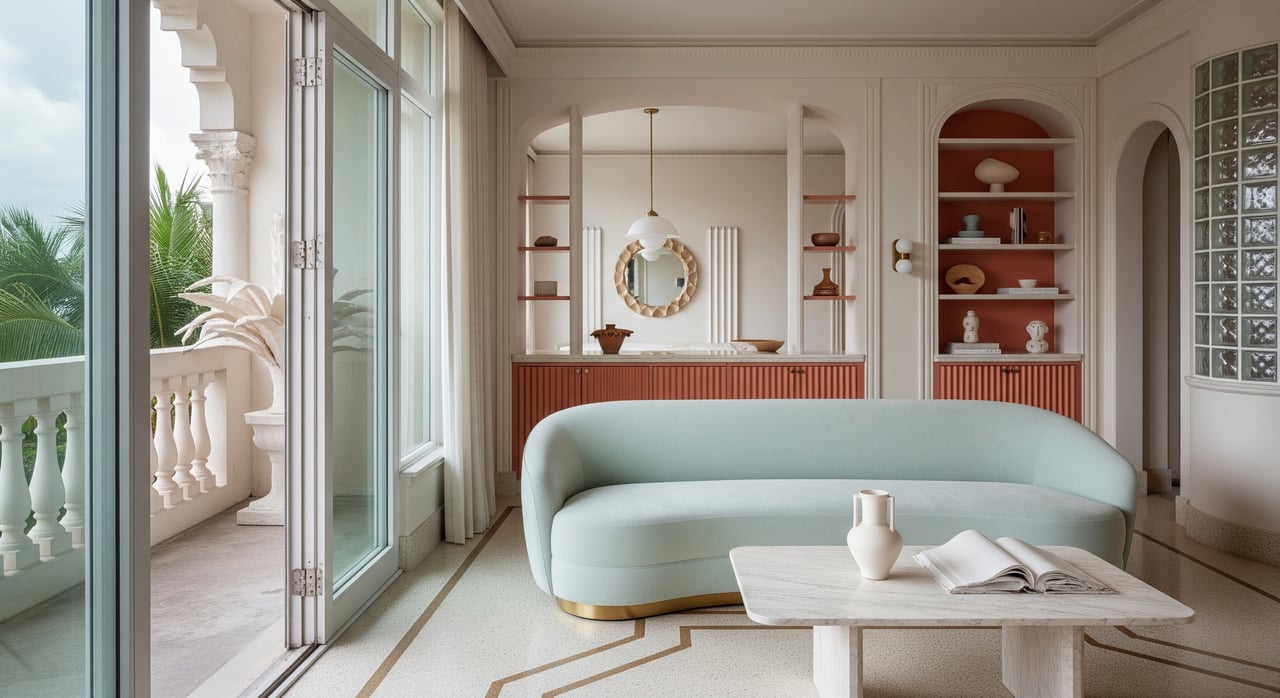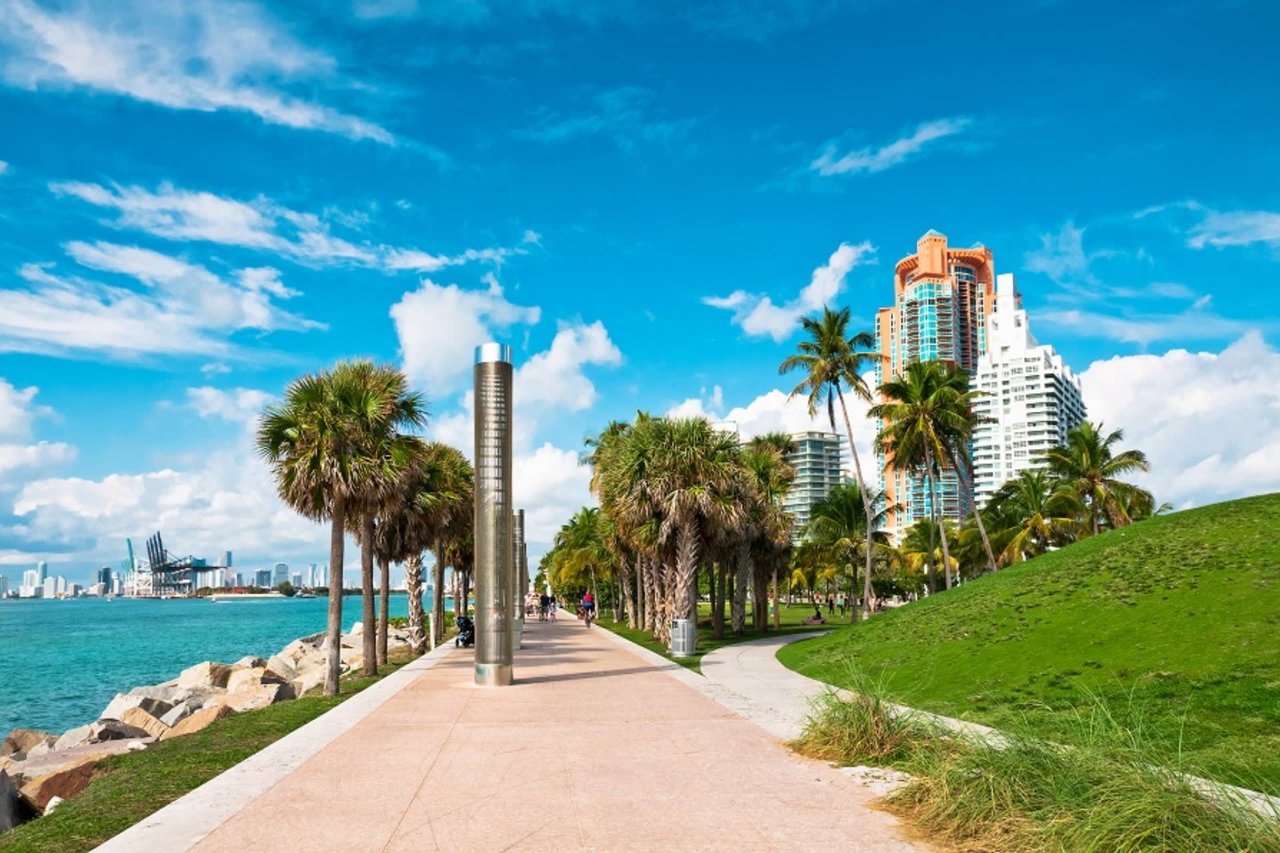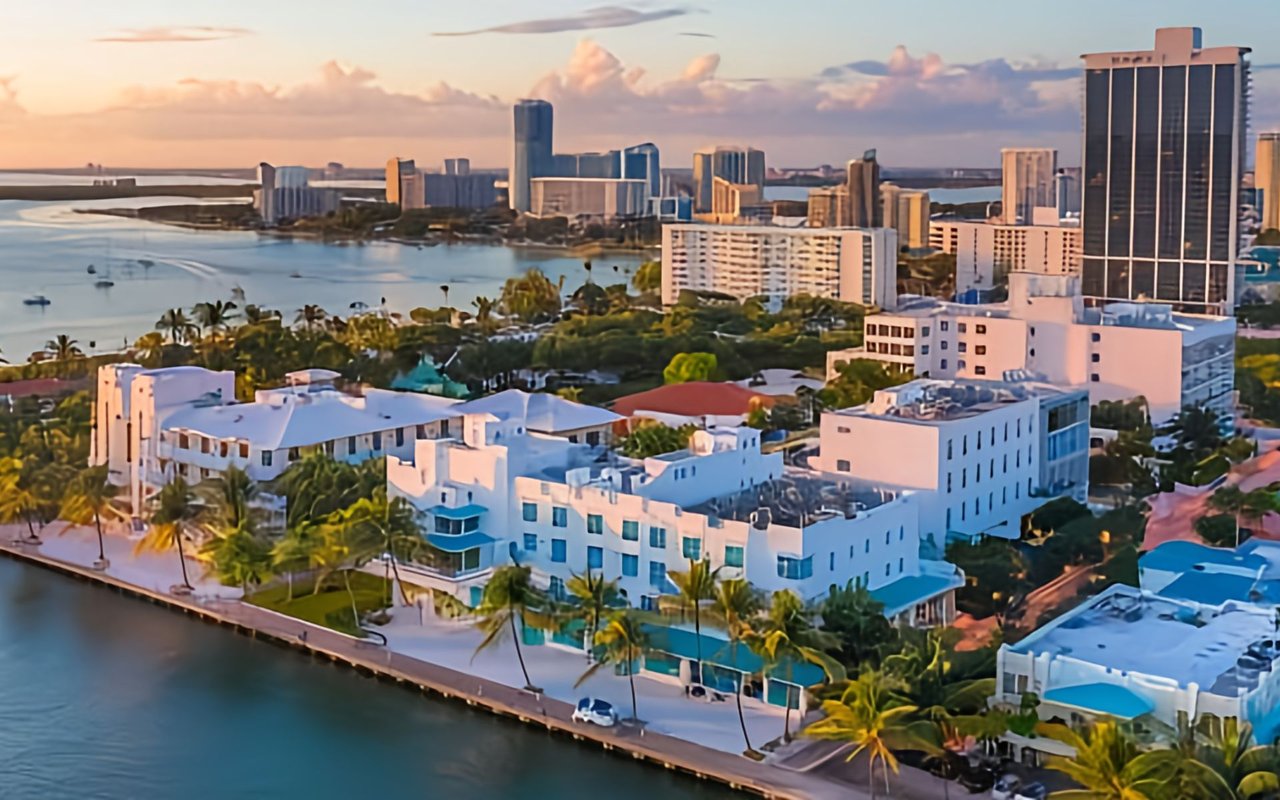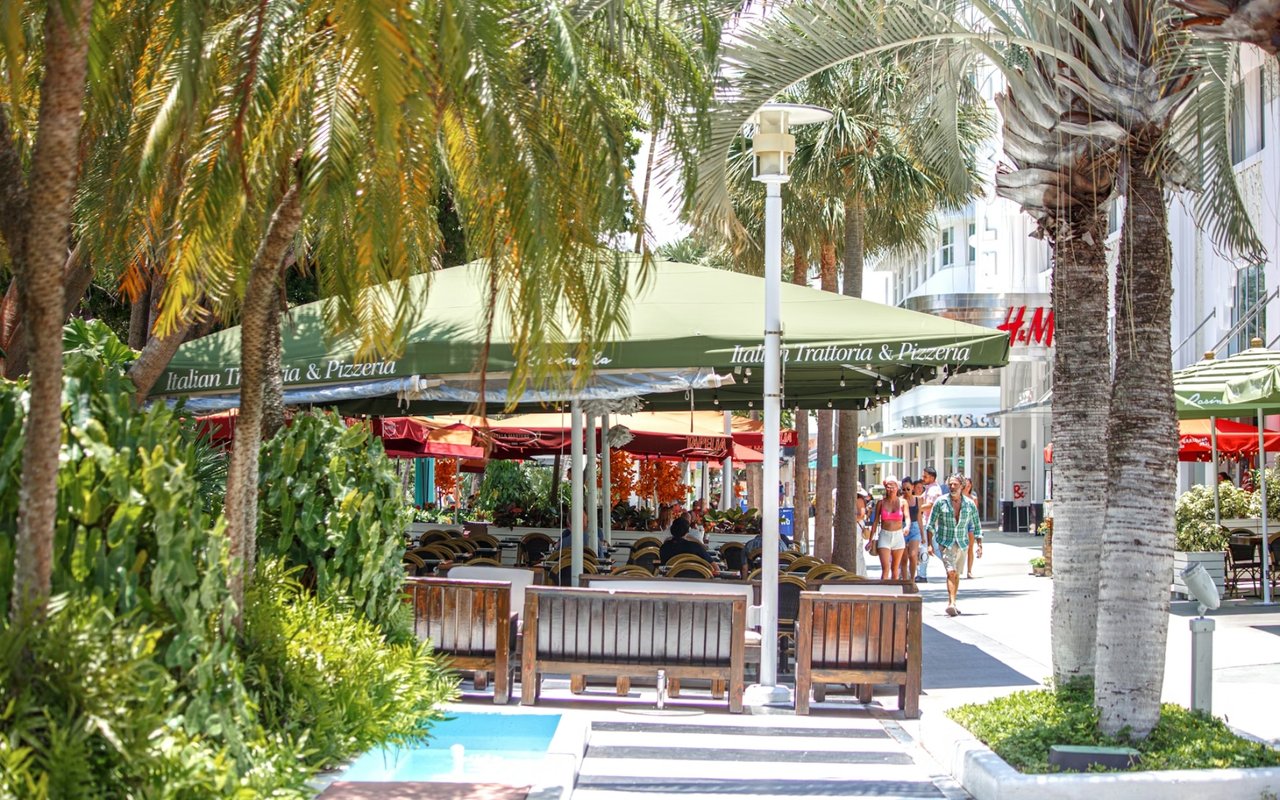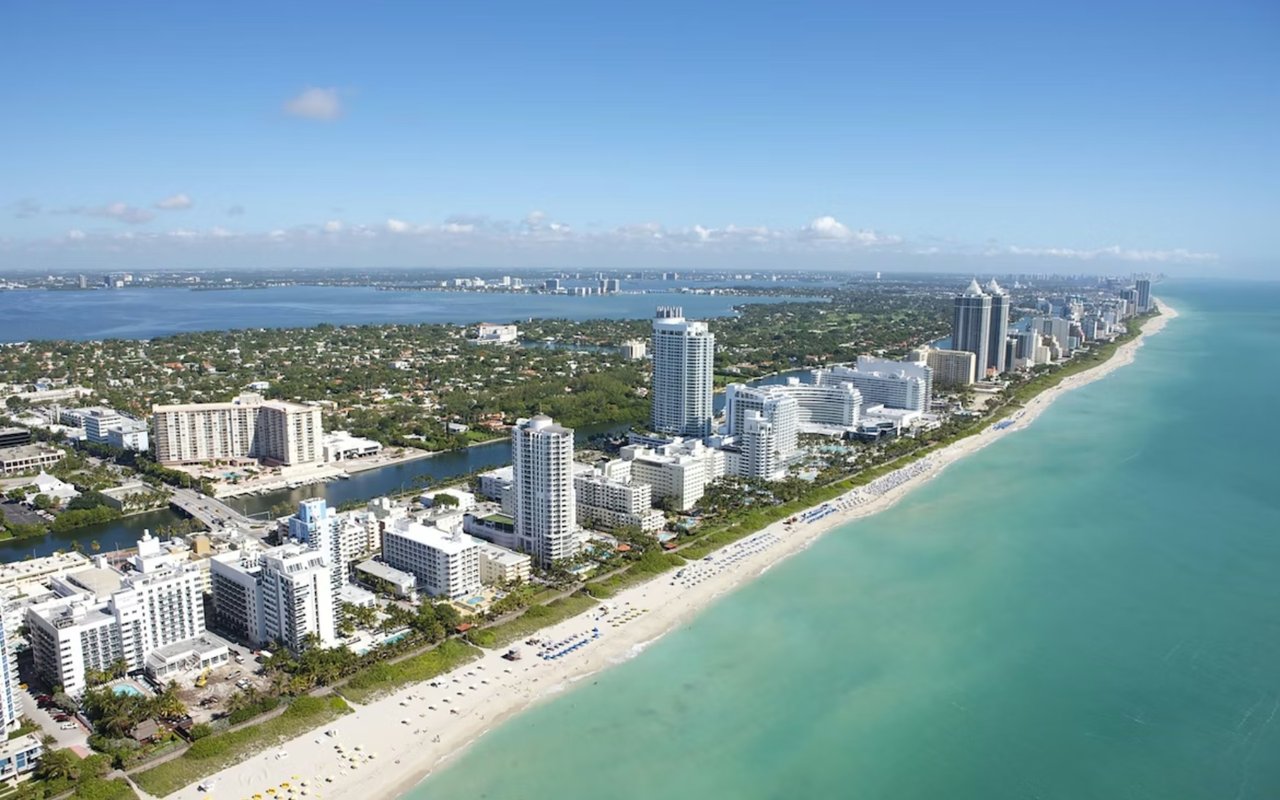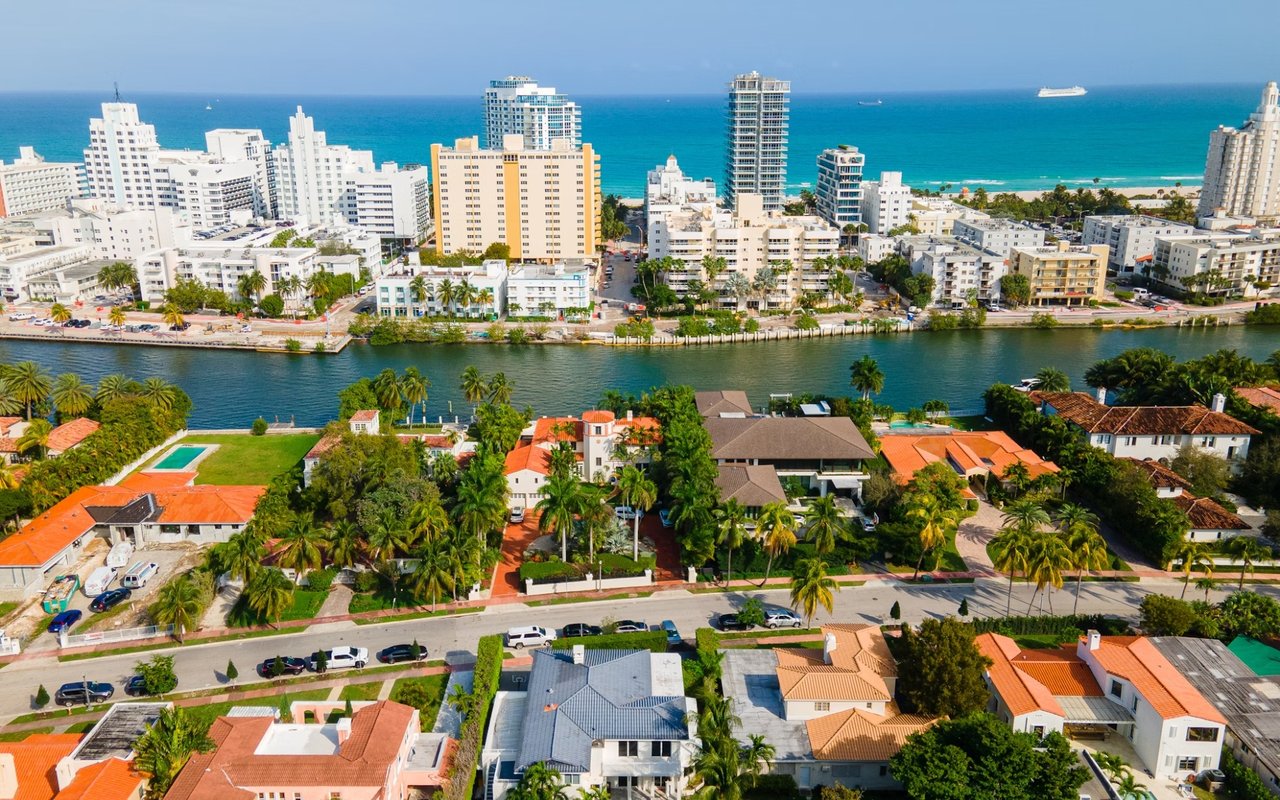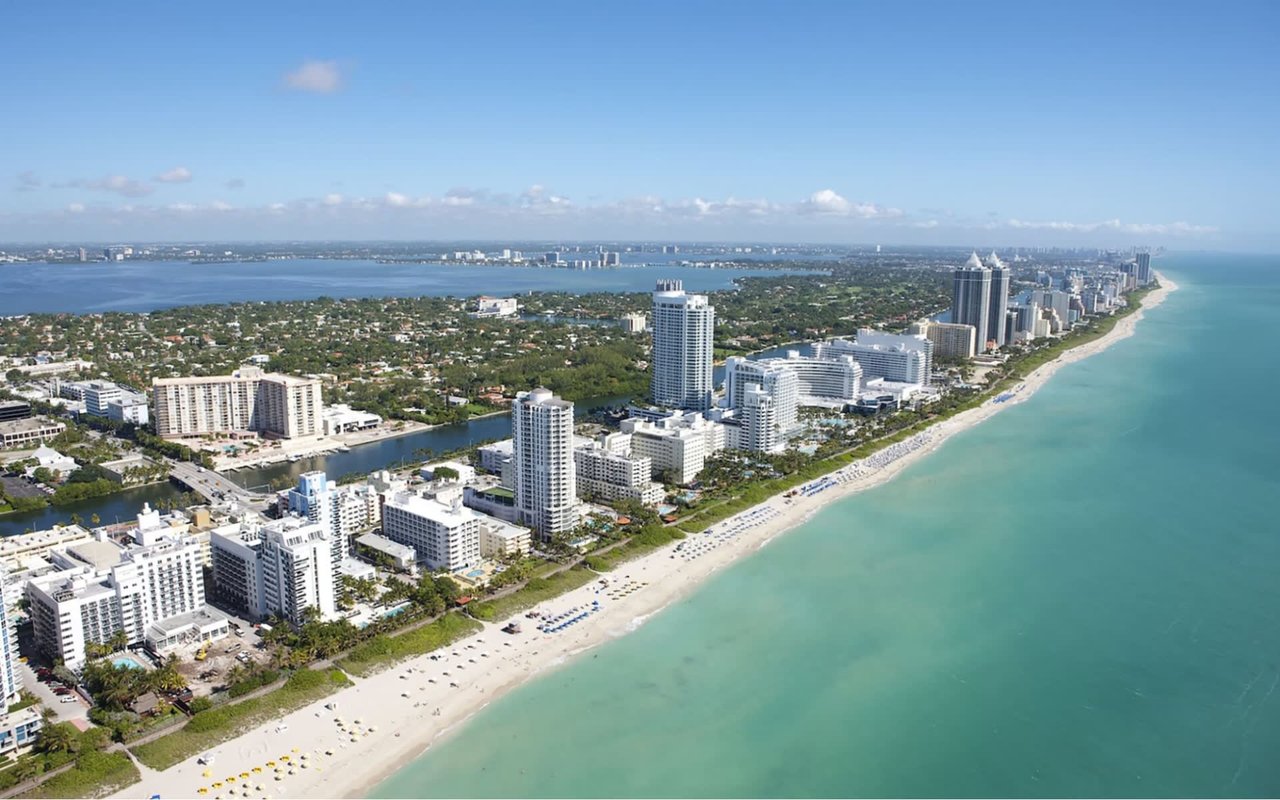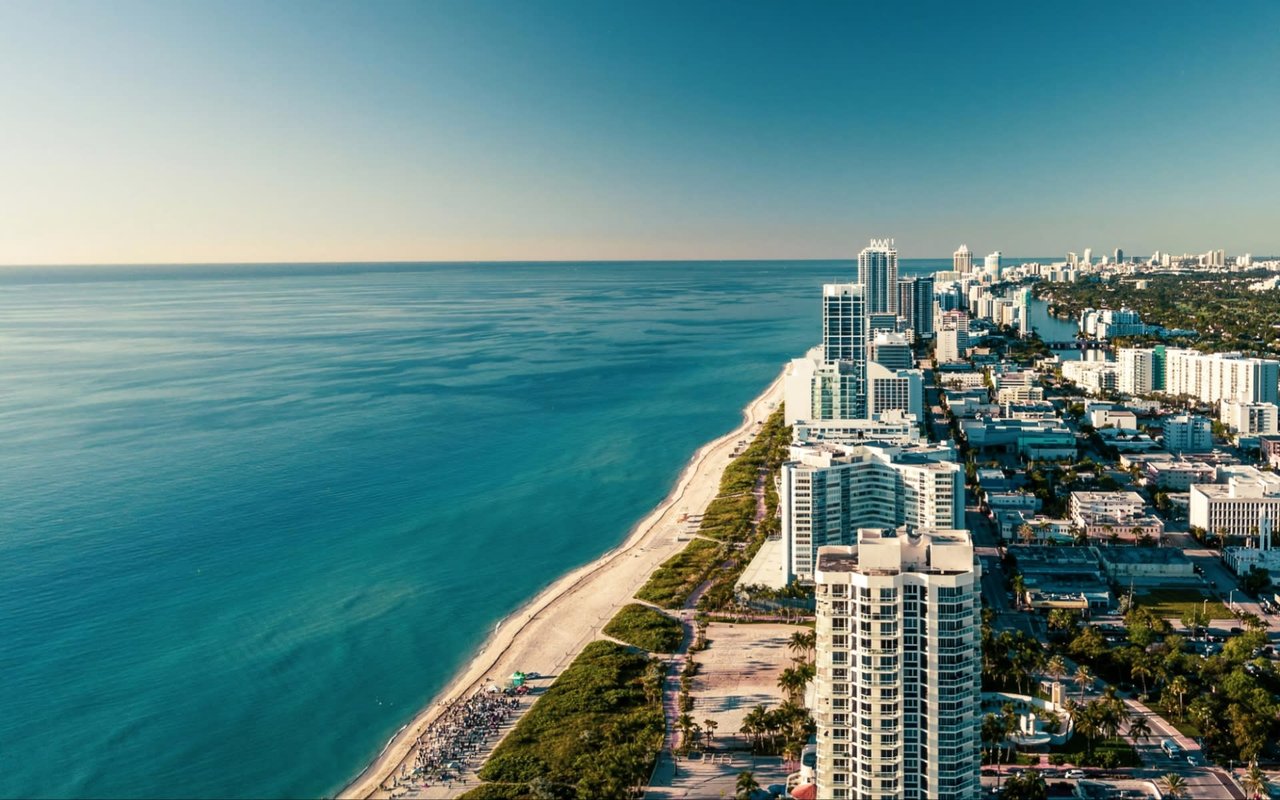
Miami Beach is an architectural design lover’s dream, with the largest collection of Art Deco buildings in the world located in the Miami Beach Architectural District. Better known as the Miami Art Deco District, this area in the South Beach neighborhood is home to 960 historic buildings and was formally designated a historic district in 1979. It even captured the heart of Italian fashion designer Gianni Versace, who lived in one of the mansions on Ocean Drive that now functions as a luxury hotel. Each building adds to the rich character of the district and reflects the history of the area, featuring architectural movements from the late 1800s to present-day trends. From Art Deco to Miami Modern and Neoclassical, keep reading to learn more about the styles you can expect to see while walking through this artistic area.
Mediterranean Revival
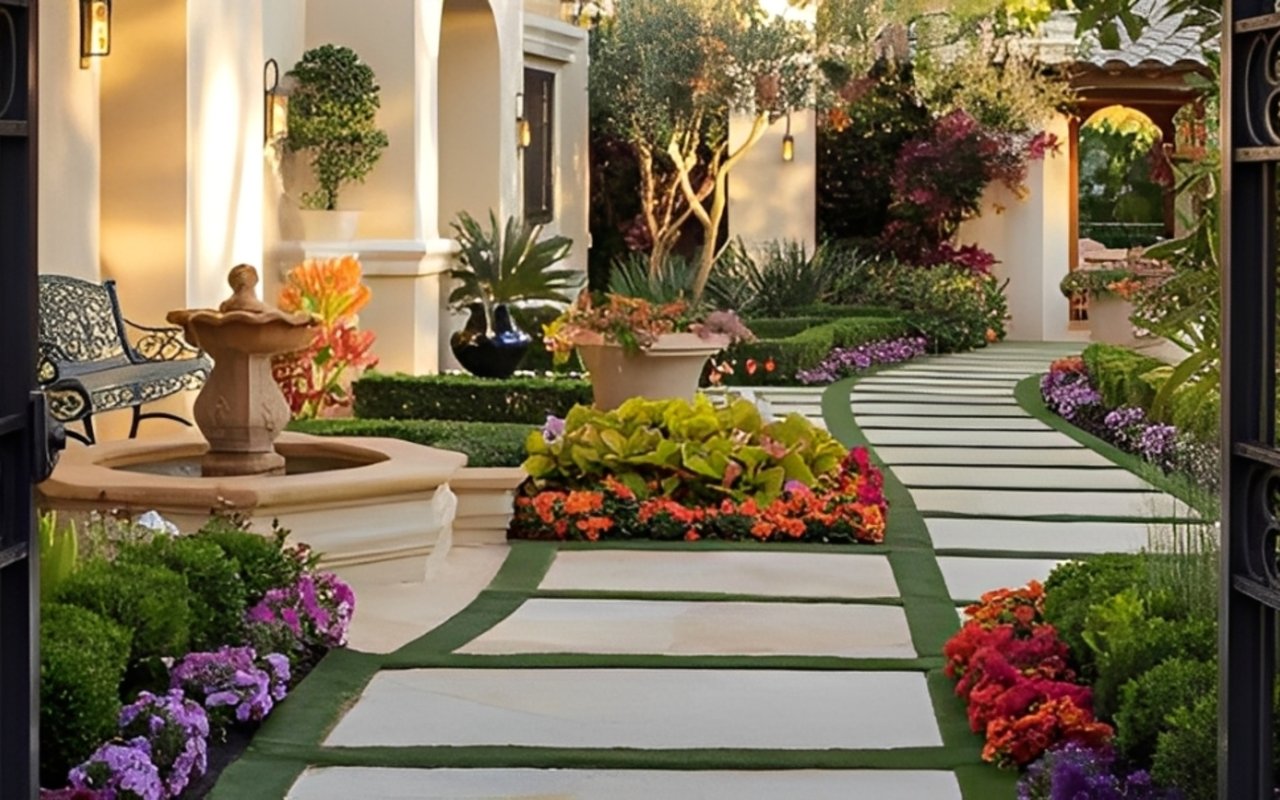
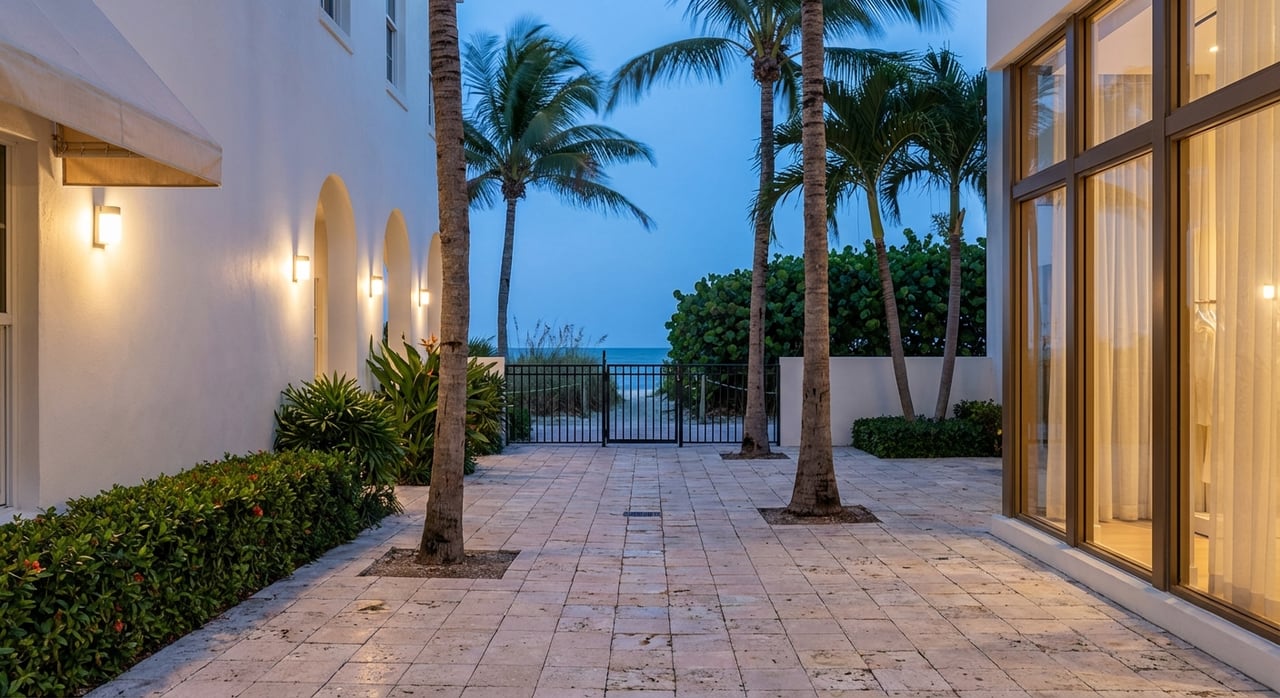
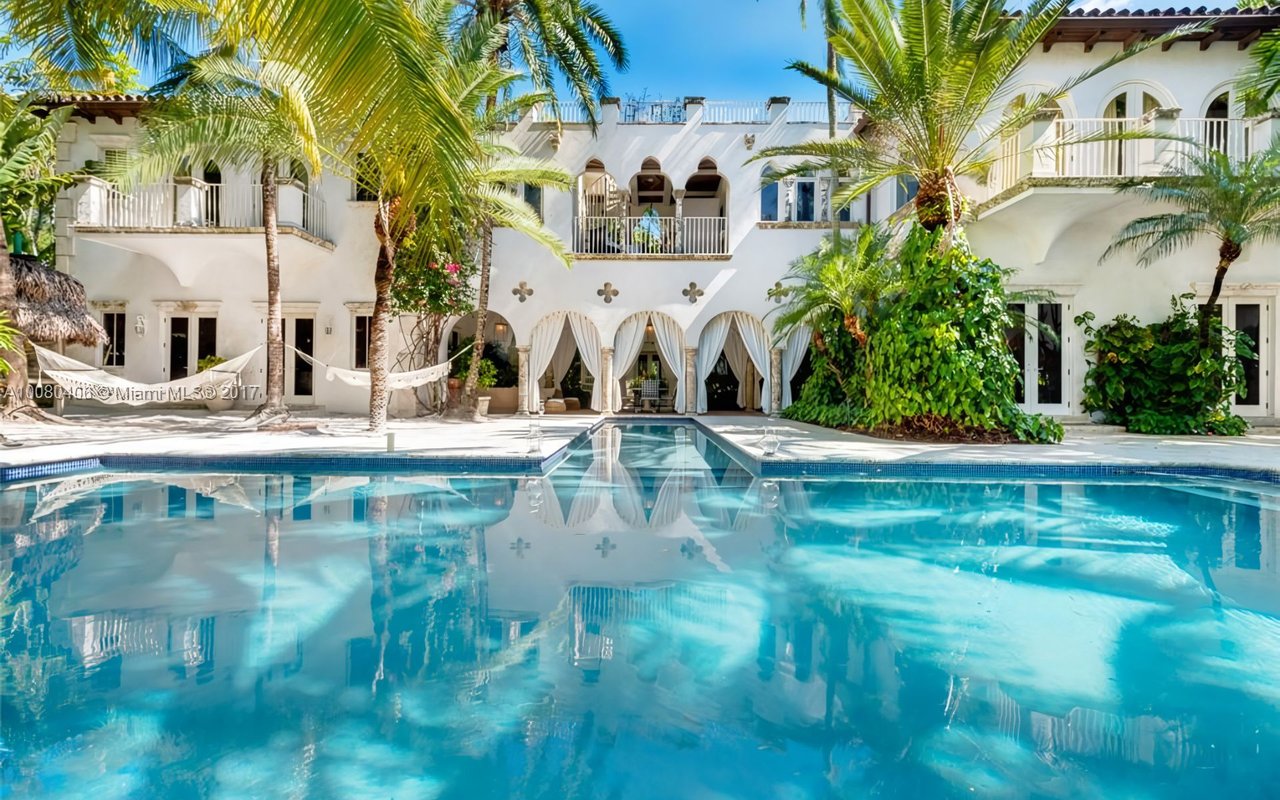
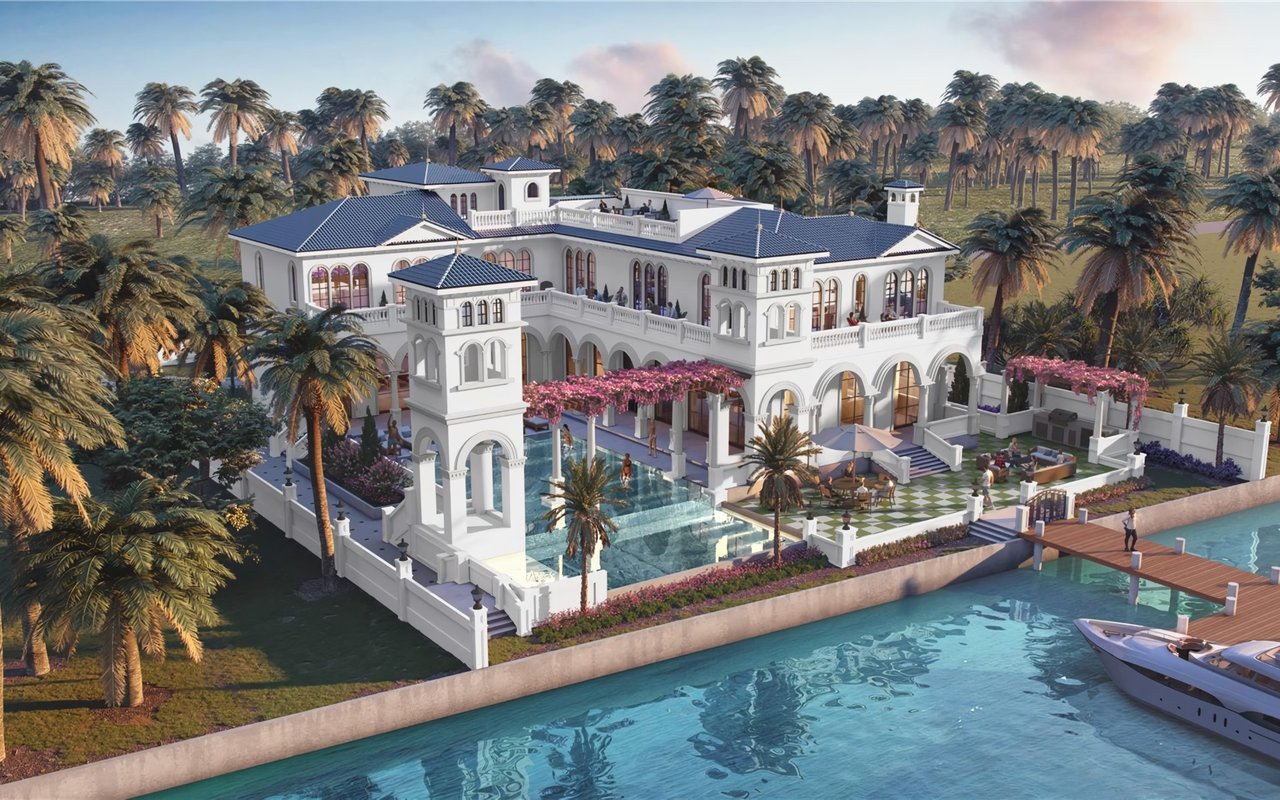
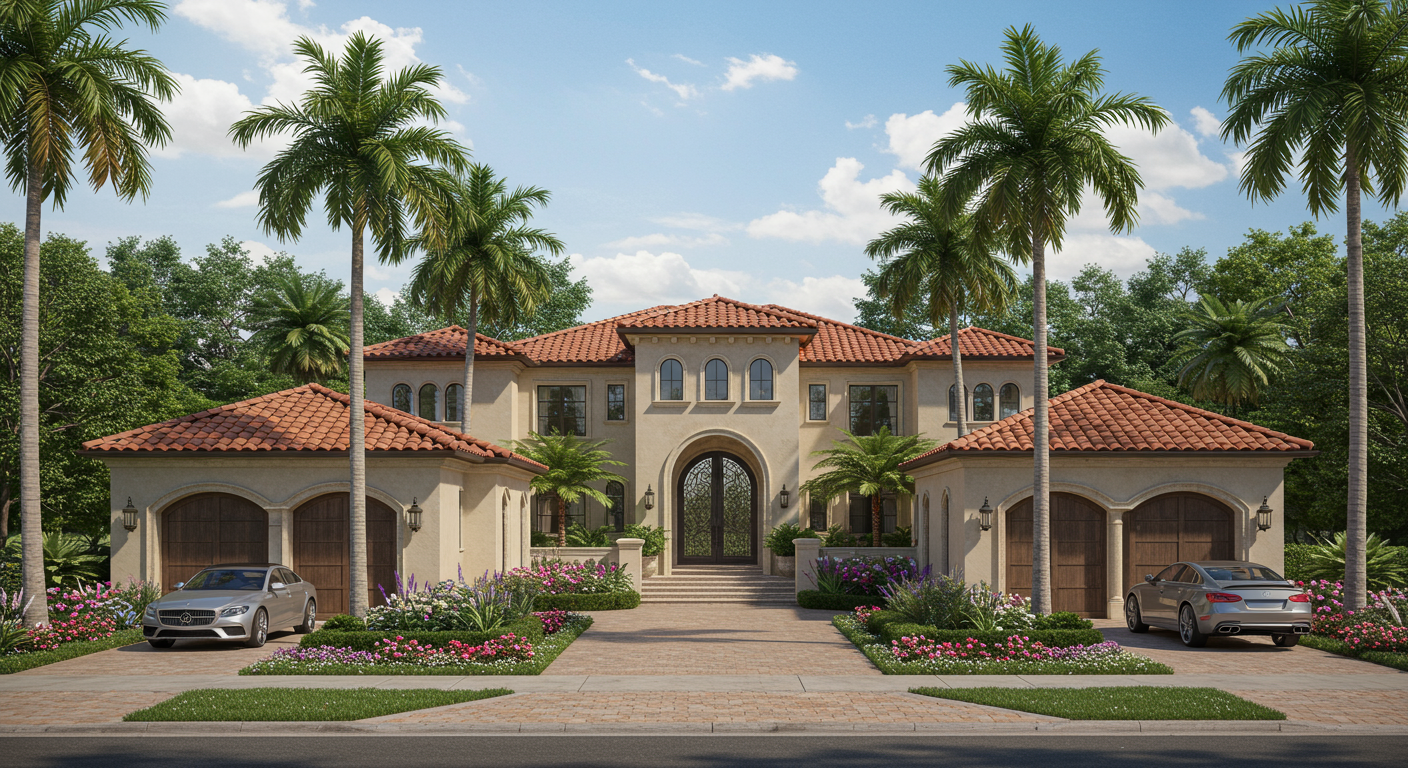
Mediterranean Revival architecture gained popularity in 1910 and hit its peak in the 1920s, making it one of the first styles to influence Miami Beach. Inspired by the Mediterranean Coast, this style features themes from Italy, southern Spain, and France. To identify buildings of this style, look up: The roof is one of the most distinguishing characteristics. Mediterranean Revival roofs are low pitched and covered with terracotta barrel tile or red tile. Other elements of Mediterranean Revival buildings are textured stucco walls, wrought-iron grills and railings, curved and scrolled parapets, and arched windows. Patios, courtyards, and balconies are also common in place of more typical front porches. Mediterranean Revival buildings in Miami Beach include The Alamo, Beverly Terrace Historic District, El Jardin, Mount Zion Baptist Church, and the Freedom Tower.
Own a Piece of Mediterranean Revival History
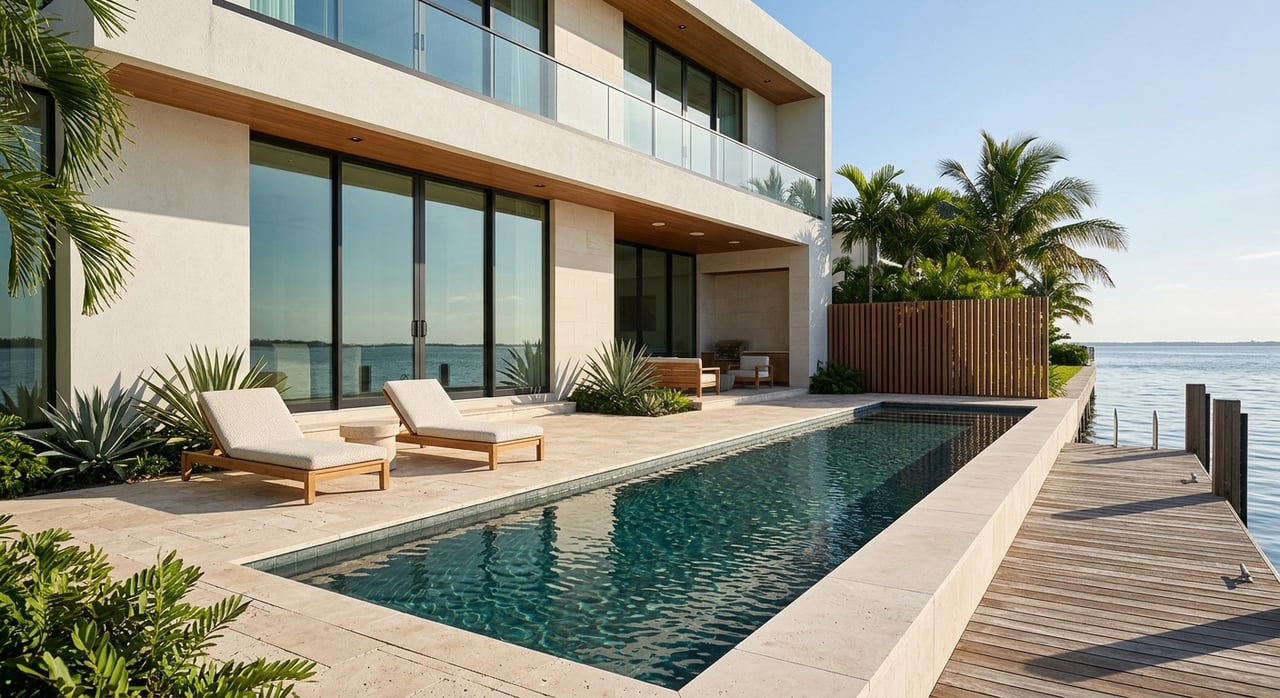
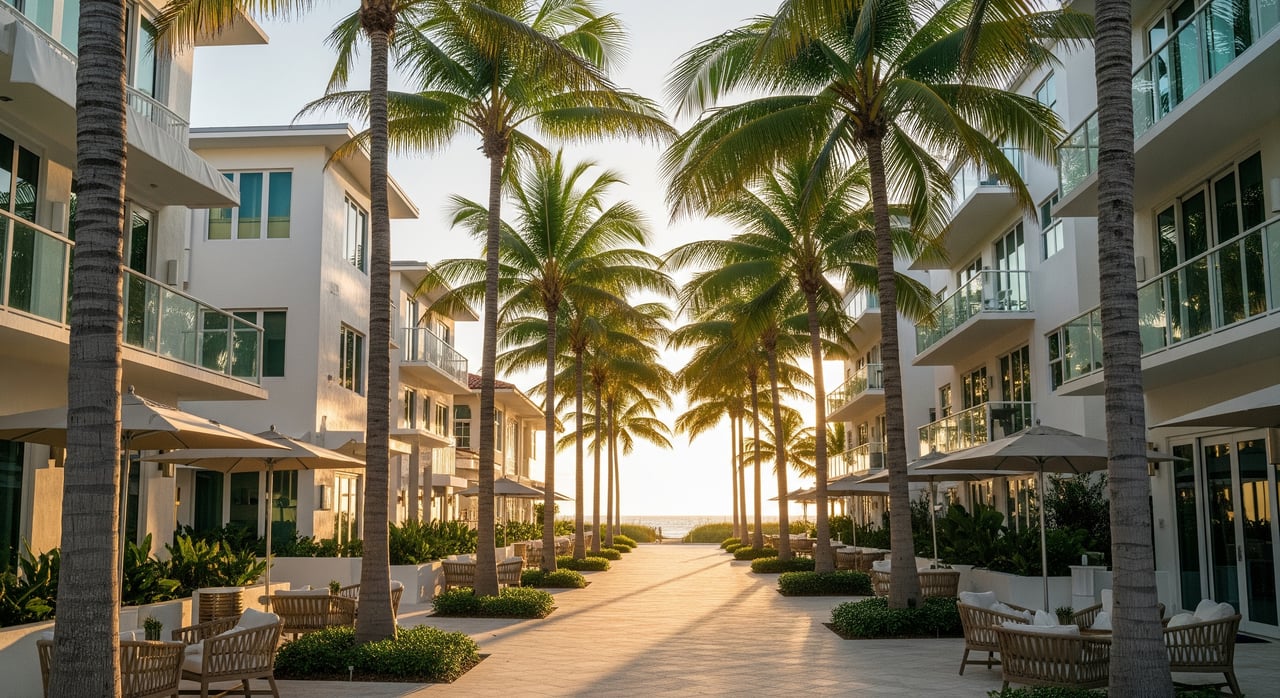
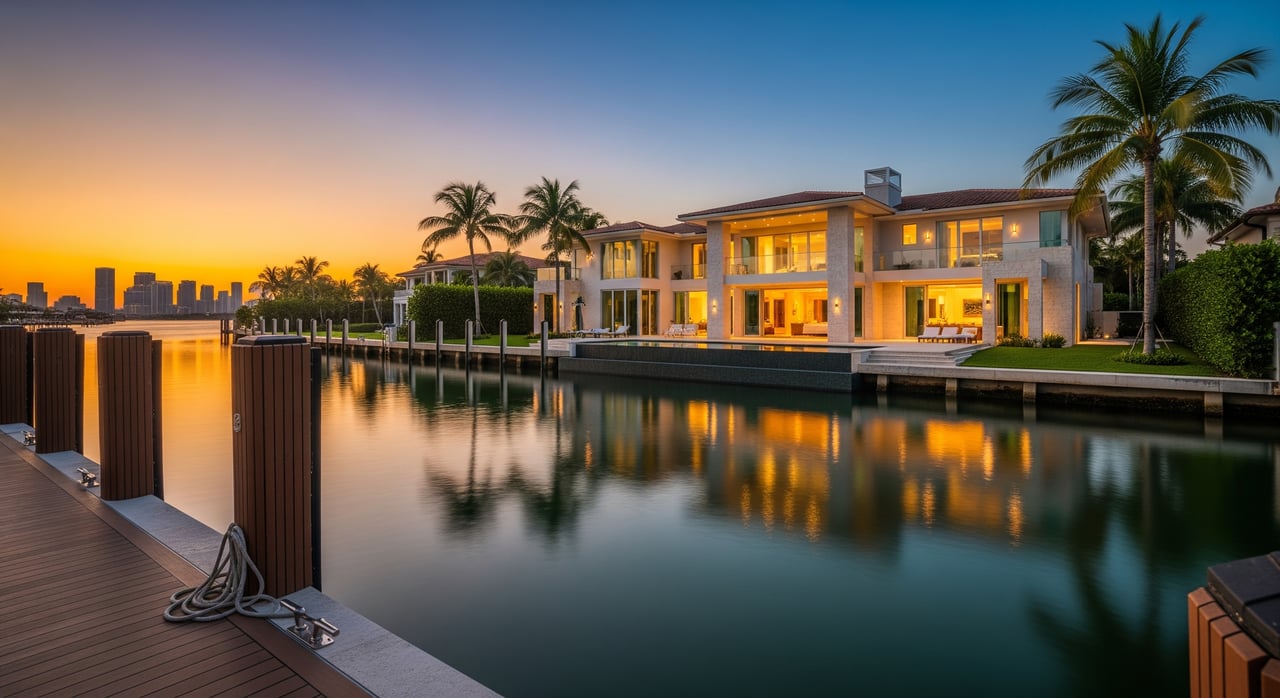
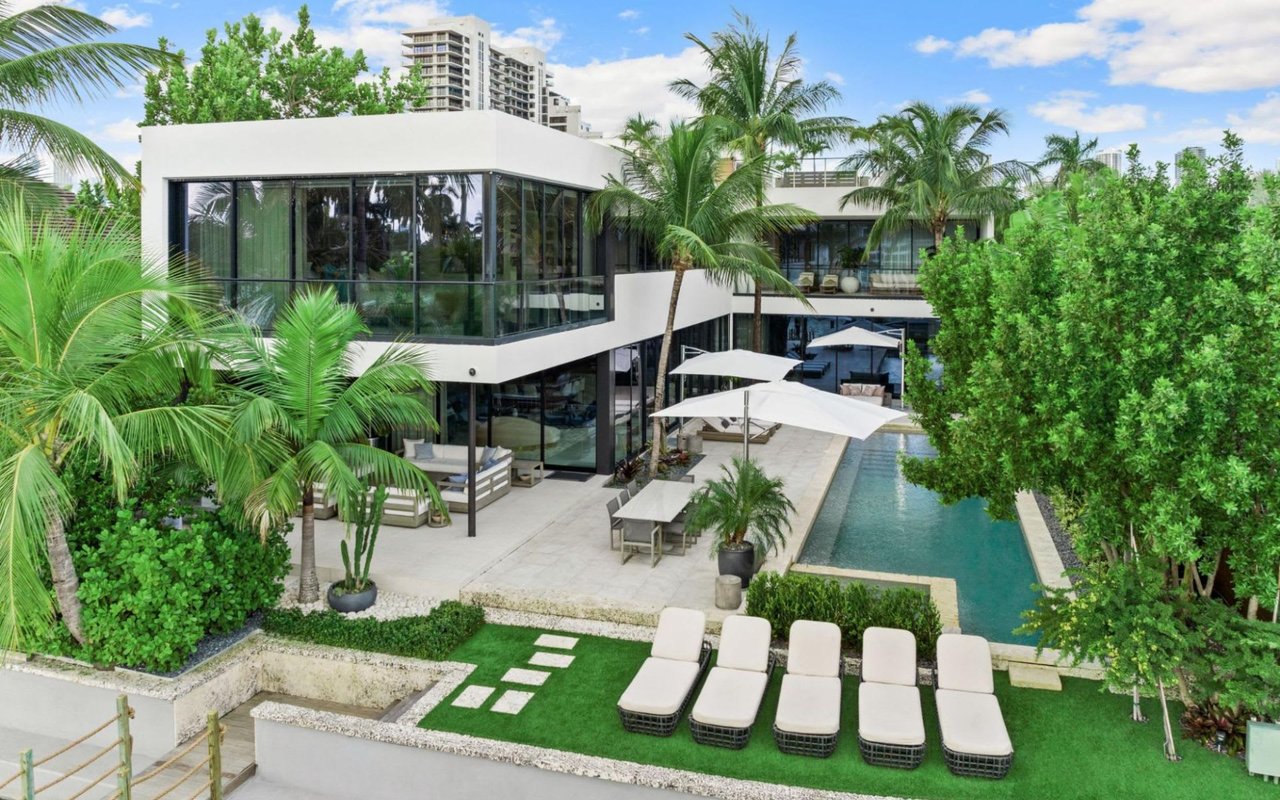
Mediterranean Revival estates remain some of the most coveted properties in 2026, particularly in elite enclaves like the Venetian Islands. Their timeless terra cotta roofs and arched loggias offer a resort-like sanctuary that modern buyers crave.
View Mediterranean Waterfront HomesClassic Art Deco
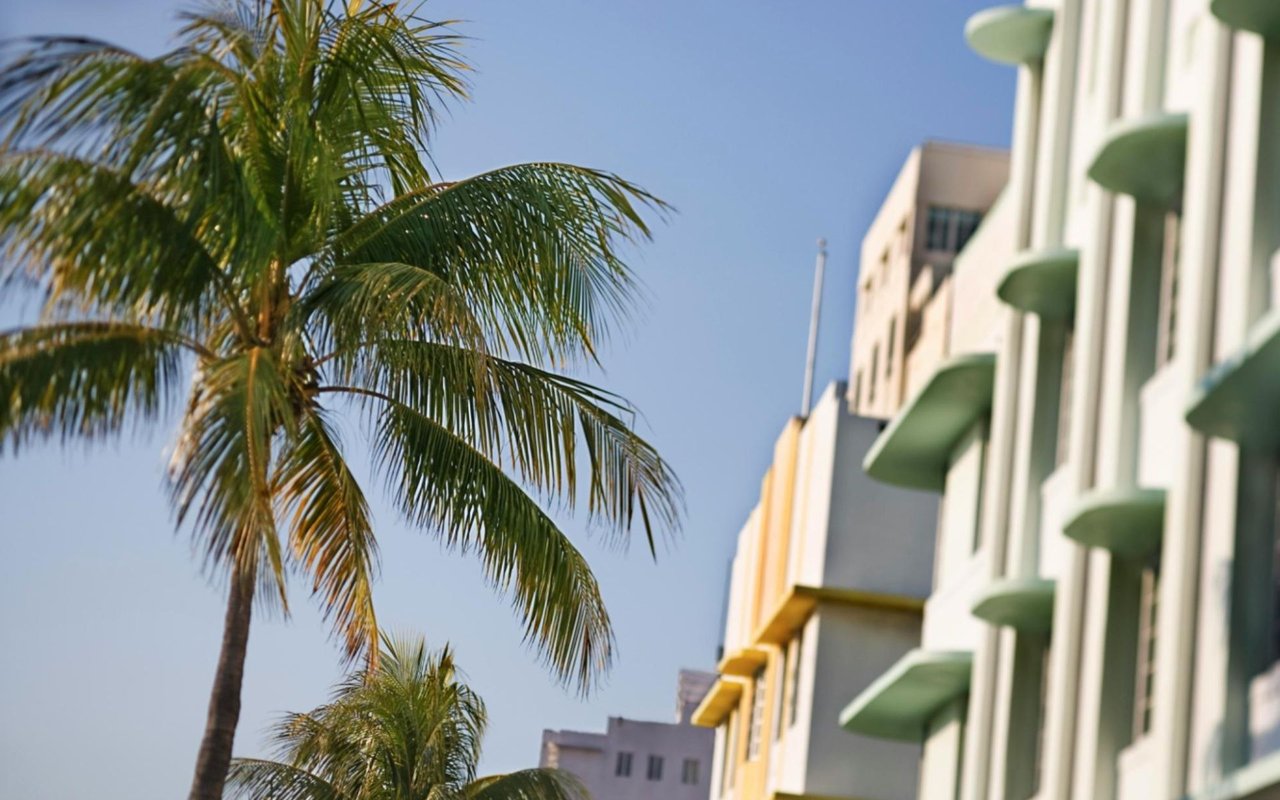
Many of Miami’s buildings were constructed during the Art Deco movement, which came to America in the 1920s following the 1925 Paris Exposition. Described as a “fusion of the decorative arts and industry and technology,” the Art Deco style is based on geometric patterns and angular forms. Examples of Art Deco buildings in Miami are the Pan American Seaplane Base and Terminal Building, S & S Restaurant, St. John’s Baptist Church, and Shrine Building. Classic Art Deco is inspired by international influences, such as Cubism, French Art Deco, German Bauhaus, and Expressionism. The first phase of Art Deco was known as the Skyscraper Style for the buildings that sprang up in large cities across the country during this time.
Streamline Moderne
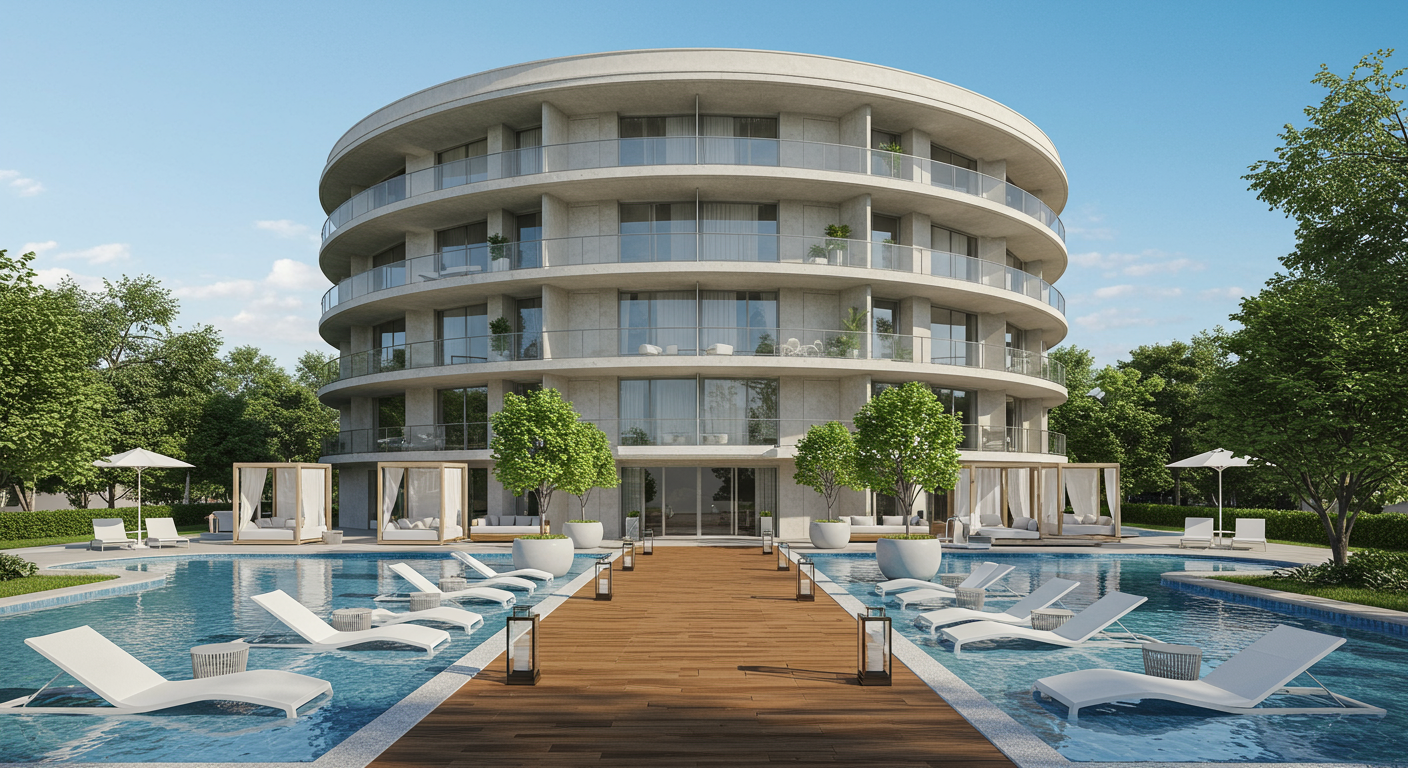
The second phase of the Art Deco movement is referred to as Streamline Moderne. It is less decorative than the first phase and was often used for government buildings, such as the U.S. Post Office in Miami Beach. Depictions of automobiles, such as racing stripes, and ocean liners, such as porthole windows, are common in Streamline Moderne buildings. “Eyebrow” ledges over windows are also a mark of this style. Notable Streamline Moderne buildings in Miami Beach include Walgreen Drug Store and the Alfred I. duPont Building.
Mission
Mission buildings are simple designs inspired by the early Spanish mission churches in California. This style was most popular around 1910 to the 1930s and can be seen in Plymouth Congregational Church. Similar to Mediterranean Revival, some of the defining characteristics of Mission buildings are red tile roofs, curved parapets, arches, and stucco walls. However, unlike Mediterranean Revival, these buildings often have a front porch that sometimes extends past the garage on one side of the main building, providing a side entrance.
Miami Modern (MiMo)
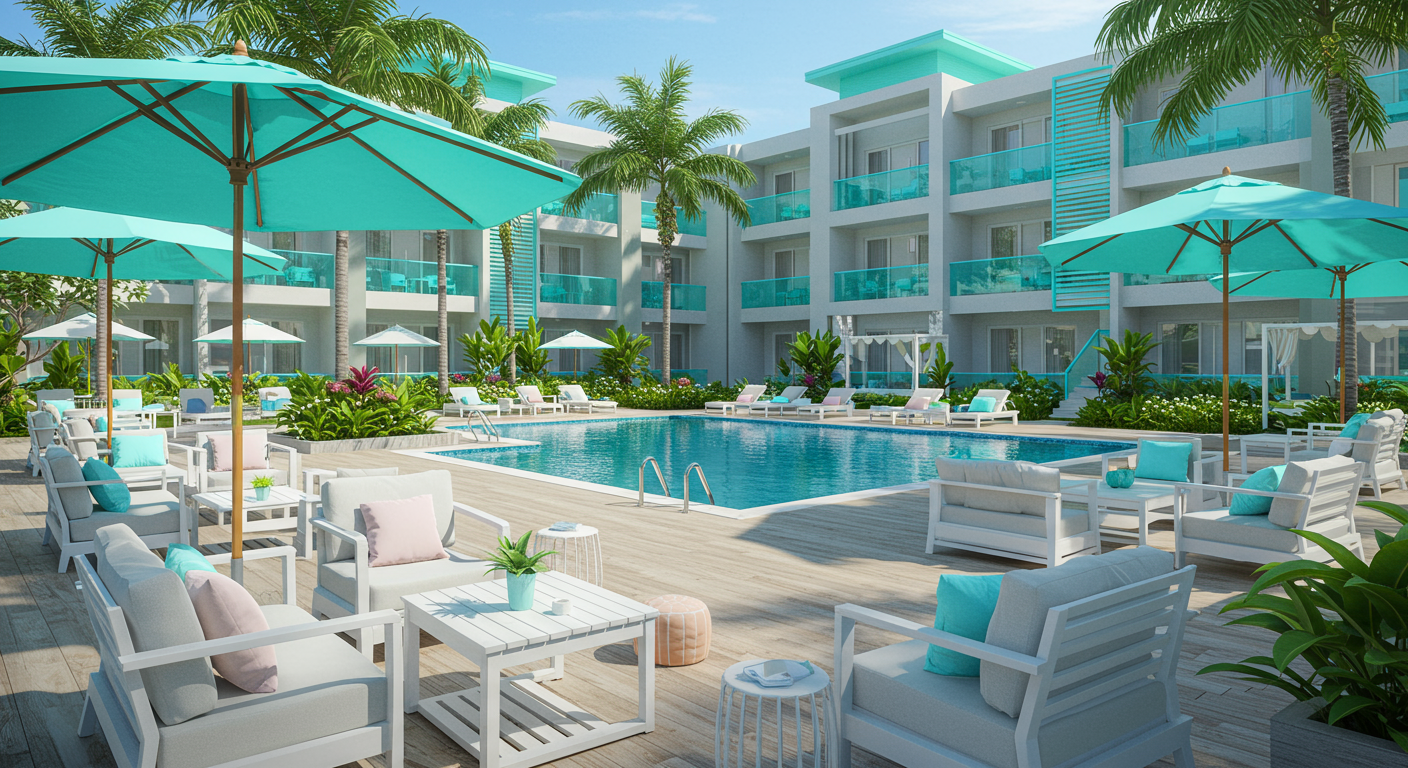
Miami Modern, or MiMo, came into vogue in the 1950s and evolved from the Art Deco and Streamline Moderne styles. It was glorified by the architect Morris Lapidus, who designed the famous Fontainebleau Hotel, which has a futuristic feel and is quintessential Miami Modern. Glamorous interior motifs, such as round beds and mosaic murals, are characteristics of this style. Geometric patterns are seen inside and out, along with nautical themes and a color palette usually featuring burnt orange and bright teal.
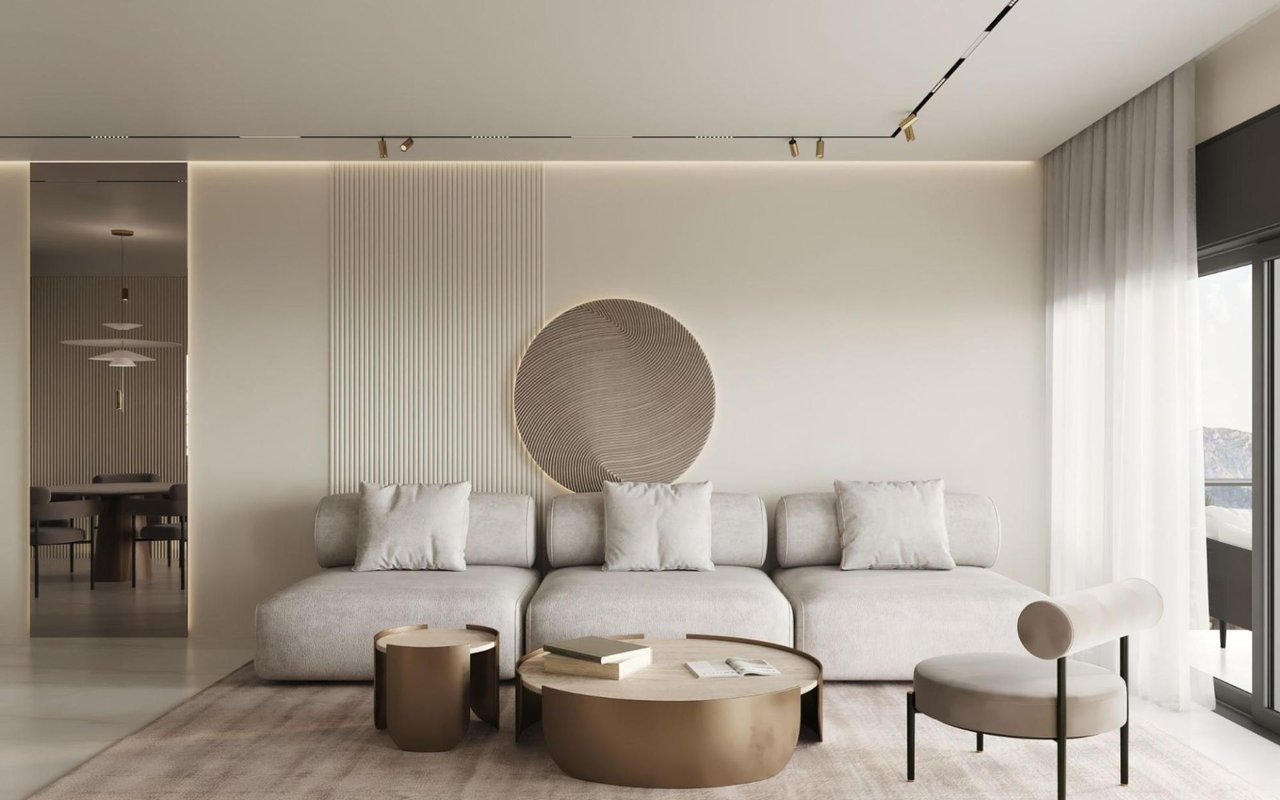
The 2026 Return of "Organic Minimalism"
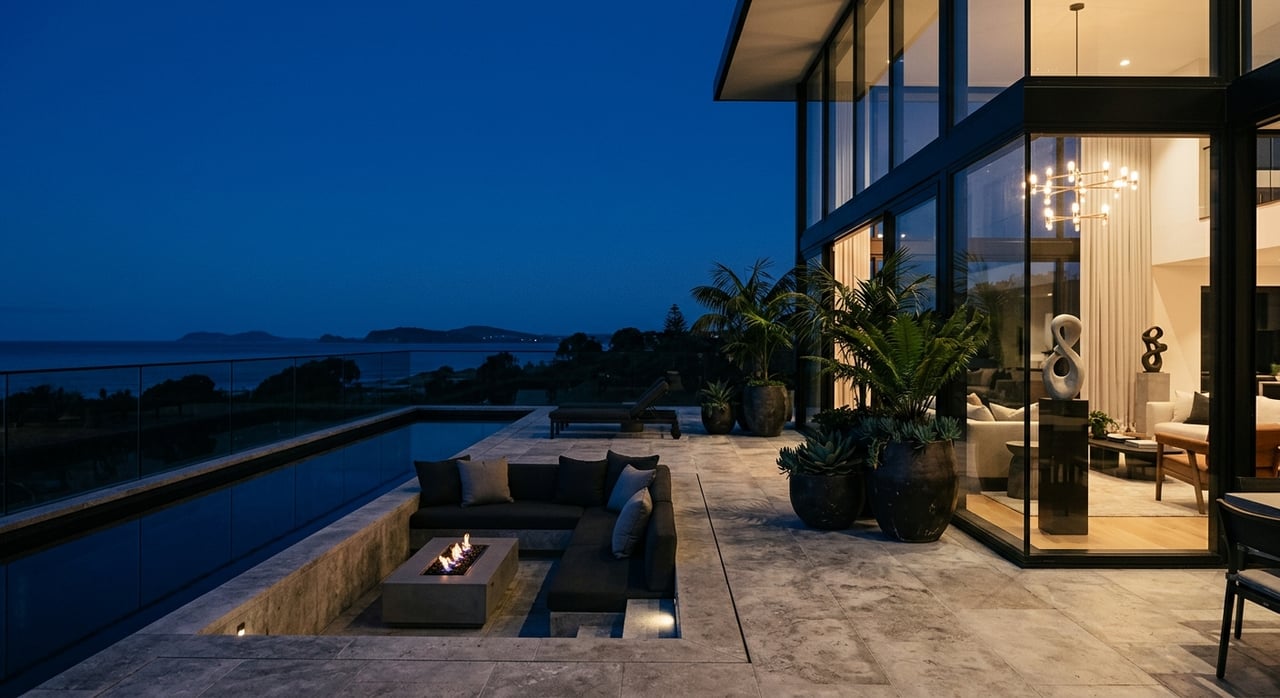
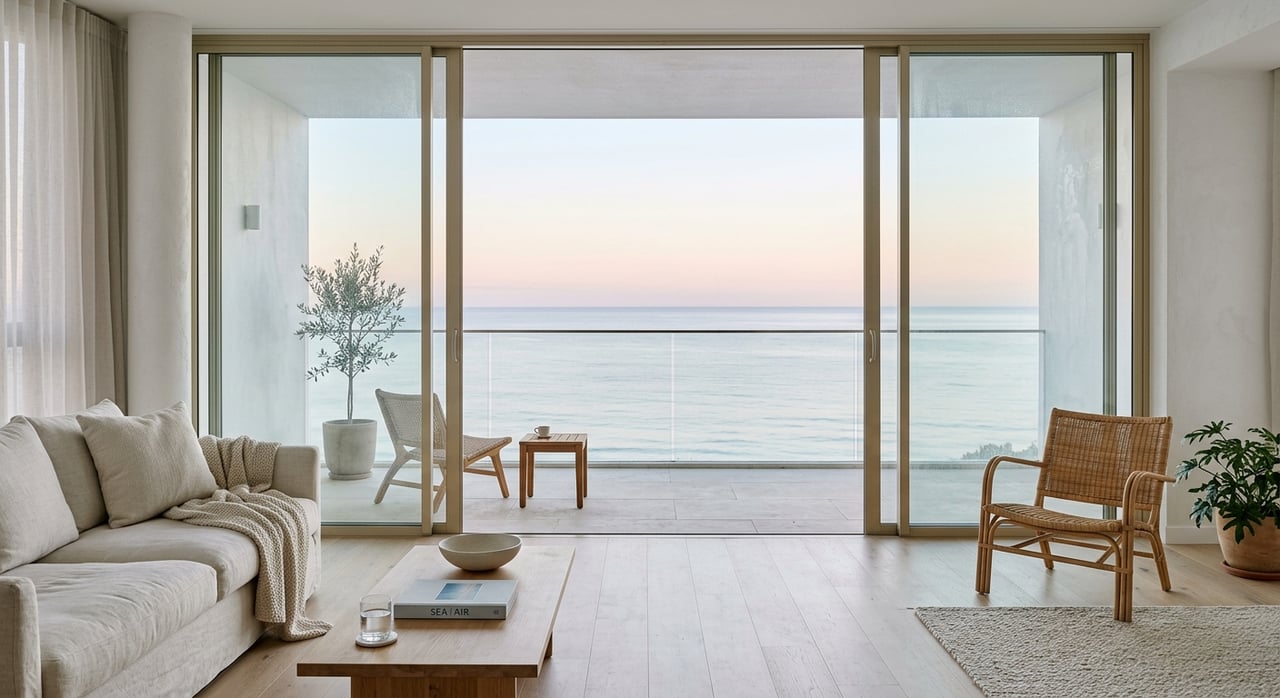
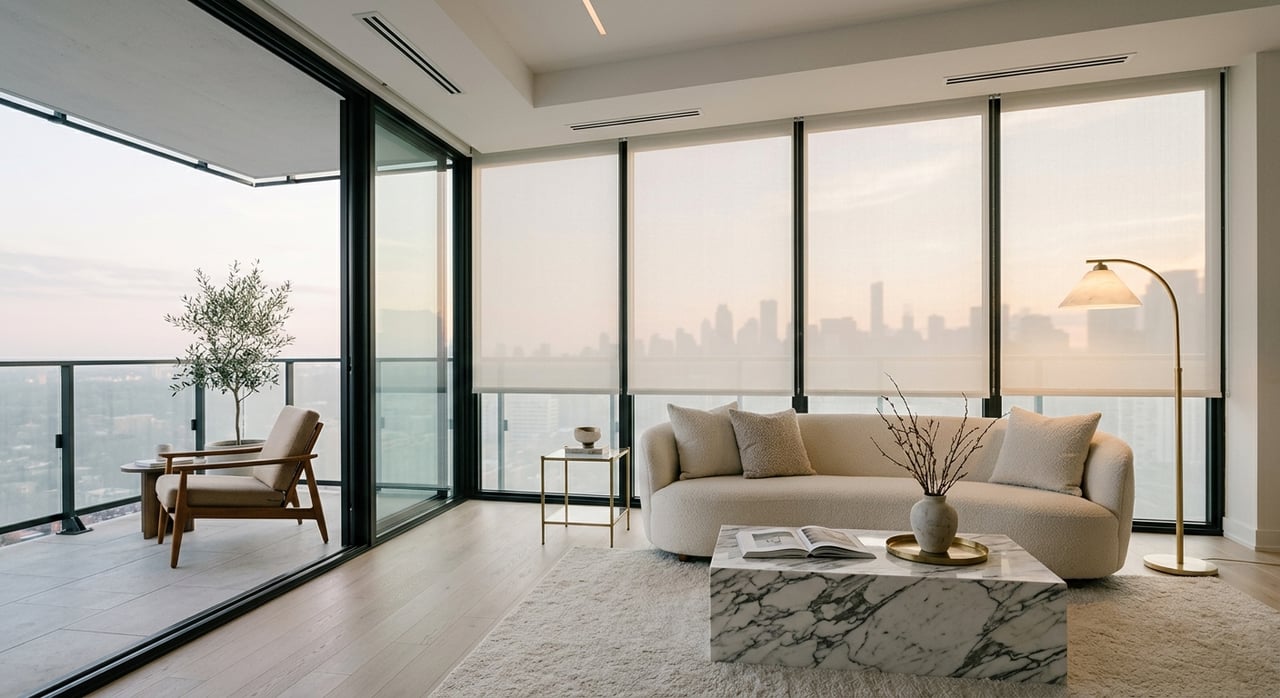
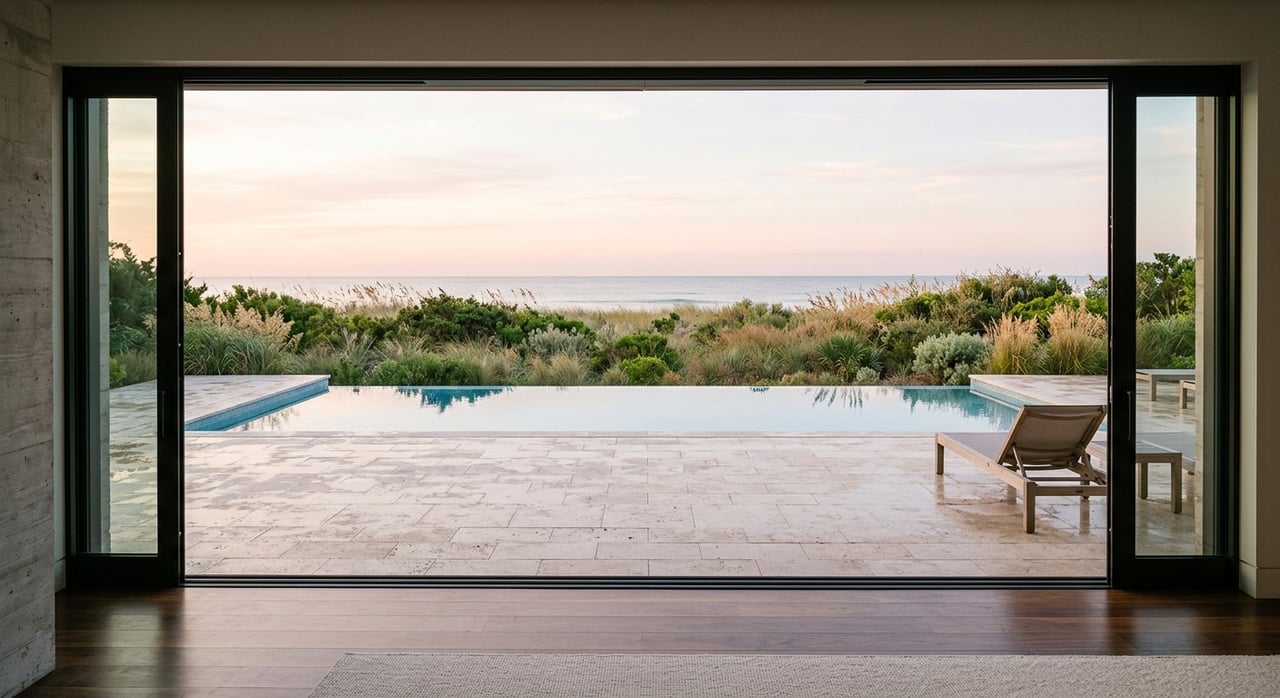
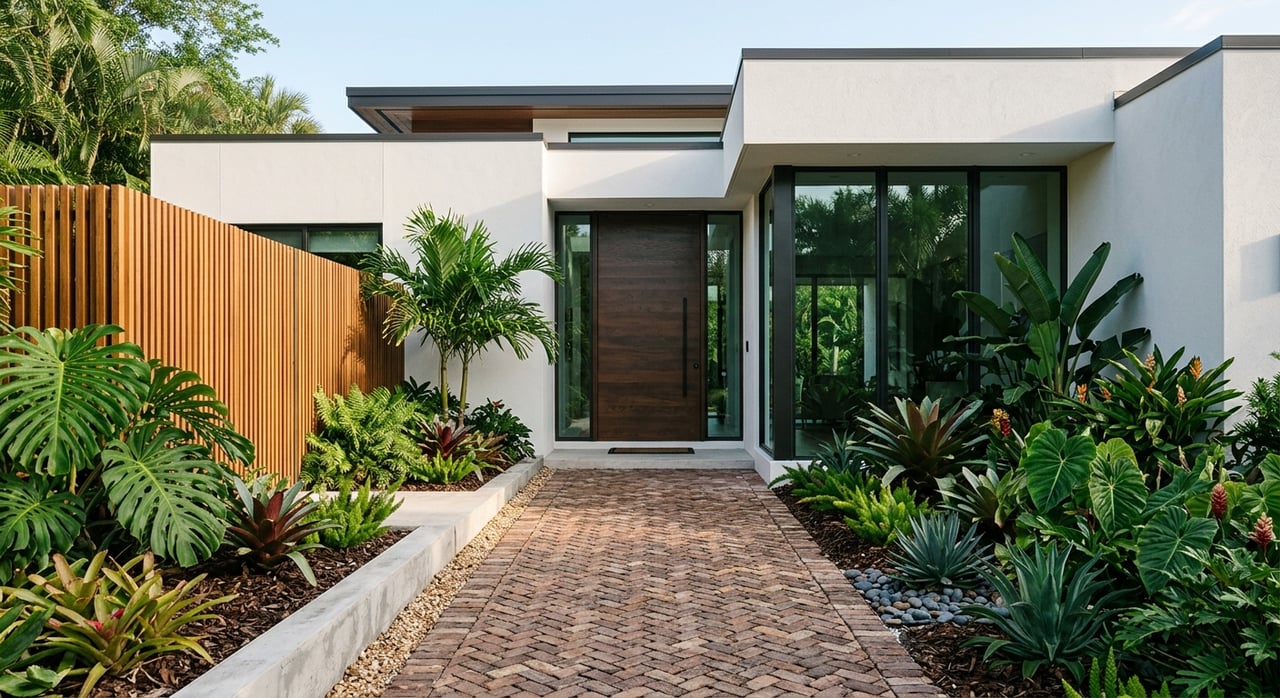
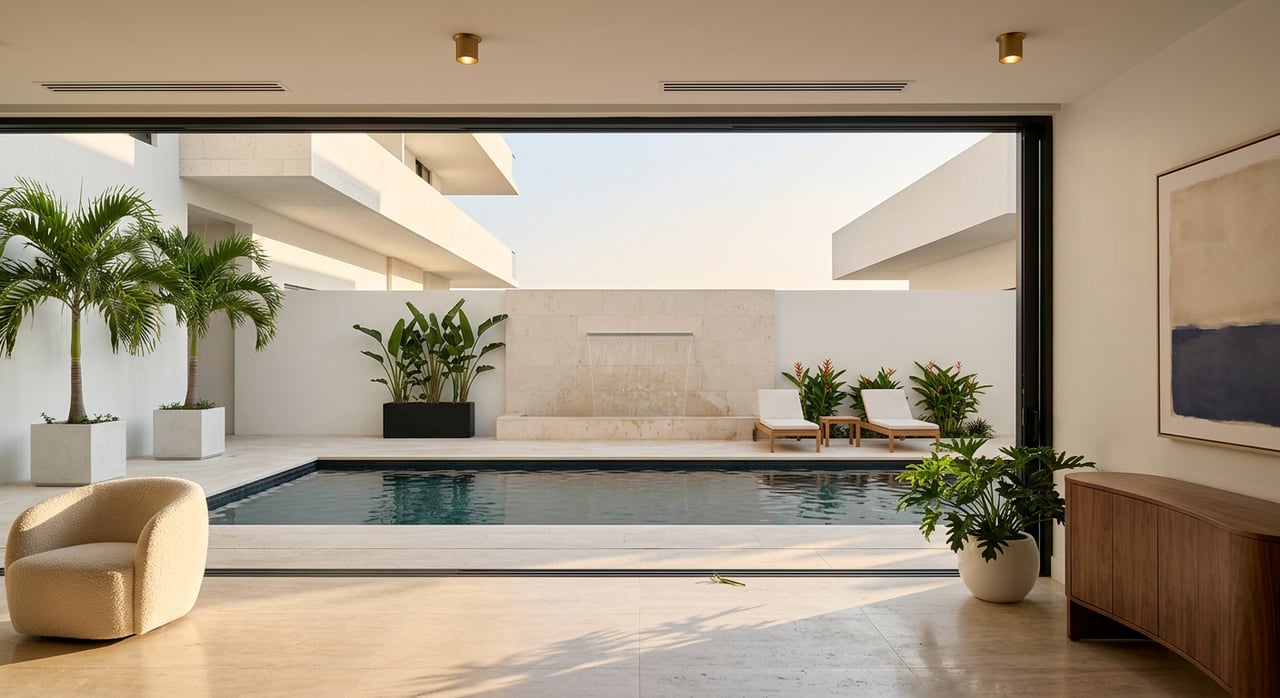
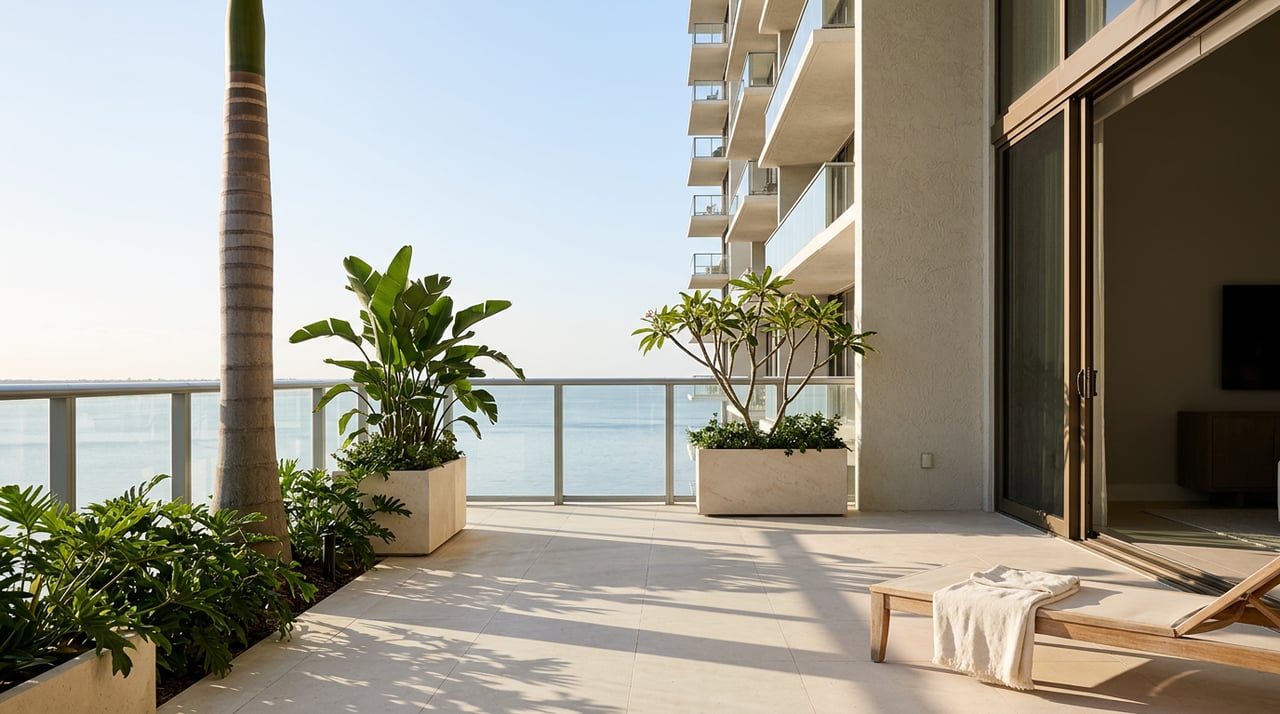
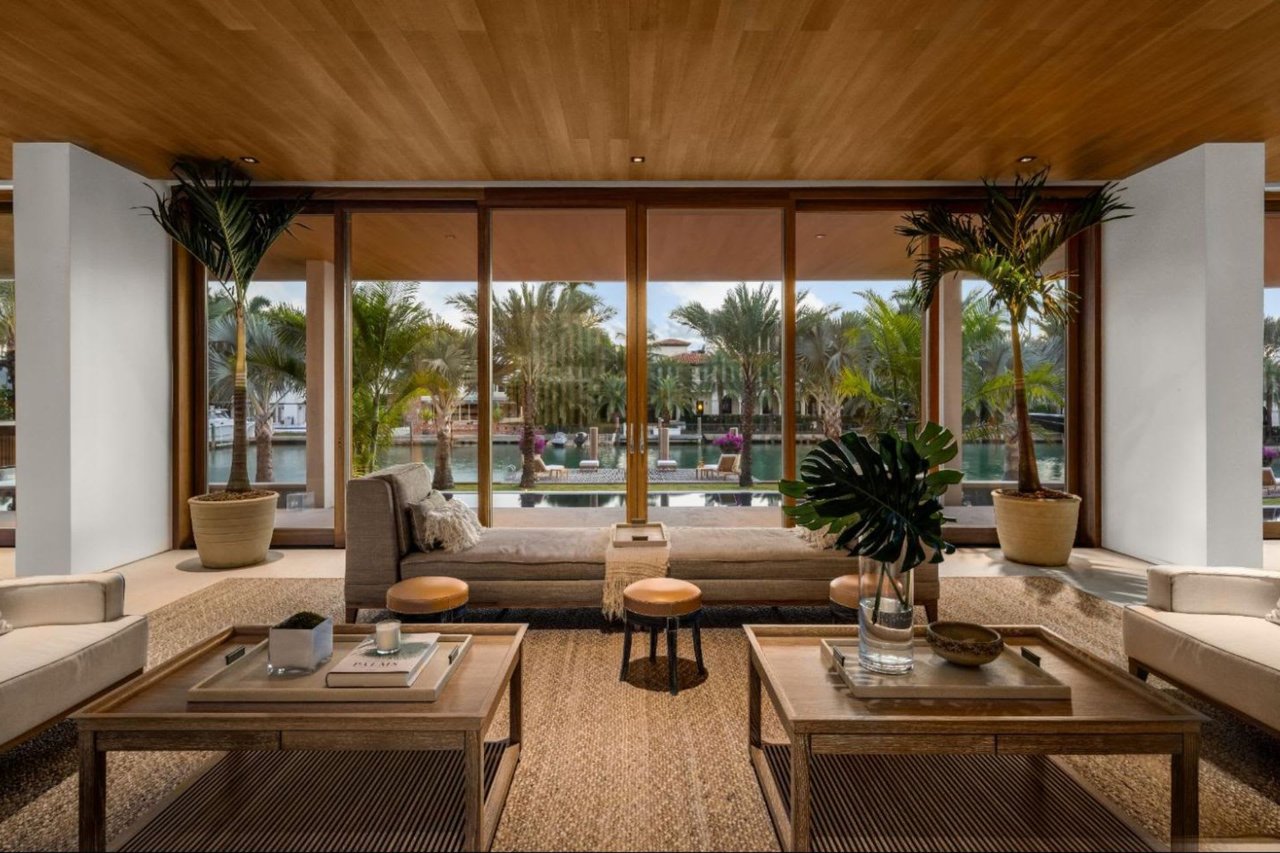
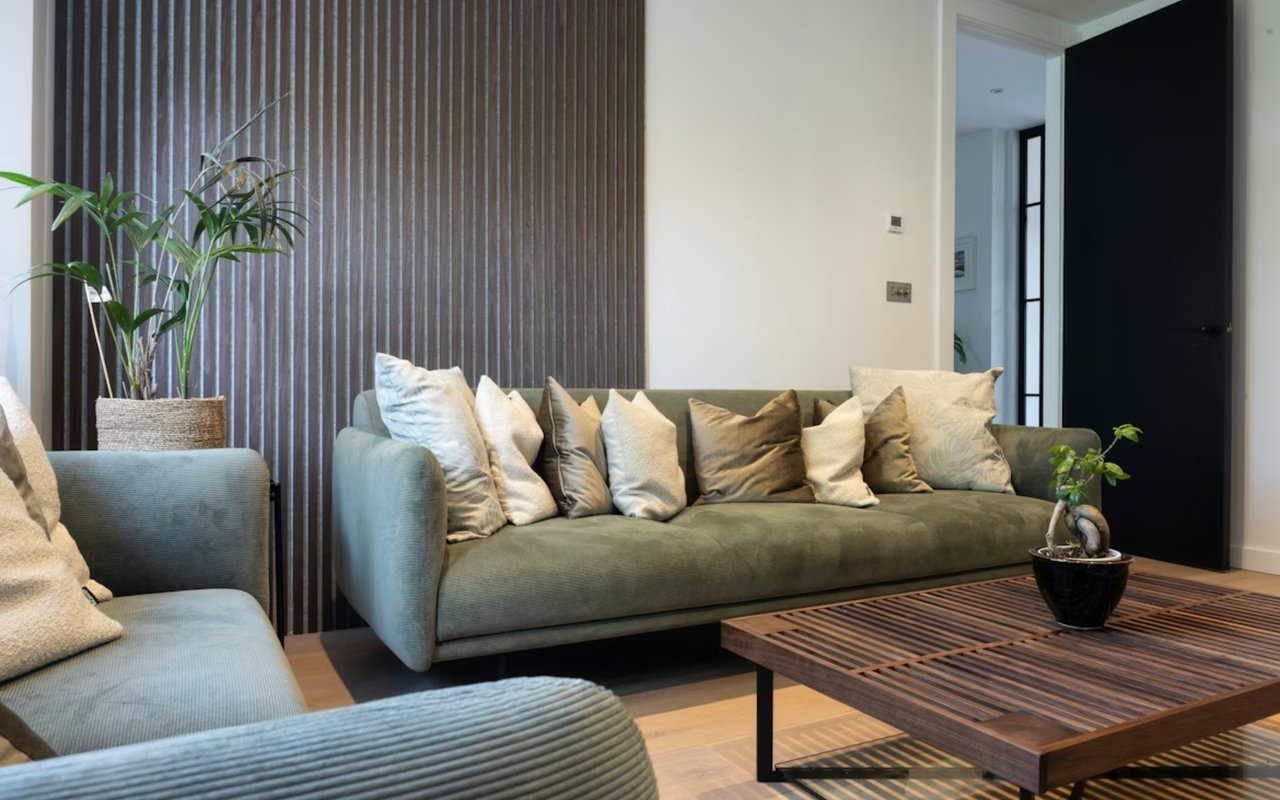
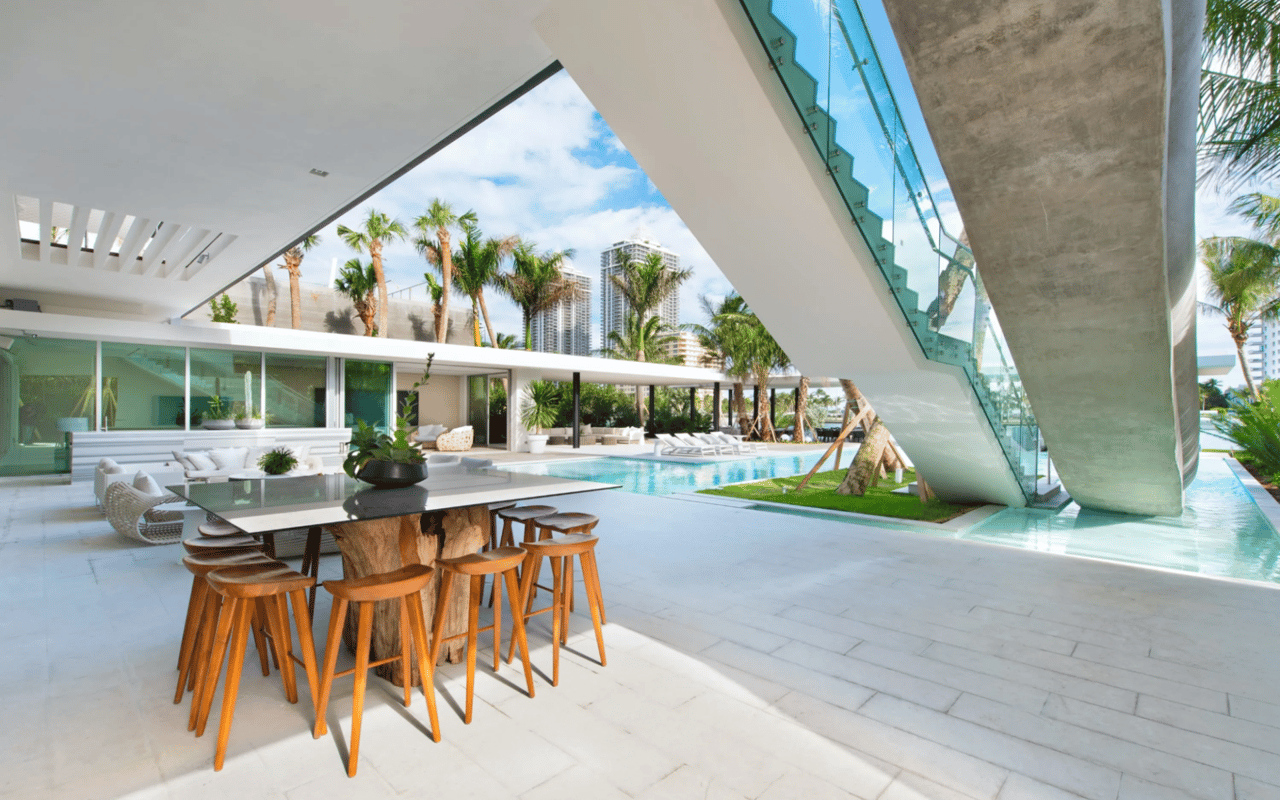
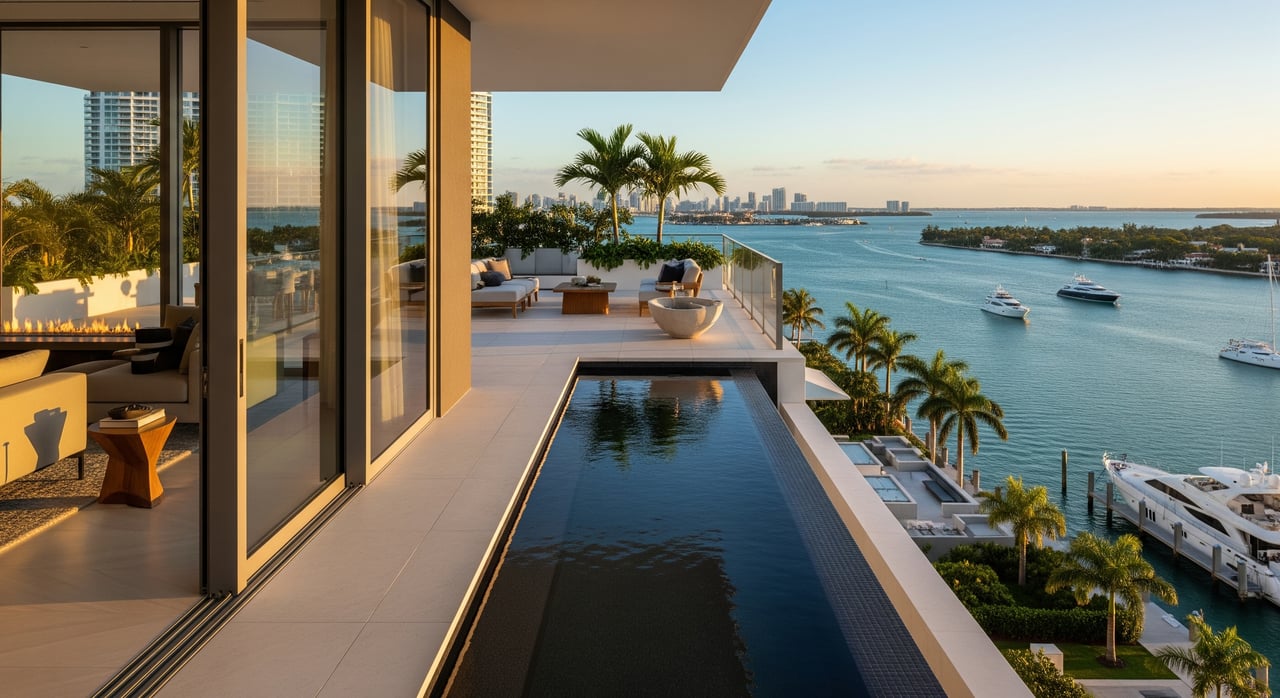
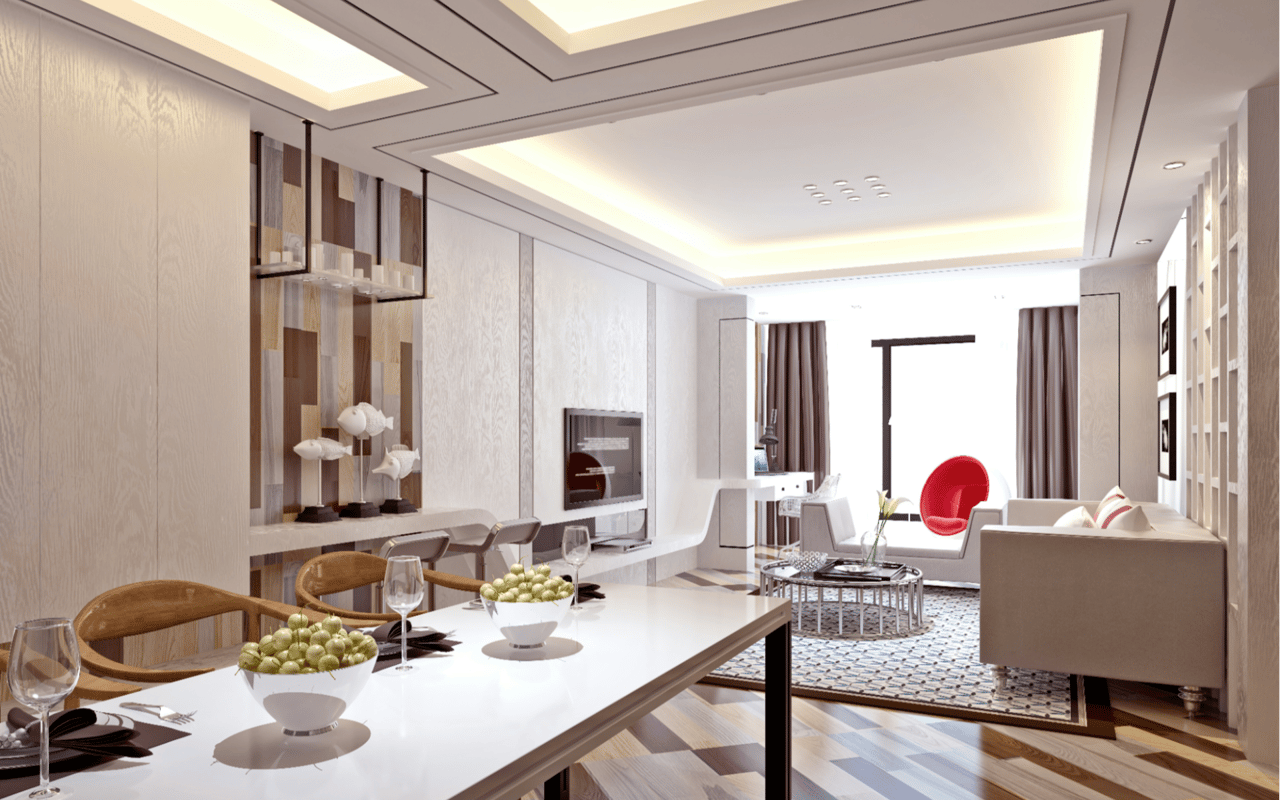
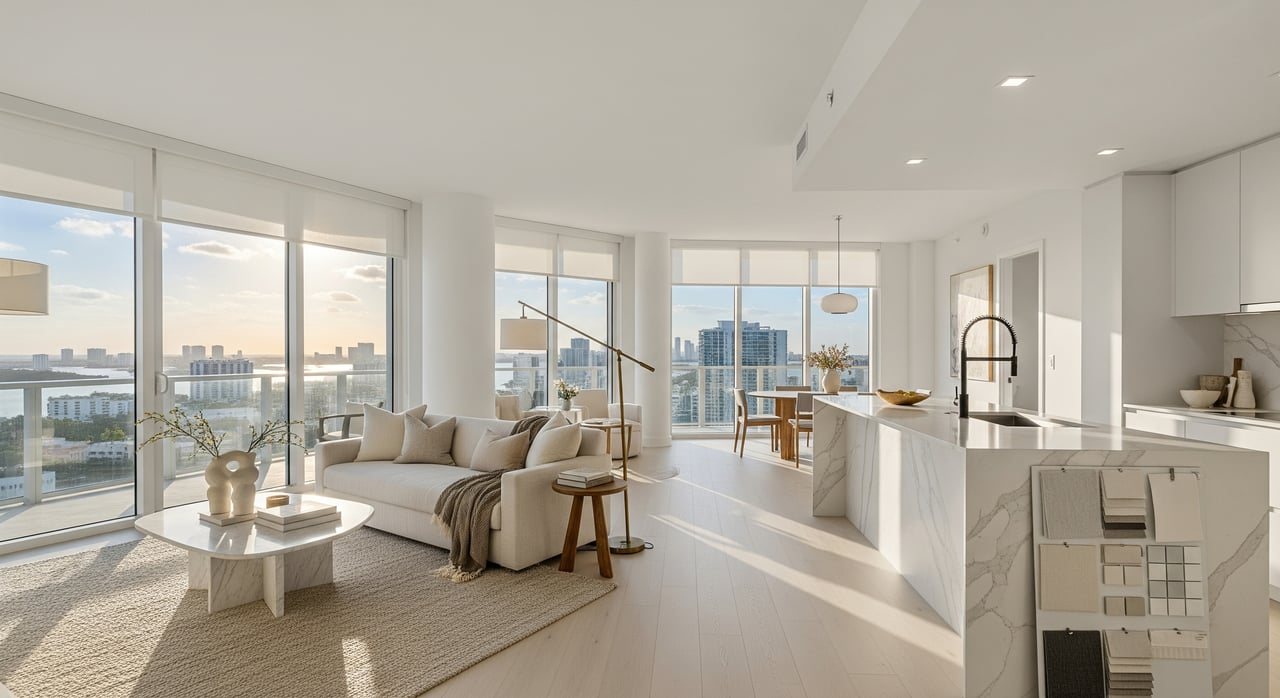
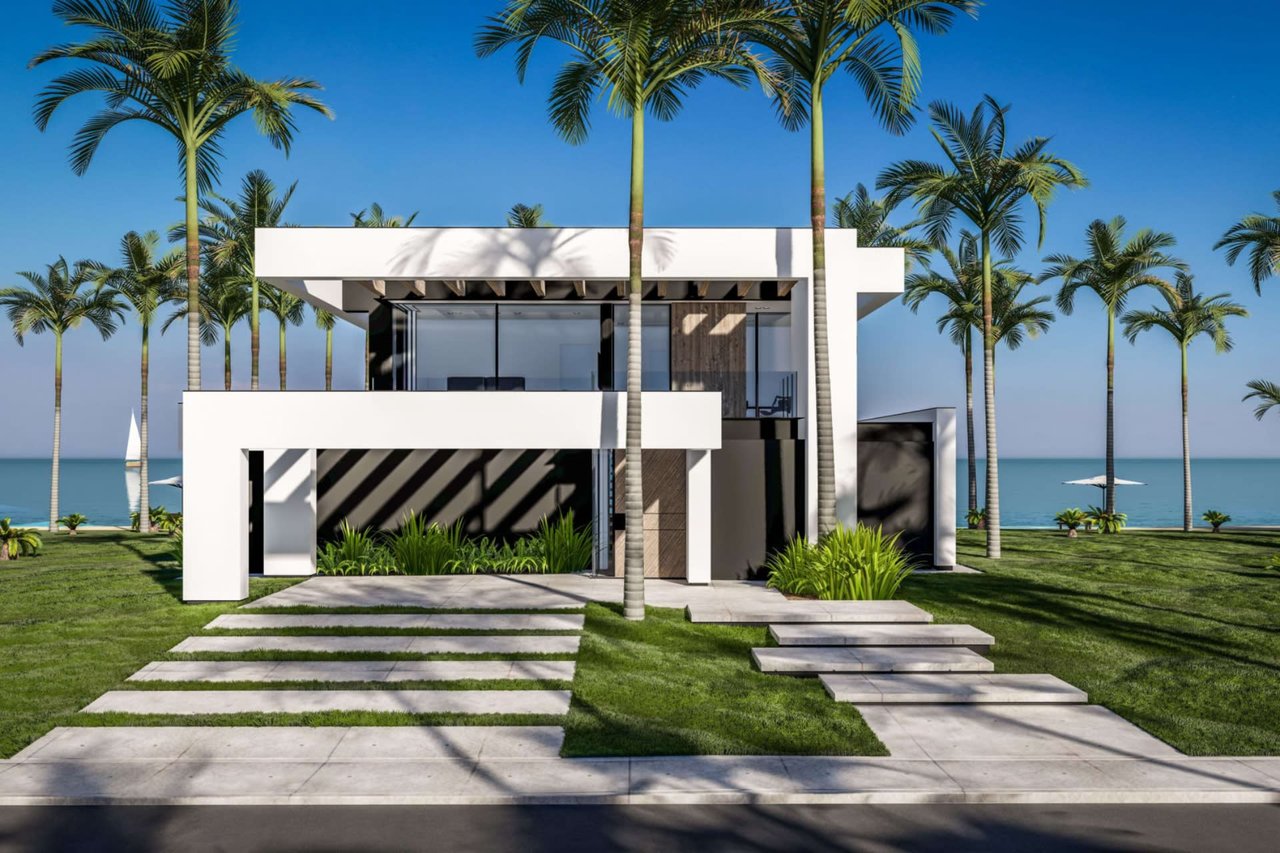
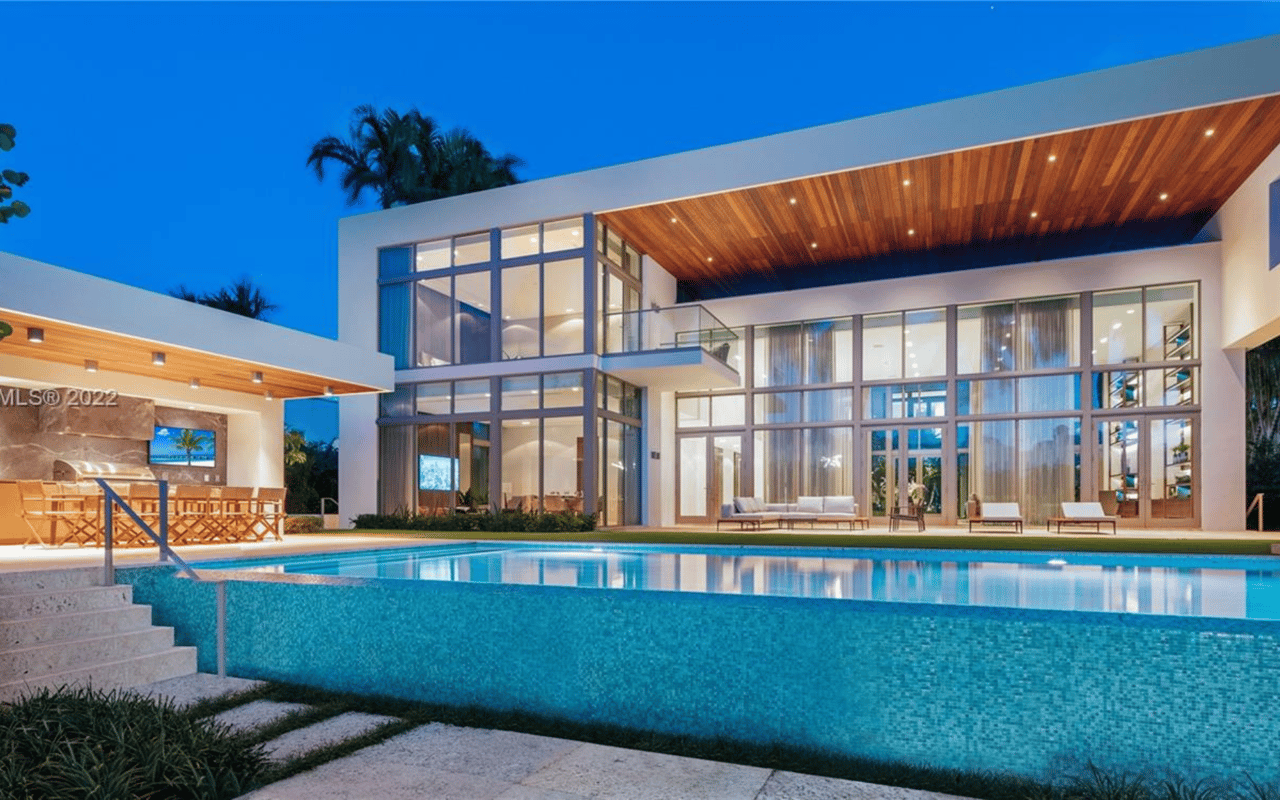
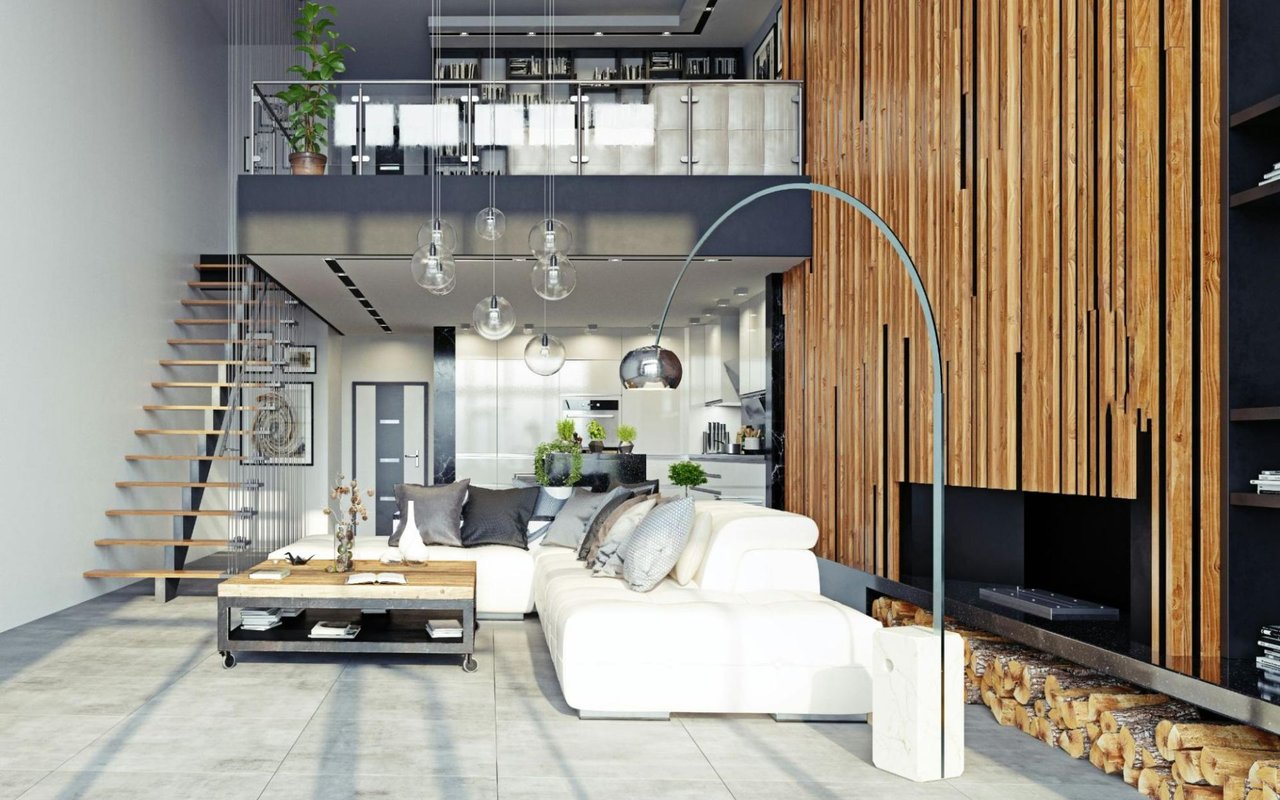
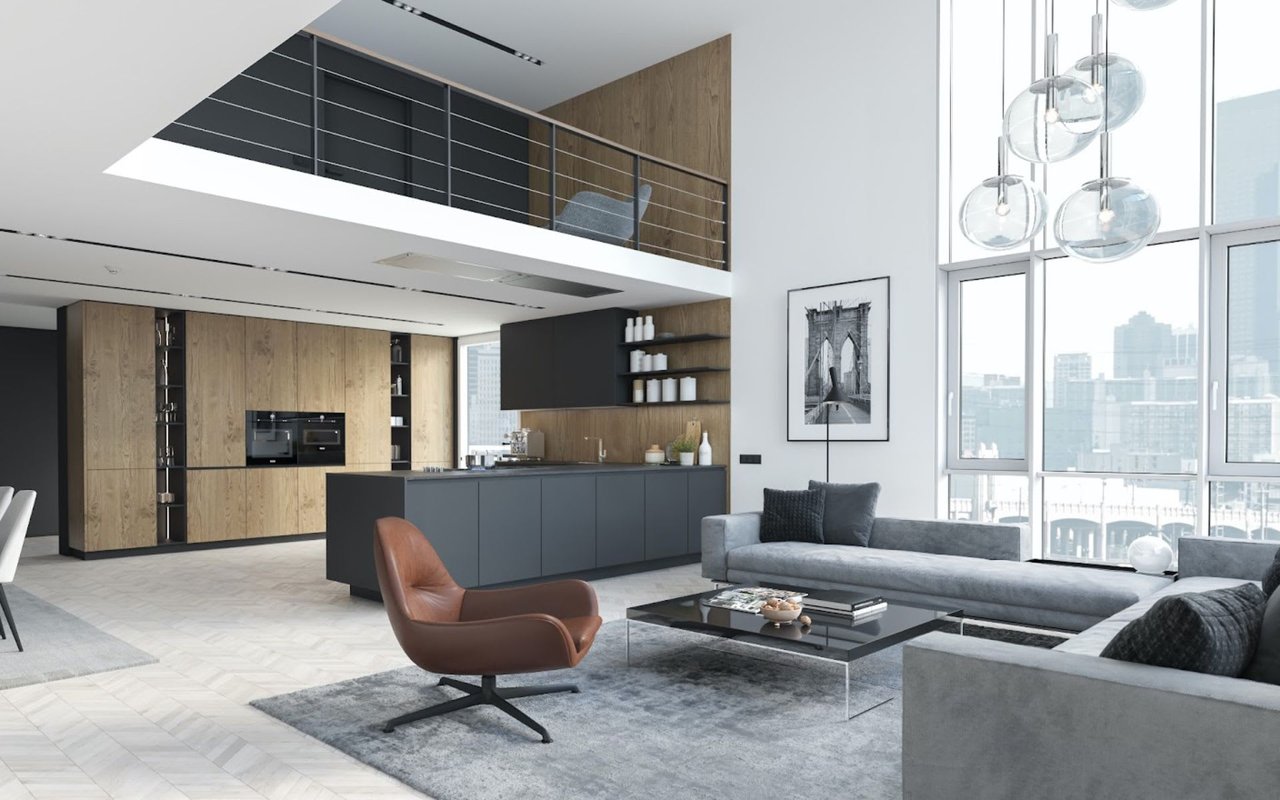
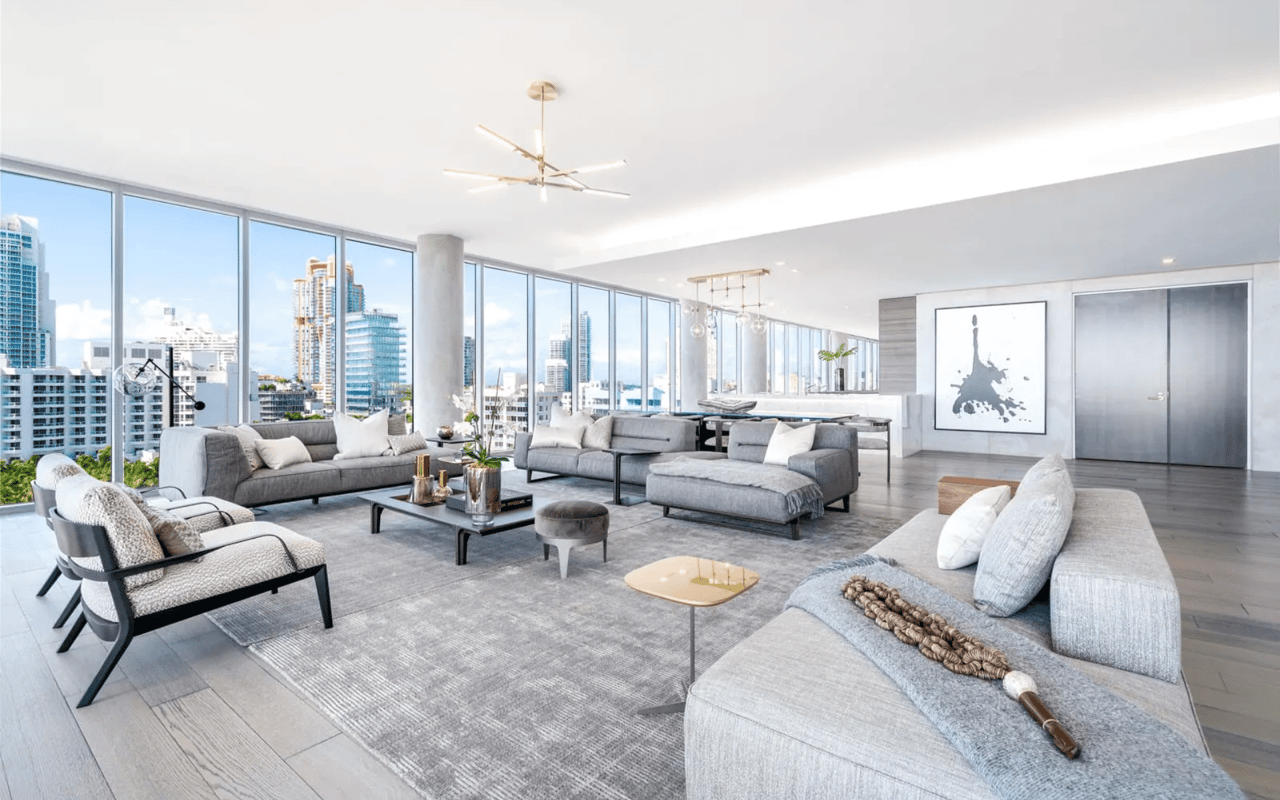
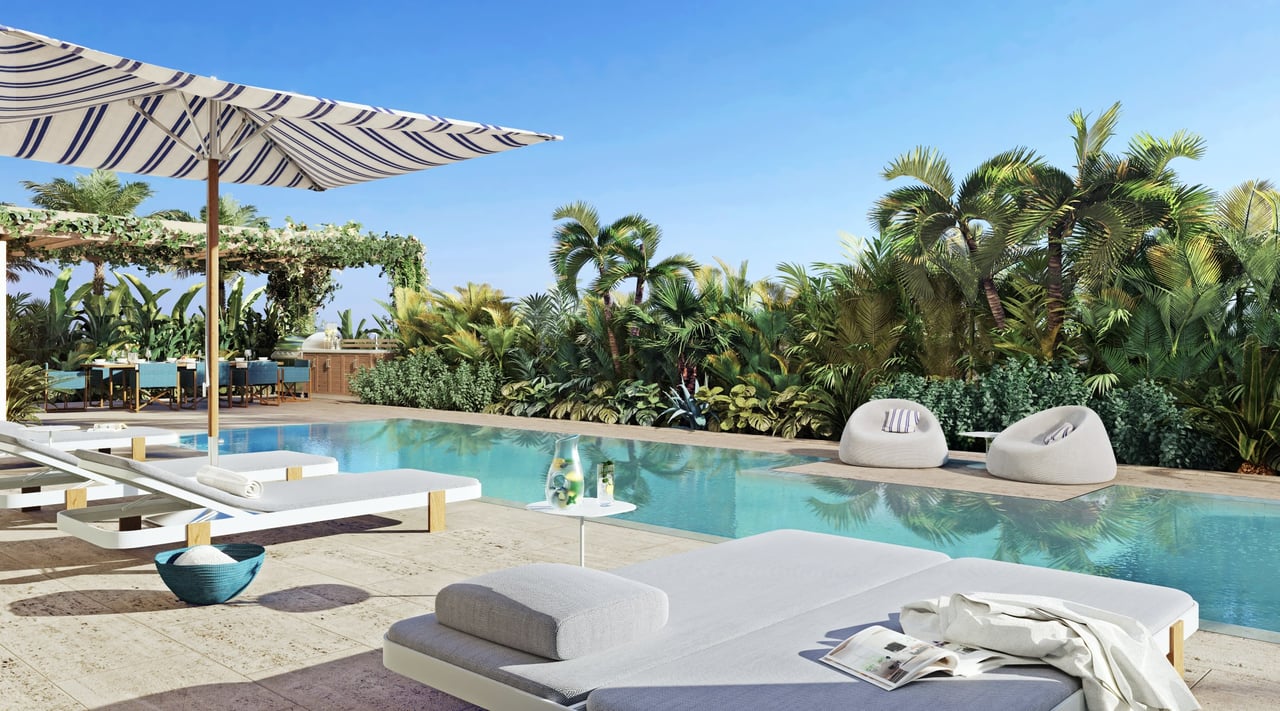
The futuristic spirit of Miami Modern (MiMo) has evolved into the "Organic Minimalism" trend currently dominating 2026 luxury interiors. We are seeing a surge in demand for these "wellness sanctuaries" that blur the lines between nature and structure.
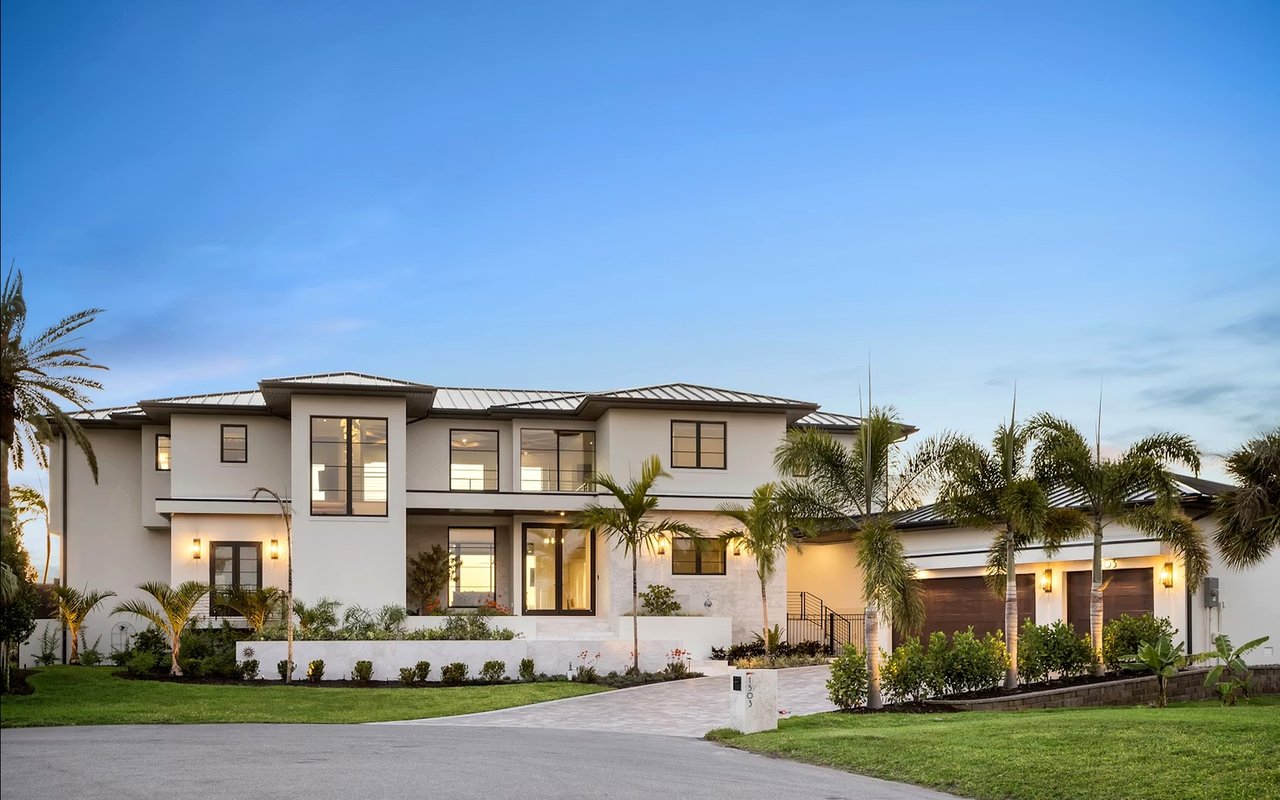
Browse Our 2026 Modern Tropical Collection →Bahamian or Conch
If you find yourself on Charles Avenue, chances are you’ll notice a lot of buildings in the Bahamian or Conch architecture style. This style is prevalent in the Overtown area of Miami. The most distinguishing attributes of these homes are the balustraded front porches and that they are raised on wood posts or piers at the foundation, which allows for ventilation beneath the house.
Bungalow
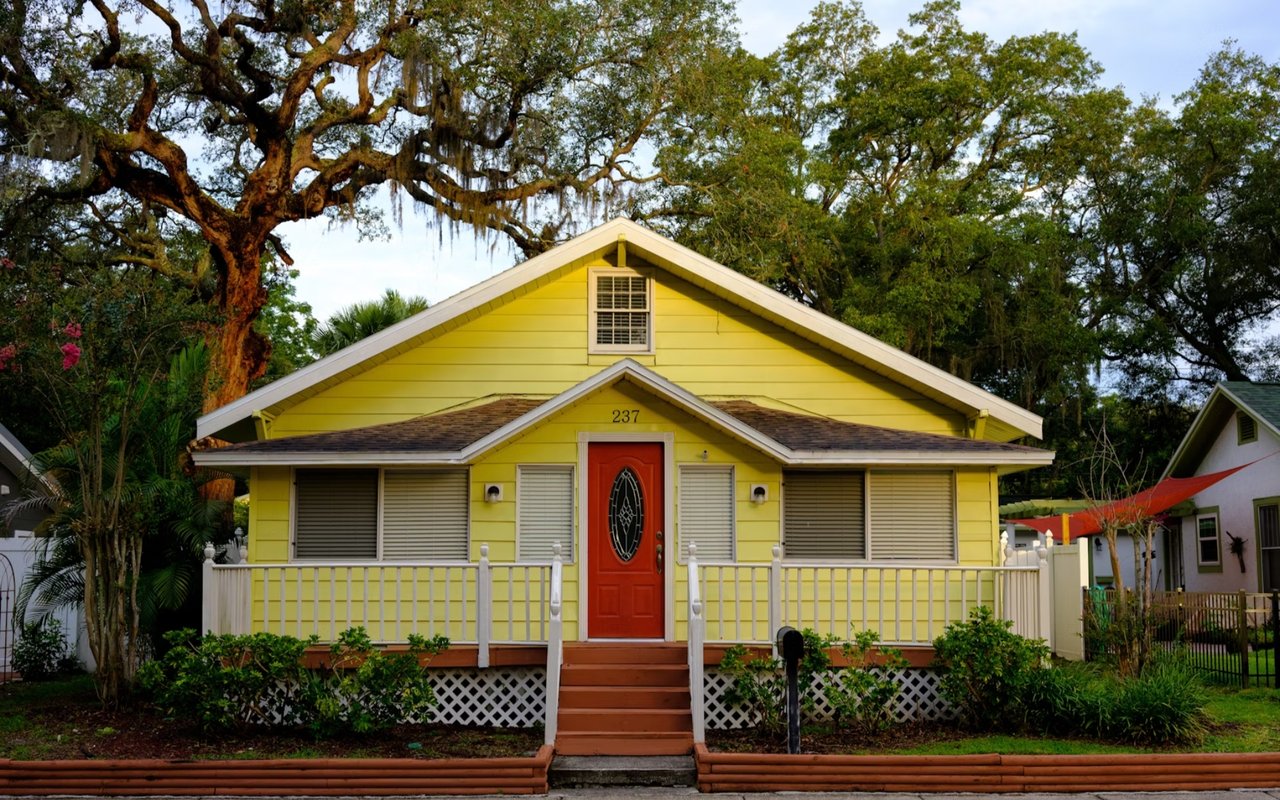
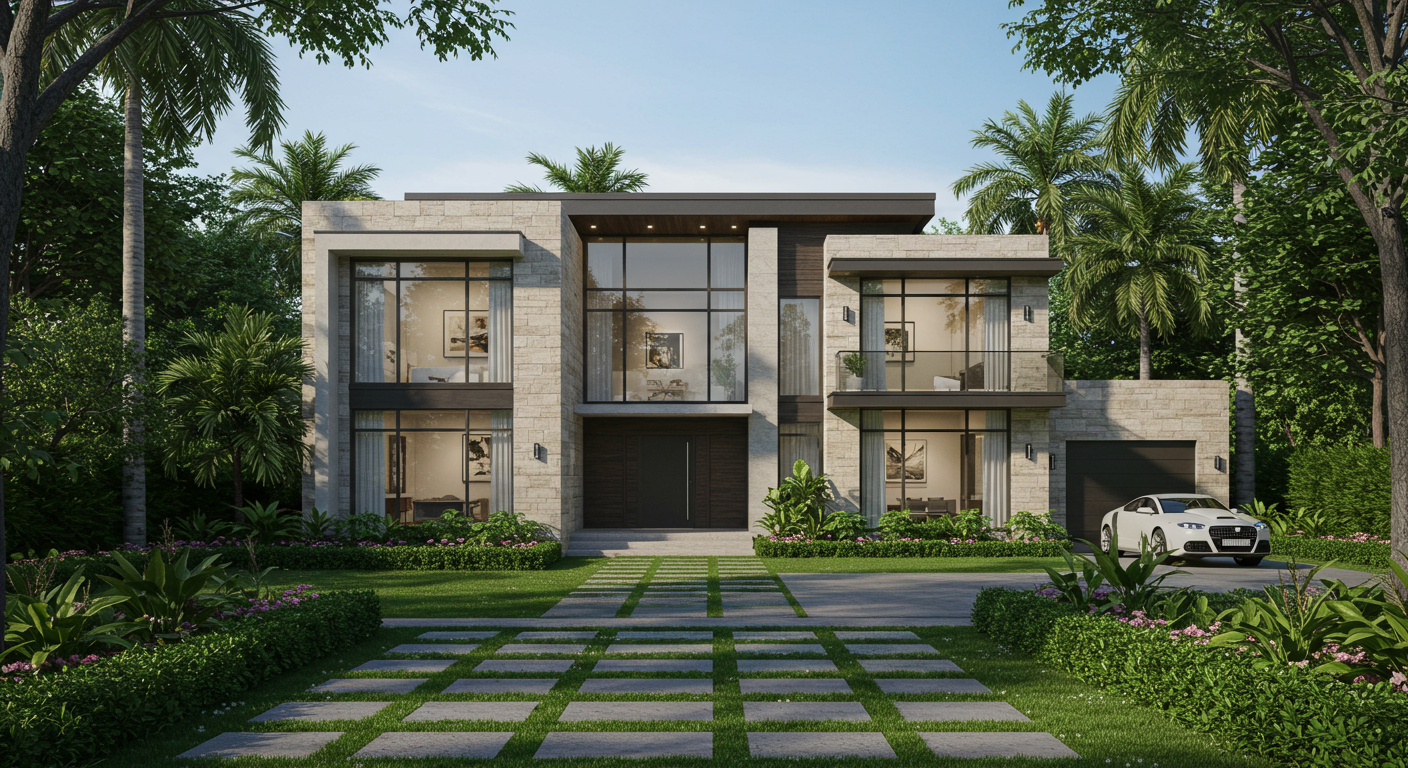
In residential areas of Miami Beach, you’ll see bungalows, a style that was in fashion during the 1910s-1930s. These homes are typically one story or one-and-a-half stories tall with oolitic limestone chimneys. While simple in construction, these wood-frame houses are fitted for the climate of this area by incorporating attic vents for extra ventilation and roofs with overhanging eaves for added shade.
Frame Vernacular
Frame Vernacular architecture refers to wood-framed rectangular buildings that are one or two stories tall and have little ornamentation. Examples of important Frame Vernacular buildings in Miami Beach are The Barnacle and the William Wagner House. Completed in 1858, the Wagner house is the oldest known house in Miami-Dade County.
Masonry Vernacular
According to the Historic Preservation program of Miami, “Masonry Vernacular style commercial buildings, generally two stories in height, have simple rectilinear plans, parapets, and arcades.” The three types of masonry used in Miami are hollow clay tile, oolitic limestone, and concrete block. Oolitic limestone is quarried in south Miami-Dade County and is one of the most utilized materials in local construction.
Neoclassical
Neoclassical buildings in Miami Beach are mostly influenced by Greek architecture, which is evidenced in the windows and doorways spanned by lintels. Neoclassical architecture came to the United States by way of the World’s Columbian Exposition of 1893. From that time to the 1940s, many buildings in Miami Beach were built in this style, such as the Dade County Courthouse and the City National Bank Building.