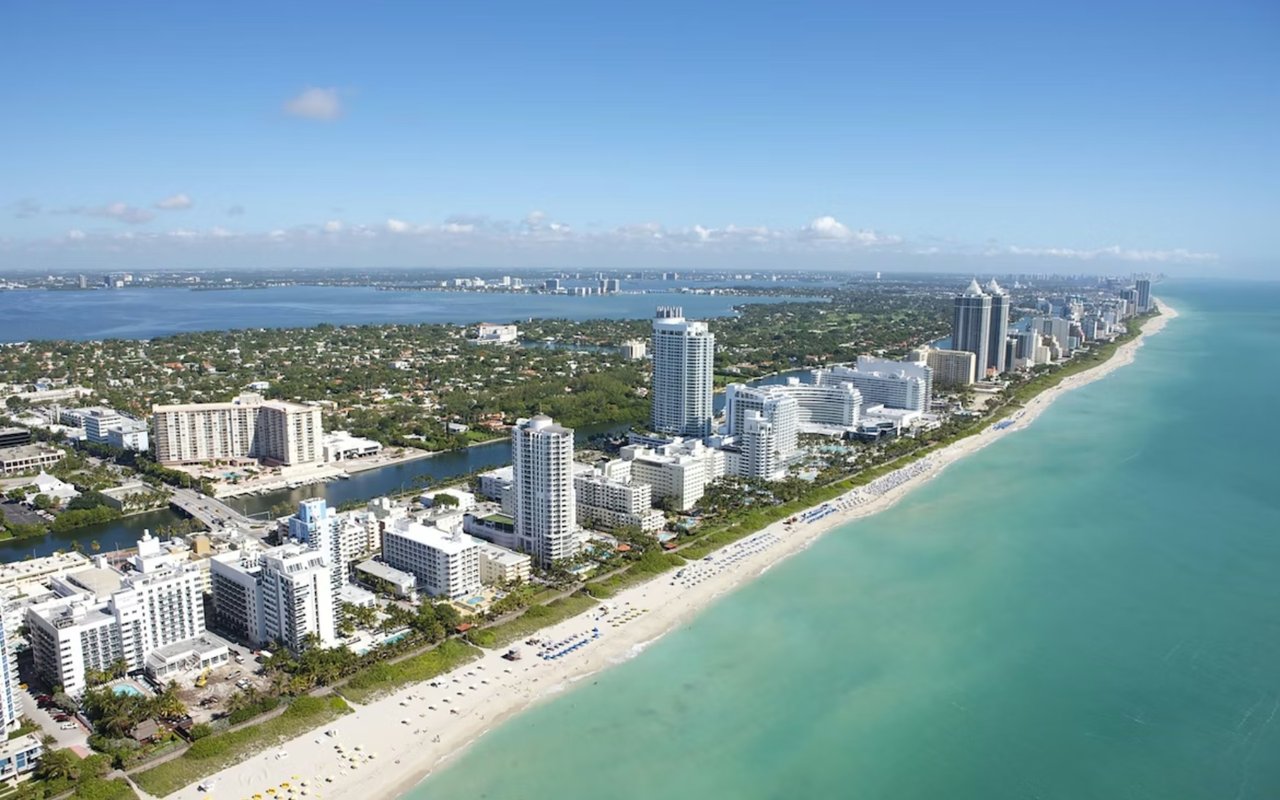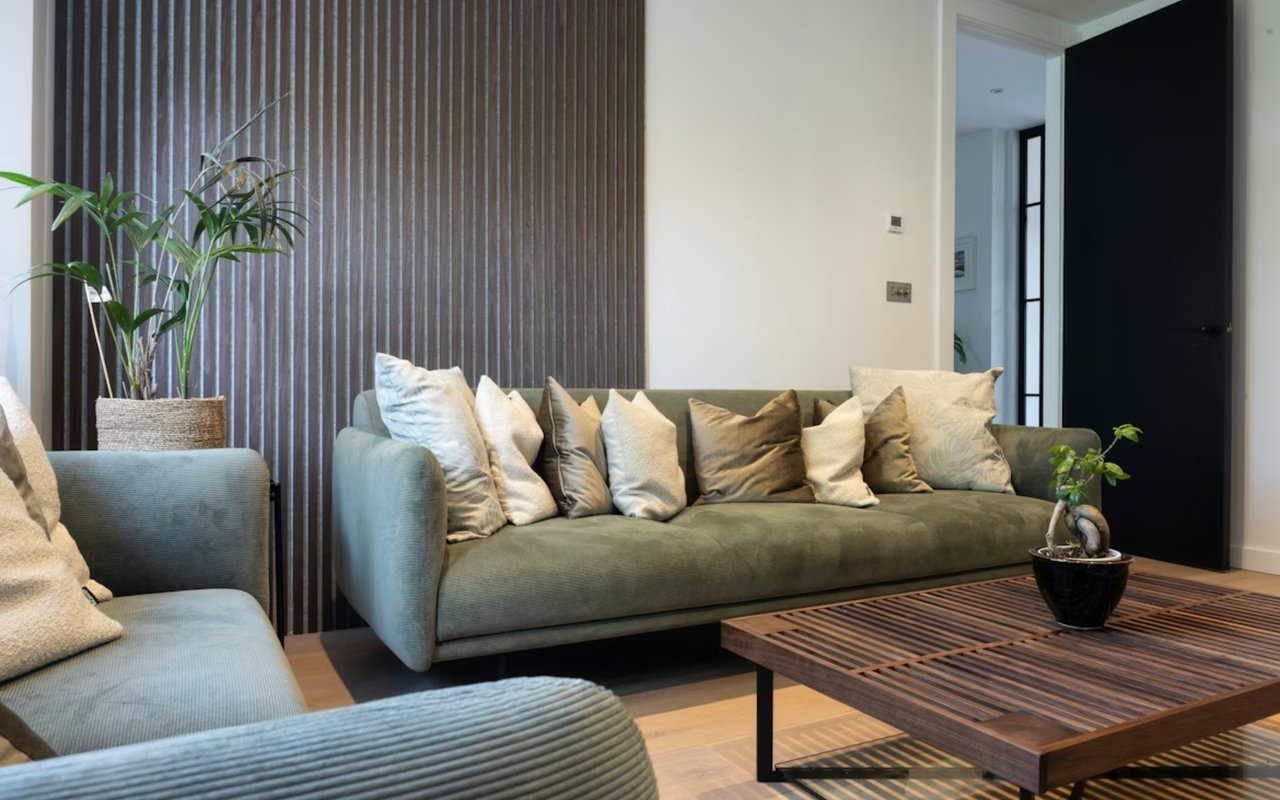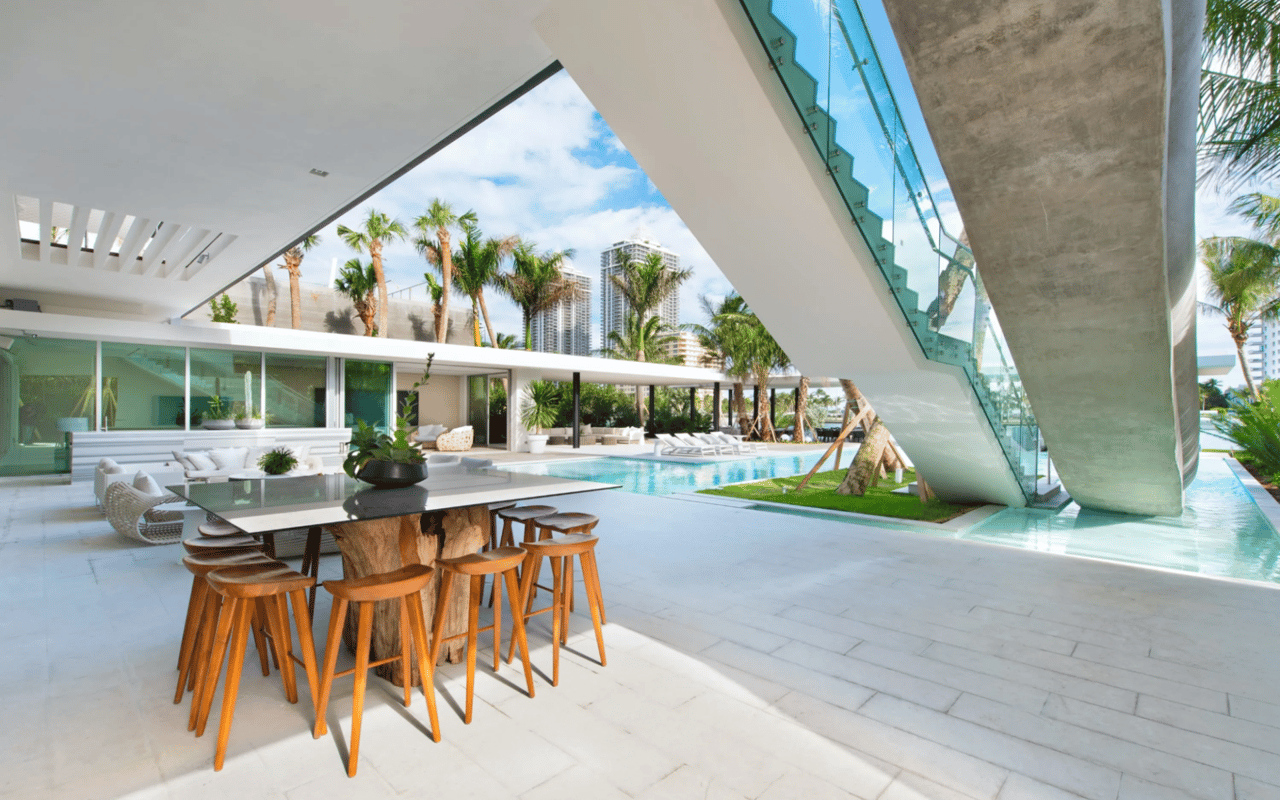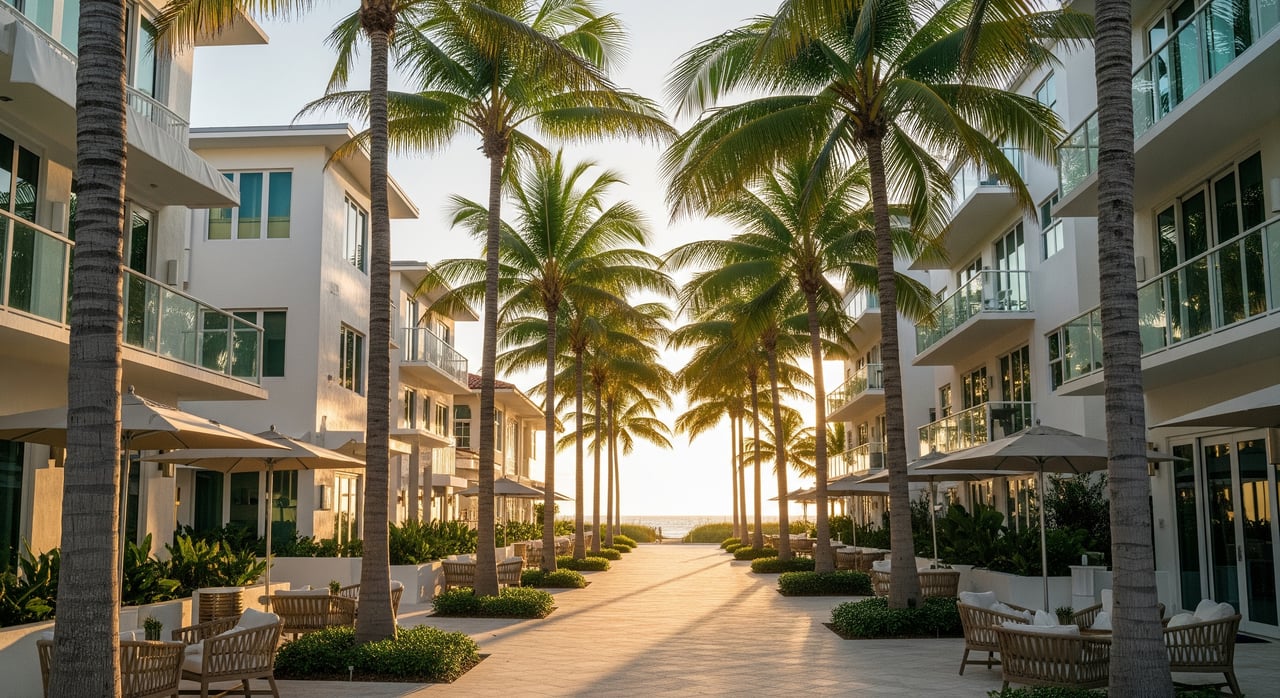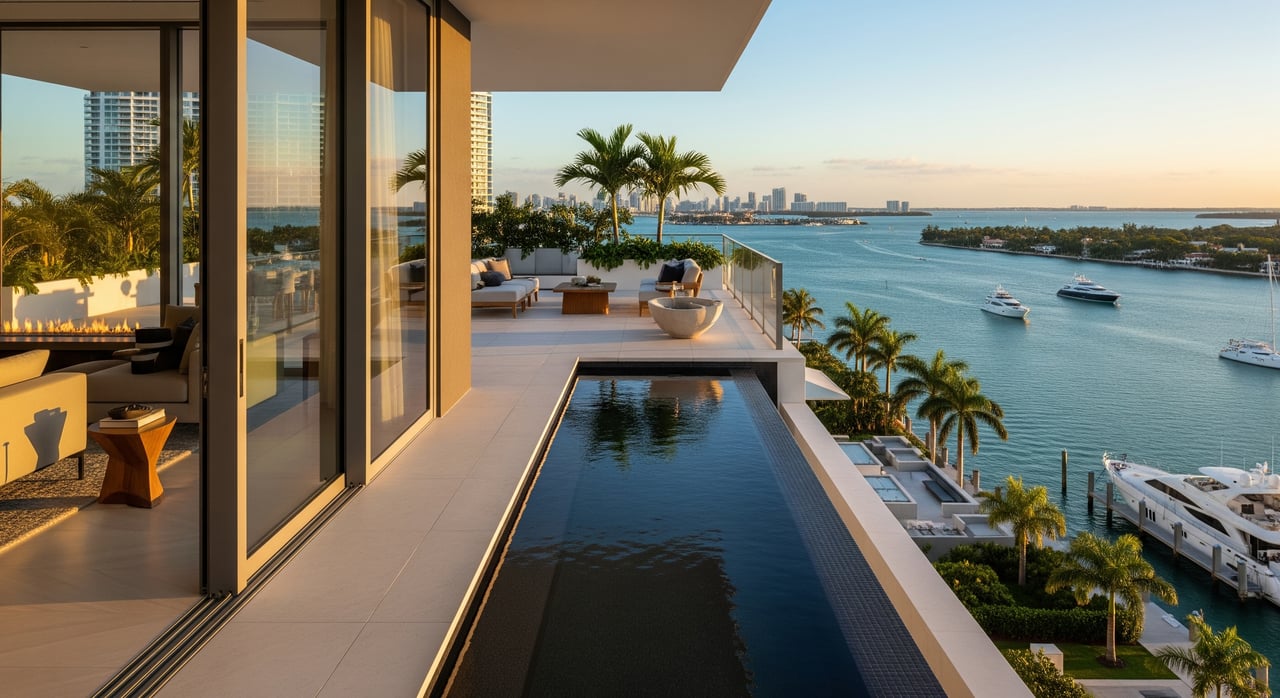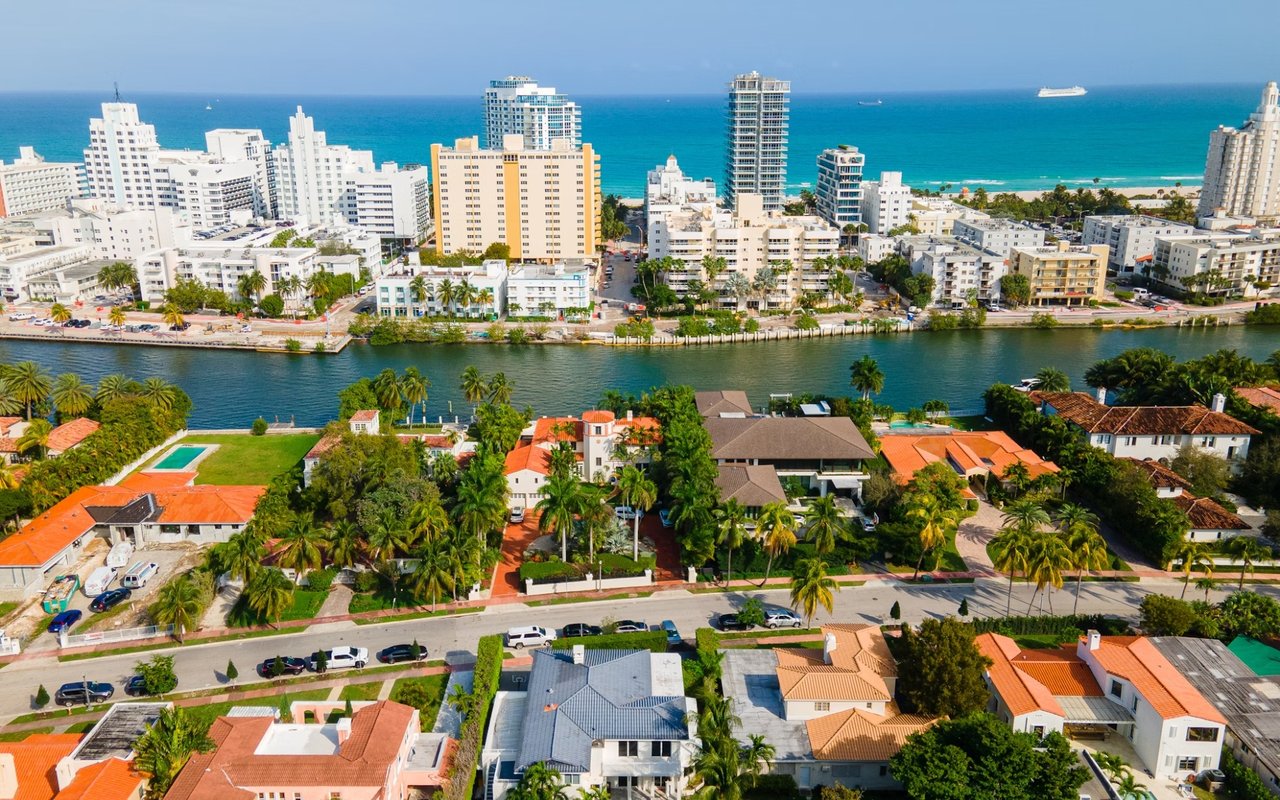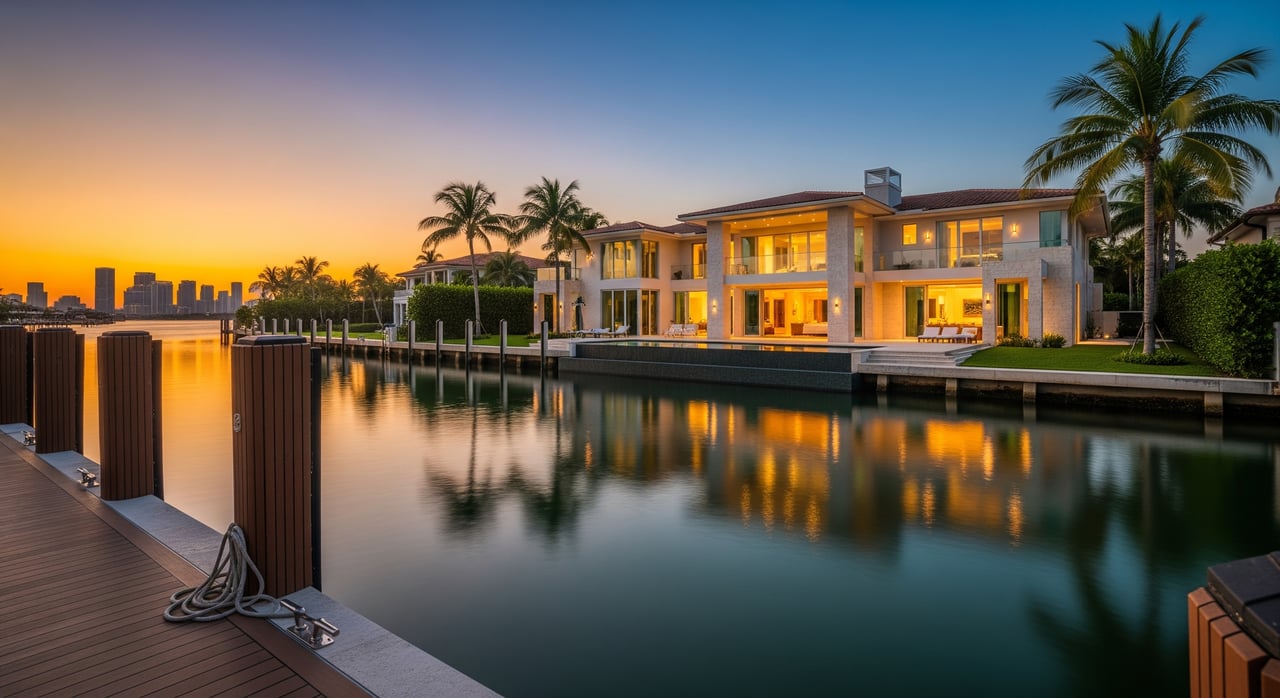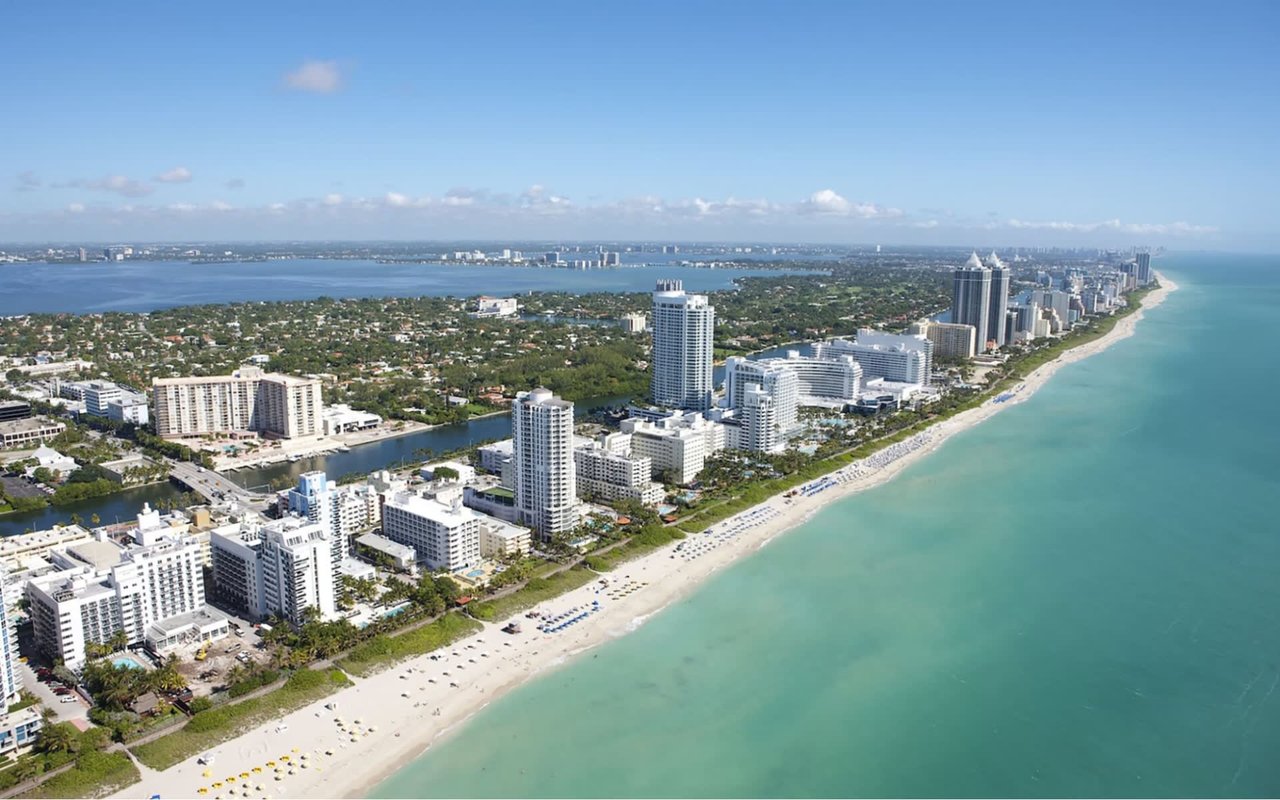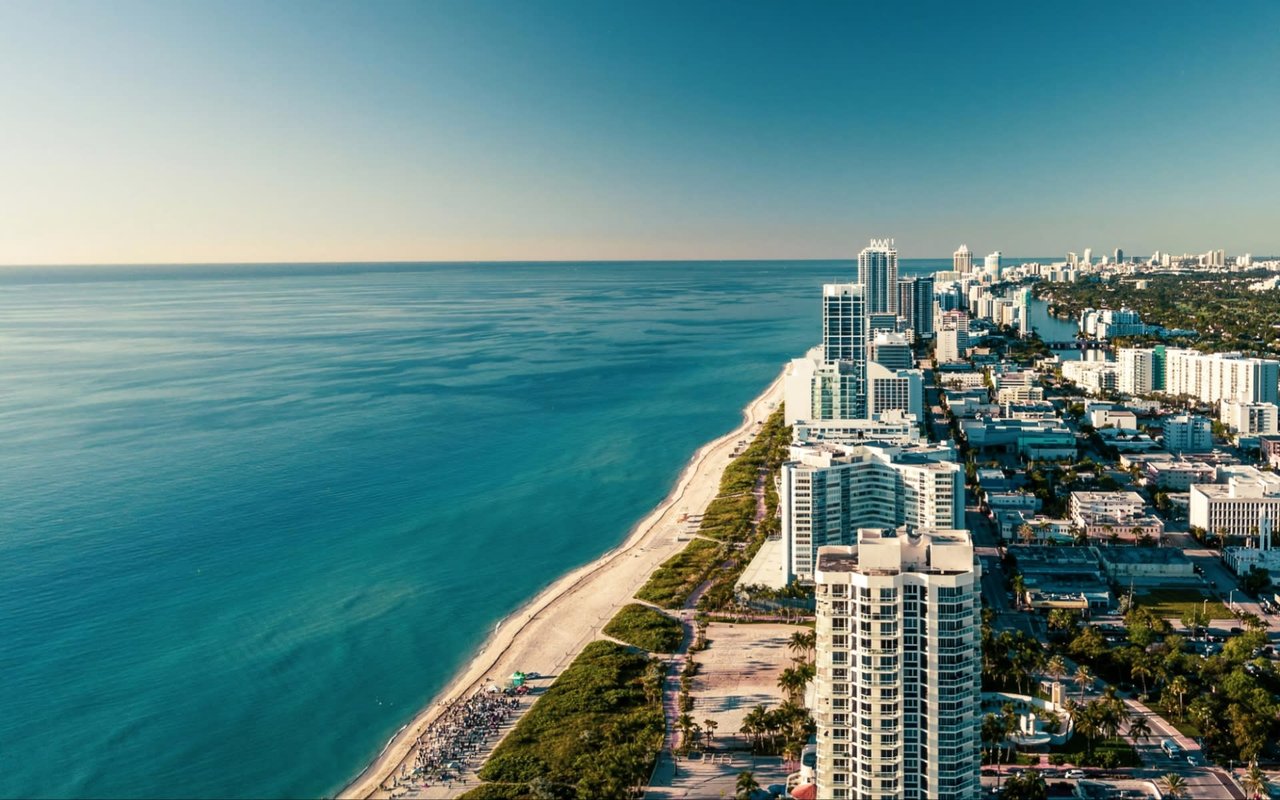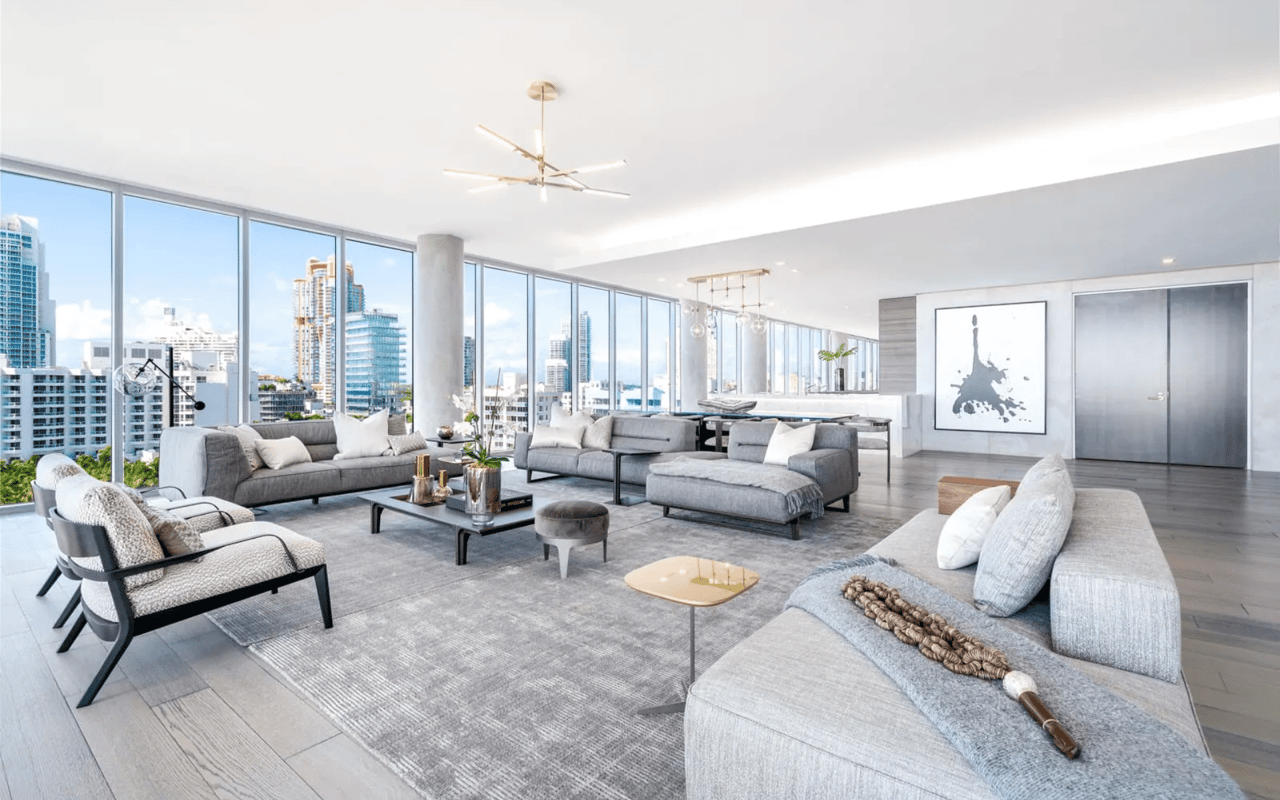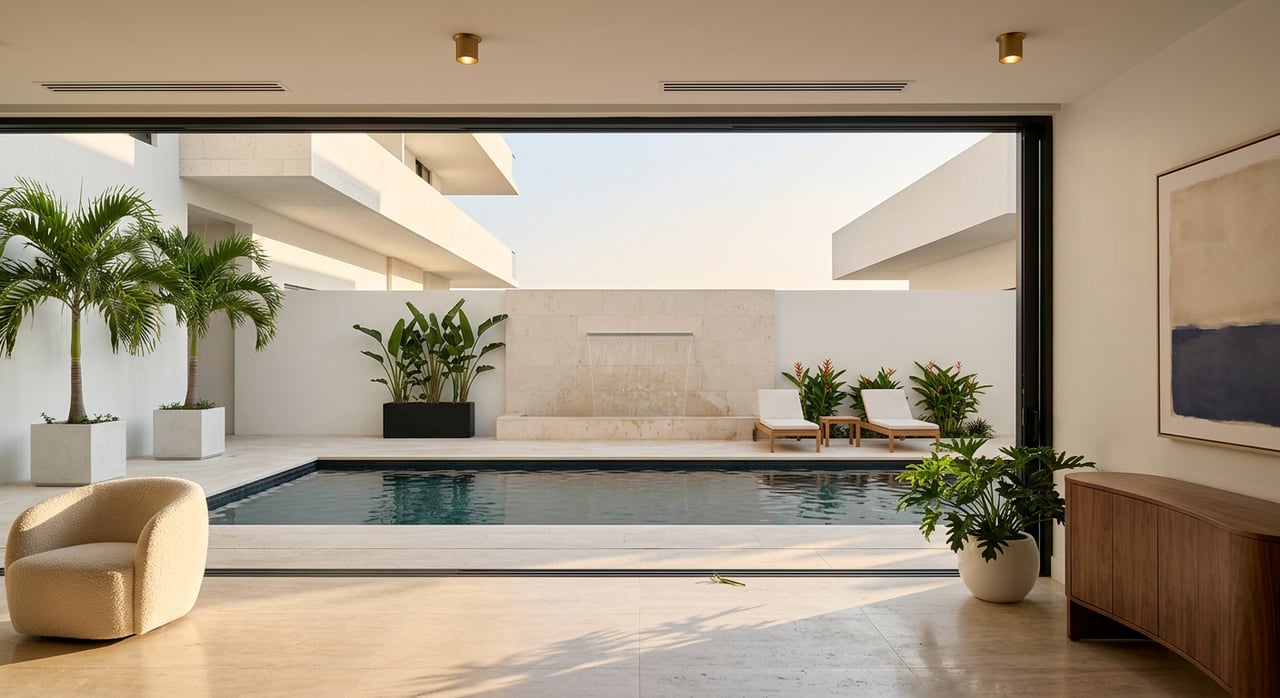
You see “resort-style,” “five-star services,” and “private club” in Miami Beach condo listings all the time, but what do those words really mean for your day-to-day life and monthly costs? If you are comparing South of Fifth and Collins Avenue buildings, the amenity package is a major part of the value story. It also drives what you will pay in HOA dues and future assessments.
In this guide, you will learn how to decode amenity tiers, understand how services translate into monthly fees, and what documents to request before you buy. You will also get a checklist of questions to ask so you can compare buildings with confidence. Let’s dive in.
Miami Beach amenity tiers explained
Tier A: Resort-style baseline
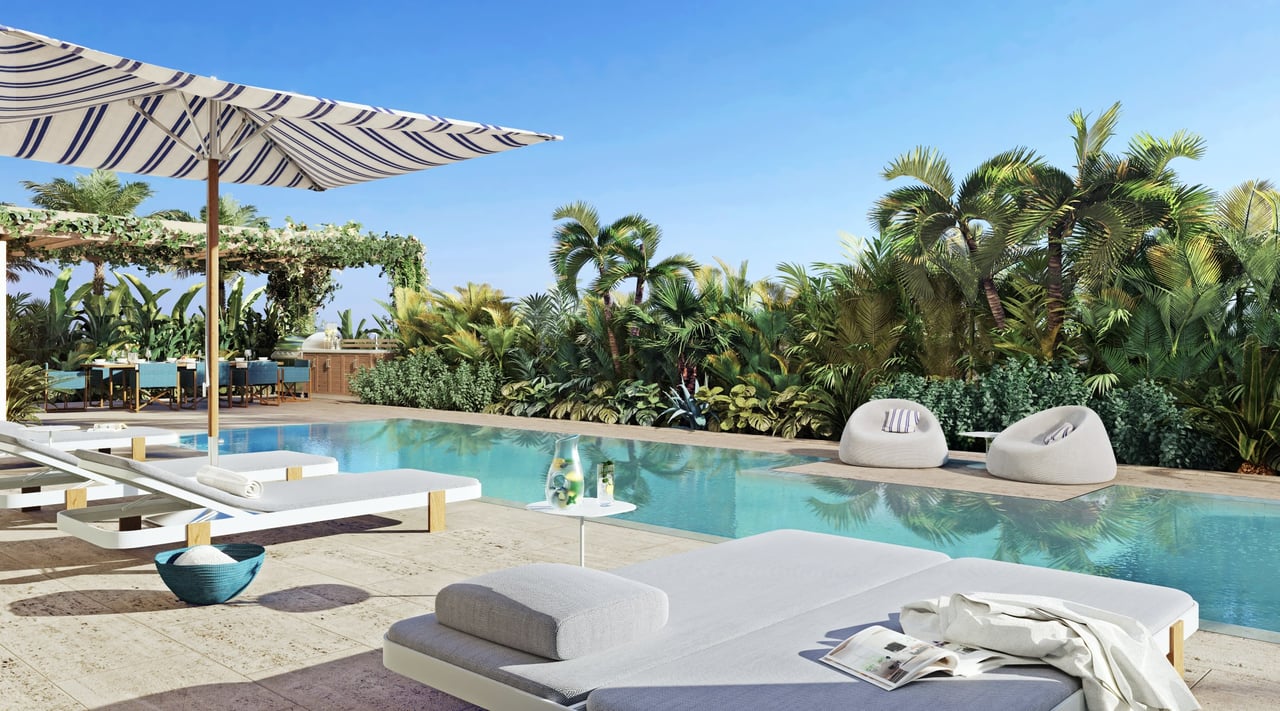
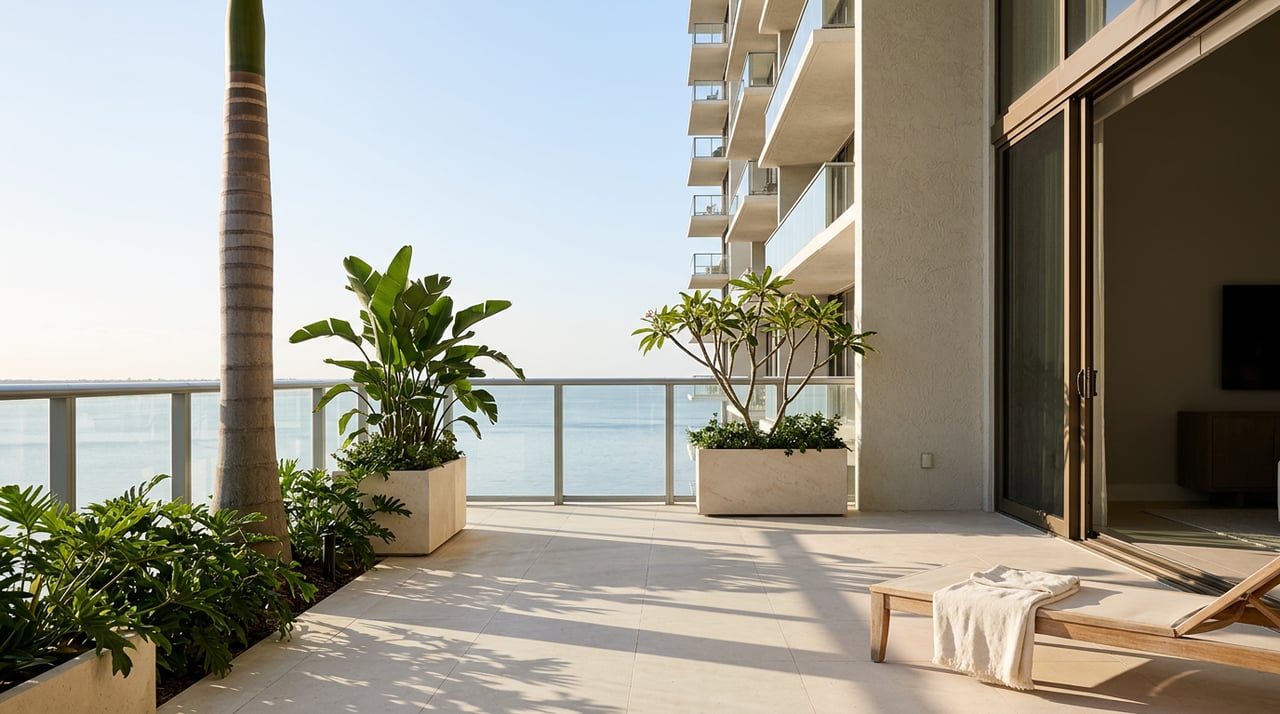
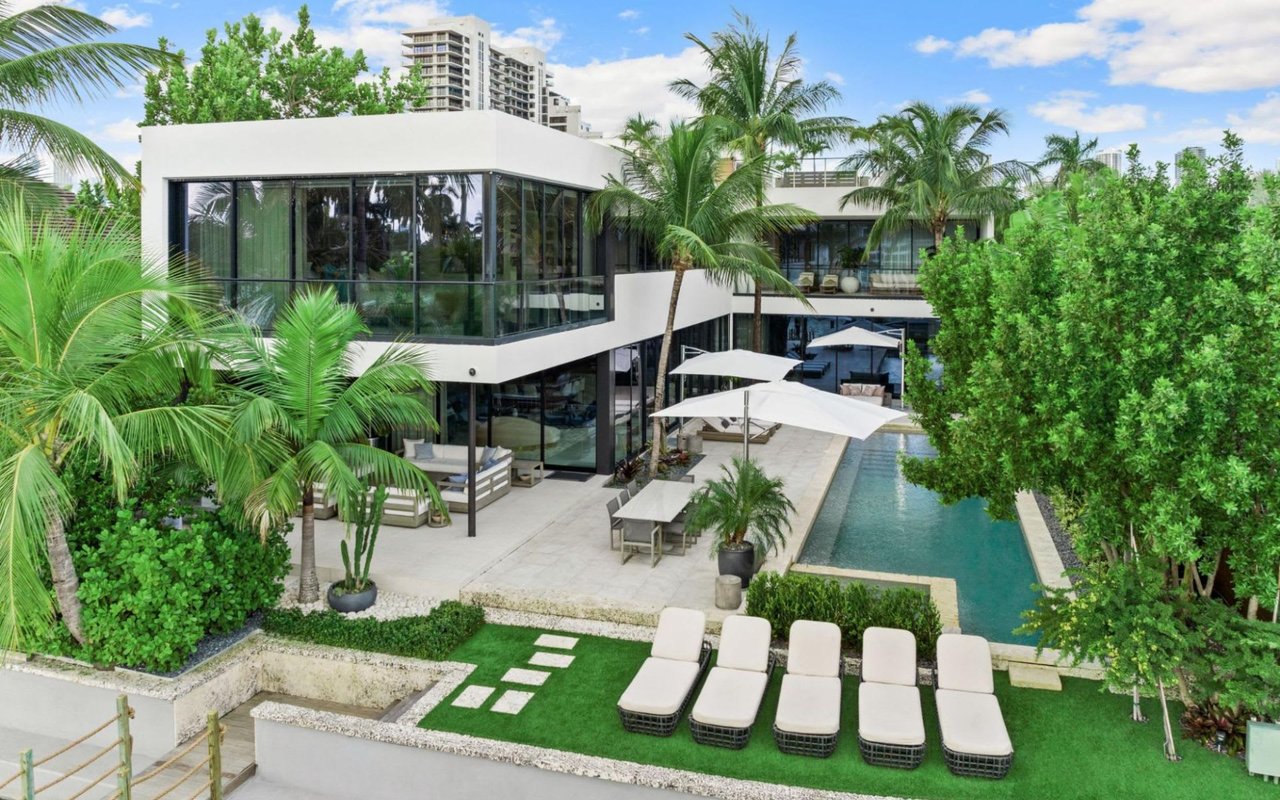
These buildings deliver the classic Miami Beach lifestyle. You will often find one or two pools, a fitness room, a staffed lobby or part-time concierge, valet parking, and basic beach setup. Many services are vendor-operated, which can keep payroll lean. Buildings along Collins and South Beach commonly present this as the entry point to luxury.
What to verify:
- Is the pool heated year-round and what are the hours?
- Are beach chairs and umbrellas included or billed per use?
- Concierge hours and scope of service.
- Which utilities are included in dues.
For a sense of a large, resort-forward program, review the Sporting Club, pools, and services highlighted on the Continuum amenity overview. The scale helps explain why some buildings carry higher operating budgets. See Continuum’s amenities.
Tier B: Full-service and branded residences
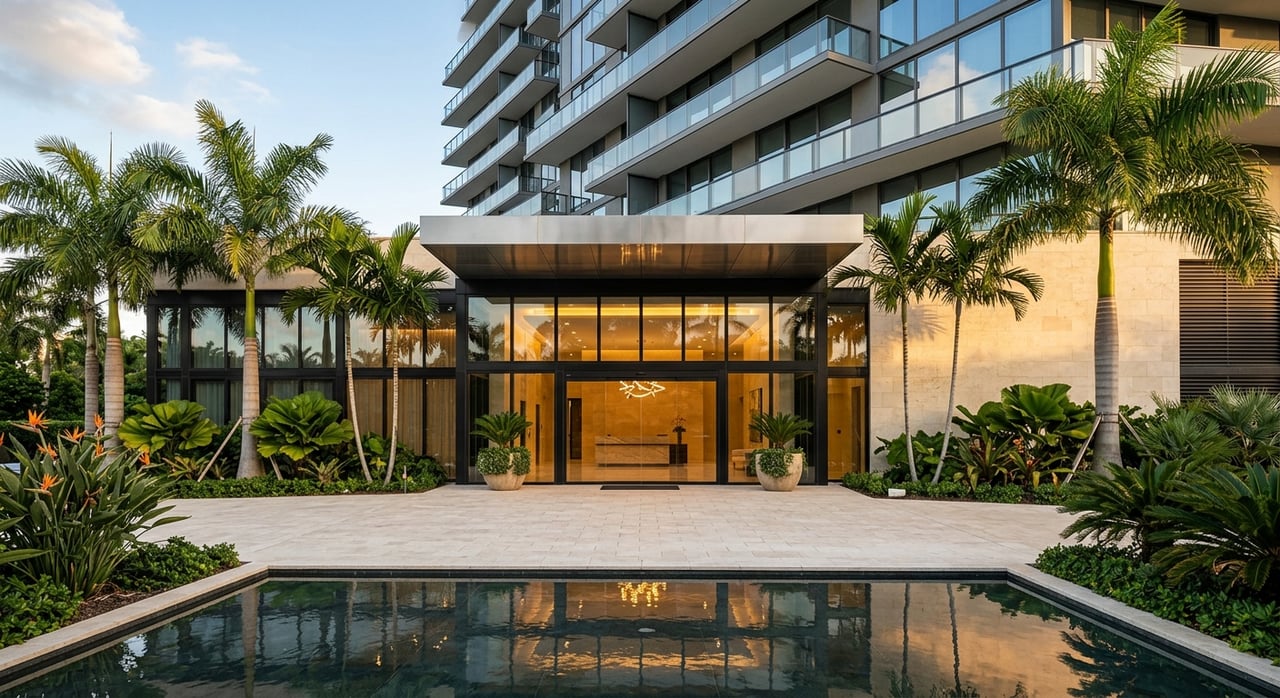
This tier layers on hotel-grade services. Think multiple pools, full spa and wellness, on-site dining with in-residence delivery, a Director of Residences, and housekeeping options. In branded properties, resident access to hotel amenities and programming is part of the appeal. The tradeoff is higher staffing and service intensity.
What to verify:
- Which hotel services are guaranteed to residents versus optional add-ons.
- Any limits on resident access or blackout dates.
- Whether facilities are shared with hotel guests and how that affects availability.
Tier C: Private-club and curated lifestyles
Here, you may see members-only lounges, private beach clubs, curated art in common areas, chef-on-call dining rooms, and wellness pavilions with high-touch programming. These experiences can shape a building’s identity and resale story, but they also create recurring payroll and programming costs. Some buildings layer on separate club memberships.
What to verify:
- Is the club operated by the condo association or a separate entity?
- Is membership transferable with a sale and are there fees?
- Who owns and insures the art collection.
Tier D: Ultra-exclusive assets and ownership
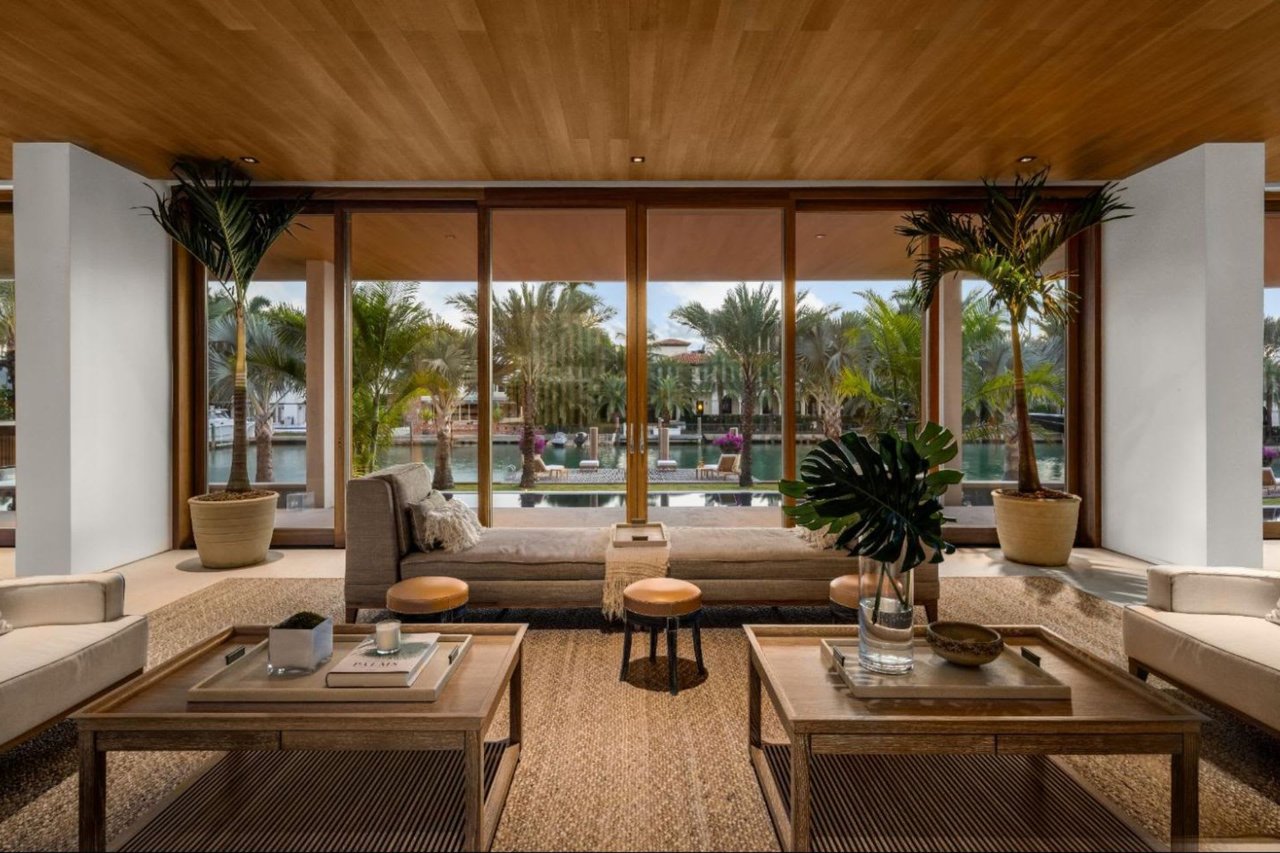
At the top tier, amenities can be owned in addition to the home. Examples include deeded marina slips or “dockominium” units, owner-purchasable cabanas, deeded garage bays, and multi-person dedicated staff. Deeded assets often have their own tax and association considerations.
What to verify:
- Is a slip, cabana, or garage bay deeded or leased, and how are taxes and dues handled?
- Any seawall or dredging obligations tied to marina operations.
- Transfer rules and fees. For background on deeded-slip structures, review this overview of dockominium concepts. Learn about dockominiums.
How amenities affect your monthly dues
Even in cash transactions, your monthly HOA dues are a major part of total cost. Amenity packages are a primary driver because they affect staffing, utilities, insurance, and reserves.
Key cost categories:
- Payroll and staffing. A 24/7 concierge, beach attendants, spa staff, maintenance, and housekeeping expand recurring payroll, which is a large share of the annual operating budget. See community budgeting basics.
- Utilities and services. Heated pools, HVAC for common areas, landscape lighting, and broadband for shared spaces add to monthly outlays. Review typical HOA budget allocations.
- Insurance and risk. Pools, restaurants, and marinas can increase premiums and deductibles. Insurers may also require capital projects as a condition of coverage. Explore budgeting guidance.
- Reserves and capital maintenance. Pools, decks, façades, elevators, and docks require long-term funding. Reserve studies help set the right annual contributions to avoid surprise assessments. Understand the role of reserve studies.
What real HOA numbers look like
Recent MLS snapshots in South of Fifth and along Collins Avenue show a wide spread, tied to unit size and service levels:
- Continuum: roughly the low-thousands to about 4,600 dollars per month on many lines. The campus includes multiple pools, a large Sporting Club, and robust staffing.
- Apogee: boutique scale with private garages and high service. Sample entries show charges that can equal 10,000 dollars or more per month on full-size residences, sometimes quoted quarterly.
- One Ocean: a curated, boutique setting with a private beach club and art-forward common areas. Multi-bedroom lines have shown around 7,400 dollars per month.
- 1 Hotel & Homes: multiple pools, a large fitness center, spa, and hotel-program services. Two to three bedroom lines have shown in the 3,000 to 6,400 dollars per month range.
- Murano at Portofino: bayfront pools, tennis, and historically a private beach or restaurant club. Examples land near 2,000 to 4,000 dollars per month.
Always normalize the frequency when comparing (convert quarterly to monthly) and request the current association budget with year-to-date actuals to confirm what you will actually pay.
Regulatory checks that impact costs
After the Surfside collapse, Florida adopted milestone and recertification inspection rules for buildings three stories and higher. As of May 2023, many associations must complete structural inspections and produce structural-integrity reserve studies. These reports can lead to capital projects, higher dues, or special assessments. Before you buy, ask for the latest milestone inspection report and the reserve study’s recommended contribution rates and funded percentage. Read the Florida milestone overview.
Decode common marketing phrases
Use these quick verification prompts when you read listings or tour buildings:
- “Resort-style pools.” Confirm the number of pools, heat schedule, staffing, and cabana policies. Ask for hours and any reservation rules.
- “Five-star services” or “concierge.” Clarify staff hours, the number of full-time staff, what the concierge actually handles, and whether services are included in dues or billed per use.
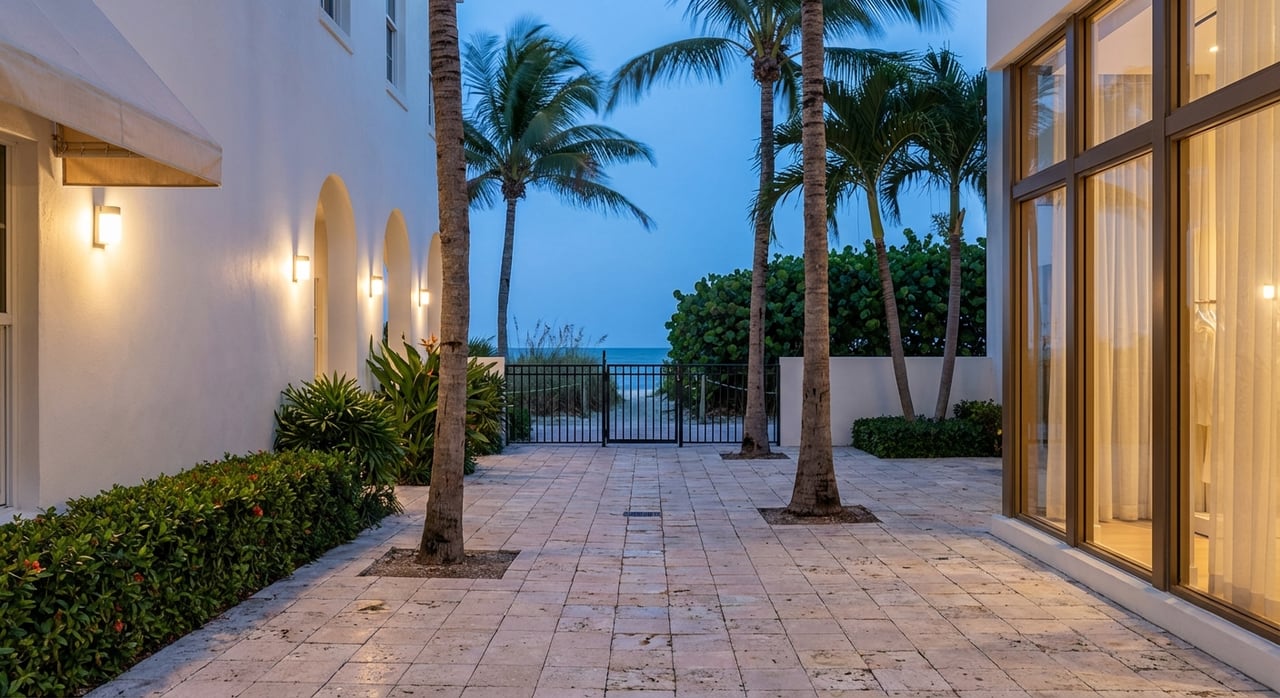
- “Private beach club” or “beach service.” Ask if access is residents-only or shared with hotel guests, what equipment is included, and whether there is a separate membership fee.
- “Branded residences” or “hotel program.” Request the formal residents-hotel services agreement. Confirm any fees, revenue-sharing, owner-use limits, and what transfers at closing.
- “Marina access,” “private slip,” or “dockominium.” Determine whether the slip is deeded or leased, dimensions and restrictions, transfer fees, and how insurance and maintenance are handled. Overview of deeded-slip considerations.
- “Curated art collection.” Verify who owns the art, how it is insured, and whether there is an ongoing curation budget.
Your due diligence checklist
Request these documents during the offer period, and review them before you waive contingencies:
- Association annual budget and year-to-date actuals.
- Most recent reserve study and current reserve balance, including whether reserves have been waived in past years.
- Board meeting minutes from the last 12 months, plus notices for any planned capital projects.
- Association master insurance declarations page, including limits and deductibles.
- Vendor contracts covering beach service, pool maintenance, spa operator, valet, security, and fitness management.
- Governing documents: declaration, bylaws, and rules for rentals, pets, guests, and amenity use.
- Any residents-hotel services agreement for branded properties.
- Milestone inspection or 40-year recertification reports if applicable. Why these reports matter.
Quick comparison metrics:
- Monthly HOA per square foot or per bedroom. Always normalize to monthly.
- Which utilities are included in dues, such as water, cable, internet, or chilled water for A/C.
- Reserve percent funded versus the study’s recommendation.
- Rental rules, including minimum lease term and number of leases allowed per year.
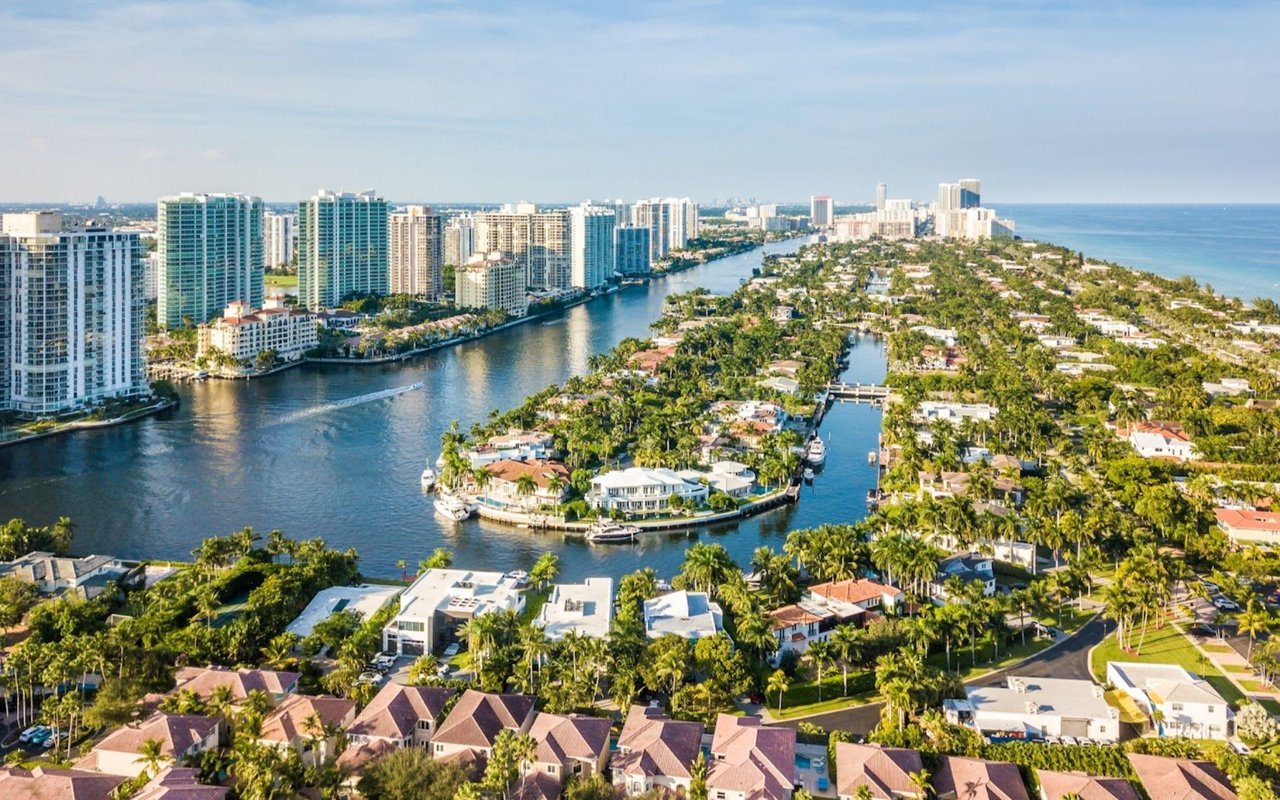
Local snapshots: South of Fifth and Collins Avenue
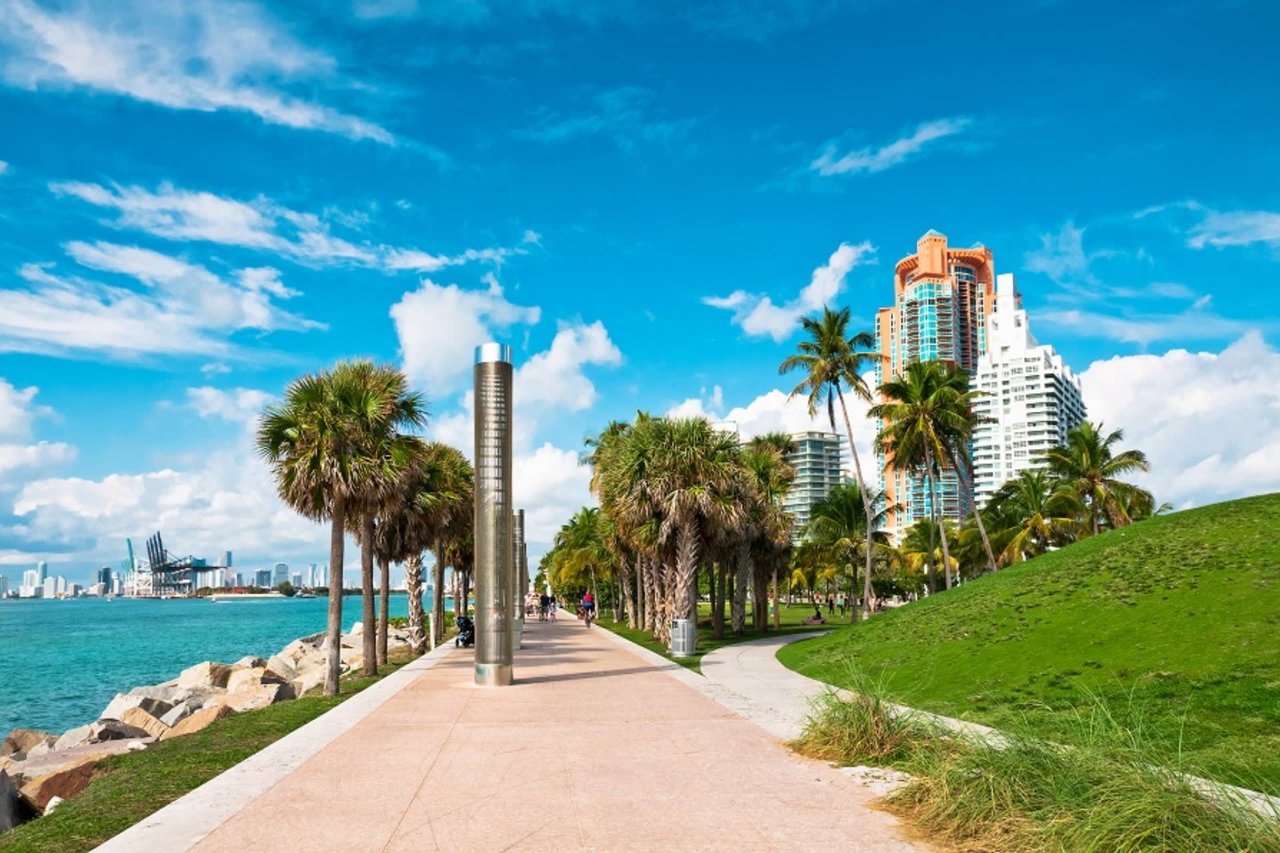
South of Fifth offers a spectrum from large resort campuses to boutique, high-service towers. At the resort-forward end, Continuum’s two-tower campus showcases multiple pools, tennis, and a full Sporting Club. That scale delivers an immersive lifestyle and also helps explain higher staffing and operating budgets. Explore Continuum amenities.
Murano at Portofino illustrates a bayfront experience with pools and tennis, plus historically a private beach or restaurant club component. You can get a feel for the lifestyle mix in its overview. View Murano at Portofino amenities.
At the boutique extreme, buildings like Apogee are known for limited unit counts, private garages, and dedicated services that cater to privacy and convenience. Smaller scale can mean higher per-residence operating shares, which you will see in HOA line items.
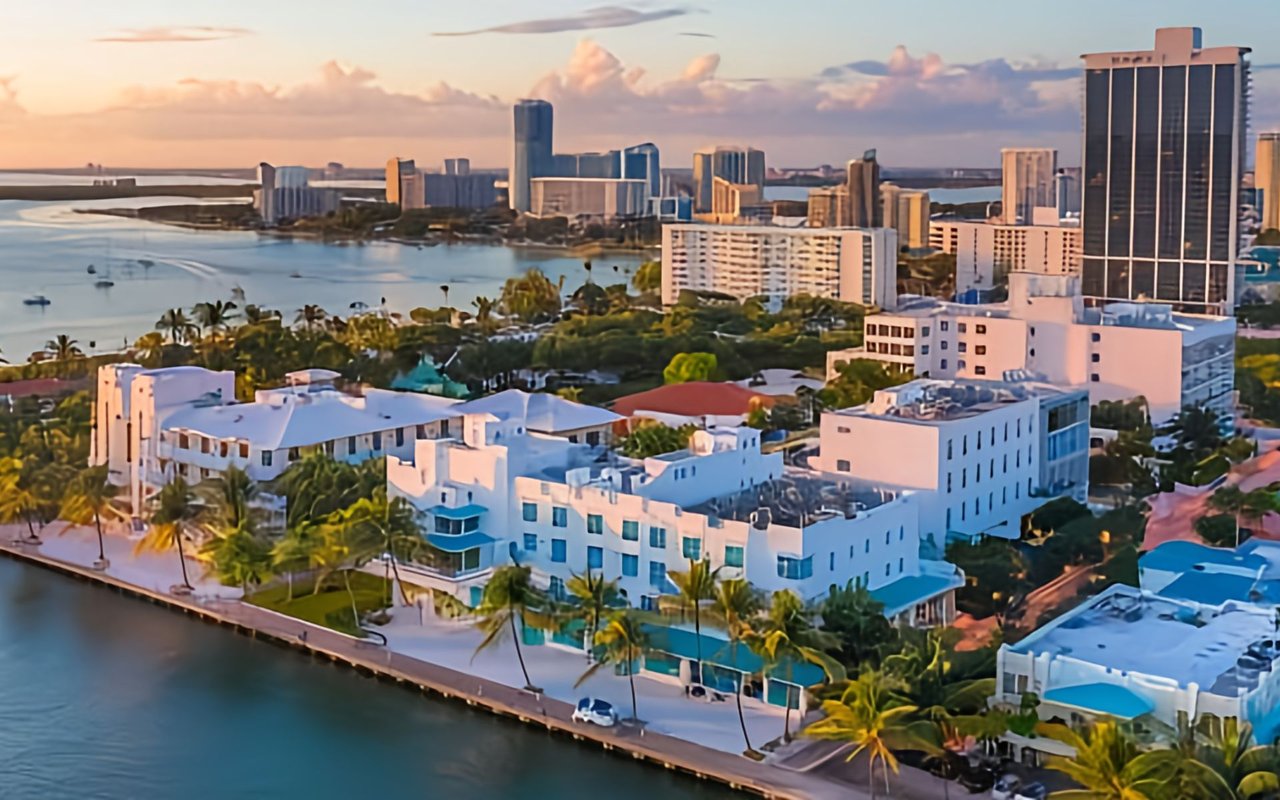
Along Collins Avenue and Mid-Beach, hotel-branded and culture-led programs shape the lifestyle. The Faena District is a prime example where curated art and performances complement resident life. In these settings, confirm exactly which hotel services and cultural access are included for owners versus optional, and how fees work.
Across all corridors, the best approach is to match the amenity experience to how you will actually live. If you will use hotel-grade F&B, spa, and beach services often, the bundled model can reduce your out-of-pocket spend. If you will be in residence part-time and prefer a lighter program, a resort-style baseline may align better with your carrying-cost goals.
The bottom line
You are not just buying square footage. You are buying a service model, a culture, and a long-term operating plan. Read the marketing with care, verify the staffing and access details, and study the budget and reserve numbers. That is how you compare apples to apples and protect your time and capital.
If you want a tailored short list and a clear, side-by-side dues comparison, we would be honored to help. Book a private consultation with Michael Duchon to tour select residences and review association budgets before you decide.
FAQs
What drives high HOA fees in Miami Beach luxury condos?
- Staffing, utilities for amenities like pools and gyms, insurance premiums, and reserve contributions are the biggest line items that raise dues, especially in full-service or branded buildings. See budgeting basics.
How do hotel-branded residences affect owner costs and access?
- Branded buildings often include hotel-grade services and programming. Verify which services are guaranteed, what is optional with fees, and whether facilities are shared with hotel guests.
What is a milestone inspection and why does it matter in Miami-Dade?
- As of May 2023, many Florida condos must complete structural milestone inspections and reserve studies. Findings can lead to projects that increase dues or trigger assessments. Learn more.
Are marina slips or cabanas typically deeded with the condo?
- Some are deeded and transfer with the unit, which can create separate taxes and dues. Others are leased. Confirm ownership type, transfer rules, and maintenance obligations. Dockominium overview.
How can I estimate my true monthly carrying cost for a luxury condo?
- Start with HOA dues normalized to monthly, add property taxes and insurance you carry, then adjust for included utilities and any optional memberships or parking leases. Request the current association budget and YTD actuals.
Do high-end amenities help or hurt resale value in Miami Beach?
- A well-run, well-funded amenity program can support stronger resale positioning, but very high dues may narrow the buyer pool. Review reserve strength and service levels against comparable buildings before buying.