Moving to a new home is a major change, and when you have pets, it becomes an even more thoughtful process. Your pets feel the stress of moving just like you do, and preparing for their comfort can make the transition smoother for everyone. Whether you have a curious cat, an energetic dog, or a smaller pet like a rabbit or bird, taking a few extra steps will ensure they settle into their new surroundings with ease.
You want your pets to feel safe, well-cared for, and comfortable throughout every stage of the move. From pre-move preparations to post-move adjustments, understanding your pet’s needs can prevent unnecessary stress. Here are practical, detailed tips to make moving with pets as stress-free as possible.
Prepare Your Pet Before The Move
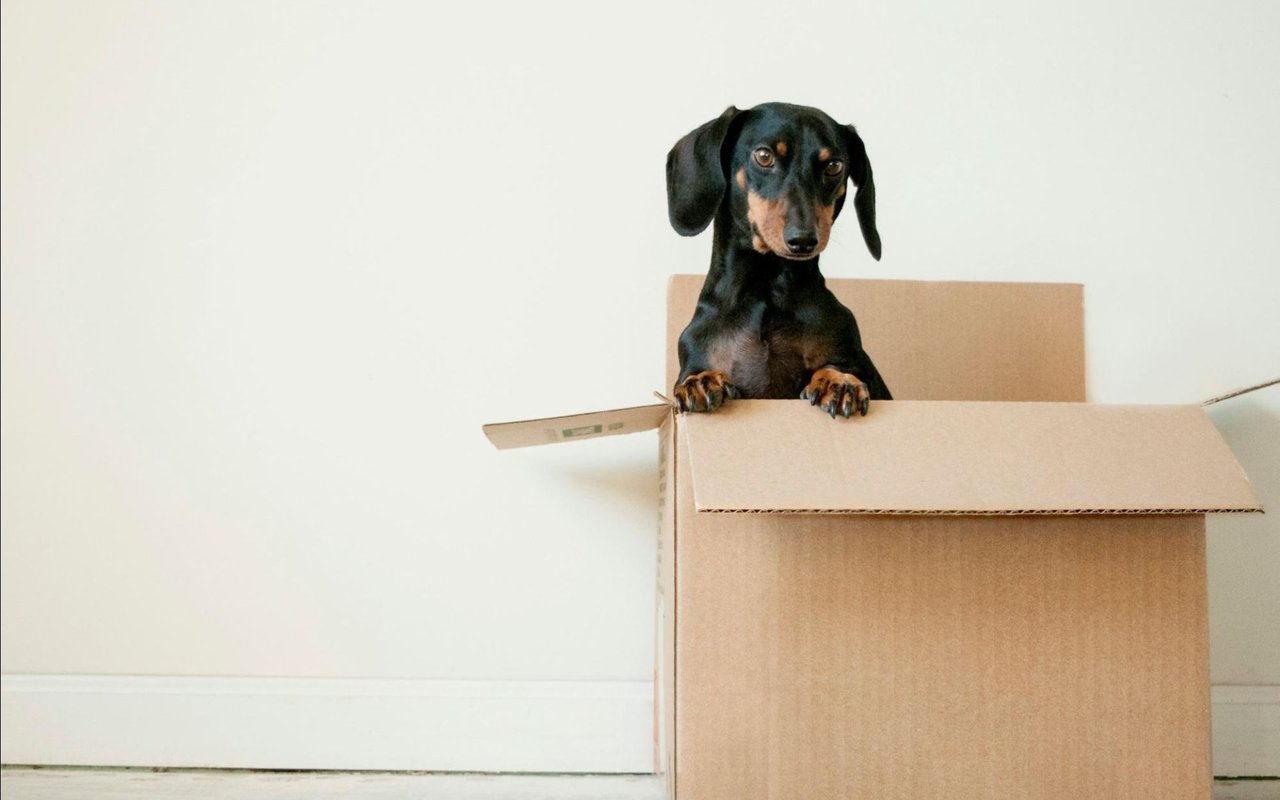
Preparation is one of the most important steps when moving with pets. Pets thrive on routine, so the days leading up to the move should remain as normal as possible. Keep feeding schedules, walks, and playtimes consistent to reduce anxiety. At the same time, start introducing them to some of the moving supplies they’ll encounter — like boxes and packing materials — so they don’t become startled by the sudden changes.
You can also prepare by scheduling a visit to your veterinarian. Make sure your pet is up to date on vaccines, and request a copy of their medical records in case you need to register with a new vet. If your pet isn’t already microchipped, now is a good time to consider it, as moving increases the risk of pets getting lost. You might also ask your vet about calming options, such as pheromone sprays or natural supplements, especially if your pet is prone to anxiety during travel.
Familiarizing your pet with travel conditions can also help. If you’re moving a long distance, start taking them on short car rides so that they can adjust to being in a car for longer periods. Create a comfortable, safe environment for them to rest during these practice rides. These small steps before the big move can make a world of difference in how your pet handles the transition.
You can also prepare by scheduling a visit to your veterinarian. Make sure your pet is up to date on vaccines, and request a copy of their medical records in case you need to register with a new vet. If your pet isn’t already microchipped, now is a good time to consider it, as moving increases the risk of pets getting lost. You might also ask your vet about calming options, such as pheromone sprays or natural supplements, especially if your pet is prone to anxiety during travel.
Familiarizing your pet with travel conditions can also help. If you’re moving a long distance, start taking them on short car rides so that they can adjust to being in a car for longer periods. Create a comfortable, safe environment for them to rest during these practice rides. These small steps before the big move can make a world of difference in how your pet handles the transition.
Create A Pet Travel Kit
Just like you pack essentials for yourself, your pet also needs a dedicated travel kit for moving day. This kit should include all the items they rely on for comfort and care, such as food, water, bowls, and a few favorite toys. Bringing along familiar items with their scent will provide reassurance and a sense of security when everything else is changing.
If you’re traveling a long distance, pack enough food and treats to last several days, so you don’t need to worry about stopping to buy more on the road. A blanket or bed that smells like home can help them settle down when you take breaks during the journey.
It’s also smart to have important documents like vaccination records and any required travel permits or identification in one place. Whether you’re moving across town or to another state, being prepared with everything your pet needs will give you peace of mind during a hectic day.
If you’re traveling a long distance, pack enough food and treats to last several days, so you don’t need to worry about stopping to buy more on the road. A blanket or bed that smells like home can help them settle down when you take breaks during the journey.
It’s also smart to have important documents like vaccination records and any required travel permits or identification in one place. Whether you’re moving across town or to another state, being prepared with everything your pet needs will give you peace of mind during a hectic day.
Keep Your Pet Calm On Moving Day
Moving day can be overwhelming, with strangers coming and going, doors left open, and boxes piled everywhere. For your pet, this sudden burst of activity can feel unsettling. The best way to minimize stress is to set up a quiet, secure area for your pet away from all the chaos. This could be a closed-off room with their bed, toys, and water, or you might consider boarding them with a trusted friend or pet sitter for the day.
If your pet is staying with you during the move, make sure they are safely contained. Dogs should be on a leash when outside, and cats should be kept in a secure carrier. Not only will this prevent accidents or escapes, but it will also help them feel safe amid all the movement and noise.
It’s also helpful to keep their feeding and walking routines consistent on moving day, even if things are hectic. A familiar routine is comforting, and a few extra minutes of play or cuddles will reassure them that everything is okay.
If your pet is staying with you during the move, make sure they are safely contained. Dogs should be on a leash when outside, and cats should be kept in a secure carrier. Not only will this prevent accidents or escapes, but it will also help them feel safe amid all the movement and noise.
It’s also helpful to keep their feeding and walking routines consistent on moving day, even if things are hectic. A familiar routine is comforting, and a few extra minutes of play or cuddles will reassure them that everything is okay.
Plan For Long-Distance Or Air Travel
If your move requires long-distance travel, you’ll need to take additional steps to ensure your pet’s comfort and safety. For car trips, plan frequent stops to allow your pet to stretch and drink water. Always keep them secured in a carrier or with a seatbelt harness to prevent injuries.
For air travel, check the airline’s pet policies well in advance. Each airline has different rules for carriers, documentation, and weight limits. Book flights that minimize stress — direct flights are often better for pets than those with multiple layovers. You should also acclimate your pet to their travel carrier well before moving day so it feels like a safe, familiar place.
No matter the distance, always prioritize your pet’s well-being during travel. Small comforts, such as a favorite blanket or toy, can go a long way in reducing stress during long journeys.
For air travel, check the airline’s pet policies well in advance. Each airline has different rules for carriers, documentation, and weight limits. Book flights that minimize stress — direct flights are often better for pets than those with multiple layovers. You should also acclimate your pet to their travel carrier well before moving day so it feels like a safe, familiar place.
No matter the distance, always prioritize your pet’s well-being during travel. Small comforts, such as a favorite blanket or toy, can go a long way in reducing stress during long journeys.
Set Up A Pet-Friendly Space In Your New Home
When you arrive at your new home, the first thing your pet needs is a space that feels safe and familiar. Before you unpack everything, designate a small, quiet area for them. Place their bed, toys, water, and food in this space so they have a retreat while you handle the chaos of moving boxes and furniture.
Introduce them to the new home slowly, starting with one room at a time. This approach is especially important for cats or smaller animals who may feel overwhelmed by too much space at once. Allow them to explore at their own pace, using treats or favorite toys to encourage curiosity and confidence.
You can also help them settle in by maintaining their regular routine. Feeding them at the usual time and taking dogs on familiar walks or playtimes will help them adjust. Over time, their scent will begin to fill the house, and they’ll start to recognize this new space as their own.
Introduce them to the new home slowly, starting with one room at a time. This approach is especially important for cats or smaller animals who may feel overwhelmed by too much space at once. Allow them to explore at their own pace, using treats or favorite toys to encourage curiosity and confidence.
You can also help them settle in by maintaining their regular routine. Feeding them at the usual time and taking dogs on familiar walks or playtimes will help them adjust. Over time, their scent will begin to fill the house, and they’ll start to recognize this new space as their own.
Keep An Eye On Behavior Changes
Even the calmest pets can show signs of stress when moving to a new environment. Watch for changes in appetite, sleeping patterns, or mood. Some pets may become clingy, while others might hide or act out. This is normal, but it’s important to reassure them and give them time to adjust.
Providing extra attention during the first few days in your new home can help. Spend time playing, cuddling, or engaging in activities they enjoy. If your pet continues to show signs of stress after a few weeks, consider speaking with your veterinarian. They can recommend techniques or calming solutions to help your pet adapt more easily.
Providing extra attention during the first few days in your new home can help. Spend time playing, cuddling, or engaging in activities they enjoy. If your pet continues to show signs of stress after a few weeks, consider speaking with your veterinarian. They can recommend techniques or calming solutions to help your pet adapt more easily.
Begin the Journey Today
Moving with pets takes thoughtful planning, but the effort pays off when you see them relax and settle into their new home. With patience, preparation, and a little extra care, you and your pets can look forward to a smooth move and the exciting memories you’ll create in your new home together. Reach out to Carmenate / Duchon to get started on the right foot as you move to Miami Beach.