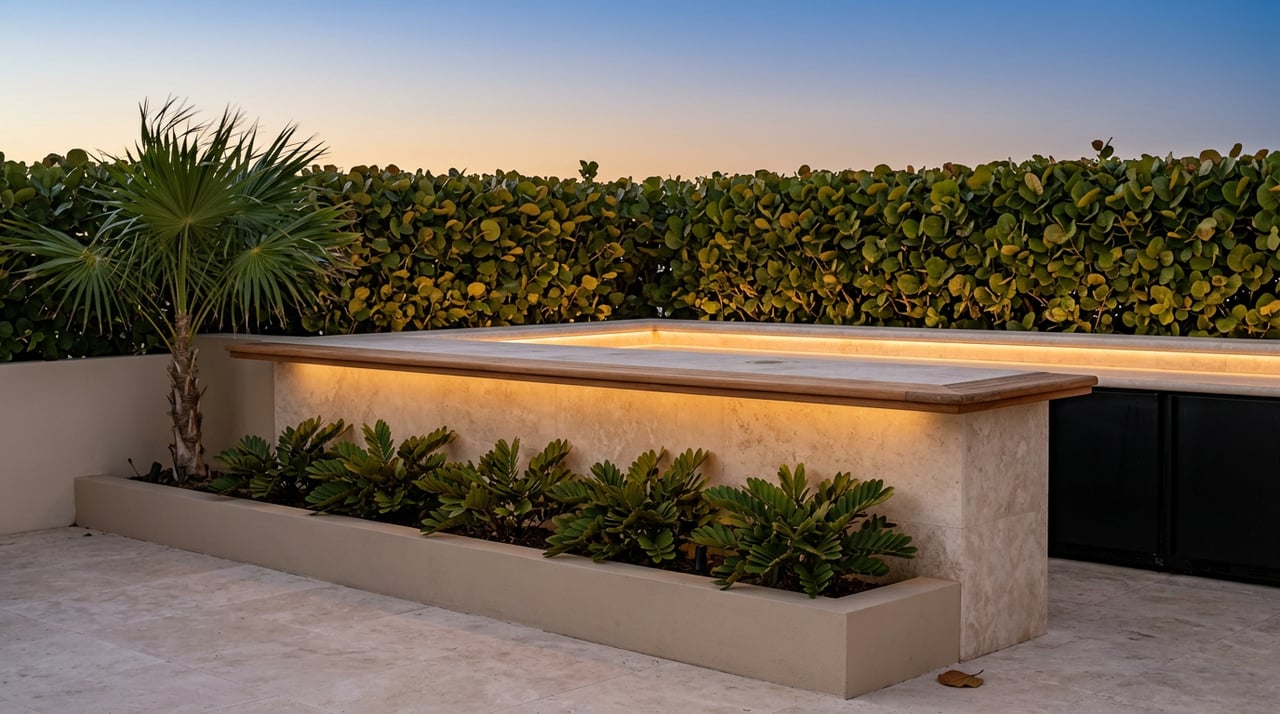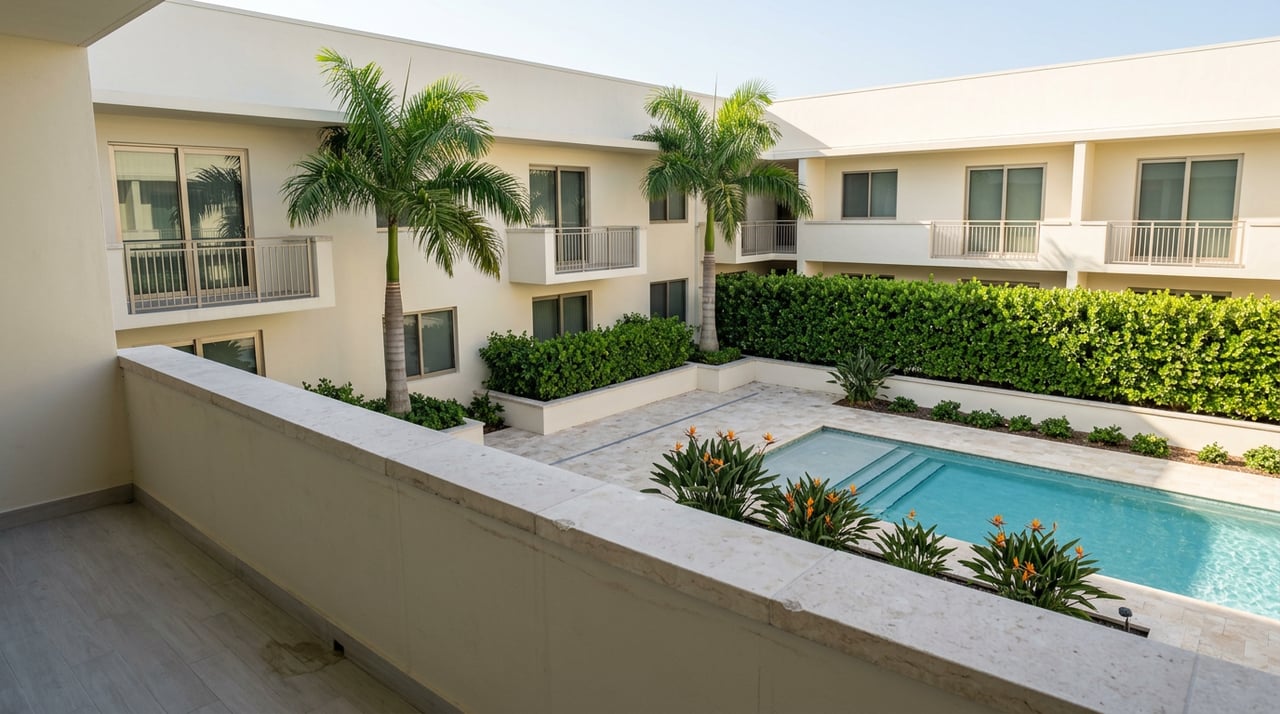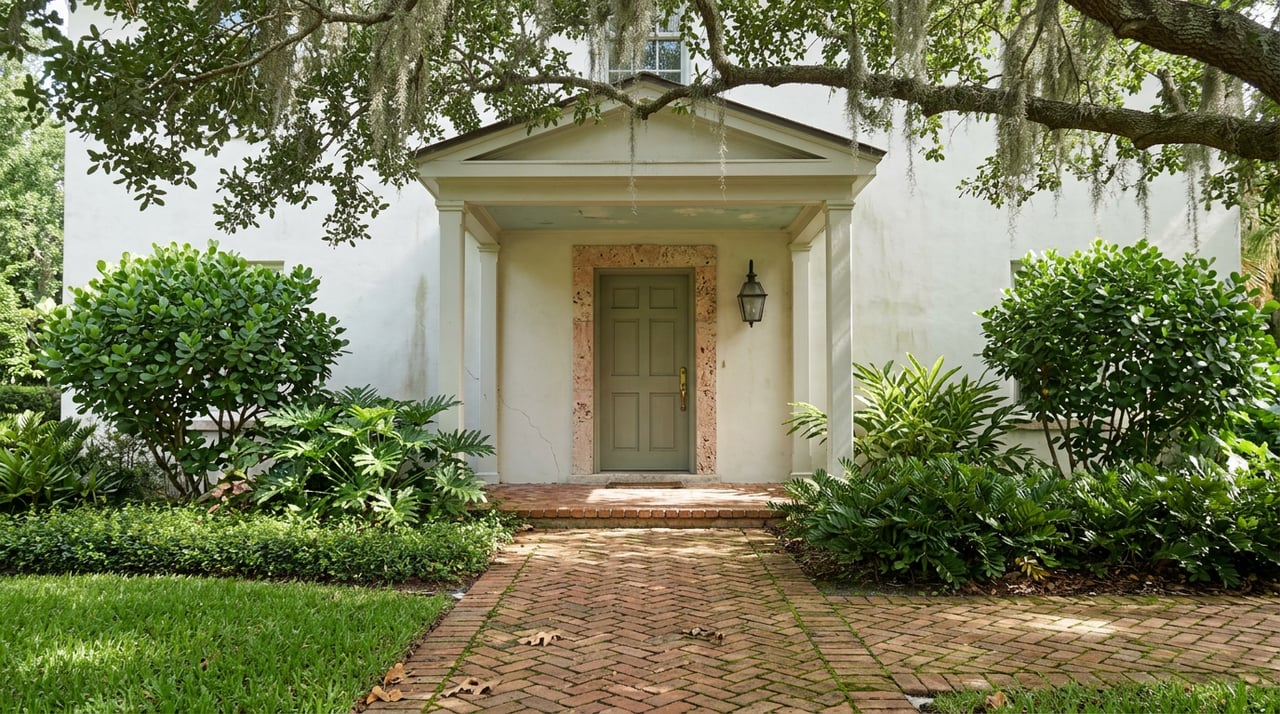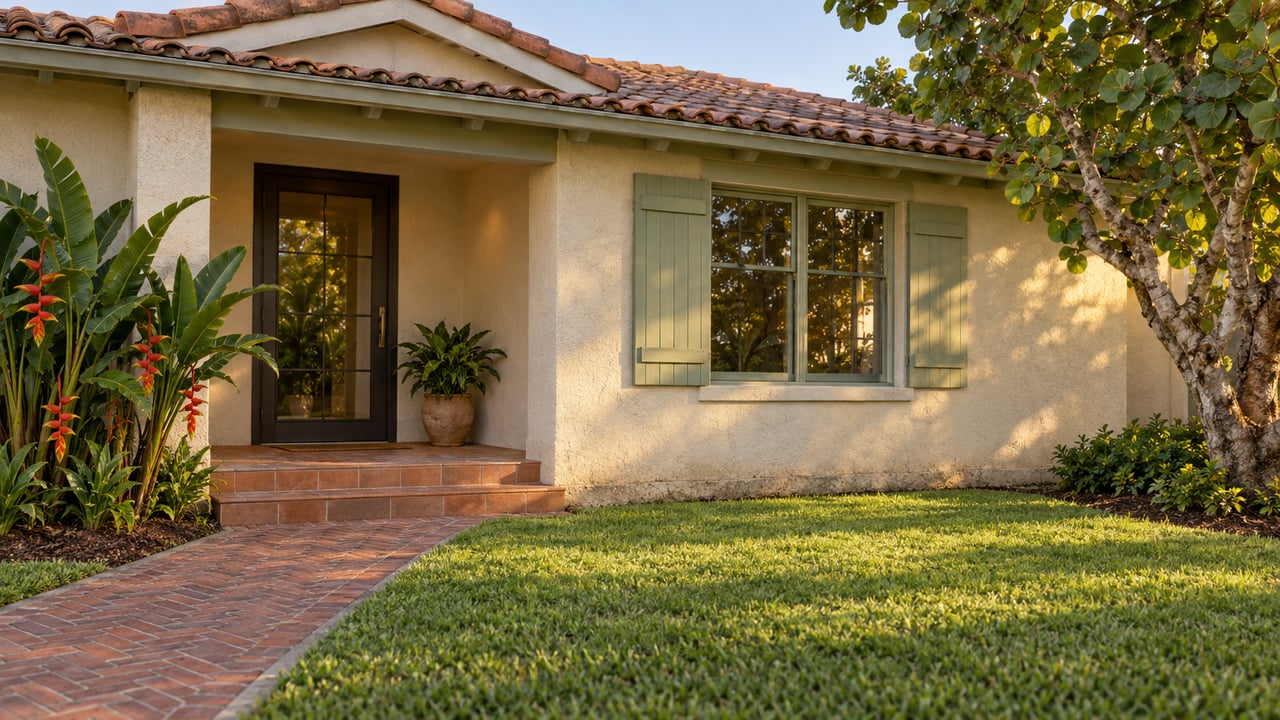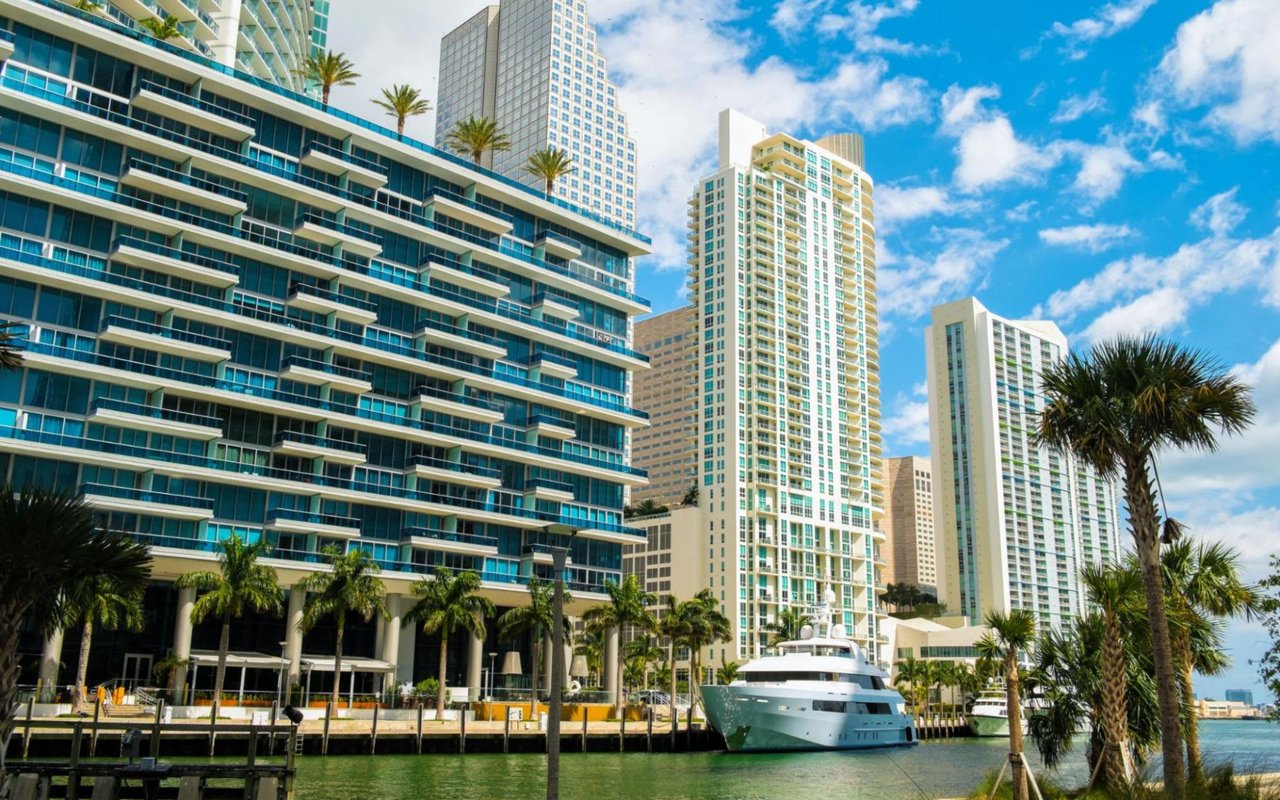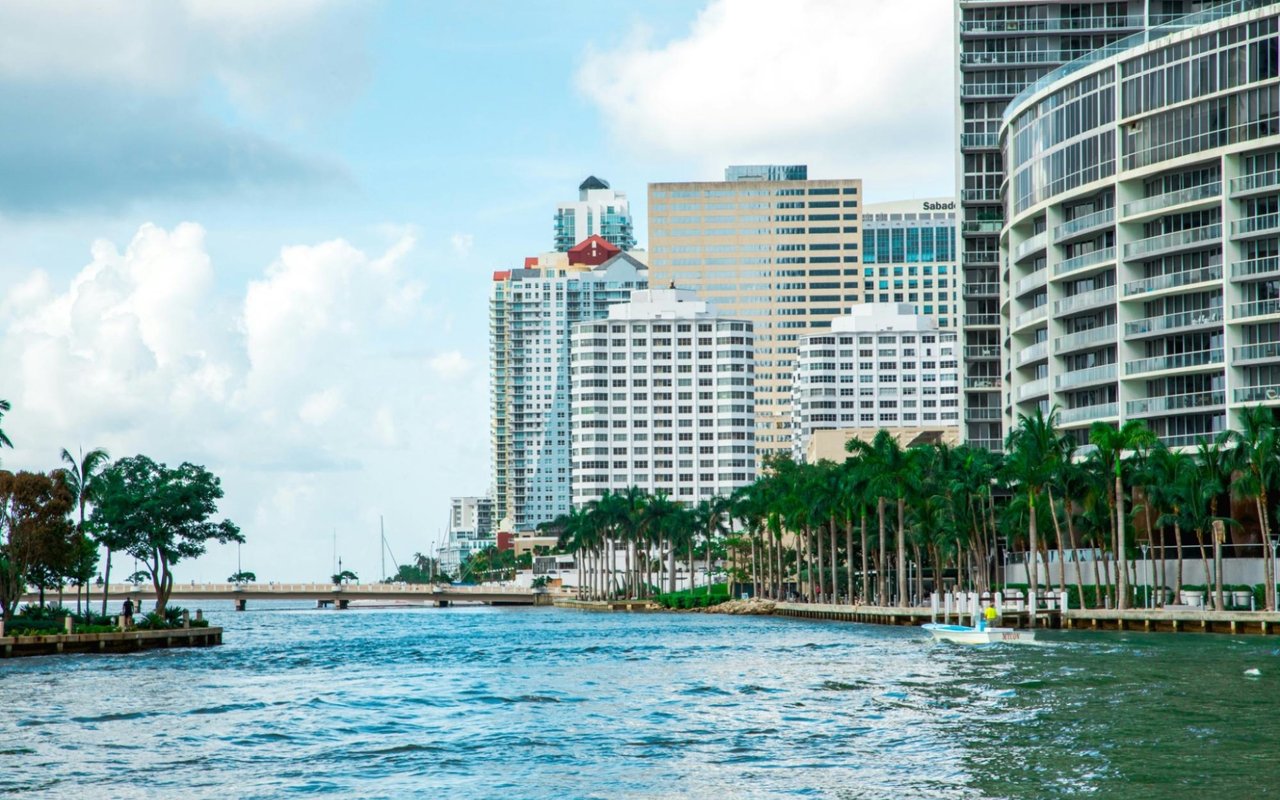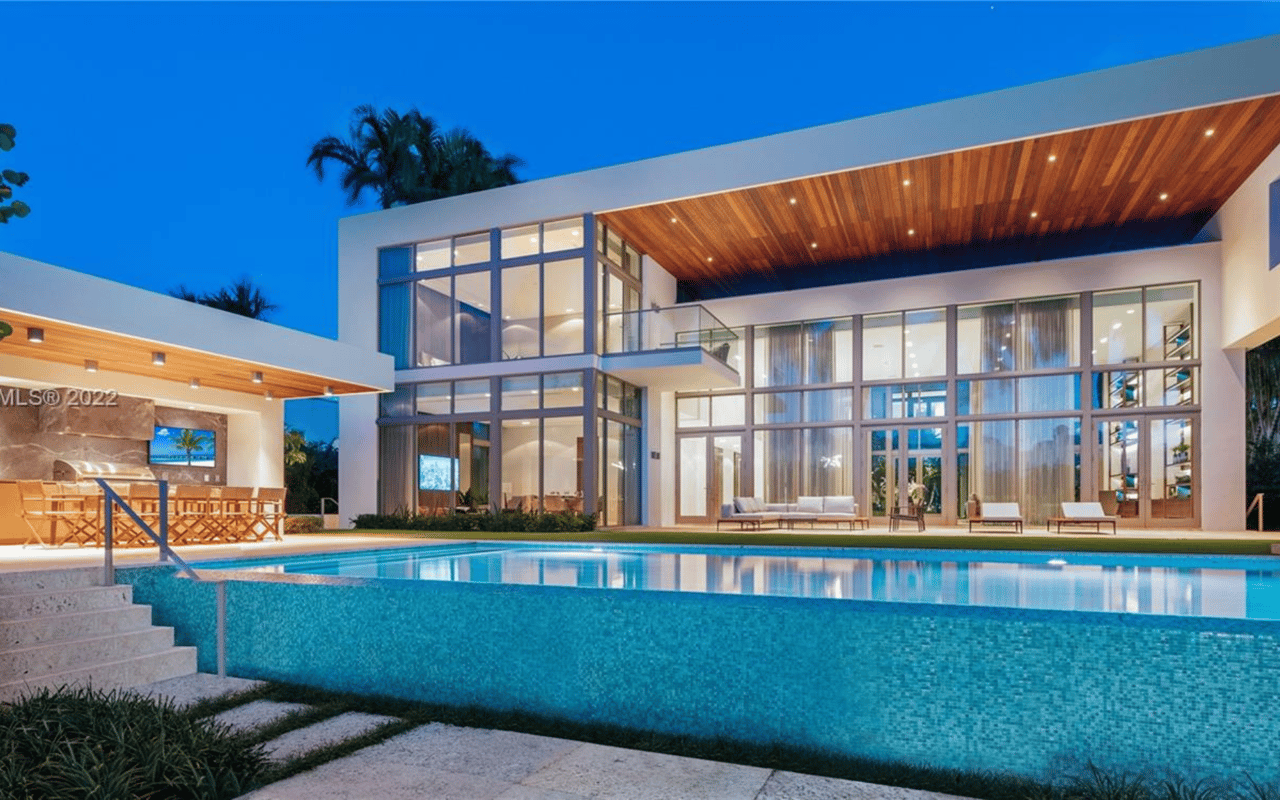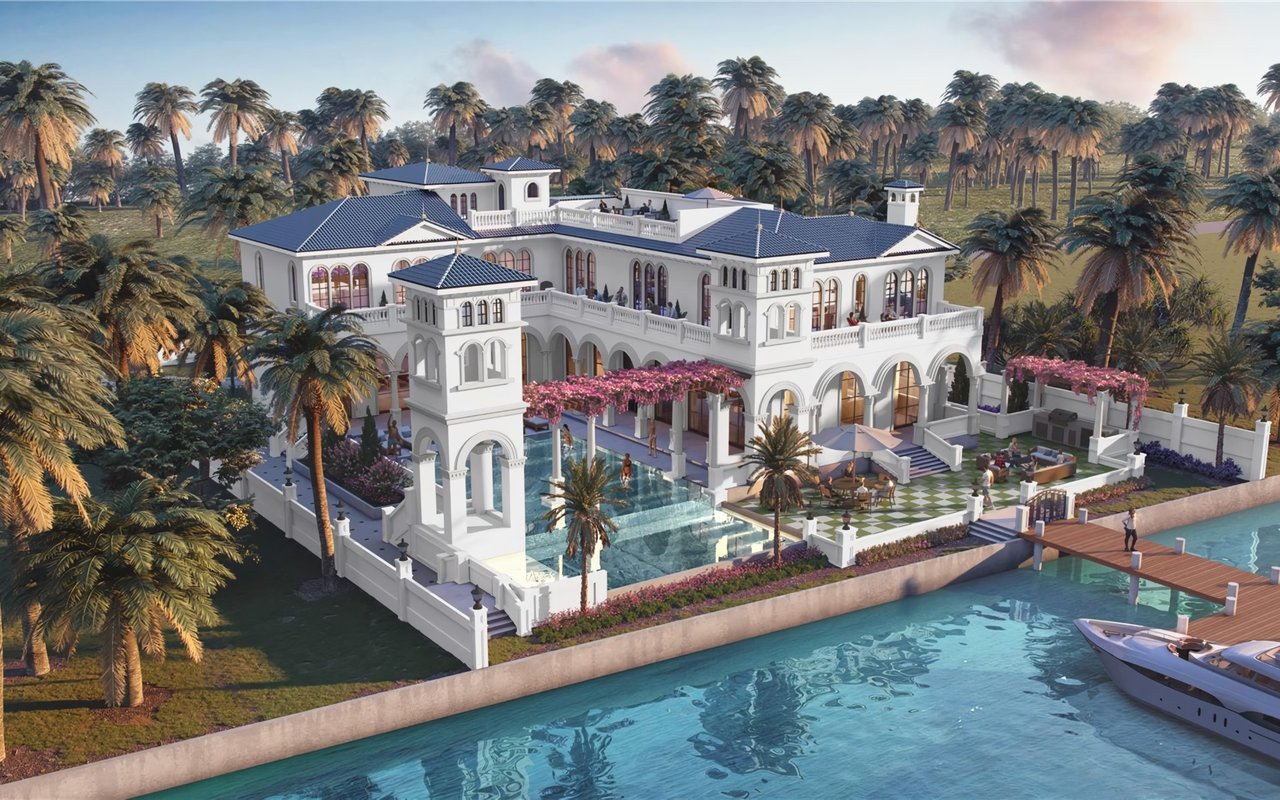
A waterfront lot on the Sunset Islands can look effortless at first glance. The view is immediate, the setting is rare, and the address carries real cachet. But if you are evaluating land rather than simply admiring it, the details below the surface and within the code matter just as much as the panorama.
On Sunset Islands, small differences in orientation, zoning, seawall condition, dock configuration, and flood profile can meaningfully change what you can build, how you can use the shoreline, and what the property may cost to carry over time. If you are weighing a purchase, this guide will help you assess a lot with more clarity and confidence. Let’s dive in.
Start With The Lot’s Waterfront Orientation
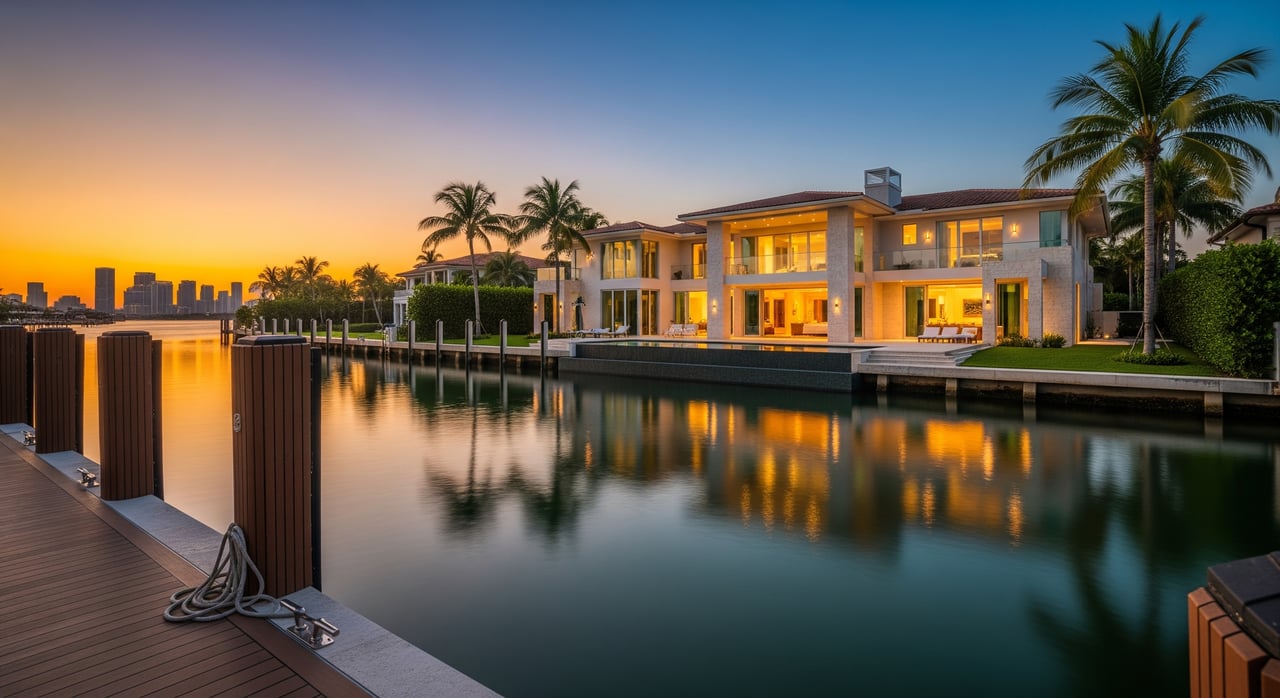
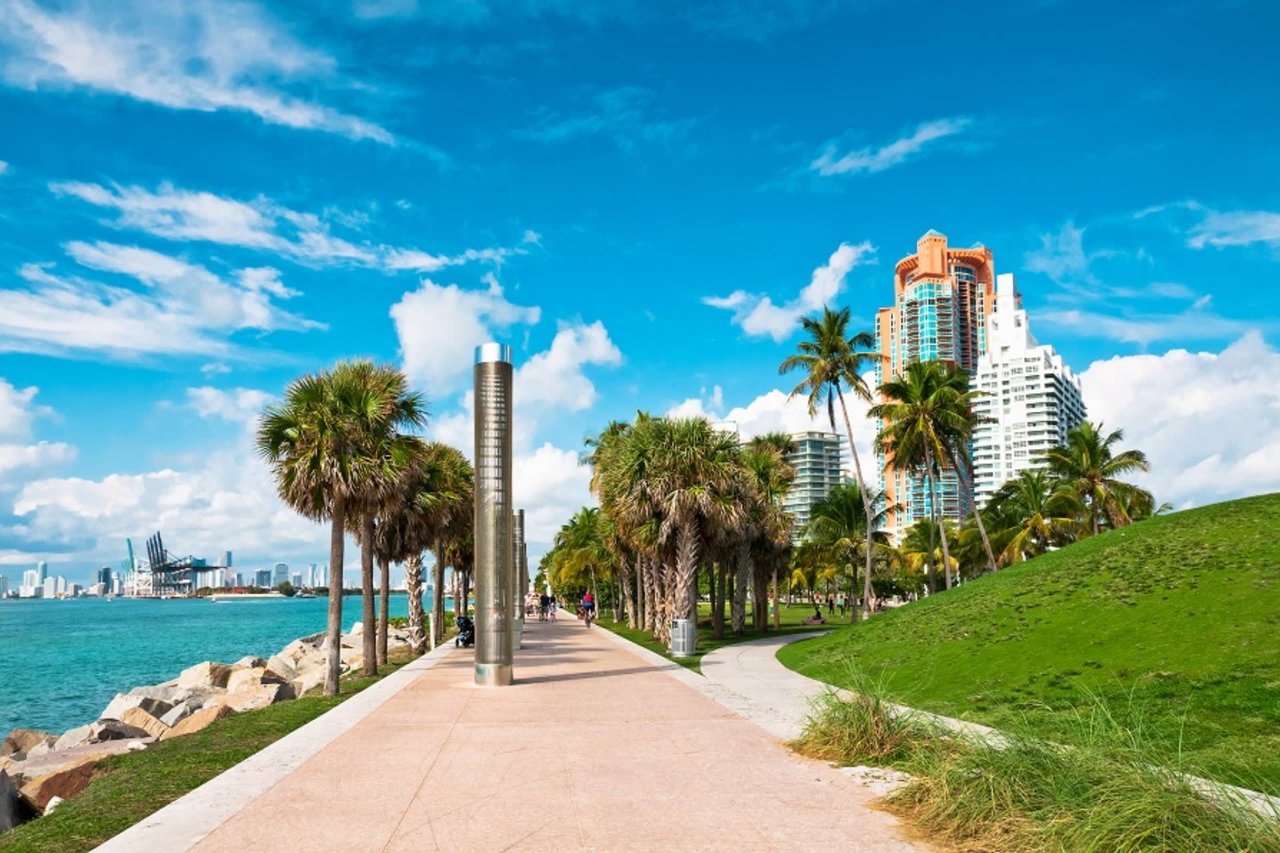
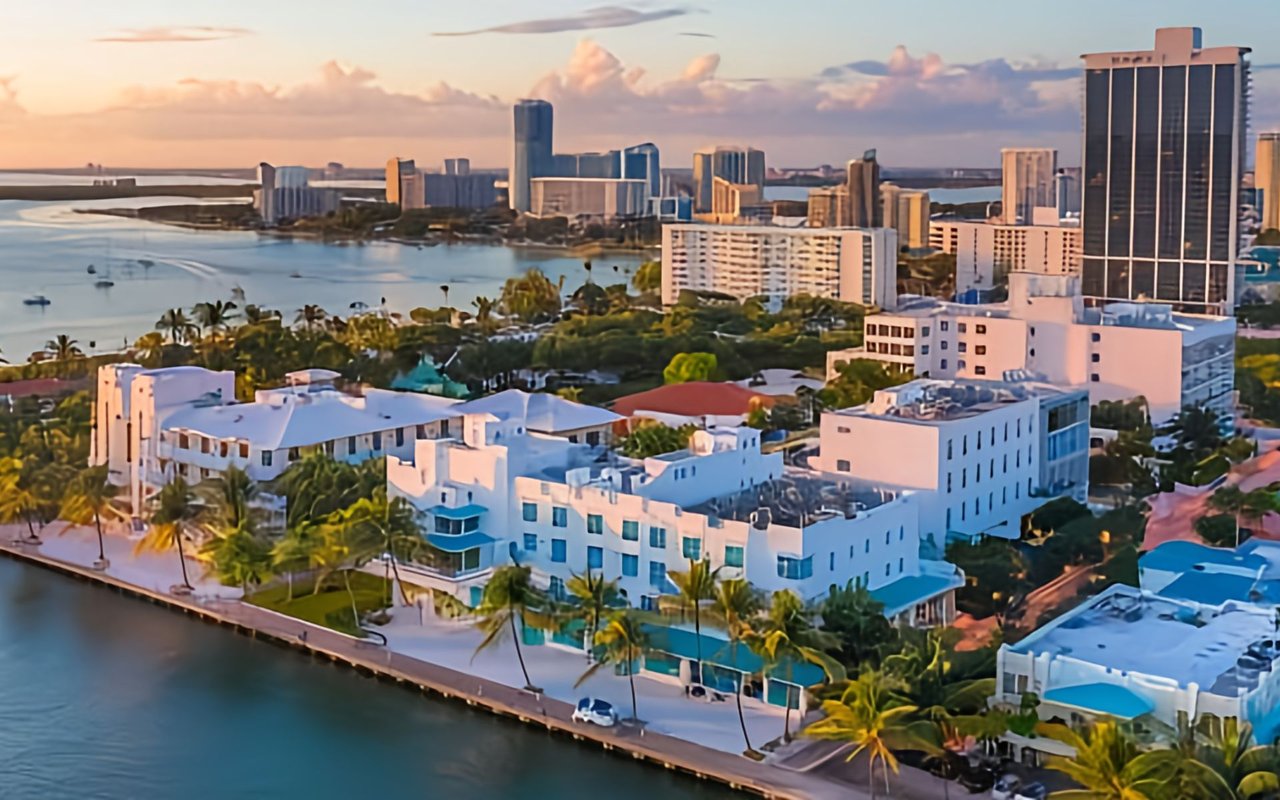
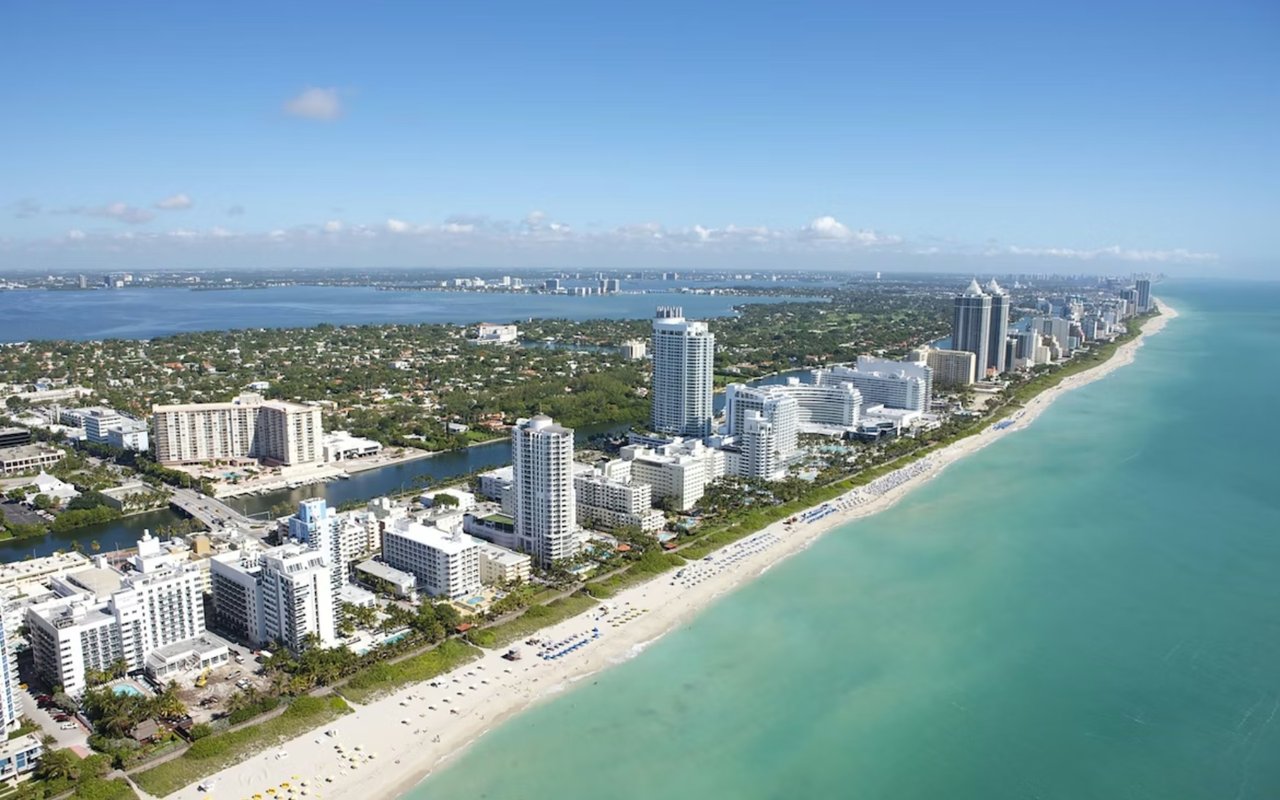
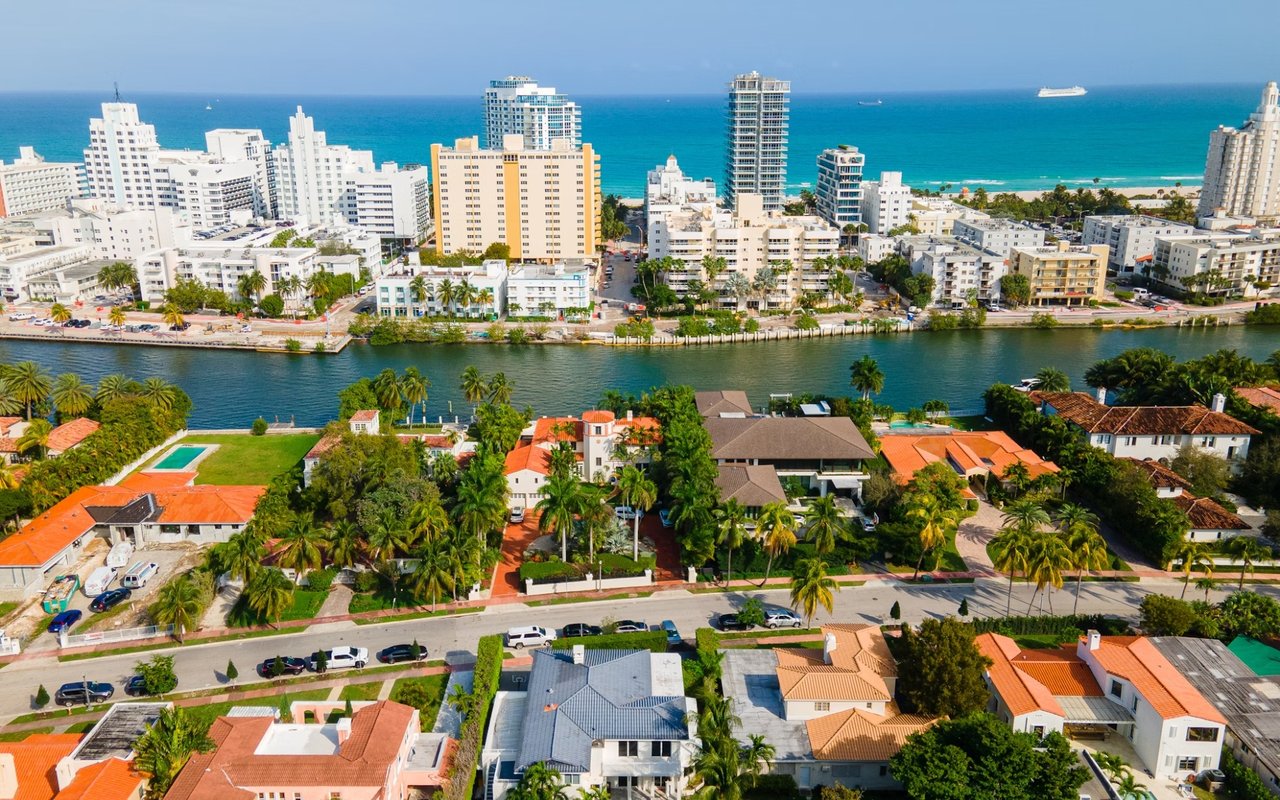
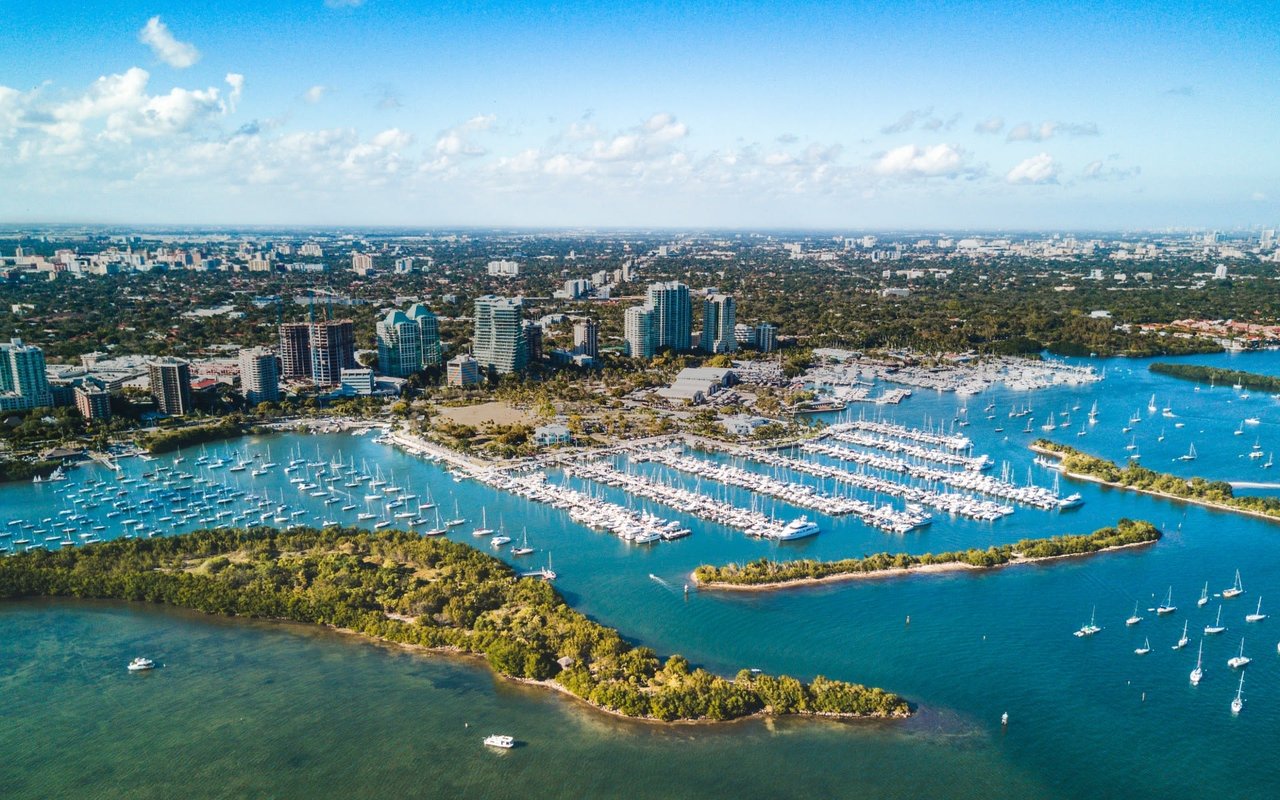
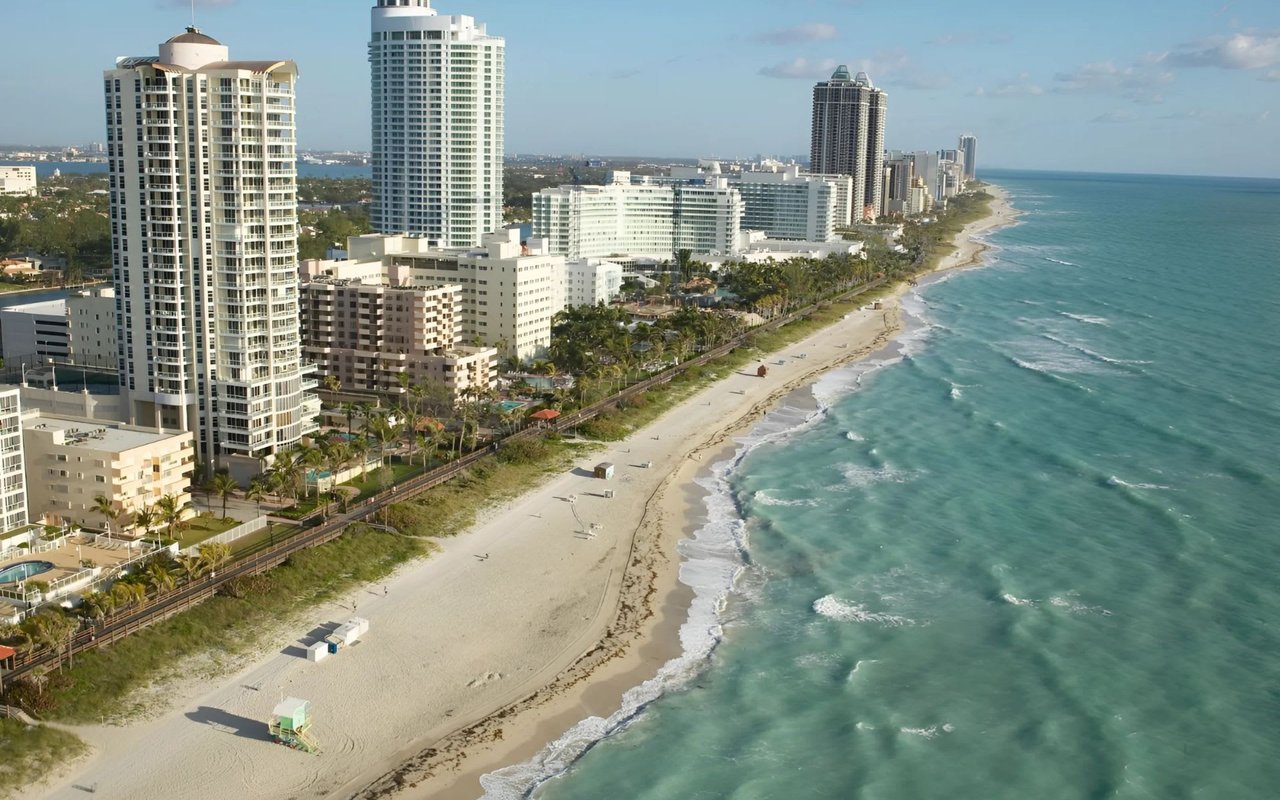
Sunset Islands Nos. 1 through 4 are identified by the City of Miami Beach as part of the Bayshore area and consist of single-family residences. Because Miami Beach sits between Biscayne Bay and the Atlantic Ocean, Sunset Islands lots are positioned on the bay side of the barrier island.
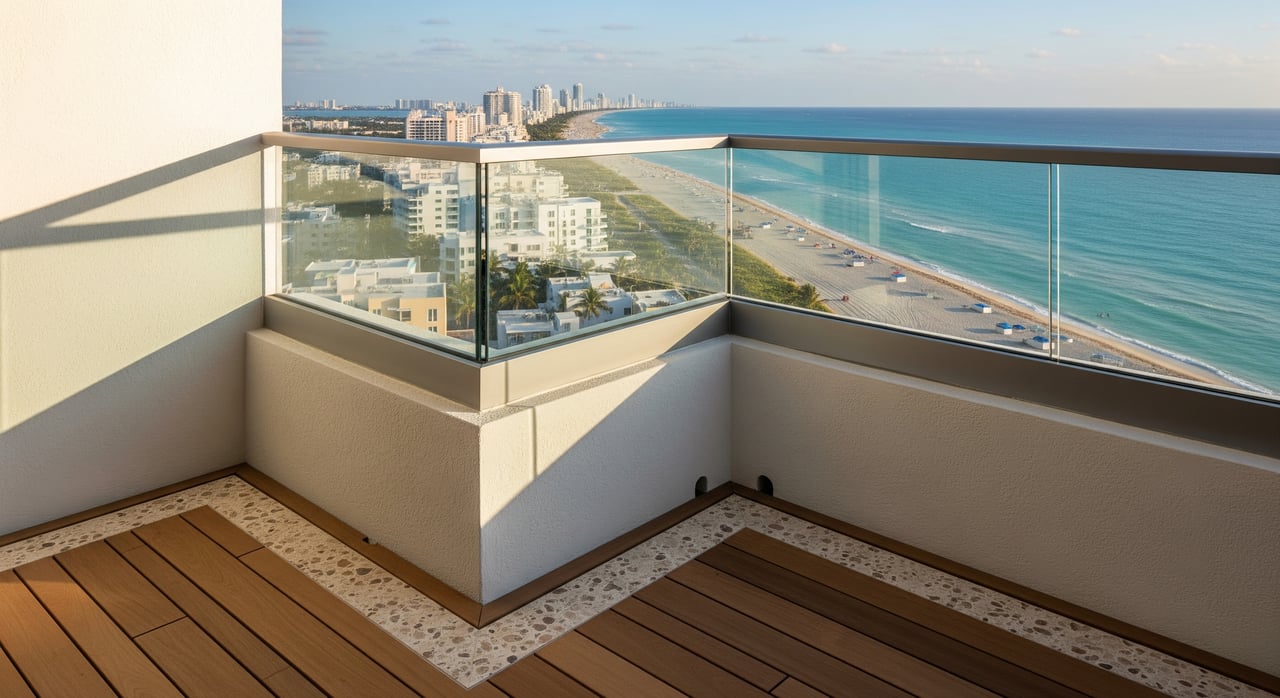
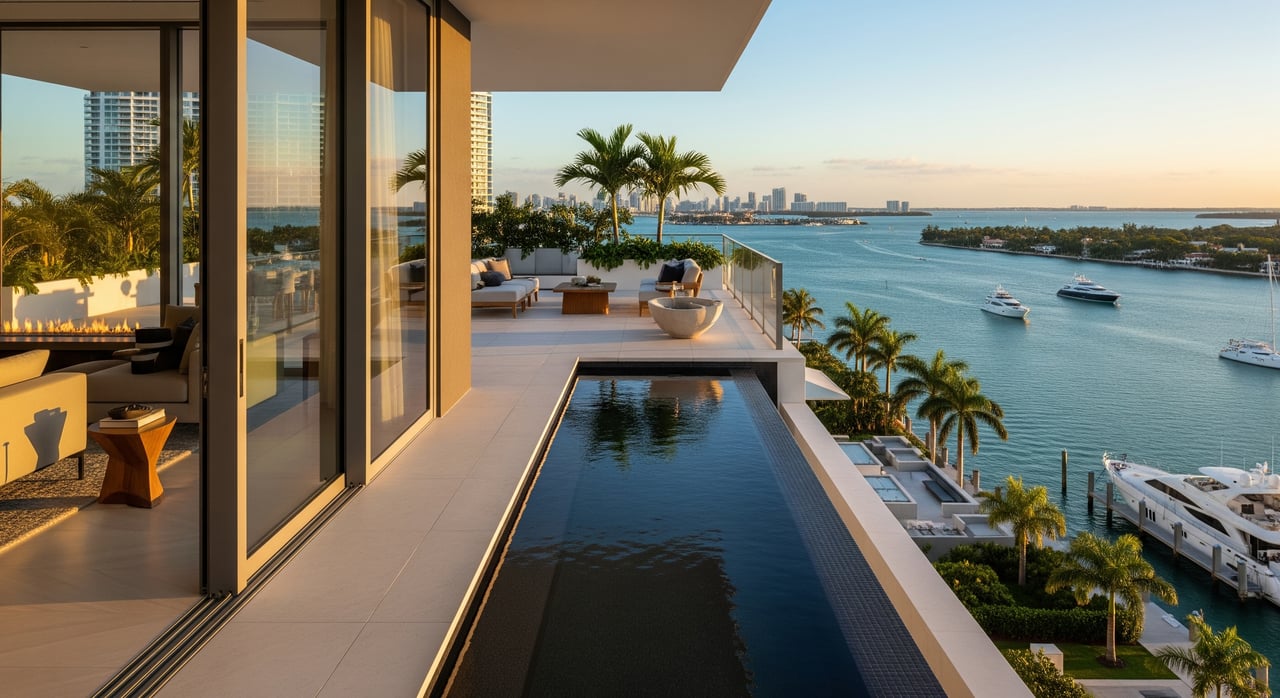
That geography shapes the experience of the property in a very practical way. Some lots feel more open to the bay, while others read more toward skyline views and neighborhood context. That distinction is not a formal zoning term, but it is an important lens when you are judging privacy, outlook, light, and how the site may live day to day.
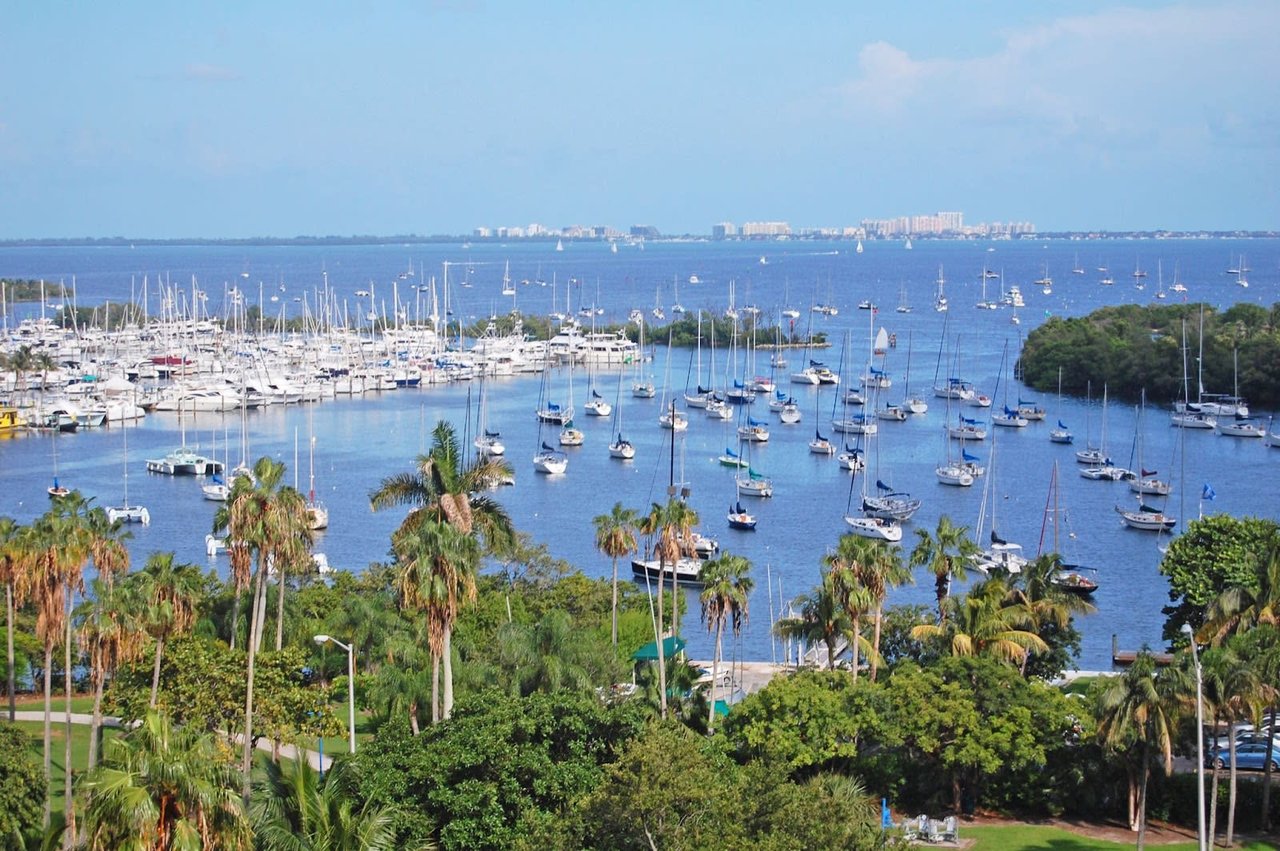
When you tour a lot, pay attention to more than the broad water view. Study the angle of the shoreline, the position of neighboring docks, and how the home site may frame water, bridge, or city views from major rooms and outdoor spaces.
Check Water Depth And Boating Access
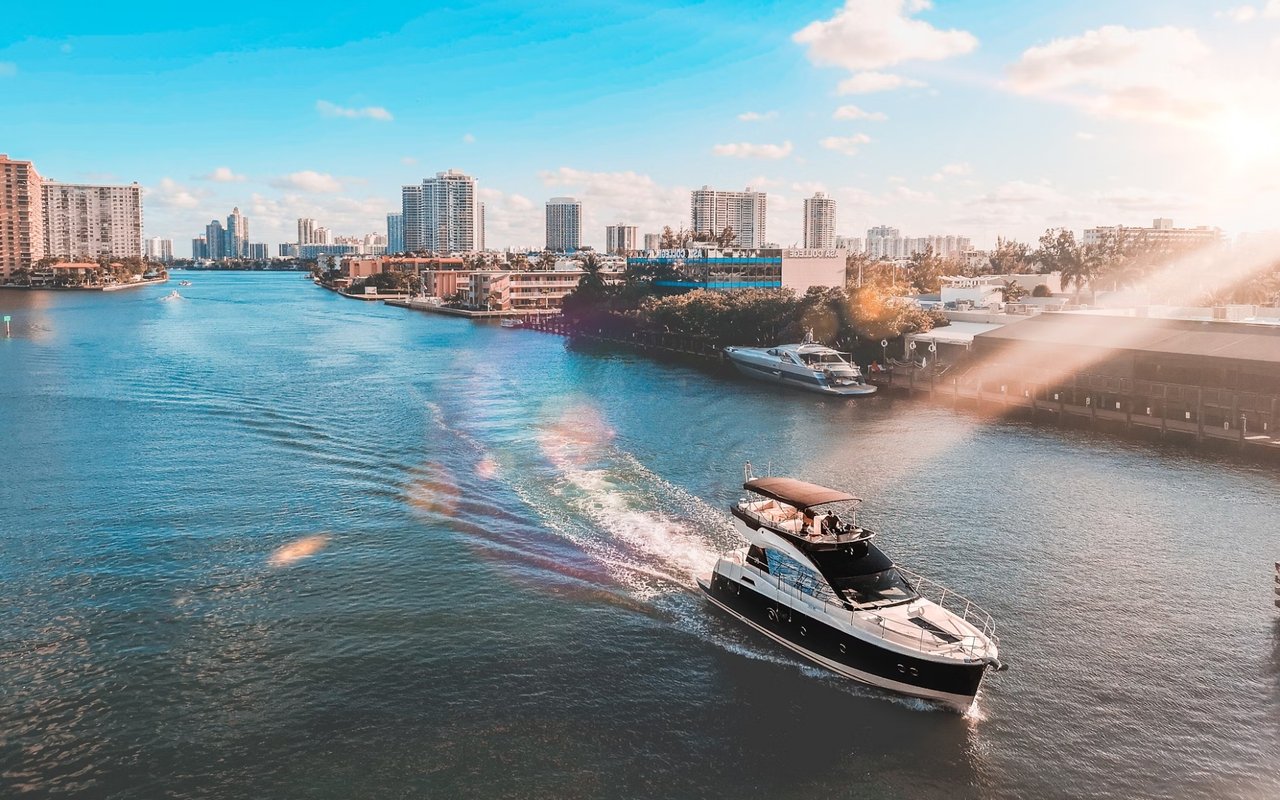
A long shoreline can be appealing, but navigability is often the real test of value for a waterfront parcel. NOAA describes Biscayne Bay as shallow and clear, with dredged channels that support recreational boating.
That means you should evaluate not only the water behind the lot, but also the full route from the dock to open water. A parcel may present beautifully on land while still requiring a more careful review of soundings, tides, and channel access.
If boating is part of your plan, focus on these points early:
- Current water depth at and near the dock line
- Tidal variation that could affect usable depth
- The route from the property to dredged channels
- Whether a bridge sits along that route
- Whether your vessel’s draft and height fit the route comfortably
If a bridge is involved, do not confuse bridge clearance with water depth. The U.S. Coast Guard notes that a bridge clearance gauge measures the space between the bridge’s low steel and the waterline. For drawbridges on your route, standard opening signals and marine radio procedure should also be understood before passage.
Treat The Seawall As Core Infrastructure
On a Sunset Islands lot, the seawall is not a cosmetic feature. It is foundational infrastructure that can affect safety, maintenance planning, shoreline usability, and future improvement costs.
Miami Beach states that it is surrounded by 55 miles of seawall, with only 5 miles publicly owned. The city also notes that seawalls are special construction and require both a building permit and approval from Miami-Dade County DERM.
That is why seawall review should be part of your earliest diligence, not something left for the end of a transaction. Condition, height, age, visible movement, and permit history all matter.
A smart review of the seawall should include:
- Visual condition and signs of cracking or settlement
- Whether prior repairs or replacements were permitted
- Existing elevation relative to surrounding waterfront conditions
- Any known city programs, requirements, or incentive information affecting private owners
Review Dock Type And Permit History
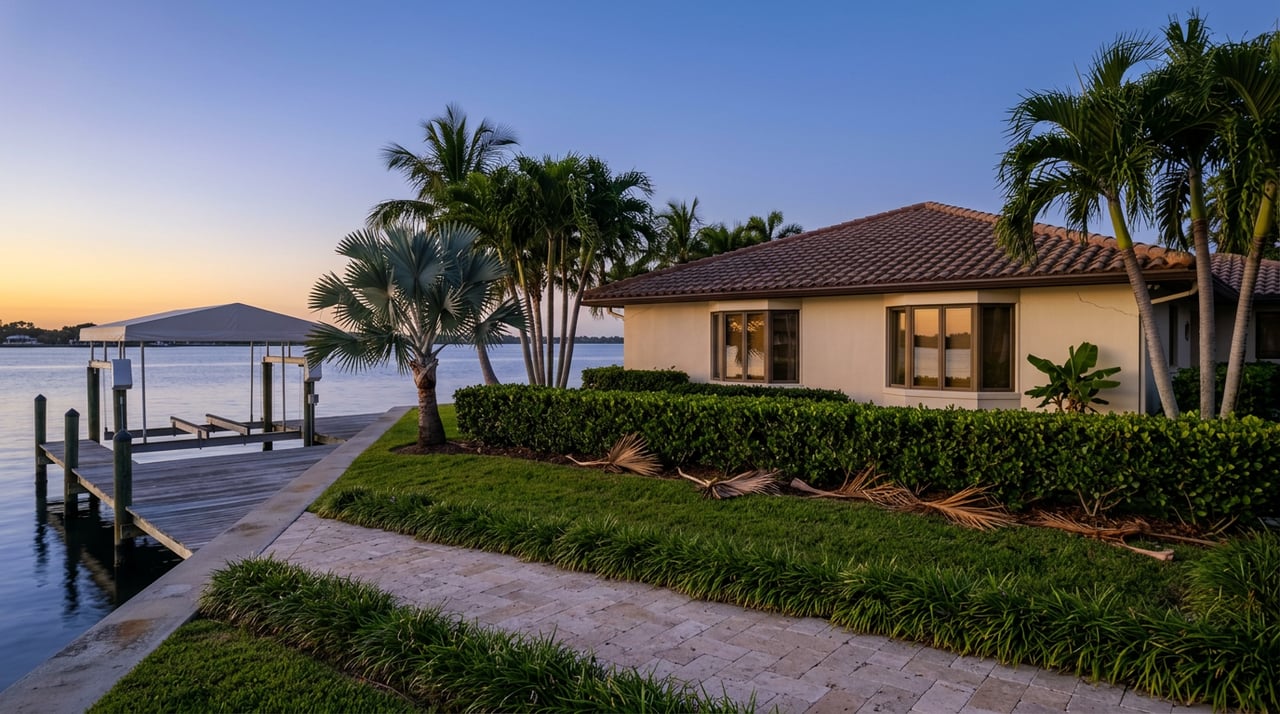
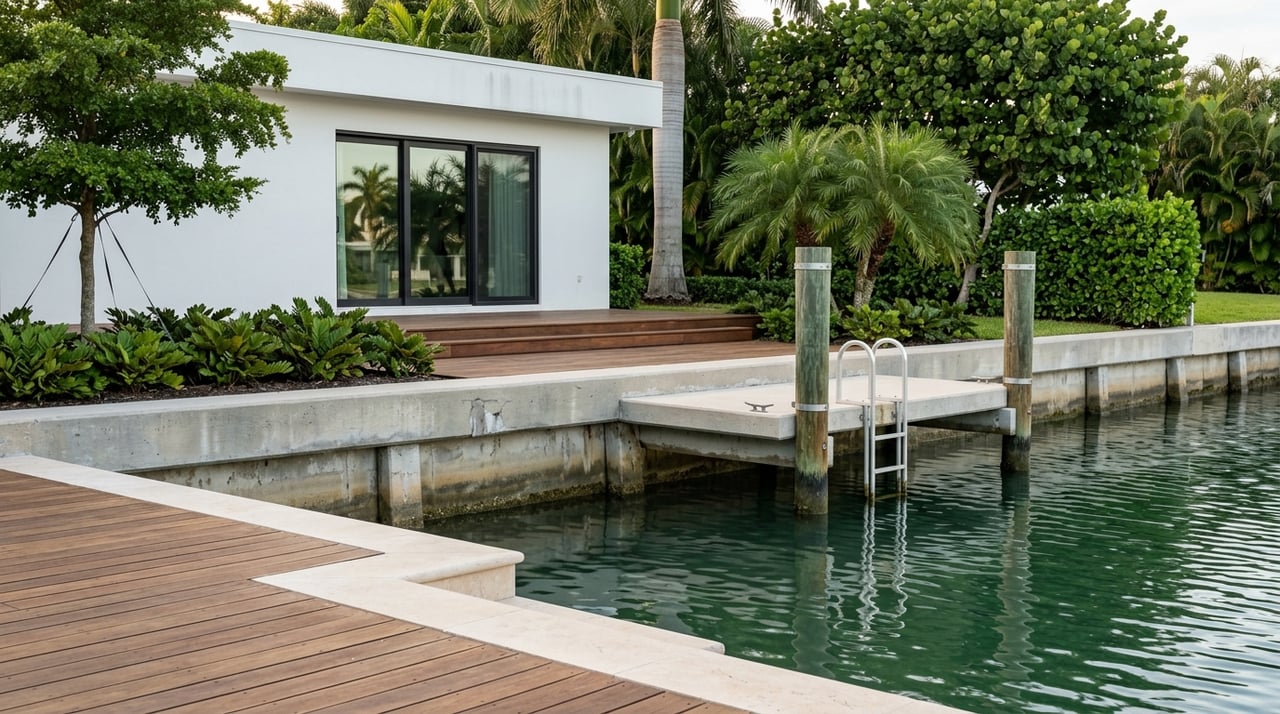
Not all docks function the same way, and not every lot is configured for the same kind of boating use. Miami Beach’s permit guidance distinguishes floating docks from stationary docks, which is a key reminder that dock type can directly affect fit and functionality.
You should also confirm whether pilings, cantilevered elements, and related improvements were properly permitted. A dock that appears usable today may still raise questions if the permit history is incomplete or if the configuration does not match your intended vessel.
Before you assume a lot is boat-ready, verify:
- Dock type
- Slip dimensions and usable edge length
- Piling layout
- Cantilevered structures or related decking
- Permit history for waterfront improvements
Confirm The Exact RS Zoning District
One of the most important steps in evaluating a Sunset Islands lot is confirming the property’s exact single-family zoning district. Miami Beach RS-1 through RS-4 districts allow single-family detached dwellings as the principal use, but the standards vary meaningfully from one district to another.
That variation can change whether a site supports your intended program comfortably or only with compromise. In luxury waterfront markets, that difference can affect both design potential and long-term value.
Here is a simple snapshot of the district minimums noted in Miami Beach code:
| RS District | Minimum Lot Area | Minimum Lot Width |
|---|---|---|
| RS-1 | 30,000 sq ft | 100 ft |
| RS-2 | 18,000 sq ft | 75 ft |
| RS-3 | 10,000 sq ft | 50 ft on oceanfront lots or 60 ft elsewhere |
| RS-4 | 6,000 sq ft | 50 ft |
Miami Beach planning also states that maximum unit size in single-family zoning districts is 50 percent of lot area, and maximum lot coverage is 30 percent for a two-story home. On some properties, additional restrictions may apply, including on lots created by lot split.
Study What You Can Actually Build
A waterfront lot may seem generous on paper while becoming more constrained once setbacks, flood design, landscaping requirements, and building mass are applied. This is especially important if you are evaluating a teardown candidate or a substantial renovation.
Current setback logic in the code matters. For one-story structures, the front setback is 20 feet. For two-story structures, the front setback is 30 feet.
The rear setback is 15 percent of lot depth, with a 20-foot minimum and 50-foot maximum. At least 70 percent of the required rear yard must be sodded or landscaped pervious open space.
Those rules can shape the site plan in ways that are not obvious during a first showing. They affect the building envelope, the pool layout, hardscape areas, and the balance between architecture and landscape.
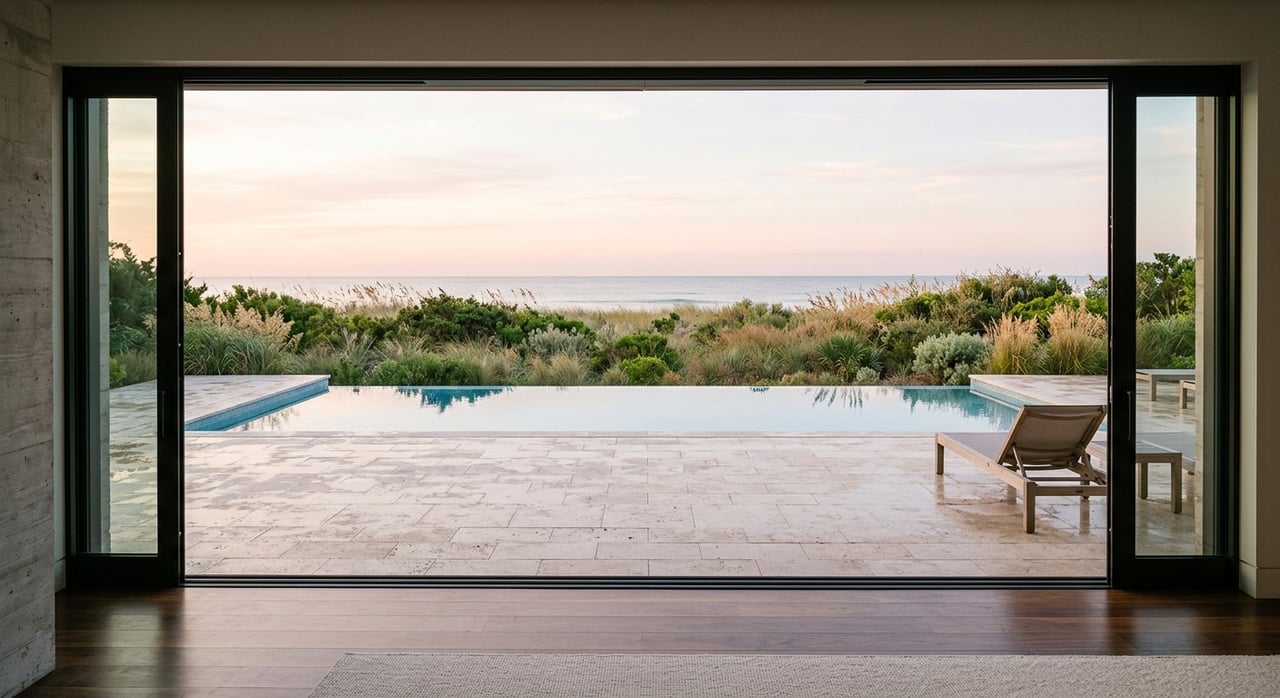
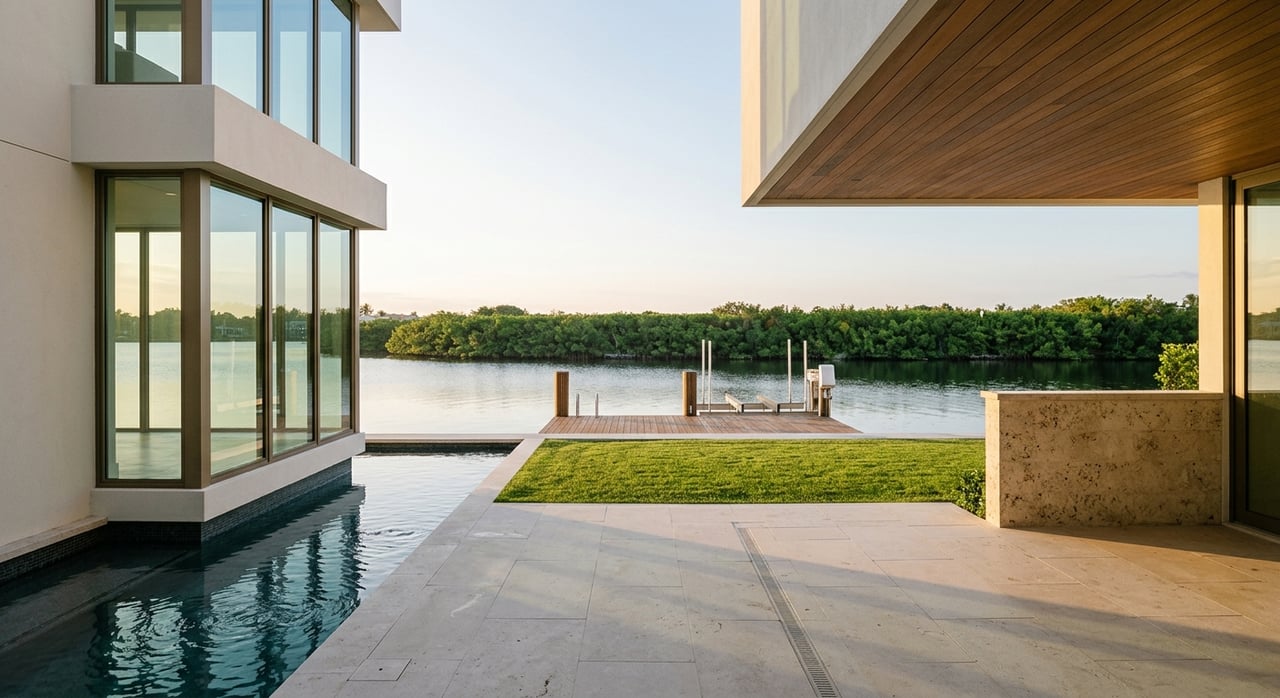
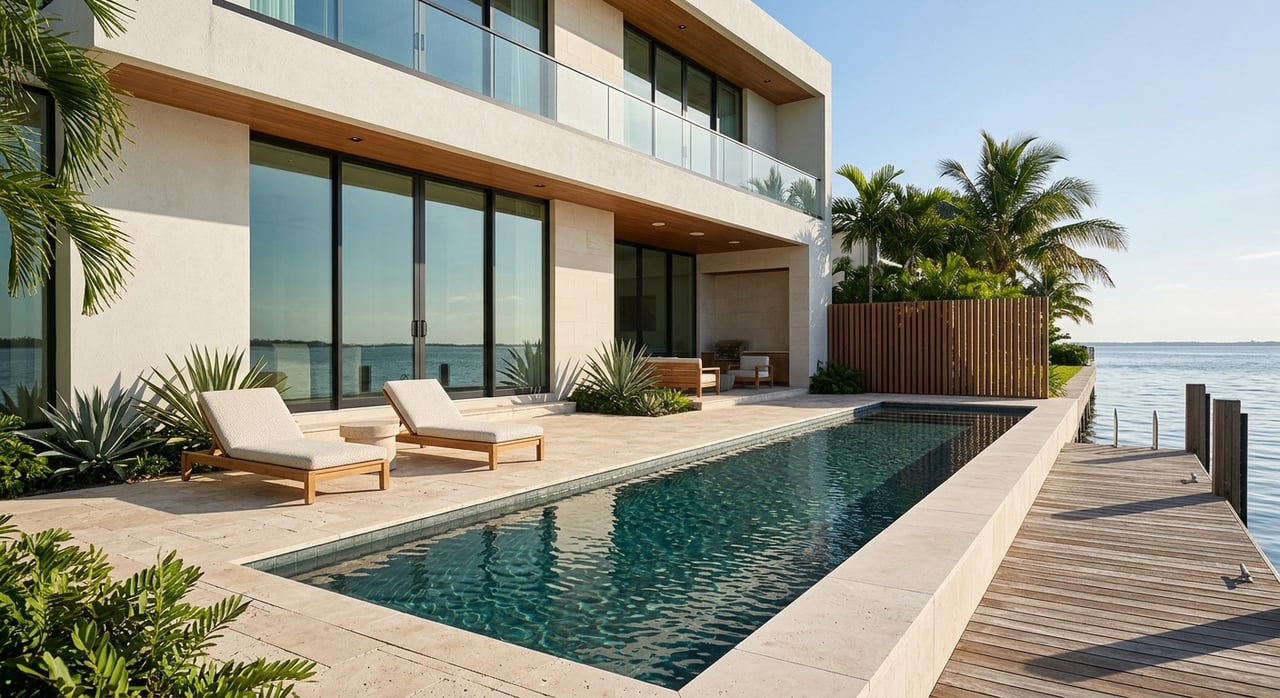
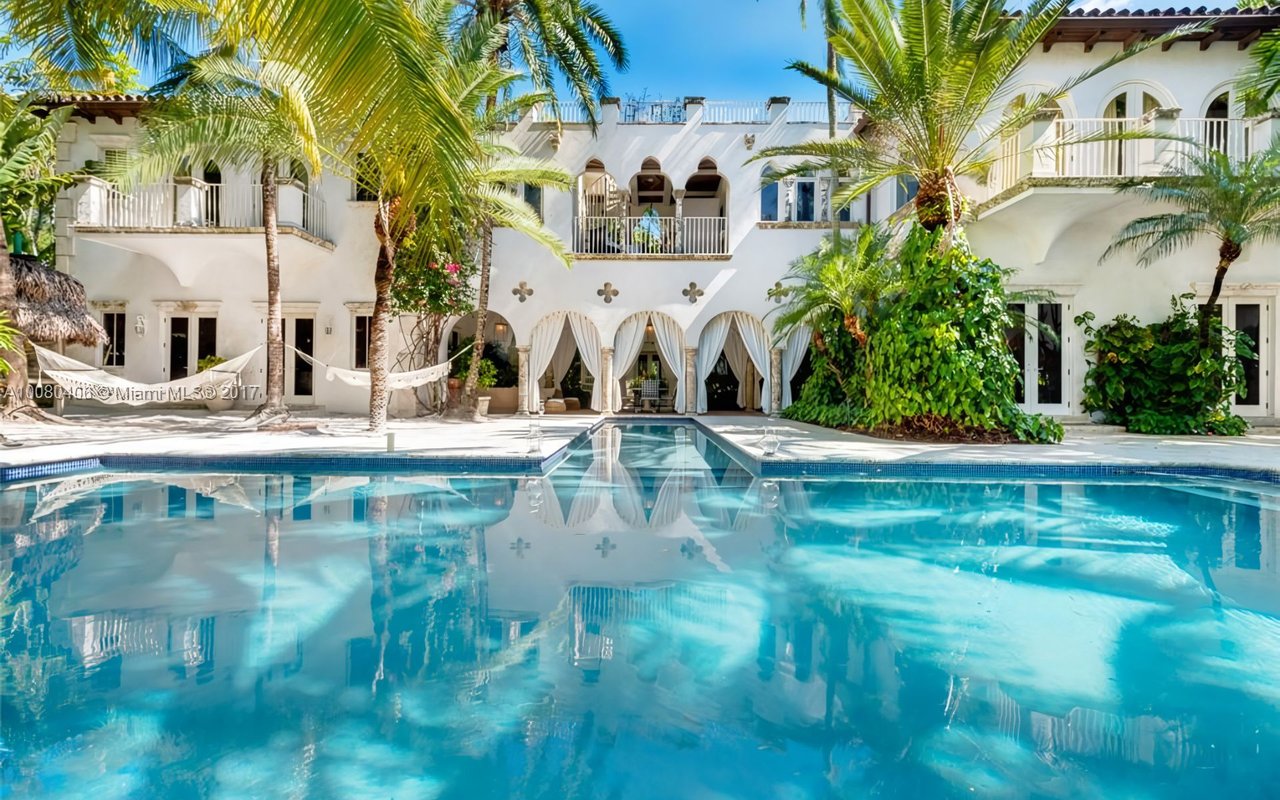
There is also an important waterfront design exception. On lots that abut a bay or canal, swimming pool decks may extend to the property line and connect to a dock and related decking. That can create a very different outdoor plan from what you would see on an interior lot of the same size.
Understand Renovation Triggers Early
If your goal is to renovate rather than start from scratch, do not assume an older home can simply be expanded under its existing conditions. Miami Beach code states that new construction connected to a renovation that exceeds 50 percent of the value determination must meet the setback regulations then in force, unless a stated exemption applies.
That rule can have major design consequences. A house that looks like a strong remodel candidate may, after review, function more like a redevelopment analysis.
Miami Beach planning also notes that Design Review Board approval can become necessary when a project requests waivers or includes an understory. If the lot sits near historic elements, broader context also matters. The Sunset Island Bridges Nos. 1, 2 and 4 are listed by the city’s Historic Preservation Board as a designated historic structure, which may be relevant when a buyer is considering nearby alterations or access-related work.
Don’t Overlook Accessory Structure Limits
Buyers often picture a complete waterfront compound: guest space, cabana, outdoor entertaining, and a seamless dock-to-pool relationship. That vision may be possible, but accessory structures are not unlimited.
Miami Beach code allows accessory structures such as cabanas or guest quarters only as accessory uses, and they are governed by their own coverage, height, and setback rules. If these elements matter to your program, they should be studied with the same care as the main residence.
Evaluate Flood Exposure And Insurance Profile
Flood diligence is essential on any Miami Beach waterfront purchase, and especially on the bay side. Miami Beach states that 93 percent of all buildings are in the Special Flood Hazard Area. The city notes that flood insurance is required for federally backed mortgages and recommended for all properties.
For buyers, this is not just an insurance line item. Flood elevation and compliance can influence renovation feasibility, timing, and the property’s ongoing carrying cost.
Miami Beach also states that FEMA elevation certificates are required for new construction and substantial improvements. If the lowest floor is below the required flood design elevation, the city notes that the substantial-improvement 50 percent rule can trigger elevation work.
In practical terms, you will want to understand:
- Current elevation certificate status
- The lowest floor elevation
- Whether prior work may affect compliance analysis
- How the flood profile may shape future renovation plans
- The likely insurance implications of the property’s condition and design
Build A Strong Due Diligence Checklist
The most successful waterfront buyers treat lot evaluation as a layered process. On Sunset Islands, that means combining design vision with technical review before you commit.
A practical checklist should include:
- A current survey with exact lot dimensions
- Confirmation of the property’s RS zoning district
- A tide-aware depth check or marine review
- Seawall and dock permit history
- A flood elevation certificate
- Review of any needed Design Review Board or Historic Preservation Board path
- Title review for easements and water-access rights
This kind of diligence helps you move beyond the romance of the setting and toward a more precise understanding of what the parcel can support. On a trophy waterfront address, that precision is often what protects both lifestyle and capital.
Why Precision Matters On Sunset Islands
The best waterfront lots on the Sunset Islands are more than beautiful. They are highly specific assets where orientation, infrastructure, code, and water access all intersect.
If you evaluate those layers carefully, you put yourself in a stronger position to buy with intention. You can compare parcels more intelligently, shape a realistic design brief, and avoid expensive assumptions about what the site can do.
For buyers who care about architecture, shoreline use, and long-term value, this is where disciplined analysis becomes an advantage. To discuss a Sunset Islands parcel with discretion and a design-driven lens, book a private consultation with Michael Duchon.
FAQs
What should you check first on a Sunset Islands waterfront lot?
- Start with the lot’s orientation, exact zoning district, current survey, and waterfront access conditions, including water depth, dock setup, and seawall status.
Why does water depth matter for a Miami Beach waterfront parcel?
- Biscayne Bay is shallow in many areas, so usable boating access depends on current depth, tides, and the route from the dock to dredged channels, not just shoreline length.
What zoning details matter most for a Sunset Islands lot?
- You should confirm the exact RS district, since lot minimums, width requirements, buildable area, lot coverage, setbacks, and other design constraints can vary significantly.
How do flood rules affect a waterfront lot in Miami Beach?
- Flood rules can affect insurance needs, renovation feasibility, elevation requirements, and overall carrying costs, especially if substantial improvements are planned.
What documents are important during Sunset Islands waterfront due diligence?
- Key items include a current survey, flood elevation certificate, seawall and dock permit history, zoning confirmation, title review for easements or water-access rights, and any applicable board review path.