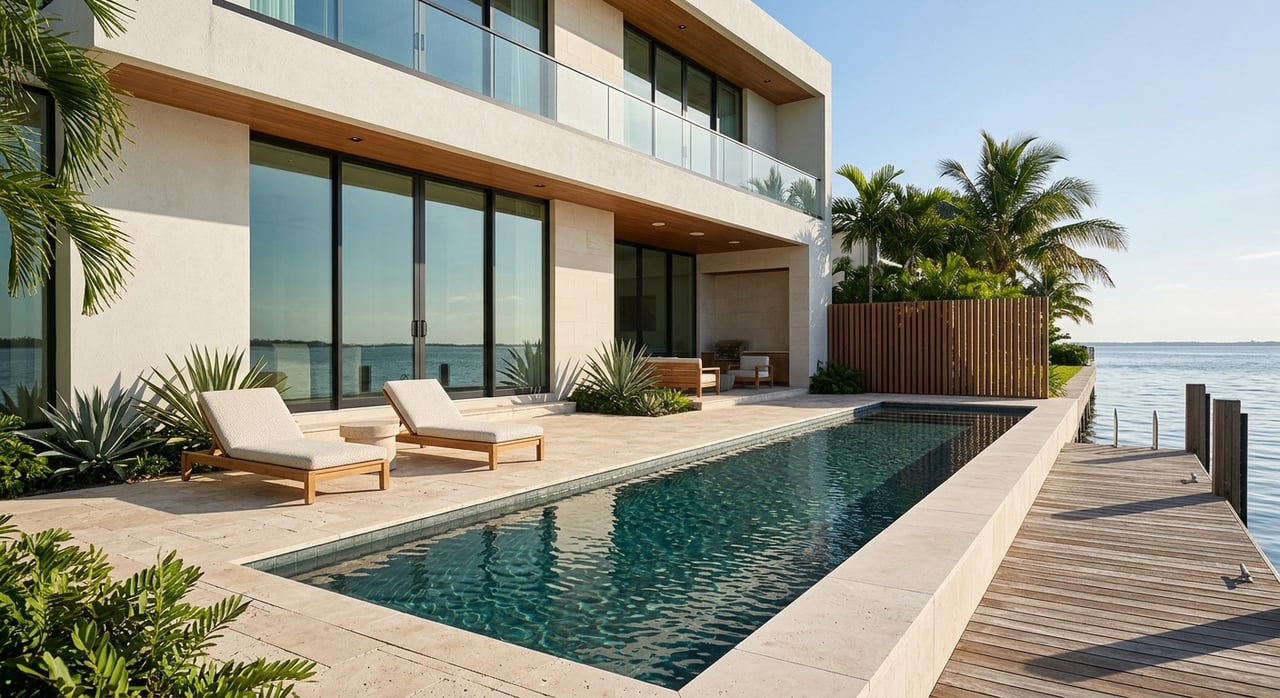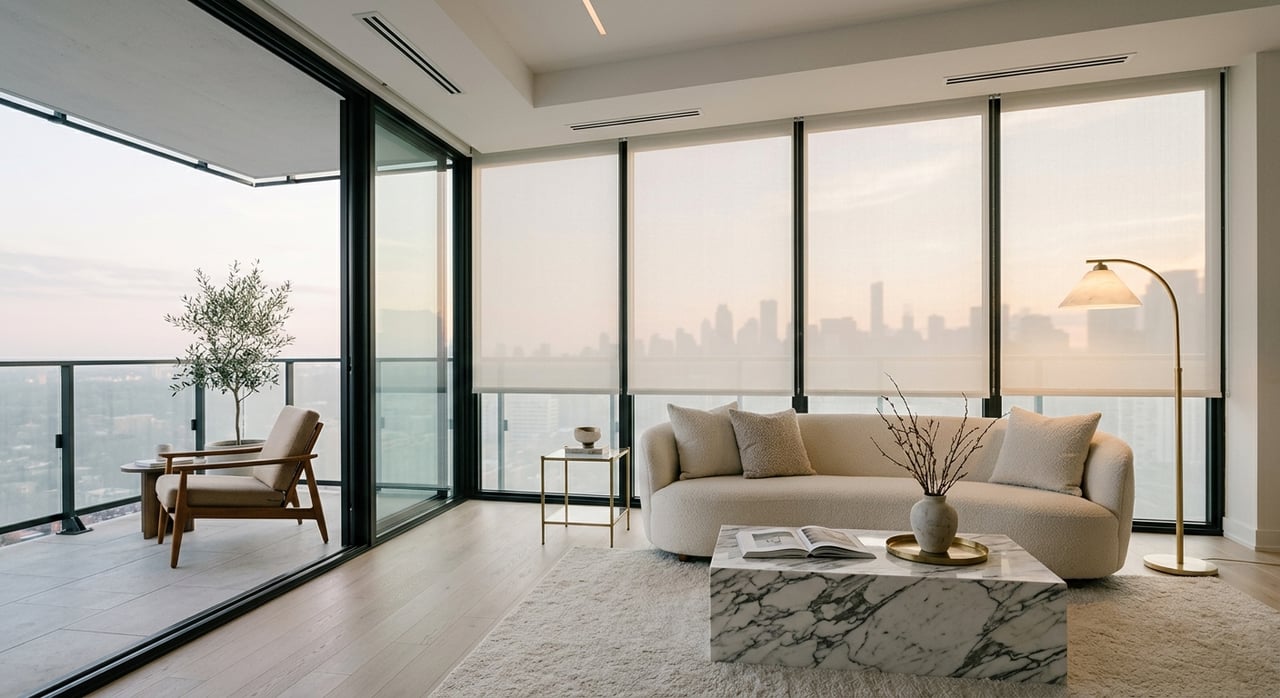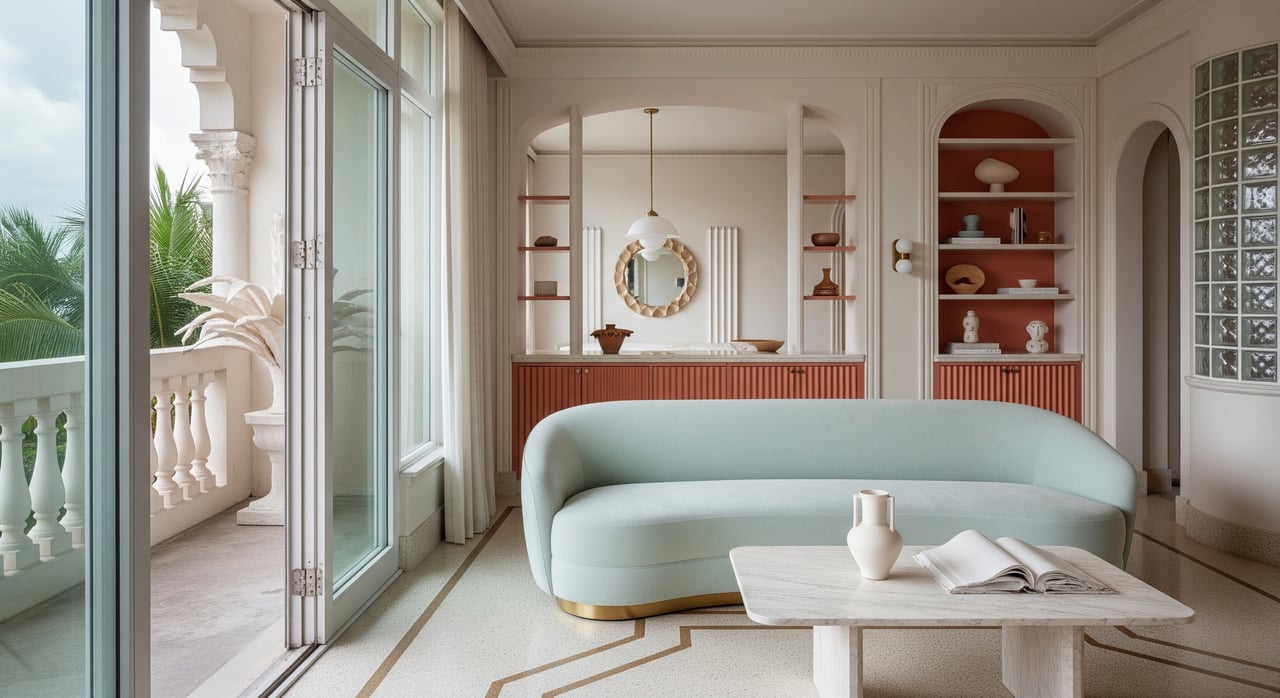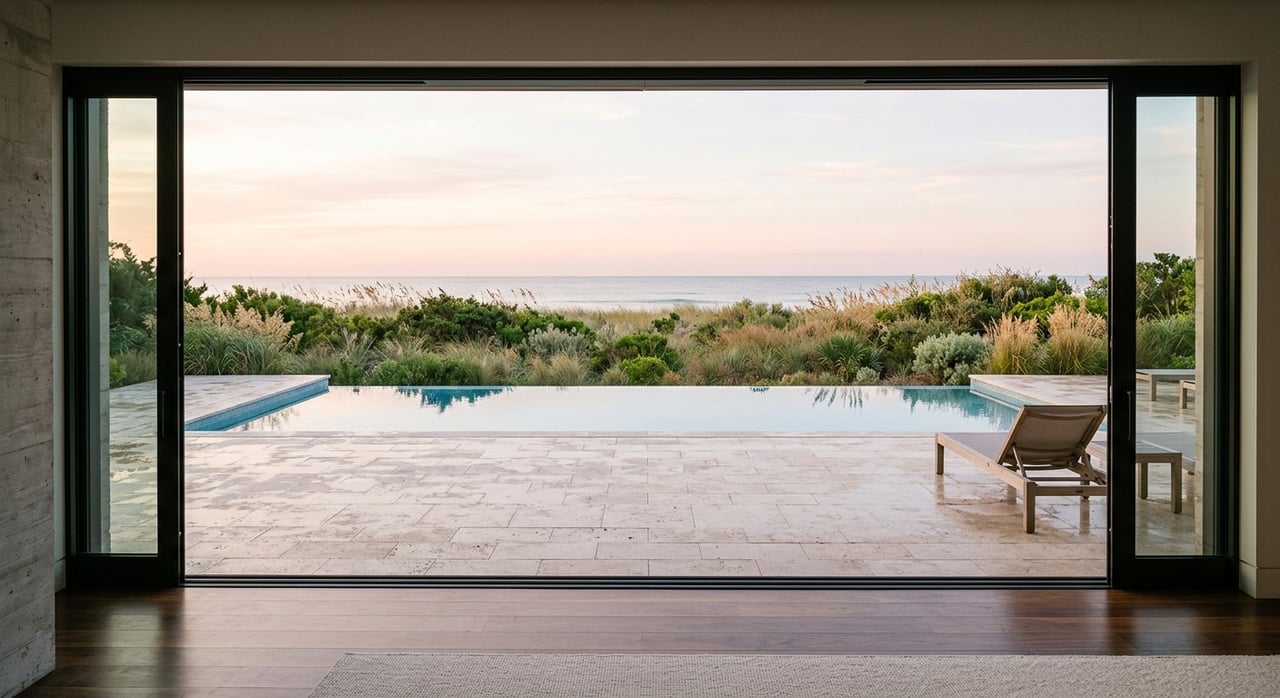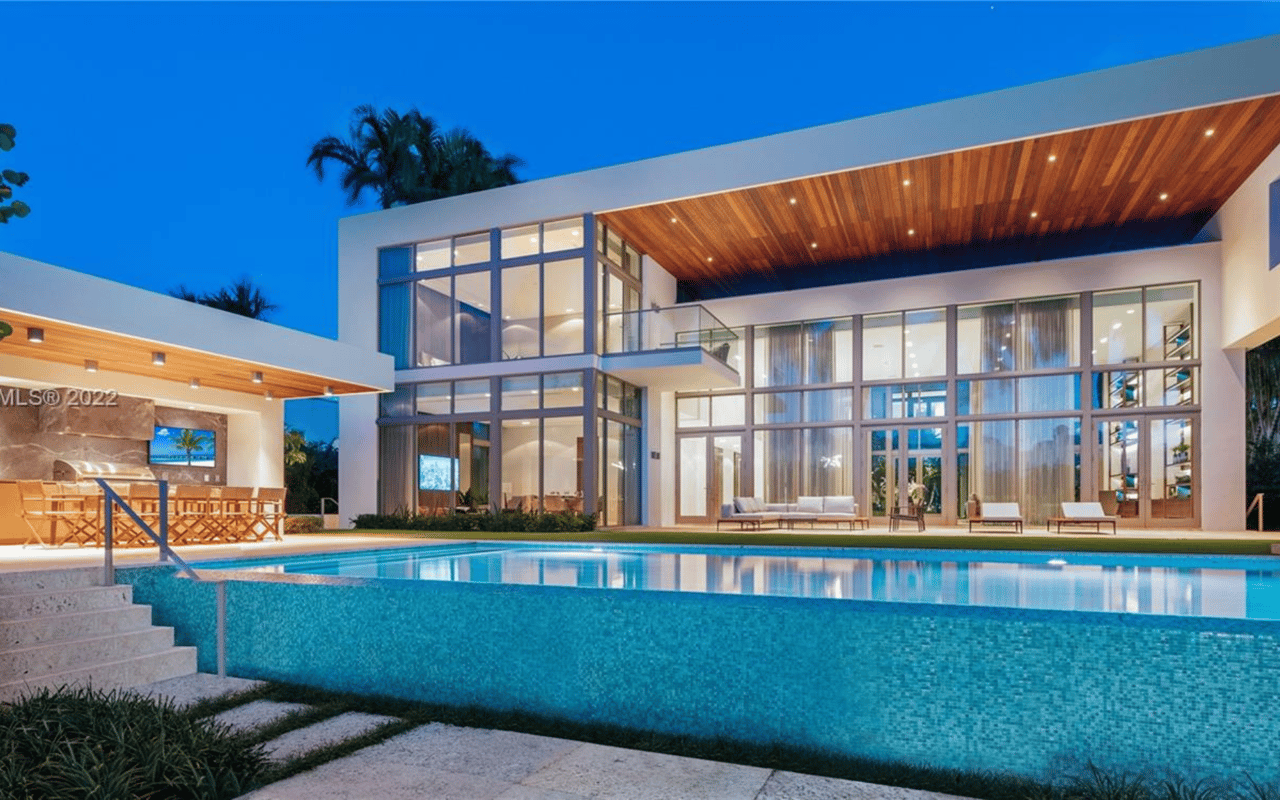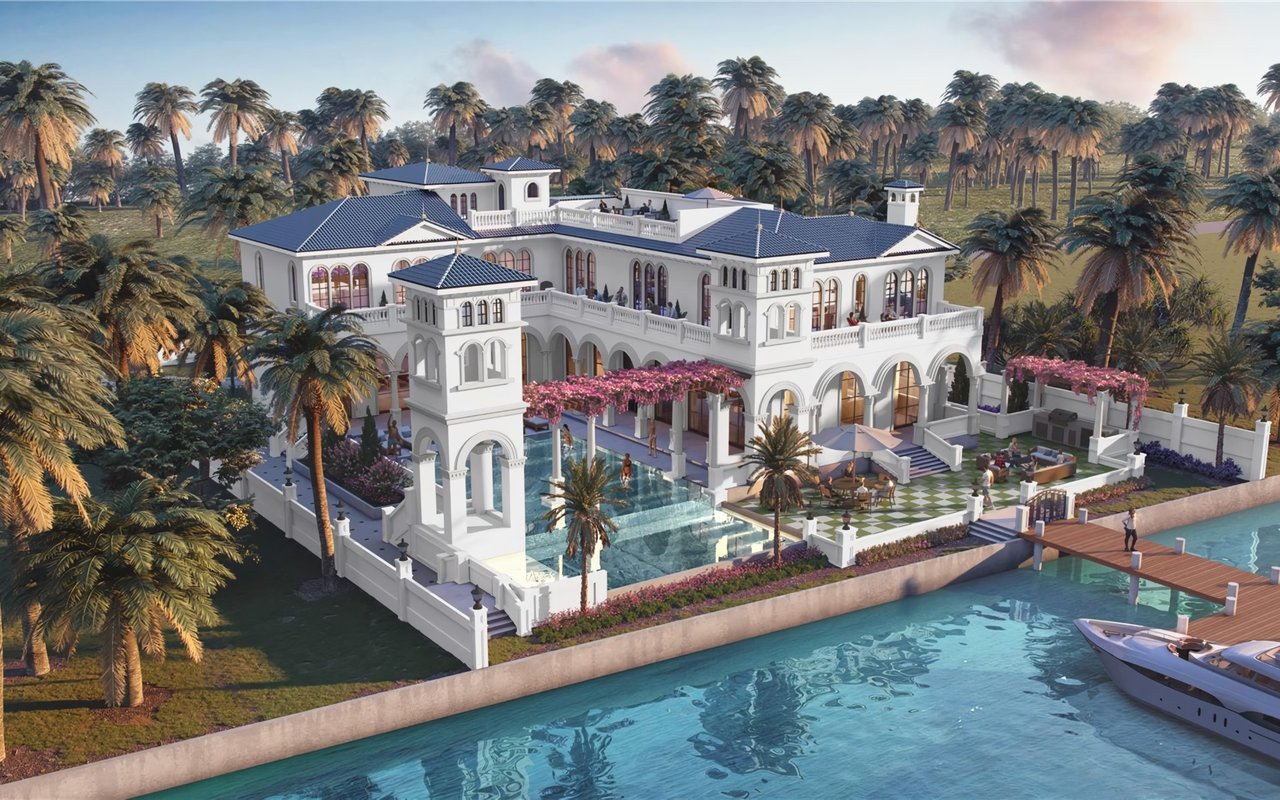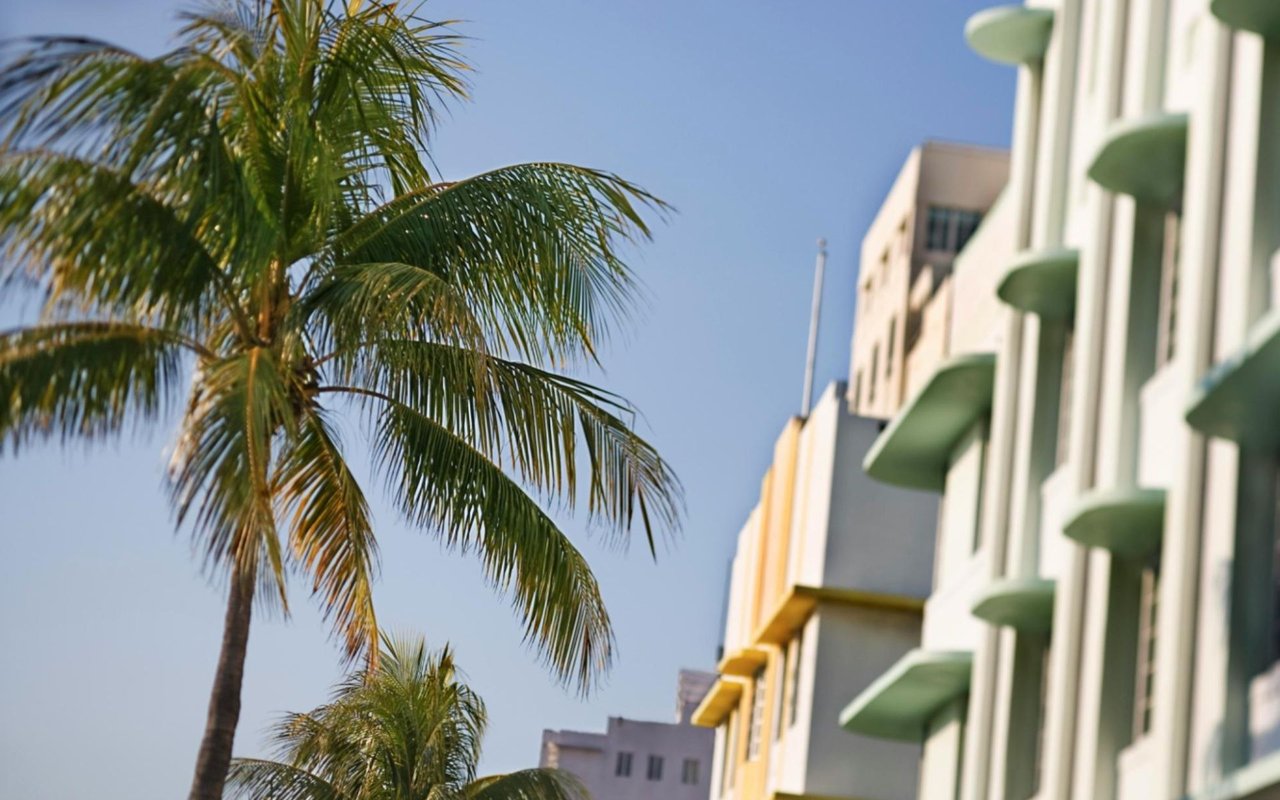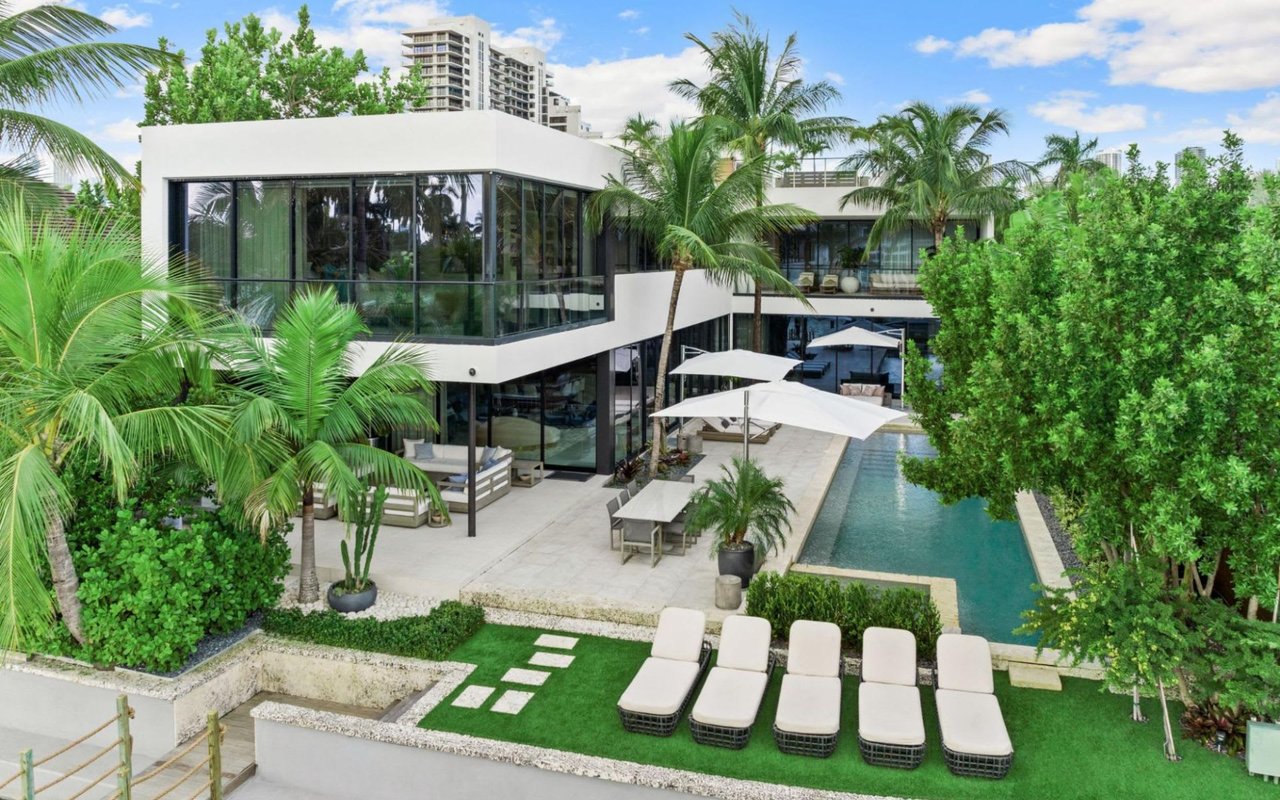
If you care as much about architecture, setting, and atmosphere as square footage, Coconut Grove tends to stand out quickly. In a city known for constant reinvention, the Grove offers something harder to replicate: a layered neighborhood identity shaped by preserved character, lush streets, waterfront access, and a creative village rhythm. For design-driven Miami buyers, that combination can feel unusually complete. Let’s dive in.
Coconut Grove’s design appeal starts with character
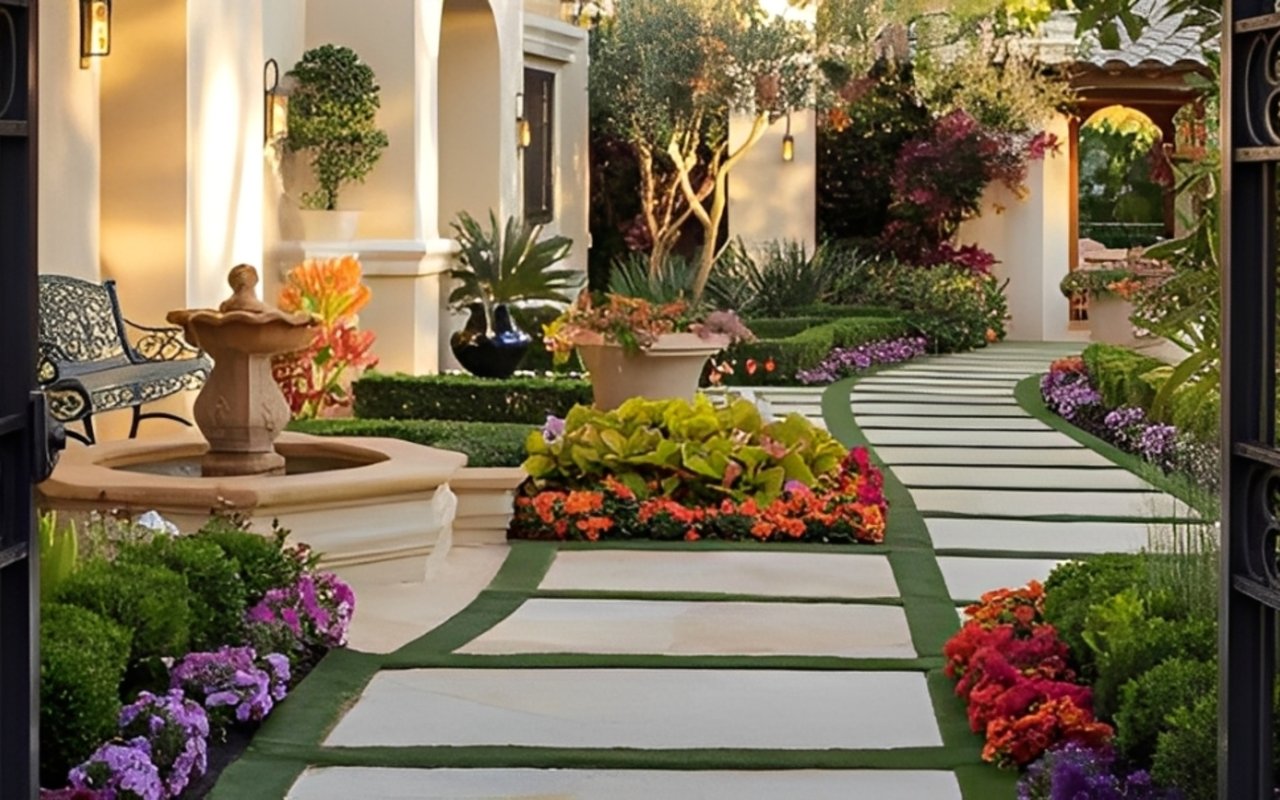
One reason Coconut Grove resonates with design-minded buyers is that its appeal is not built on a single look. According to the City of Miami’s neighborhood conservation district materials, the rules in the Grove are intended to preserve its historic, heavily landscaped character, tree canopy, green space, bay views, architectural variety, and historic structures.
That matters if you are looking beyond finishes and into the feel of a place. The Grove is valued for its historic legacy, natural aesthetic, walkable character, and access to water, which creates a sense of continuity that many buyers find compelling.
Conservation supports a lasting sense of place
For buyers who are drawn to design, context often matters as much as the home itself. In Coconut Grove, planning rules help preserve the low-rise, green, character-rich setting that makes the neighborhood distinct within Miami.
The city also frames Coconut Grove as Miami’s original neighborhood, founded in 1873 by pioneers, artists, intellectuals, and adventurers. That origin story still shows up in how the neighborhood feels today: less uniform, more layered, and visually shaped by landscape as much as architecture.
Architectural variety adds depth
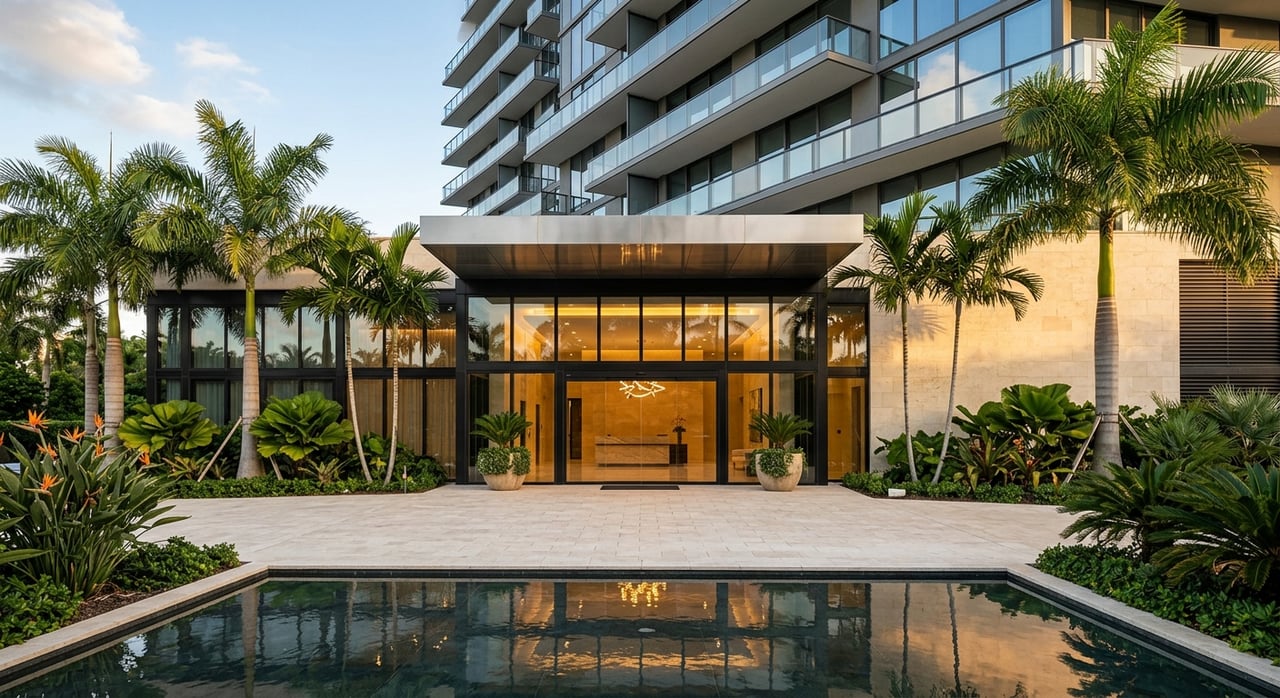
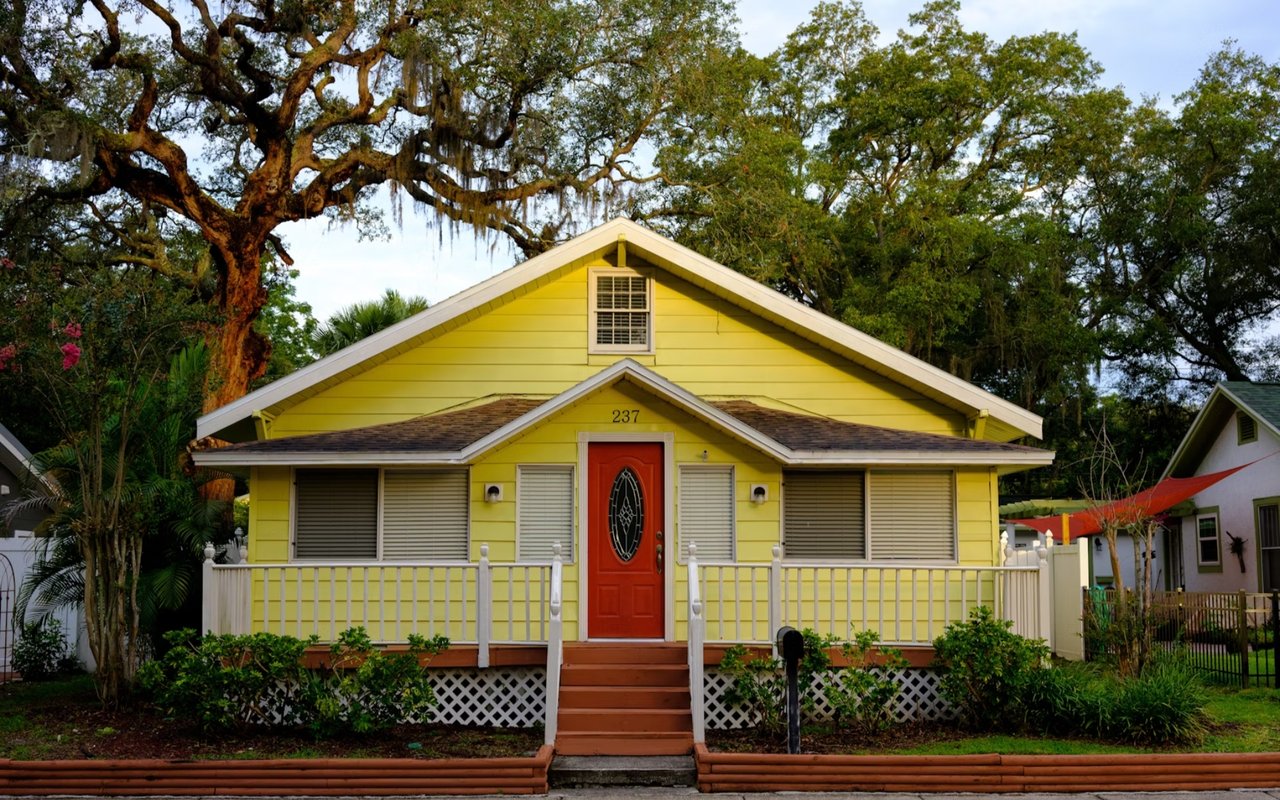
Coconut Grove appeals to buyers who appreciate homes with different forms, eras, and details rather than a one-note streetscape. The city’s historic preservation resources note that Bahamian, or conch, houses appear in the Charles Avenue area, while bungalows are among Miami’s classic early residential forms.
Historic homes also remain part of the neighborhood’s identity. The Barnacle and the Marjory Stoneman Douglas House reflect the Grove’s long-standing connection to low-rise living in leafy, bayfront settings.
Landscape is part of the design story
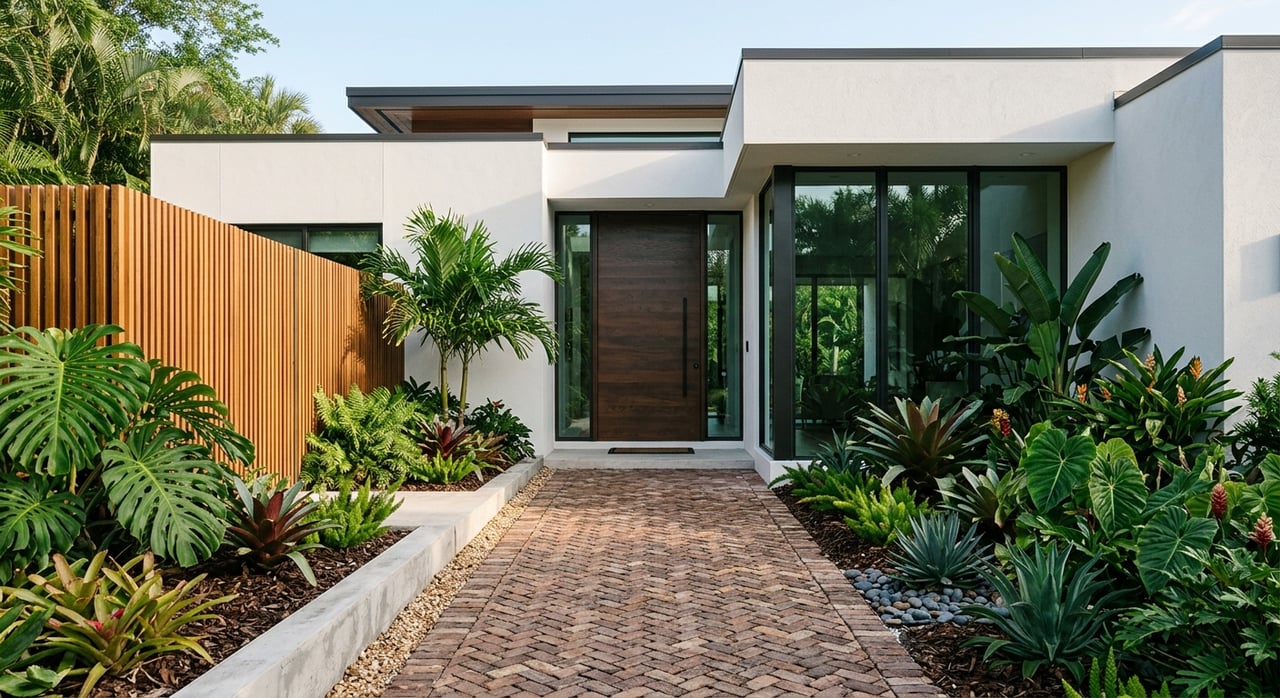
In Coconut Grove, greenery is not just decoration. Tree canopy, planted streets, and open green space are part of the neighborhood’s visual structure, which gives many blocks a softer and more private feel than you might expect in central Miami.
For design-first buyers, that can be a major draw. A well-designed home often feels stronger when it sits in a setting with mature landscaping, filtered light, and a streetscape that does not compete with the architecture.
Village life feels unusually walkable
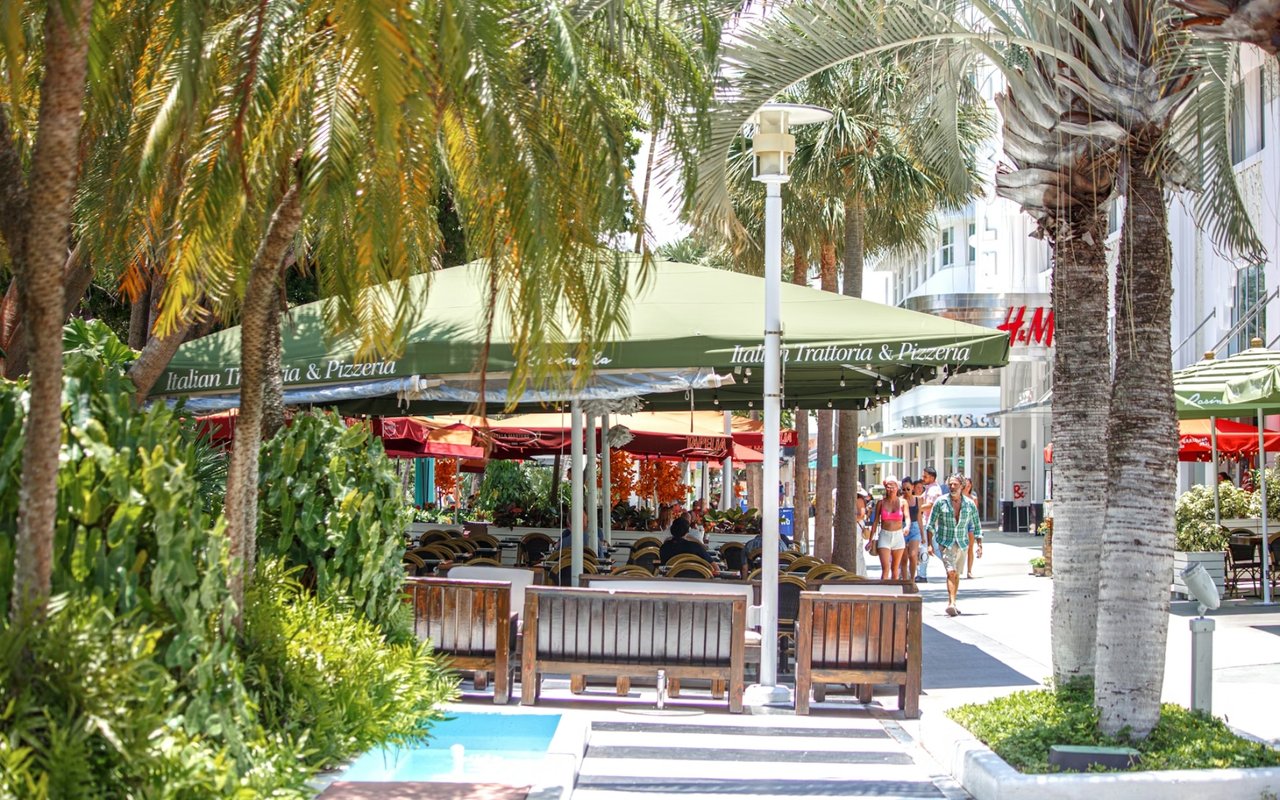
Another part of Coconut Grove’s appeal is that it combines design sensibility with daily ease. CocoWalk is described by the Greater Miami Convention & Visitors Bureau as a leafy urban village with shopping, dining, entertainment, boutiques, cafes, live music, and creative office space.
That mix helps the neighborhood feel active without losing its scale. If you value being able to move between coffee, dinner, errands, and waterfront strolls without defaulting to a car for every outing, the Grove offers a lifestyle that feels both polished and relaxed.
Waterfront access strengthens the lifestyle
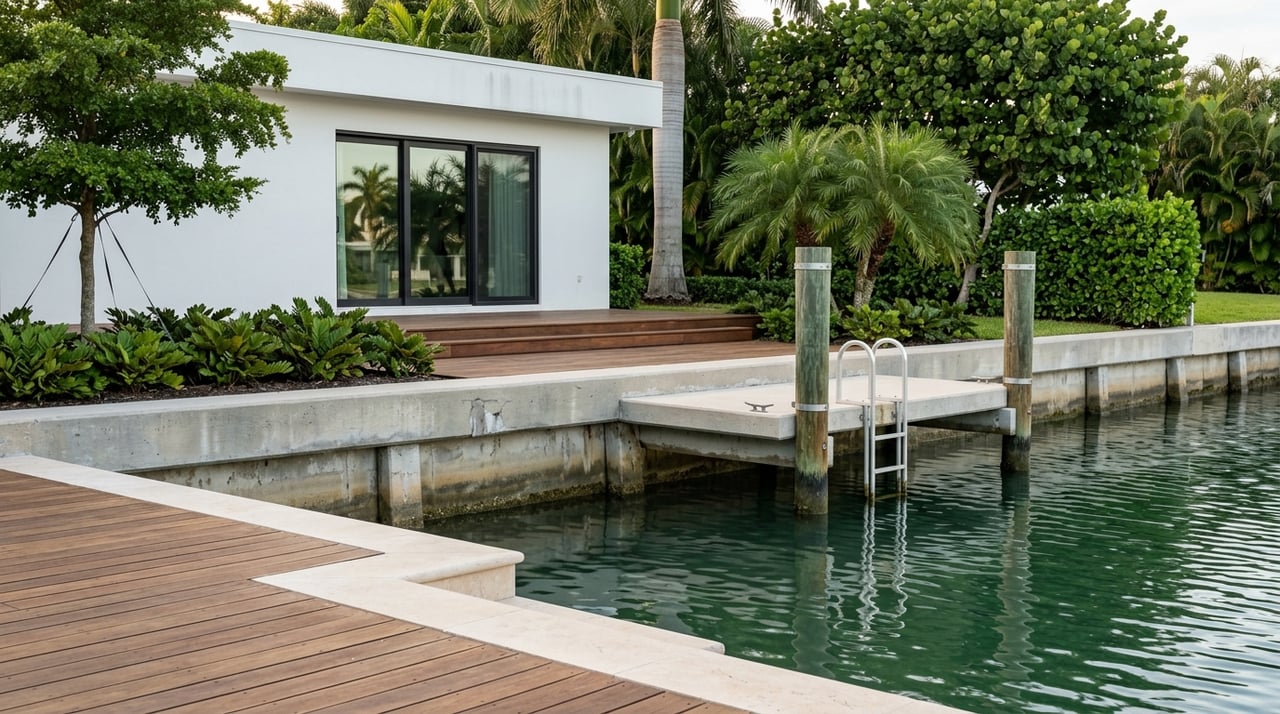
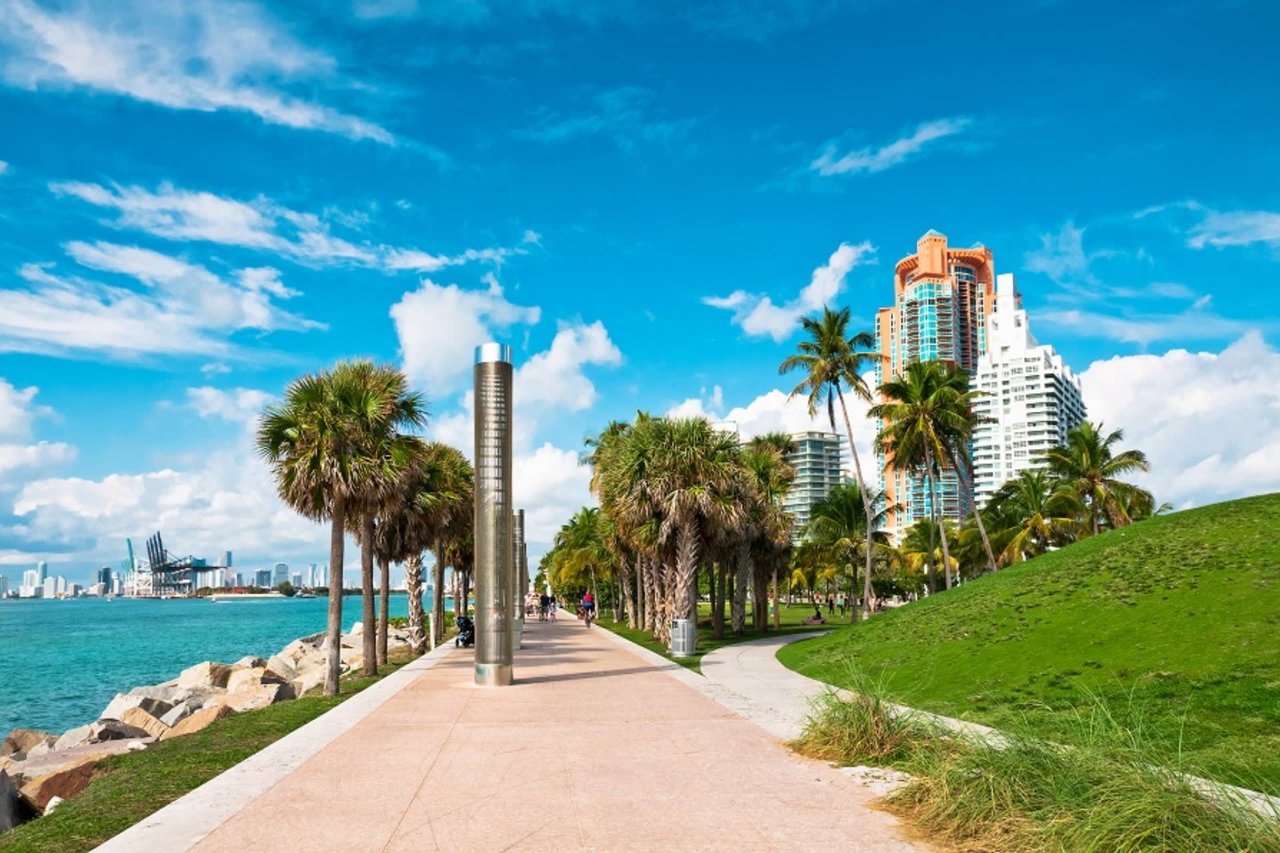
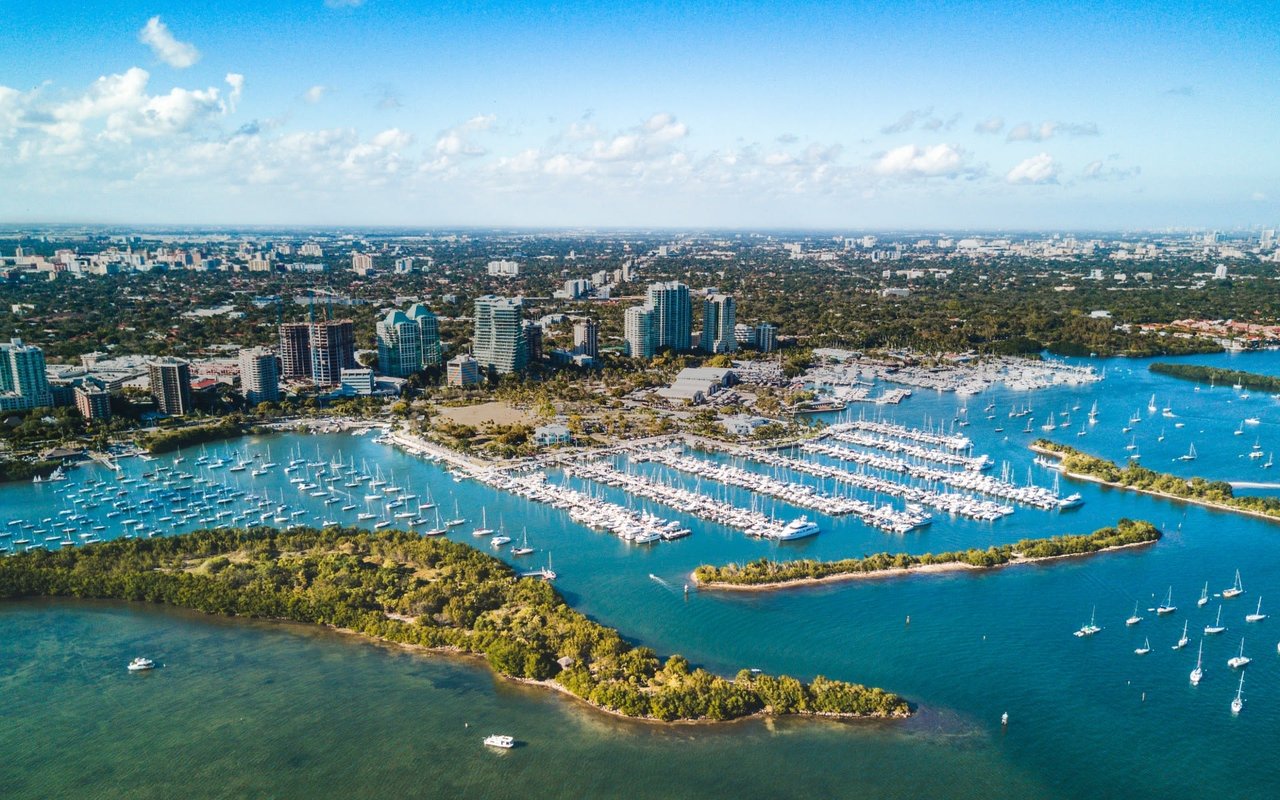
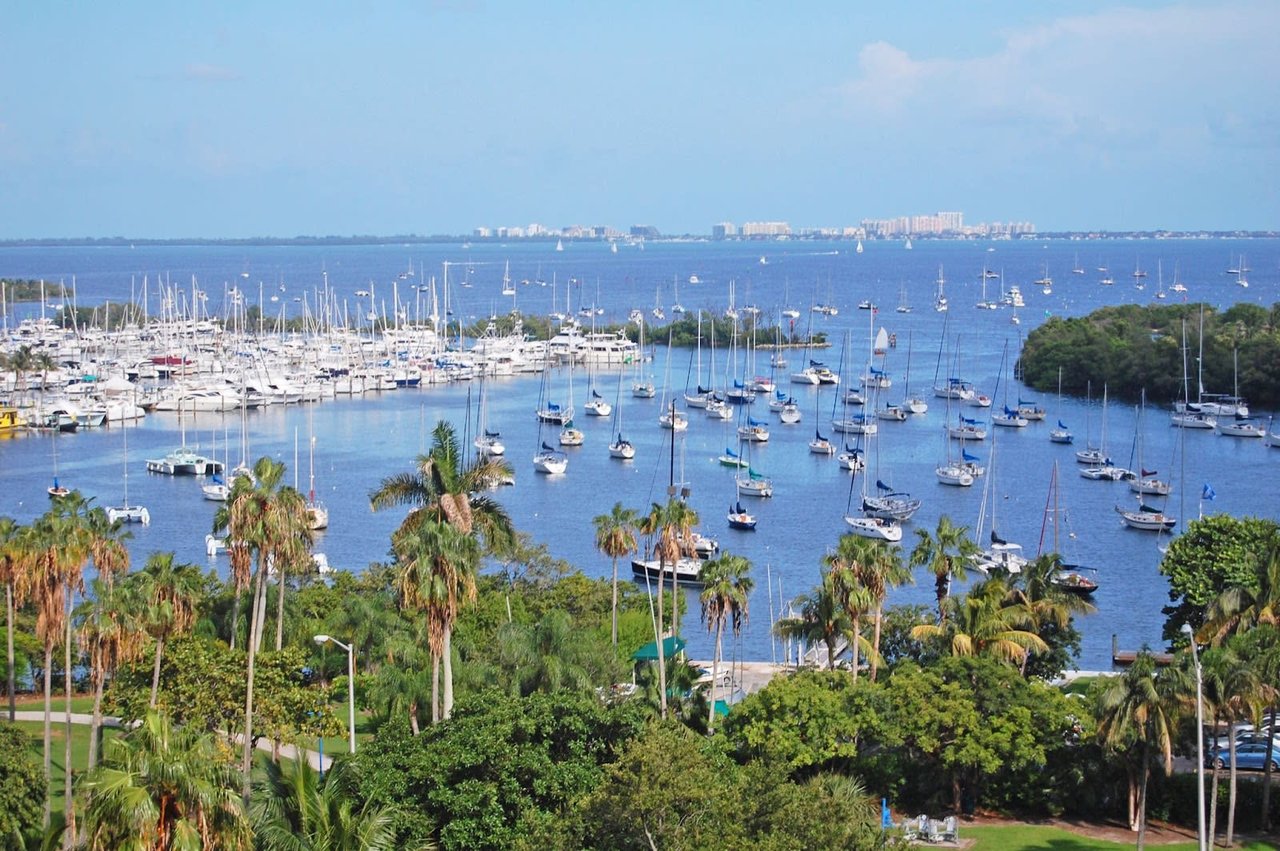
In many Miami neighborhoods, water views are a luxury feature. In Coconut Grove, access to the bay is also part of everyday life. The City of Miami notes that Dinner Key Marina is a short walk from the village core and CocoWalk, creating a rare overlap between marina infrastructure and pedestrian convenience.
That combination is one reason the Grove appeals to buyers who want more than a beautiful address. It supports a lifestyle where design, walkability, and the water all work together.
Dinner Key adds real boating utility
For buyers who spend time on the water, Coconut Grove offers more than ambiance. Dinner Key Marina has 587 wet slips and 250 moorings, and the city also highlights its history as a Pan American flying-boat base.
Even if you are not a boater, that infrastructure shapes the neighborhood’s identity. It reinforces the Grove’s connection to the bay and gives the area a waterfront culture that feels lived-in rather than purely scenic.
Creative energy still defines the Grove
Coconut Grove has long carried a creative reputation, and that remains part of its draw today. The Coconut Grove Arts Festival brings more than 275 artists to the waterfront across multiple media, which speaks to the neighborhood’s continued cultural relevance.
The Secret Garden Tour adds another layer, highlighting private gardens within walking distance of one another and encouraging visitors to explore by walking, biking, or scootering. Together, these events reinforce a neighborhood identity that feels artistic, outdoors-oriented, and visually engaged.
Dining and culture support the aesthetic
Design-minded buyers often look for neighborhoods where the lifestyle feels curated, not generic. In the Grove, the city links the dining scene to a long-standing bohemian reputation, while the Greater Miami Convention & Visitors Bureau notes that Ariete is a Michelin-starred restaurant in Coconut Grove.
That does not mean every buyer is choosing the neighborhood for restaurants alone. It does mean the local experience tends to align with buyers who appreciate craft, detail, and a sense of authorship across everyday life.
Transit and mobility add convenience
Coconut Grove also stands out because its lifestyle is not limited to those who want to drive everywhere. The City of Miami trolley serves the neighborhood and connects it with parks, shopping areas, the Coconut Grove and Douglas Road Metrorail stations, Grove Central, and City Hall.
For some buyers, that extra layer of connectivity matters. It makes the Grove feel more flexible and more usable day to day, especially if you value access without giving up neighborhood atmosphere.
School options broaden buyer interest
For households considering long-term use, Coconut Grove offers several educational options within the neighborhood. Coconut Grove Elementary, located at 3351 Matilda Street, is listed on the current district dashboard as an A school according to Miami-Dade County Public Schools.
Private schools are also present in the area, including Ransom Everglades with two Coconut Grove campuses, Carrollton School of the Sacred Heart on Main Highway, and St. Hugh Catholic Parish and School on Royal Road. Buyers often see that mix of nearby options as part of what makes the neighborhood practical as well as distinctive.
The buyer profile is broader than it seems
Coconut Grove is often associated with design-conscious buyers, and for good reason. Based on the neighborhood’s conservation framework, school access, marina infrastructure, and village amenities, the likely buyer pool includes design-first households, buyers looking for a historic but functional enclave, and boating-oriented purchasers who value privacy and access to the water.
That range is part of the neighborhood’s strength. The Grove can appeal to buyers who prioritize architecture, to those focused on lifestyle, and to those trying to balance both.
Coconut Grove pricing reflects scarcity
Coconut Grove’s market is premium, but the latest numbers suggest it is not overheated. As of March 2026, Realtor.com reports 357 active listings, a median listing price of $2.5 million, $1,149 per square foot, 78 days on market, and a 95% sale-to-list ratio, and classifies the market as balanced.
For buyers, that points to a neighborhood where value is supported by more than branding. Scarcity, preserved character, and a lifestyle mix that is hard to duplicate all help explain why Coconut Grove continues to command premium pricing.
How the Grove compares nearby
Context matters, especially for buyers deciding between Miami’s coastal and bayfront neighborhoods. Here is a quick look at the March 2026 market snapshot from Realtor.com.
| Neighborhood | Active Listings | Median Listing Price | Price per Sq. Ft. | Days on Market | Sale-to-List Ratio | Market Type |
|---|---|---|---|---|---|---|
| Coconut Grove | 357 | $2.5M | $1,149 | 78 | 95% | Balanced |
| Miami Beach | 2,727 | $670K | $719 | 102 | 95% | Buyer’s market |
| Key Biscayne | 182 | $2.1M | $1,108 | 94 | 96% | Buyer’s market |
Compared with Miami Beach, Coconut Grove shows far lower inventory and substantially higher pricing per square foot. Compared with Key Biscayne, it sits in a similar premium range, which suggests buyers are assigning real value to the Grove’s character, planning framework, and village lifestyle.
Why design-driven buyers keep returning
At the high end of the market, buyers are often looking for more than luxury alone. They want coherence between the home, the streetscape, the landscape, and the daily rhythm of the neighborhood.
That is where Coconut Grove has a distinct advantage. Its preserved character, architectural variety, marina access, cultural life, and walkable core create a setting that feels considered rather than manufactured.
If you are weighing where design, lifestyle, and long-term neighborhood identity intersect in Miami, Coconut Grove deserves a close look. And if you want a more tailored perspective on how the Grove fits into the broader luxury market, Michael Duchon can help you evaluate the opportunities with discretion, clarity, and a design-forward point of view.
FAQs
Why does Coconut Grove appeal to design-driven Miami buyers?
- Coconut Grove appeals to design-driven buyers because it combines architectural variety, preserved neighborhood character, mature landscaping, waterfront access, and a walkable village setting.
What architectural styles are part of Coconut Grove’s identity?
- City historic-preservation materials note Bahamian or conch houses in the Charles Avenue area, classic bungalows, and landmark cottages such as The Barnacle and the Marjory Stoneman Douglas House.
How does waterfront access shape life in Coconut Grove?
- Waterfront access is a major part of the neighborhood’s lifestyle because Dinner Key Marina is close to the village core and offers extensive marina infrastructure, including 587 wet slips and 250 moorings.
What makes Coconut Grove different from Miami Beach for buyers?
- Coconut Grove offers a lower-inventory, character-rich, low-rise environment with a higher median listing price and higher price per square foot than Miami Beach, according to the March 2026 Realtor.com data in the research.
Are there school options in Coconut Grove for buyers considering long-term use?
- Yes, the neighborhood includes Coconut Grove Elementary, listed as an A school on the current district dashboard, along with nearby private-school options such as Ransom Everglades, Carrollton School of the Sacred Heart, and St. Hugh Catholic Parish and School.
Is Coconut Grove a balanced or buyer’s market?
- As of March 2026, Realtor.com classifies Coconut Grove as a balanced market.