If you are looking at an oceanfront estate in Golden Beach, you are not just buying a house. You are buying into one of the most tightly held residential settings in Miami-Dade, where privacy, land use, and daily access rules shape the ownership experience as much as the architecture itself. Before you make a move, it helps to understand what truly drives value here, from lot constraints to beach access to the premium attached to direct ocean frontage. Let’s dive in.
Golden Beach is a rare single-family enclave
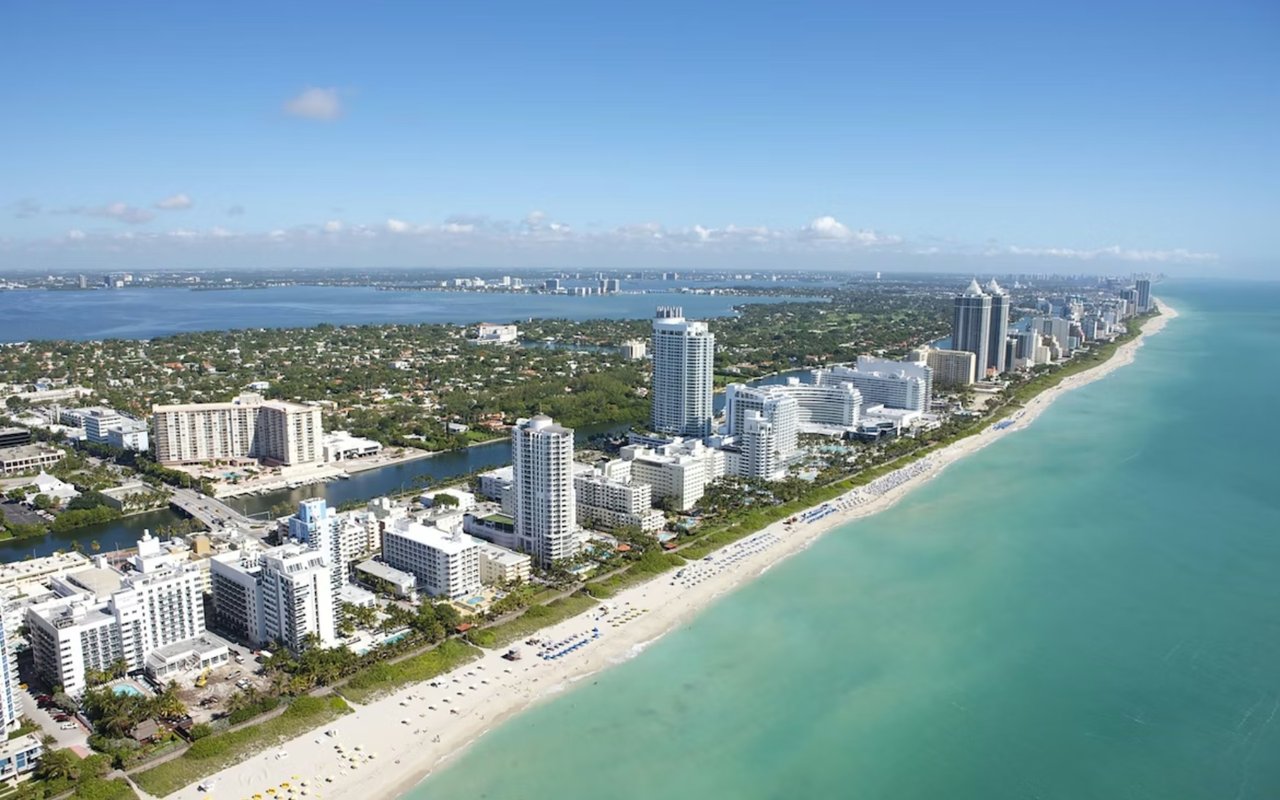
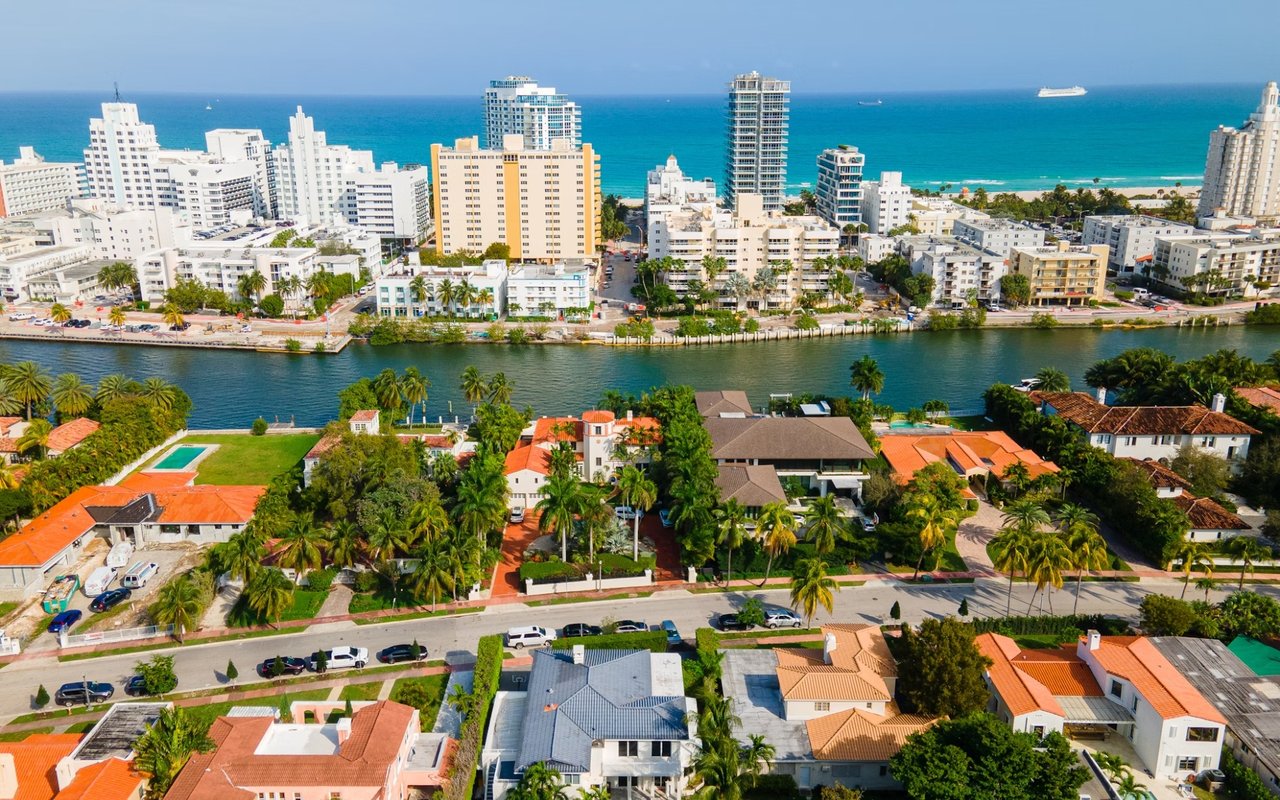
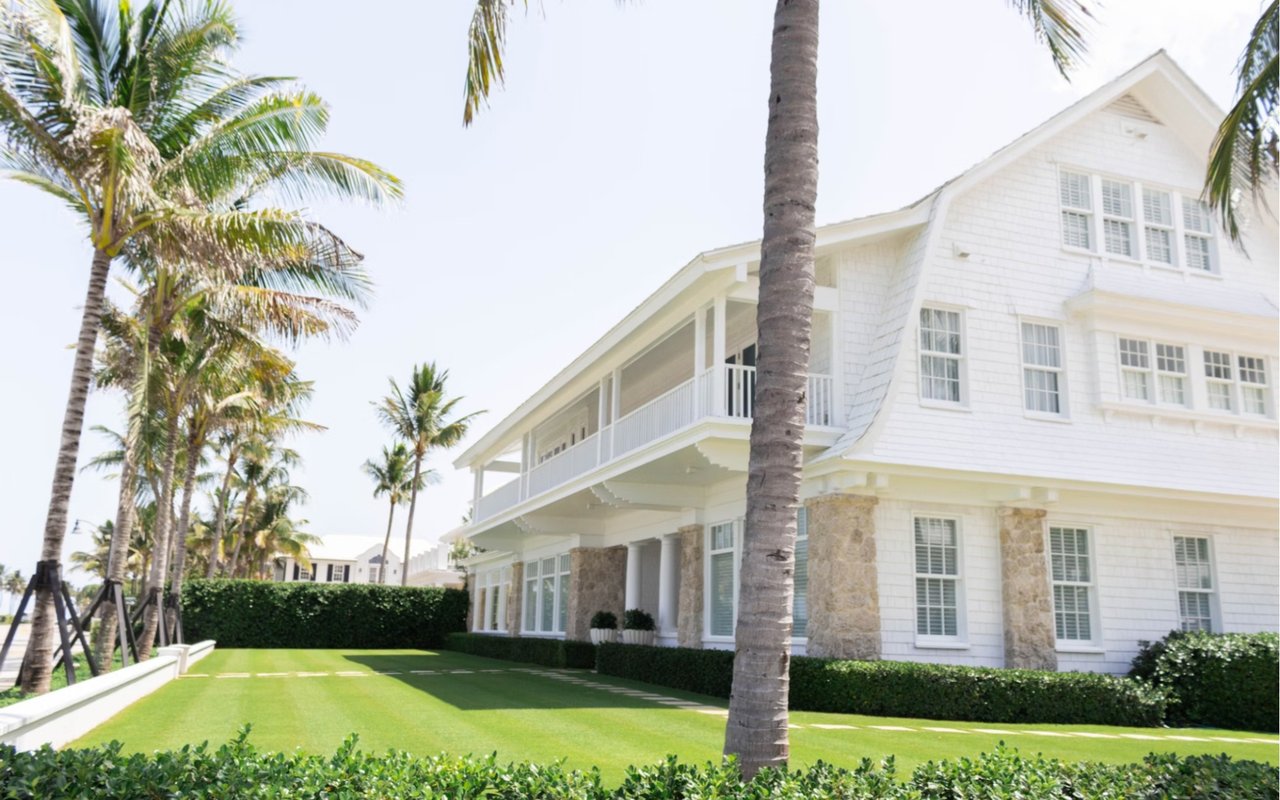
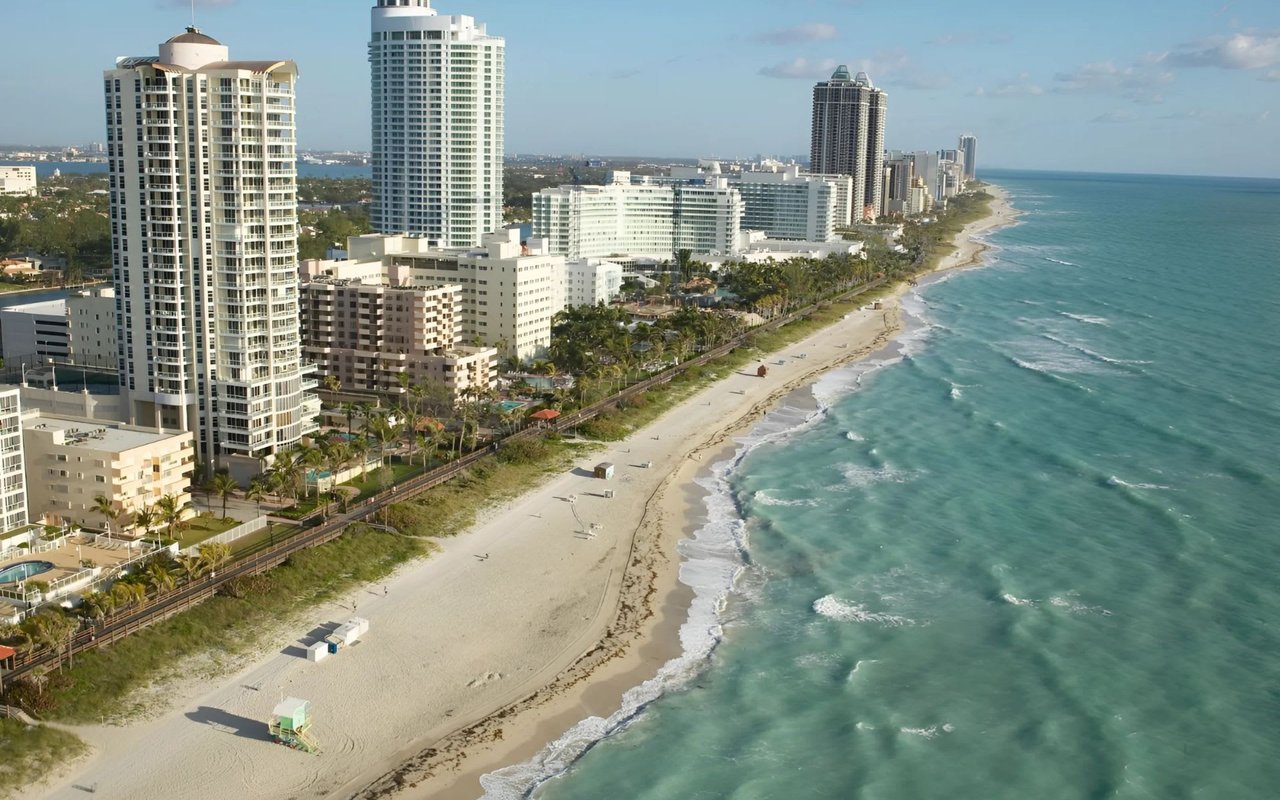
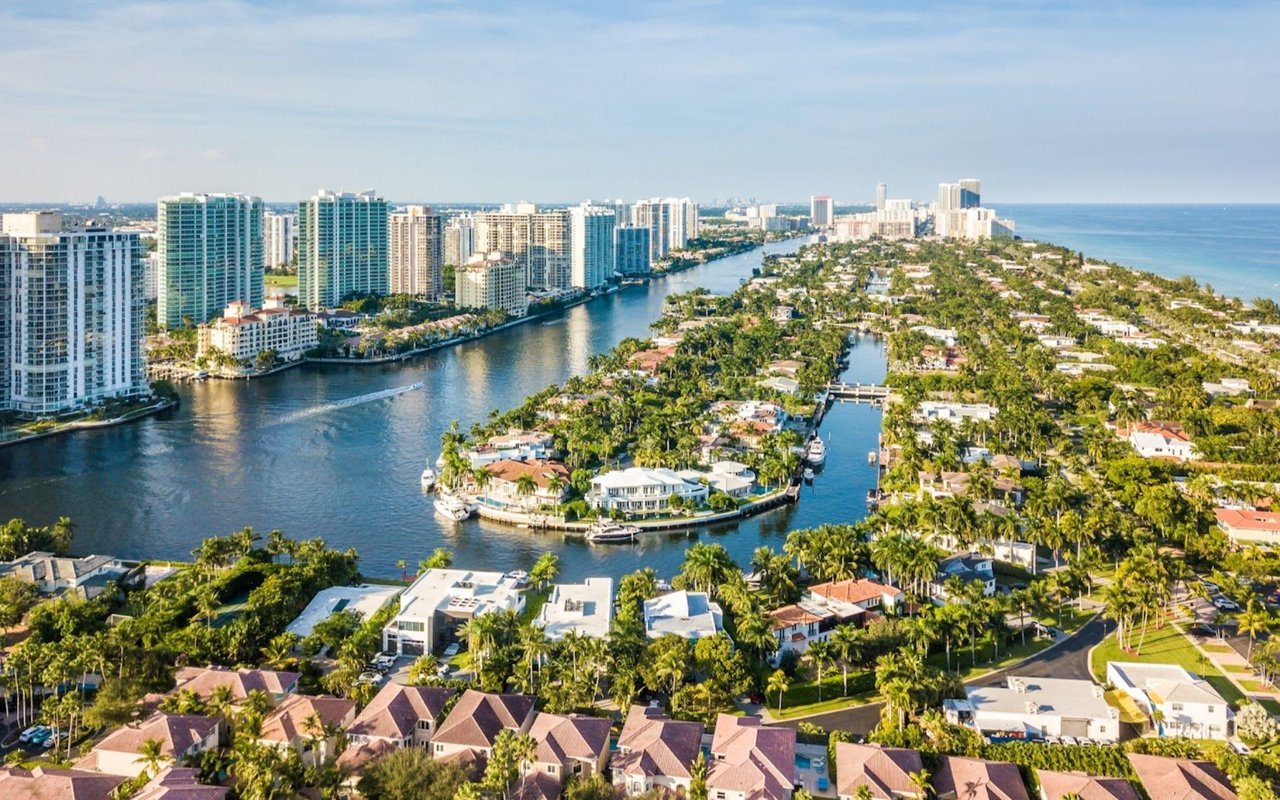
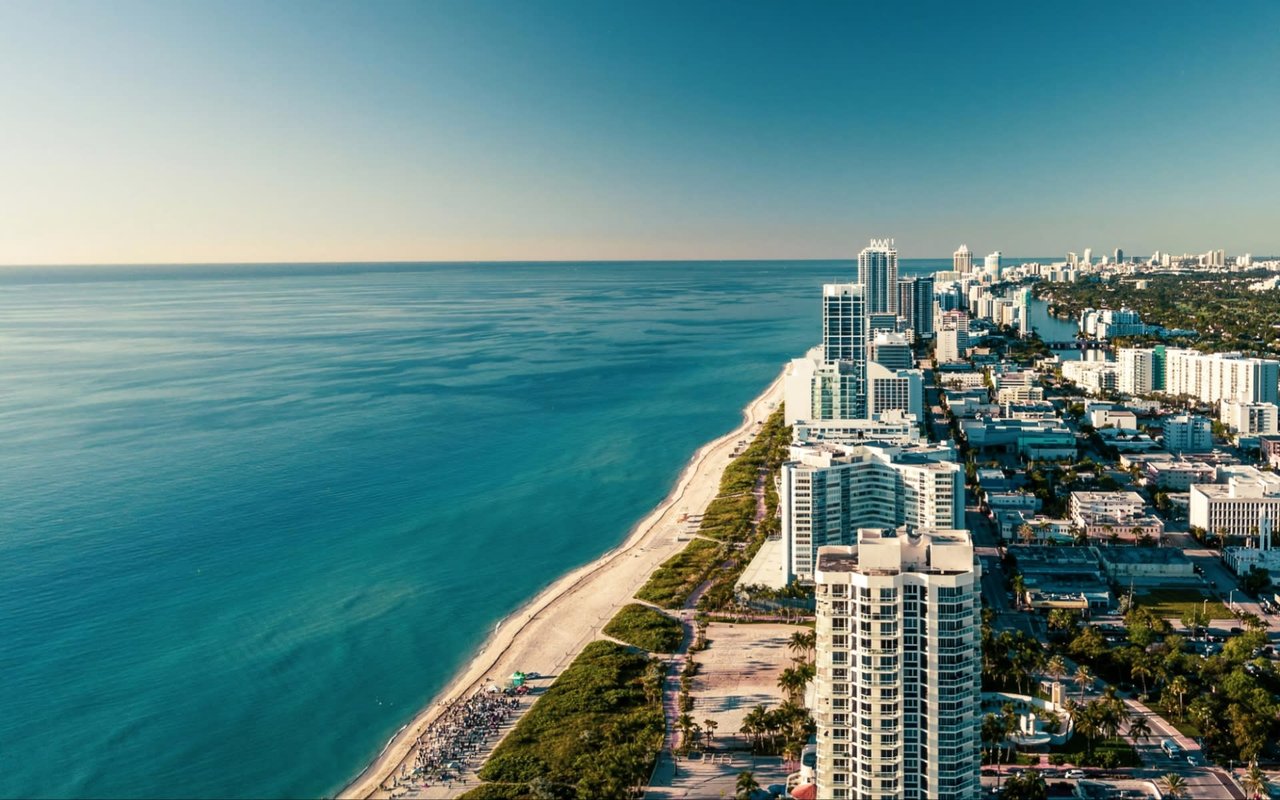
Golden Beach stands apart because it is not a mixed-use beachfront district. The town says it has 364 single-family homes, 9 parks, and about a mile and one-eighth of private beach, which makes it unusually limited in scale for coastal South Florida.
That scarcity is reinforced by the town’s structure. Golden Beach says its charter protects the town from commercial activity and forbids high-rise condominiums, so your search here is centered on private homes rather than towers, retail corridors, or dense resort-style development.
For a buyer, that has two immediate implications. First, inventory is inherently constrained. Second, the value proposition is tied to privacy, residential character, and a more controlled living environment.
Oceanfront value starts with the land
In Golden Beach, the lot envelope can matter just as much as the house sitting on it. A parcel may look large on paper, but the actual buildable and usable area can be shaped by frontage, setbacks, height limits, elevation requirements, and pervious-surface rules.
Town code defines a Full Size Lot as 75 feet of frontage and 11,250 square feet, based on a minimum depth of 150 feet for a 75-foot rectangular lot. In Zone One, primary residential structures are capped at 27.5 feet on 50- to 99-foot frontages and 30 feet on 100-foot-plus frontages, with the height formula tied to the First Finished Floor and the 60-foot front setback line or CCCL.
The practical point is simple. Two oceanfront lots with similar square footage may not offer the same design potential, sight lines, or outdoor living program once the code is applied.
Why parcel size can be misleading
Golden Beach ordinances also require large setbacks and a 35% pervious-surface minimum. The town has also updated finished-floor elevations to address sea-level rise, stormwater, and groundwater inundation.
That means the usable footprint can be materially smaller than the parcel boundary suggests. If you are evaluating a renovation, teardown, or new-build vision, the right question is not just “How big is the lot?” but “What can actually be built here under current rules?”
Confirm the lot before you underwrite the dream
Before you commit to a major remodel or redevelopment plan, confirm the exact zone, survey, elevation certificate, and current setback and height rules for that specific property. This matters even more on oceanfront parcels, where coastal and flood-related requirements can shape the envelope alongside the town code.
In a market where many buyers are paying for future potential as well as current condition, this step is essential. A disciplined review upfront can protect both your budget and your design intent.
Beach access rules are part of ownership
Golden Beach offers a private, managed beach environment, but buyers should understand that access is structured by town rules. The town’s beach rules require resident ID, limit guests to 8 per household, and require residents to accompany guests on weekends and holidays.
Guest parking is routed through the Strand Gatehouse, and resident IDs or key fobs are used to open pedestrian gates and other amenities. Town meeting materials also indicate that if a resident card is not updated, it can eventually stop the vehicular gate from opening.
These are not minor operational details. They are part of the daily rhythm of ownership in Golden Beach and part of what helps preserve the town’s controlled, private feel.
Oceanfront ownership carries exclusive beach rights
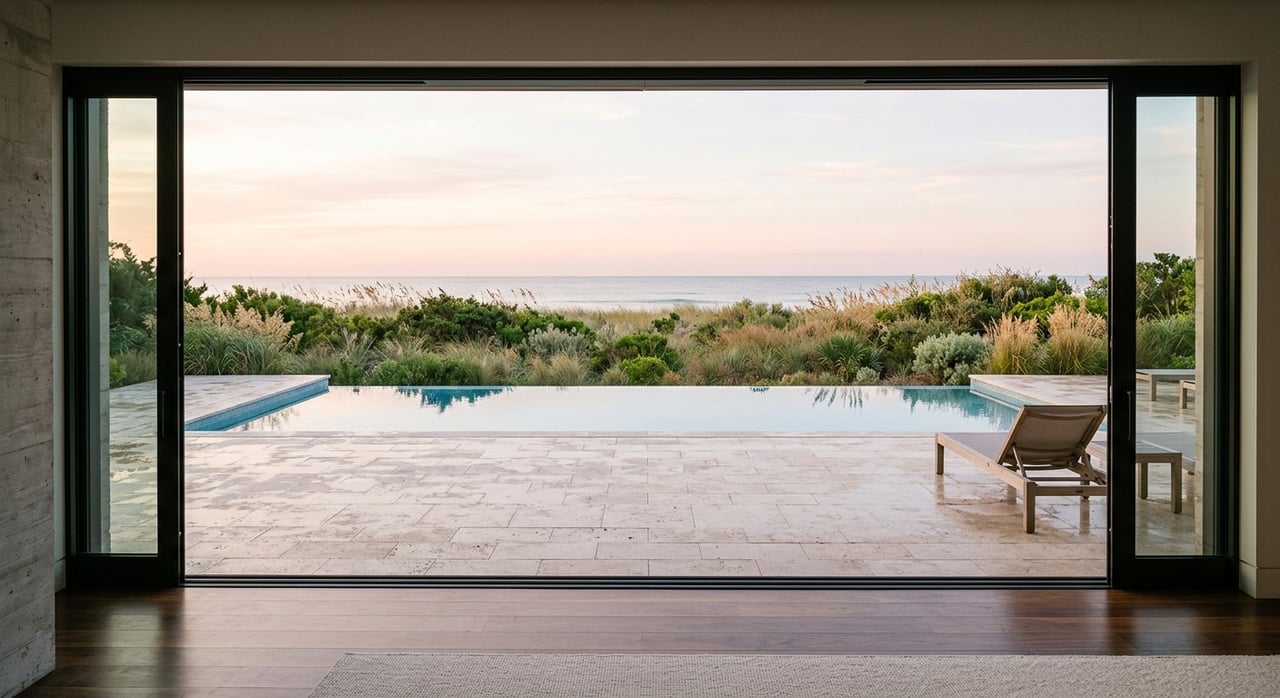
The beach rules also state that oceanfront properties have exclusive rights to the sand and surf behind them. Other residents may traverse those areas, but they may not loiter or recreate there.
For oceanfront buyers, that exclusivity is a meaningful part of the asset’s appeal. It adds another layer to the value difference between direct ocean frontage and homes elsewhere in town.
Security and seclusion are central to the appeal
Golden Beach is secluded, but it is not remote. The town says it is 18 miles from Miami International Airport and 15 miles from Fort Lauderdale International Airport and Port Everglades, while also being bordered to the south by Sunny Isles Beach and convenient to Bal Harbour Shops and Aventura Mall.
That balance is a major reason buyers look here. You get a quieter residential setting with close access to regional dining, shopping, and travel connections.
The town also says it maintains its own police department, beach patrol, marine patrol, and ocean rescue staff. For many buyers, that level of dedicated local oversight is part of the reason Golden Beach occupies such a specific niche in the coastal luxury market.
Oceanfront sits at the top of the pricing ladder
Not all waterfront in Golden Beach trades the same way. Oceanfront sits in the scarcity tier, and recent examples show how wide that premium can be.
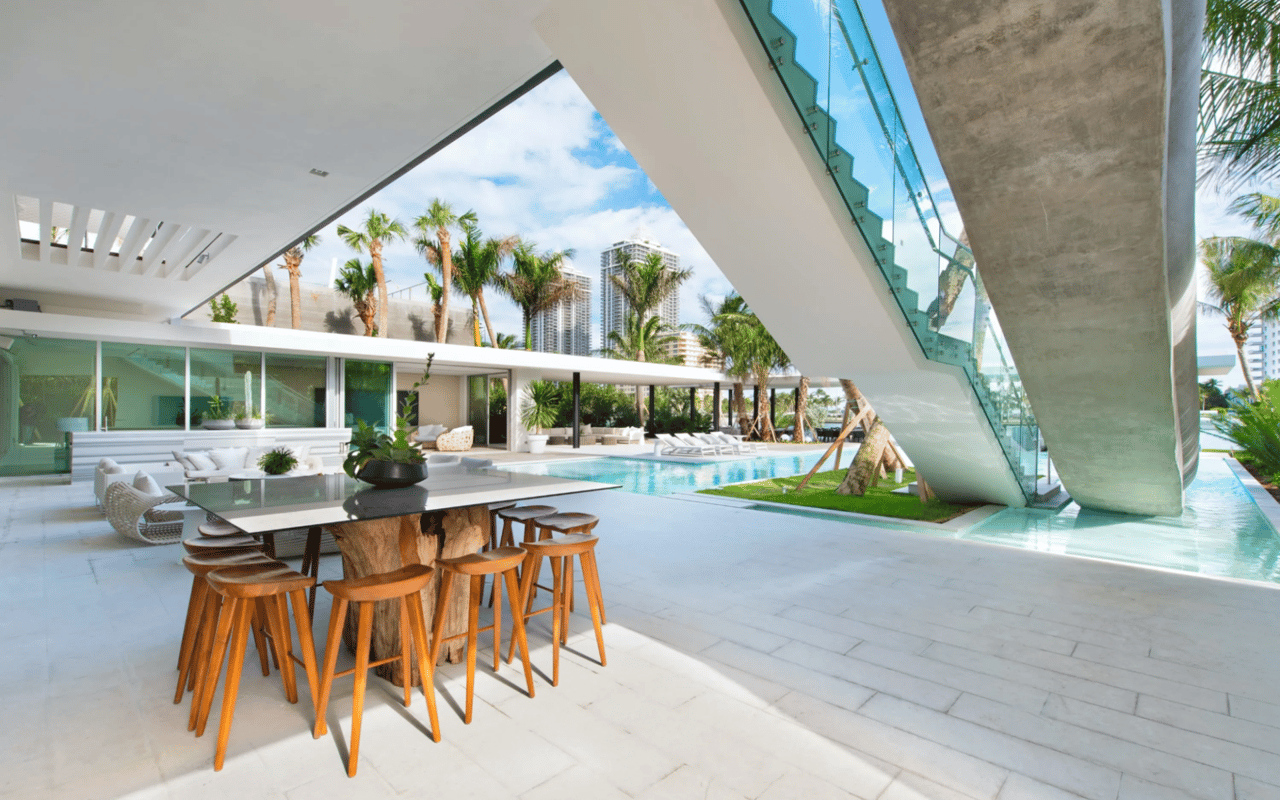
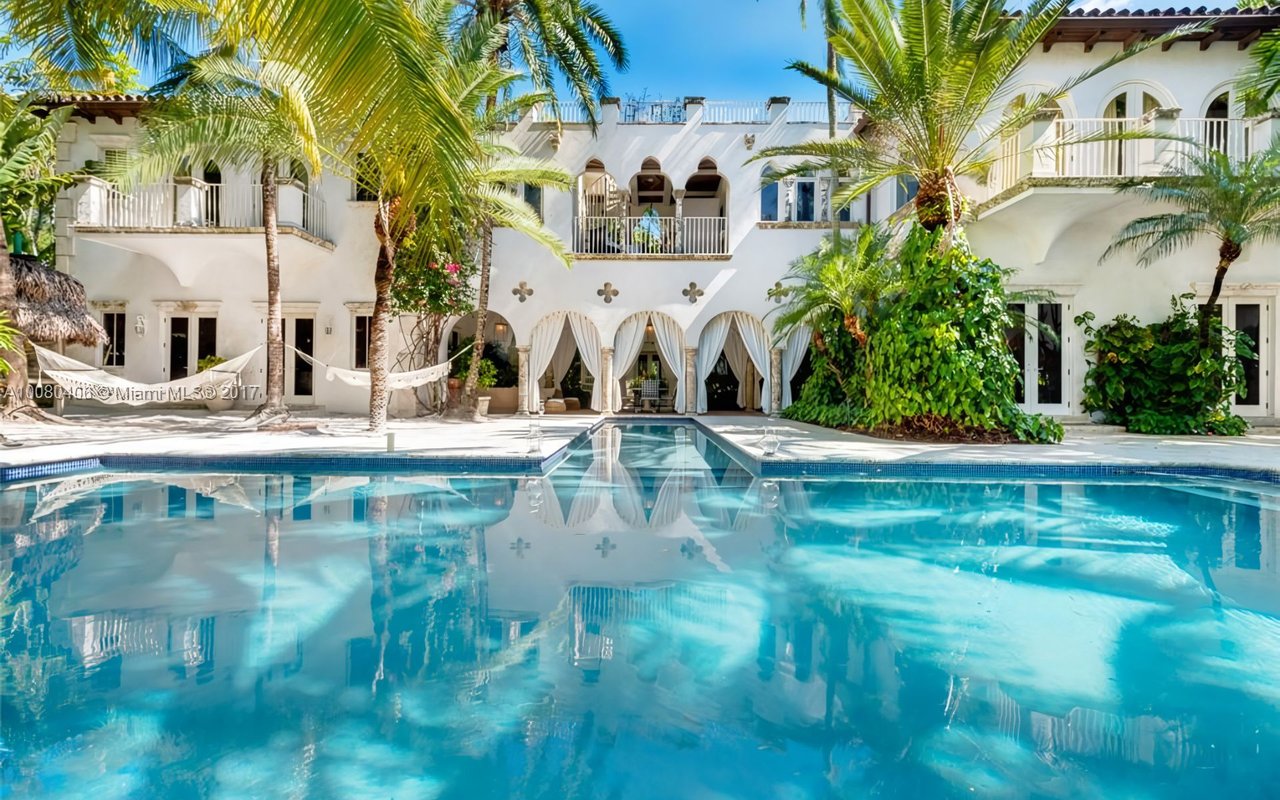
Recent oceanfront examples include 387 Ocean Blvd, which sold for $32.5 million, and 355 Ocean Blvd, which is listed at $89 million. Another example, 401 Ocean Blvd, is a 35,000-square-foot oceanfront lot with 125 feet of private beach.
These examples illustrate the upper end of the town’s pricing structure. They also show that buyers are often paying for direct sand frontage, privacy, and irreplaceable land position as much as for the residence itself.
Compare oceanfront with canal and Intracoastal homes
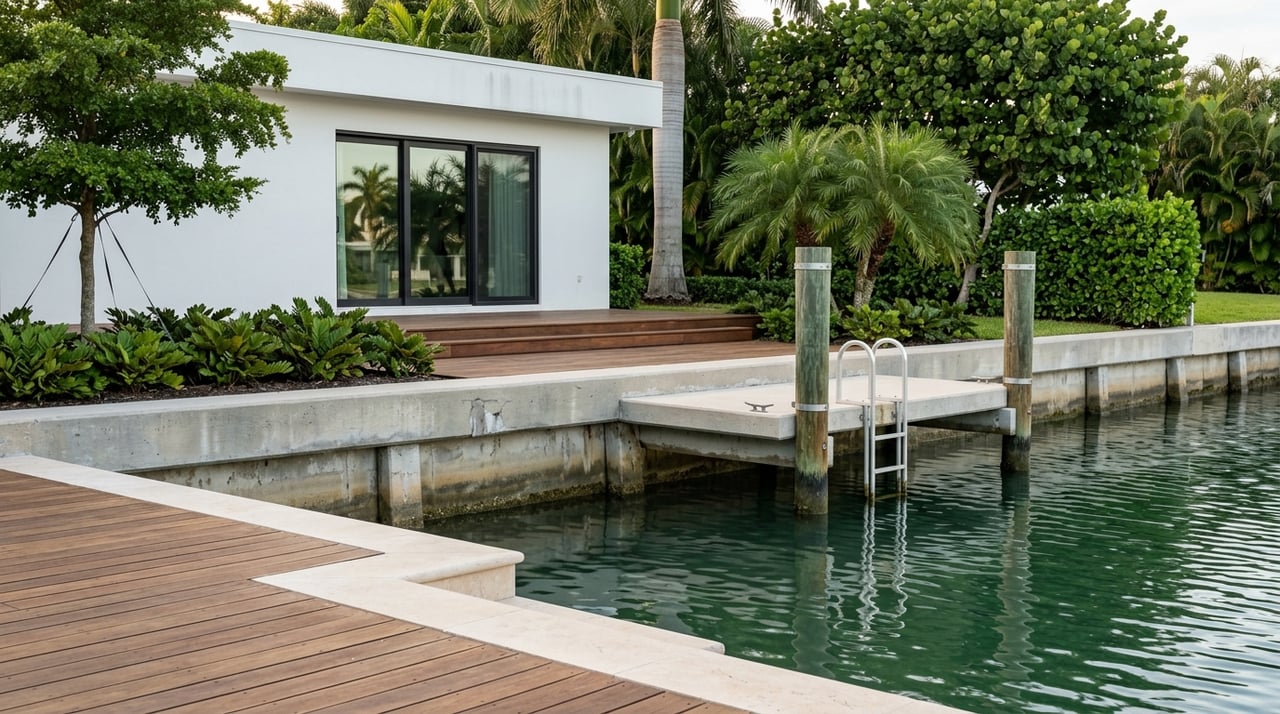
Canal and Intracoastal properties can still be significant trophy homes, but they often represent a different value proposition. Examples include 416 Golden Beach Dr, which sold for $9.4 million with 125 feet of canal frontage and 175 feet of depth; 612 Golden Beach Dr, which sold for $5.33 million with direct Intracoastal access; and 220 S Island Dr, which sold for $12.95 million on 85 feet of Intracoastal waters.
The takeaway is not that one category is better than another. It is that they serve different priorities. Oceanfront is the ultra-scarce beach tier, while canal and Intracoastal properties align more closely with boating, dockage, and a lower entry point relative to direct ocean frontage.
What to review before you buy
If you are seriously considering an oceanfront estate in Golden Beach, focus on the fundamentals that can affect both lifestyle and long-term value.
- Confirm the exact lot dimensions, zoning, setbacks, and height rules.
- Review the elevation certificate and understand current finished-floor requirements.
- Ask how the 35% pervious-surface rule affects outdoor planning.
- Understand beach guest rules, access procedures, and resident ID requirements.
- Evaluate whether you are buying for direct beach exclusivity, architectural potential, or both.
- Compare the oceanfront premium against canal and Intracoastal alternatives if boating access matters to you.
In a town this small, each property needs to be evaluated on its own facts. The nuance is often where the real value lies.
Why informed guidance matters in Golden Beach
Golden Beach is a market where scarcity, code, and lifestyle rules intersect in a very specific way. For design-minded buyers especially, the difference between a compelling oceanfront address and a truly exceptional acquisition often comes down to understanding what the site can support, how the town operates, and where the pricing premium is justified.
That is why a thoughtful acquisition process matters here. When you approach Golden Beach with clarity on the land, the rules, and the ownership experience, you are in a much stronger position to identify a property that aligns with your goals.
If you are considering an oceanfront estate in Golden Beach and want discreet, design-minded guidance, book a private consultation with Michael Duchon.
FAQs
What makes Golden Beach different from other oceanfront areas in Miami-Dade?
- Golden Beach is a single-family-only town with 364 homes, no commercial activity, no high-rise condominiums, and about a mile and one-eighth of private beach, according to the town.
What should buyers know about lot rules in Golden Beach?
- Buyers should verify the exact zoning, frontage, setbacks, height limits, elevation requirements, and pervious-surface rules for the specific lot, because these can significantly reduce the practical building envelope.
What are the beach access rules for Golden Beach residents and guests?
- The town requires resident ID for beach use, limits guests to 8 per household, requires residents to accompany guests on weekends and holidays, and routes guest parking through the Strand Gatehouse.
What rights come with an oceanfront property in Golden Beach?
- Town beach rules state that oceanfront properties have exclusive rights to the sand and surf behind them, while other residents may traverse those areas but may not loiter or recreate there.
How does Golden Beach oceanfront pricing compare with other waterfront homes?
- Recent examples suggest oceanfront homes command a major premium over canal and Intracoastal properties, reflecting the scarcity of direct beach frontage within Golden Beach’s single-family-only setting.
Is Golden Beach secluded or convenient for travel and shopping?
- Golden Beach is secluded in character but convenient in location, with the town stating it is 18 miles from Miami International Airport, 15 miles from Fort Lauderdale International Airport and Port Everglades, and close to Sunny Isles Beach, Bal Harbour Shops, and Aventura Mall.