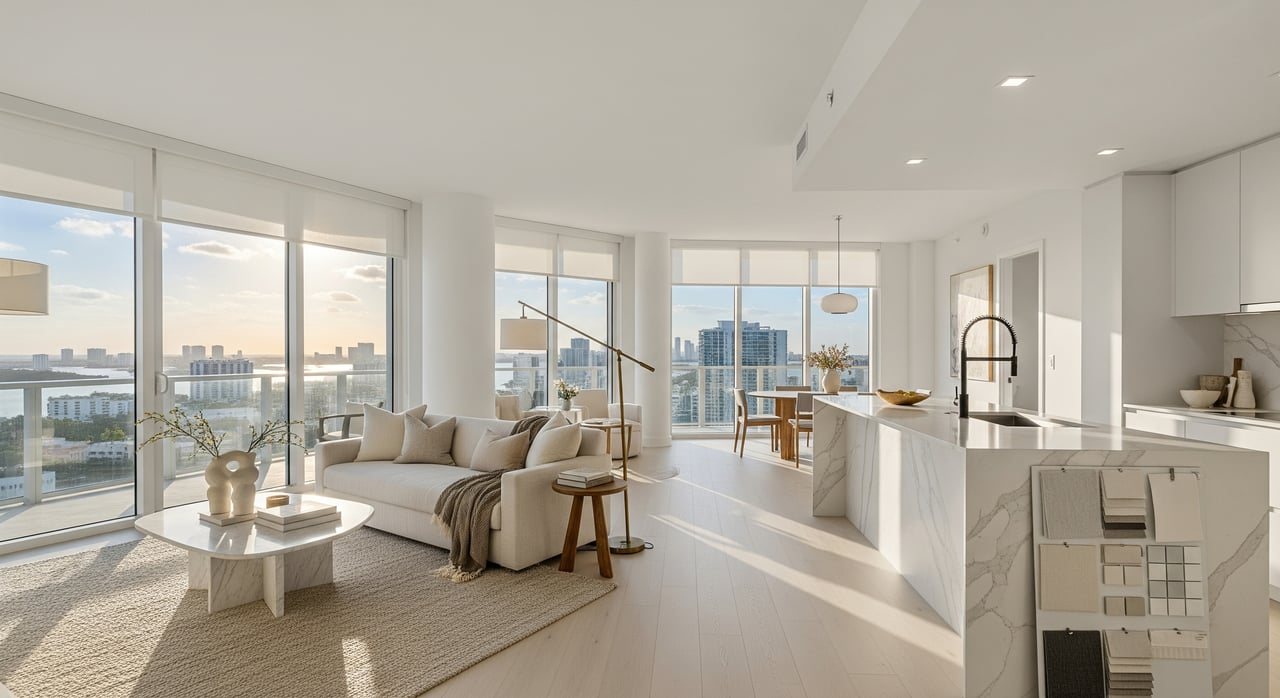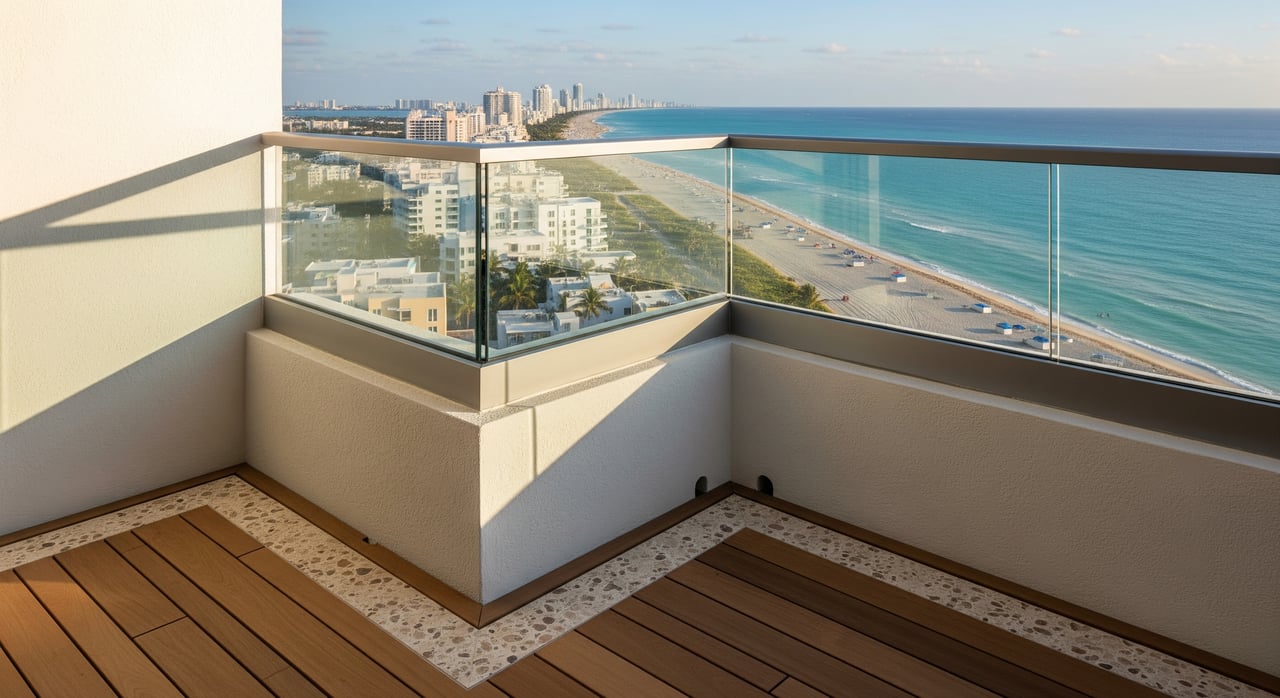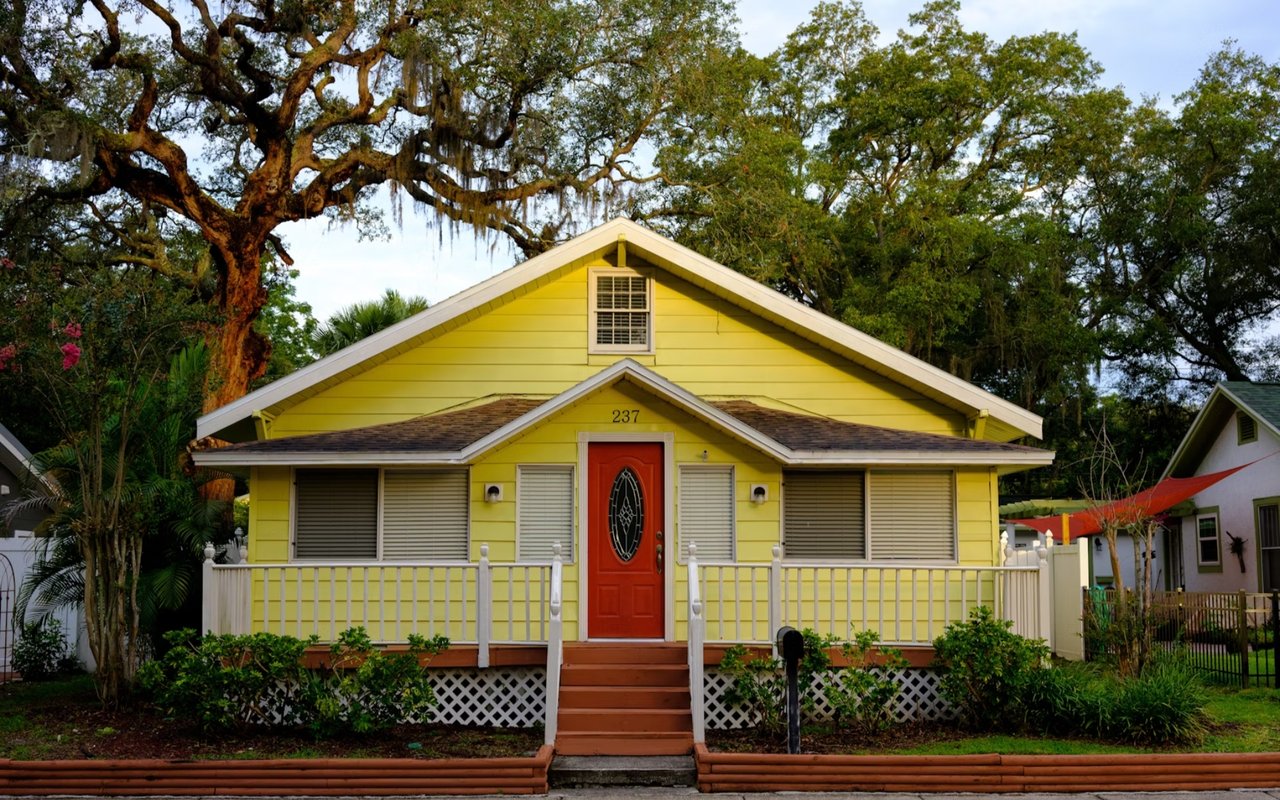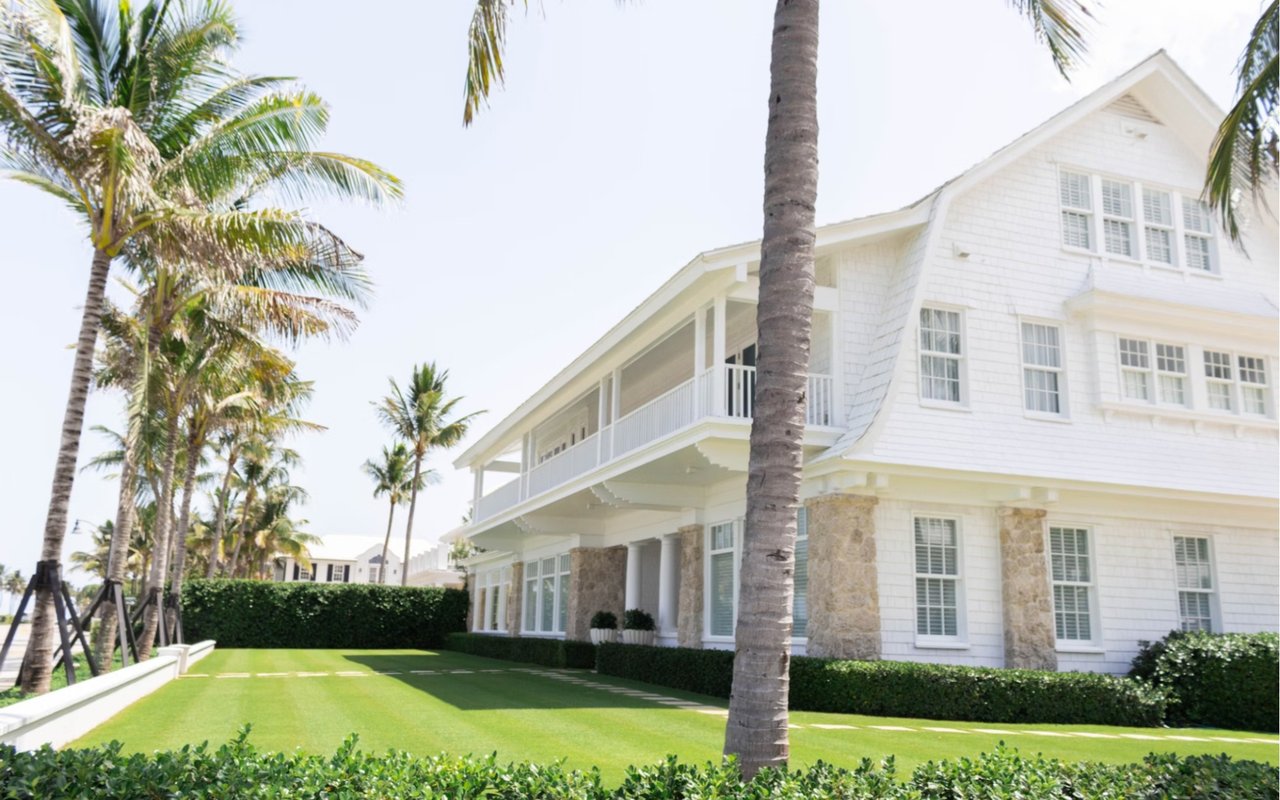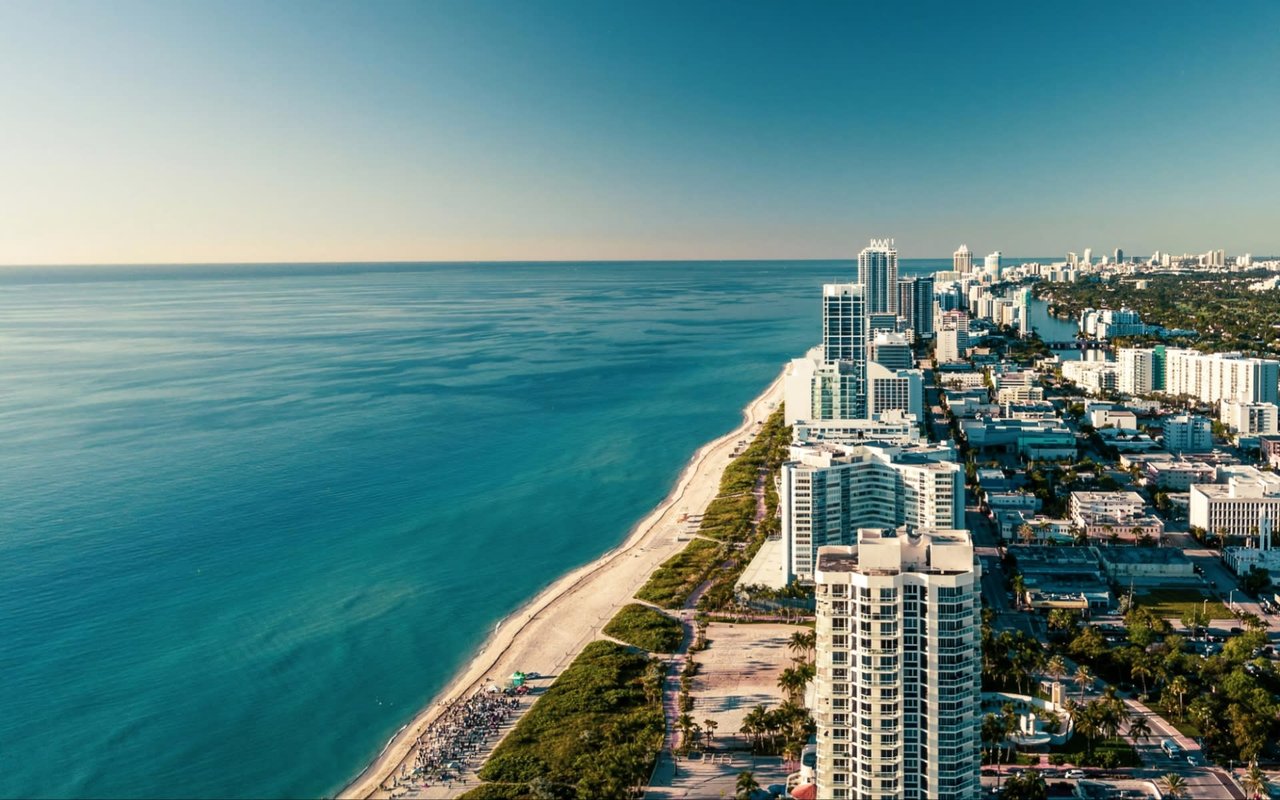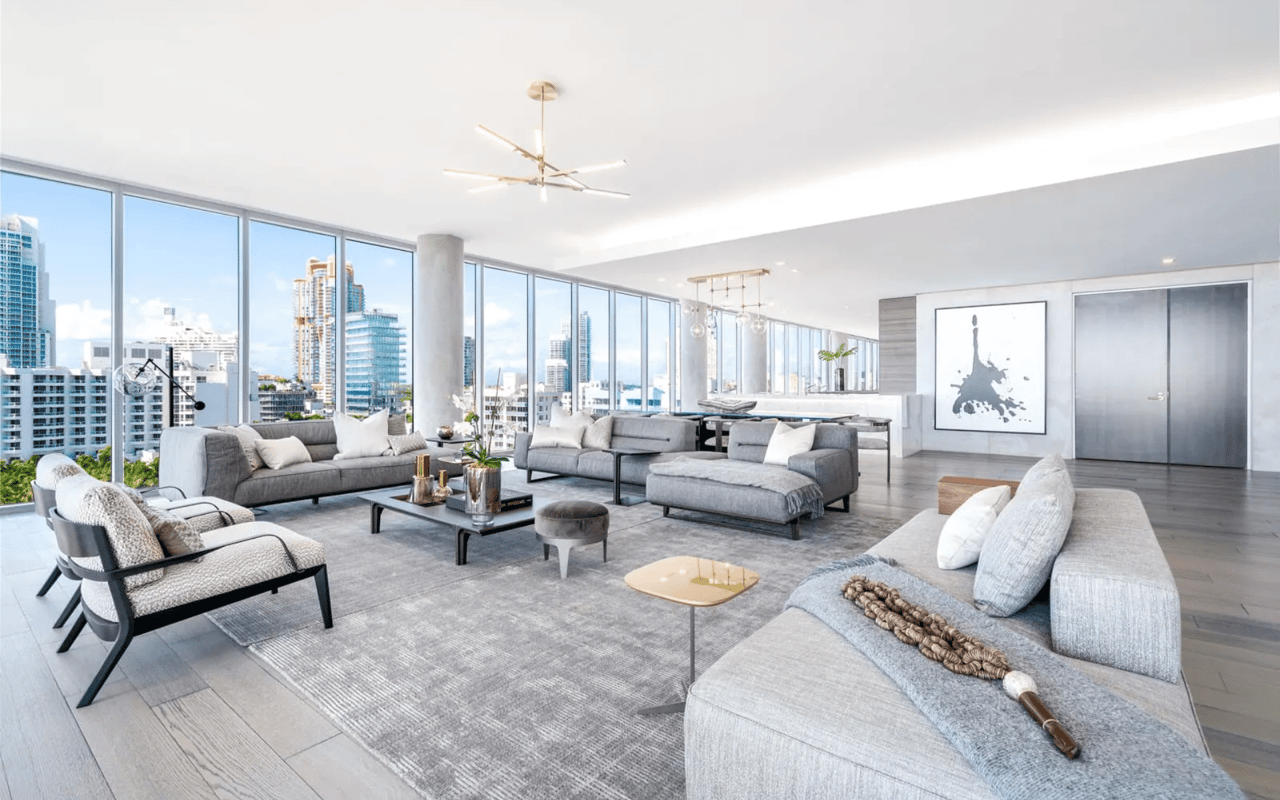
If you are drawn to Miami Beach but want a setting that feels more private than performative, Sunset Islands stands apart. Tucked into the Bayshore area of Mid-Beach, this residential enclave offers a quieter day-to-day rhythm without cutting you off from parks, dining, waterfront recreation, and the broader city. If you are wondering what life here actually feels like beyond the gates and the waterfront imagery, this guide walks you through the daily experience. Let’s dive in.
A residential setting with real separation
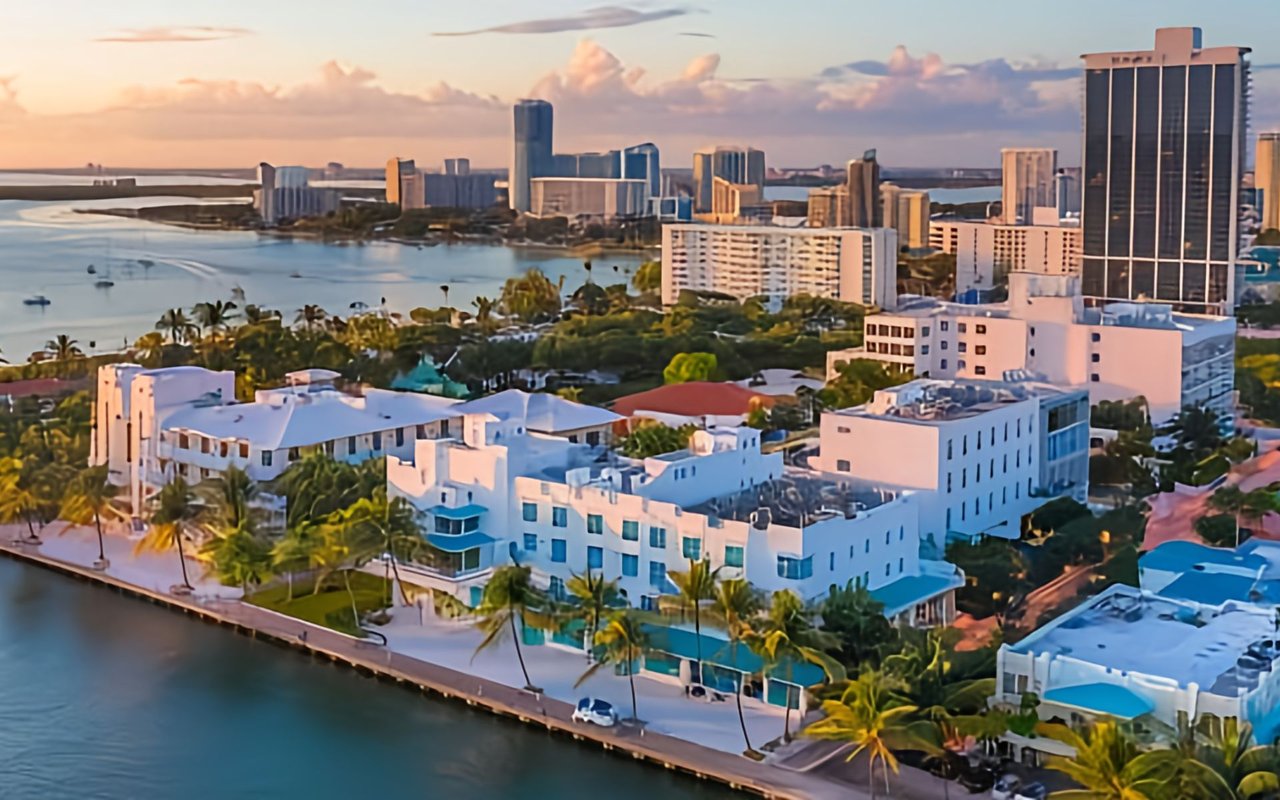
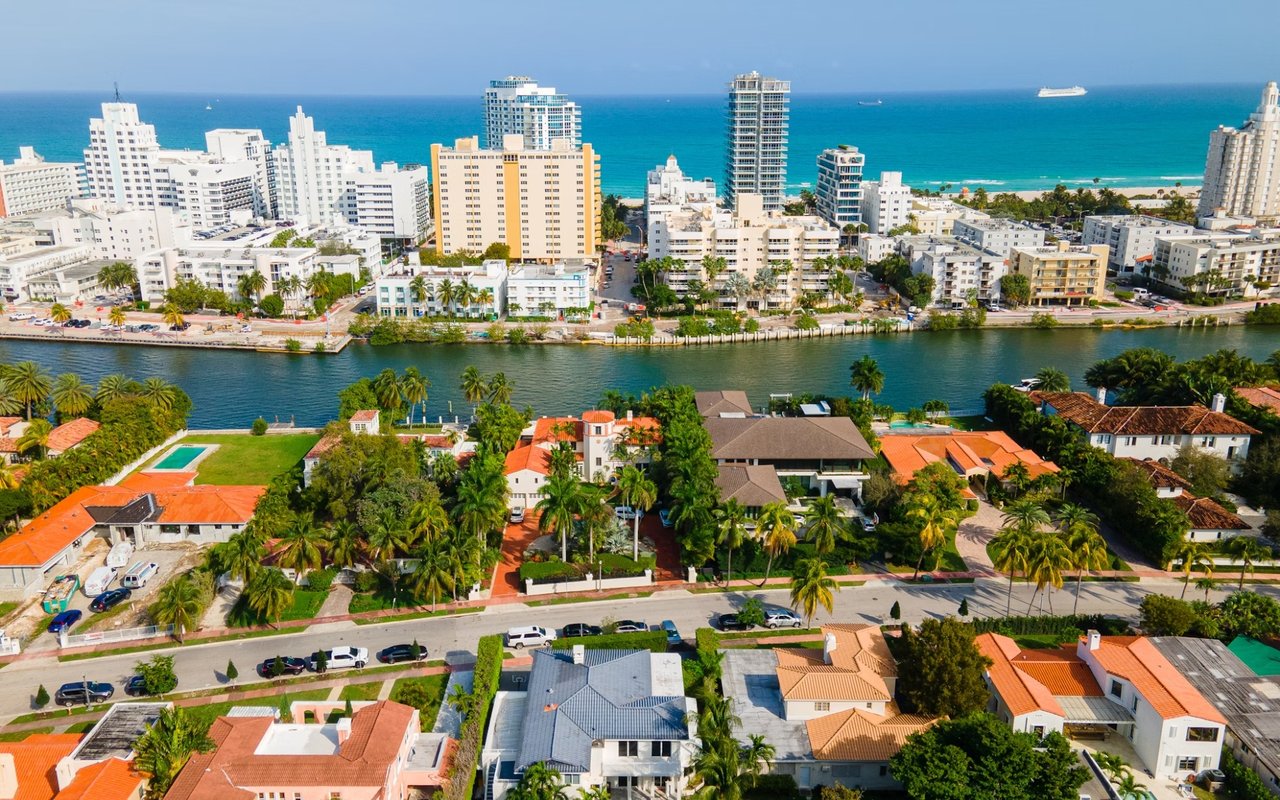
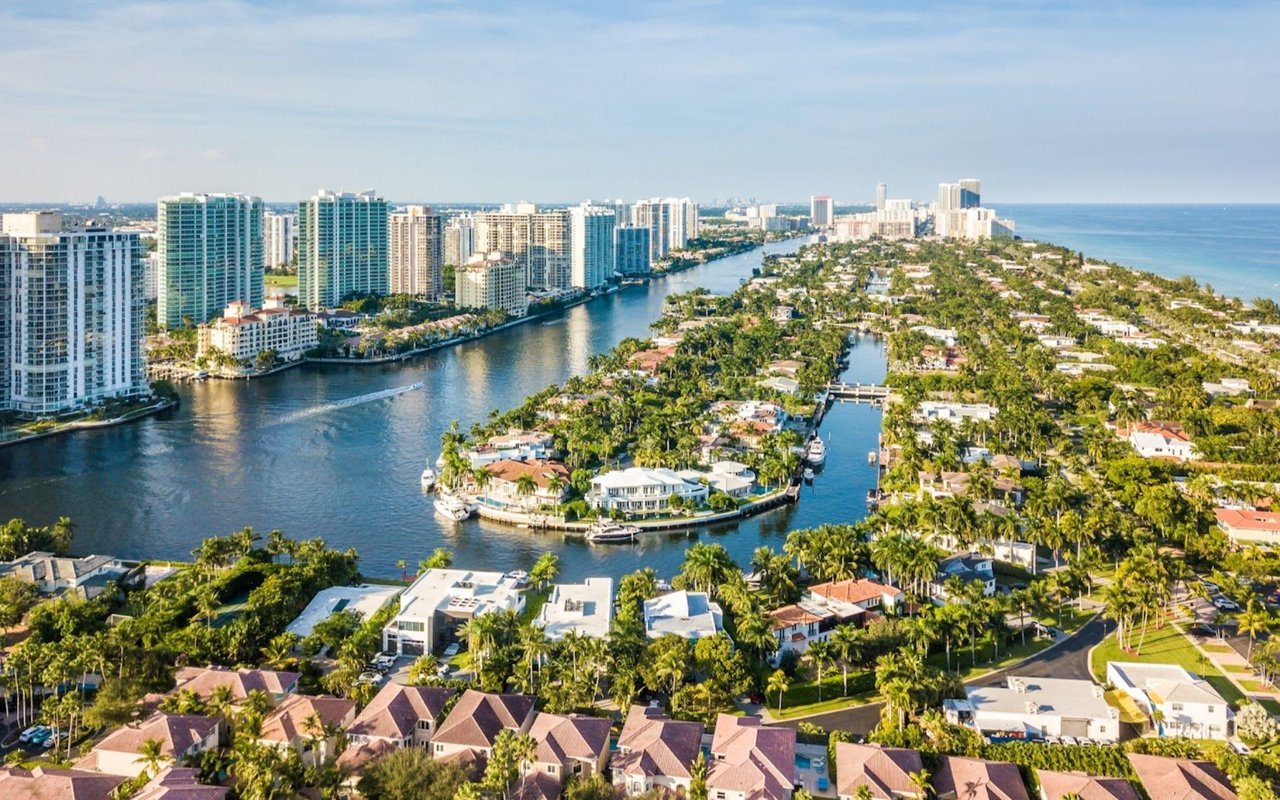
Sunset Islands is part of the Bayshore neighborhood fabric, not a detached resort pocket. City records place the islands within Middle Beach and identify Sunset Islands I and II and Sunset Islands III and IV as recognized neighborhood associations, which supports the idea of an established residential enclave rather than a commercial zone.
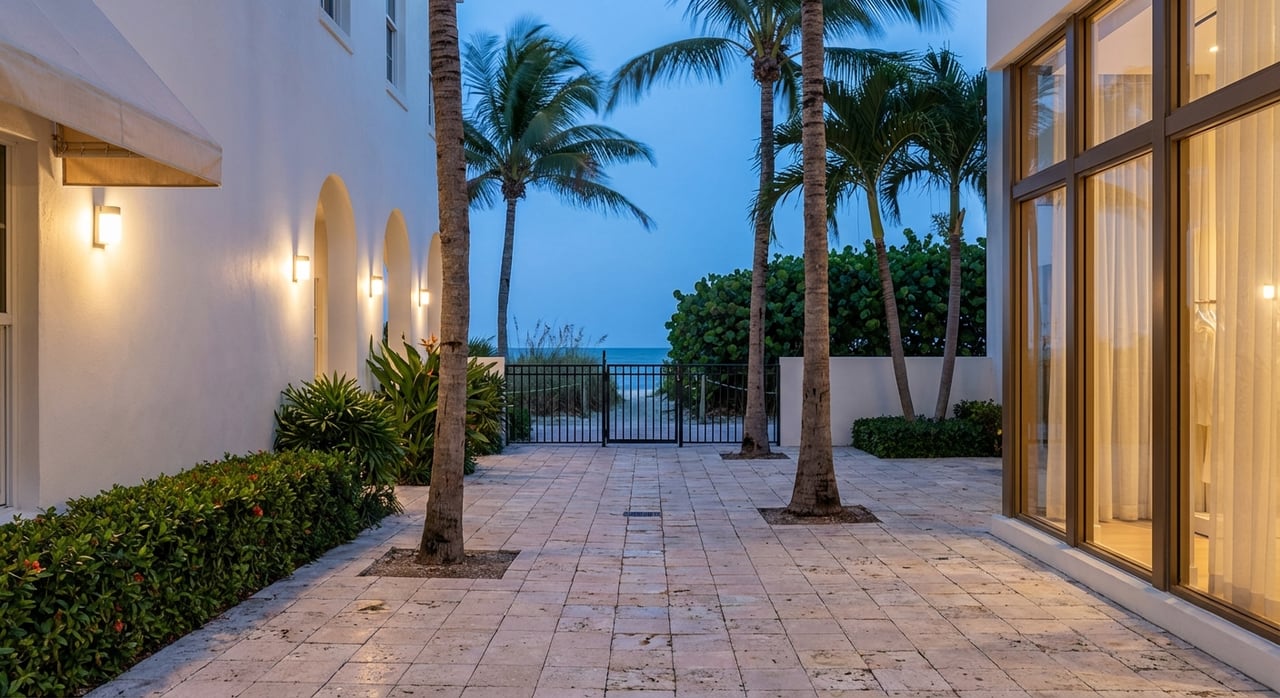
That distinction shapes everyday life. On-island, the atmosphere is low-density, lightly trafficked, and inward-facing. For many buyers, that balance is the appeal: you get a more controlled setting at home while remaining close to the places that animate Miami Beach.
Privacy defines the mood
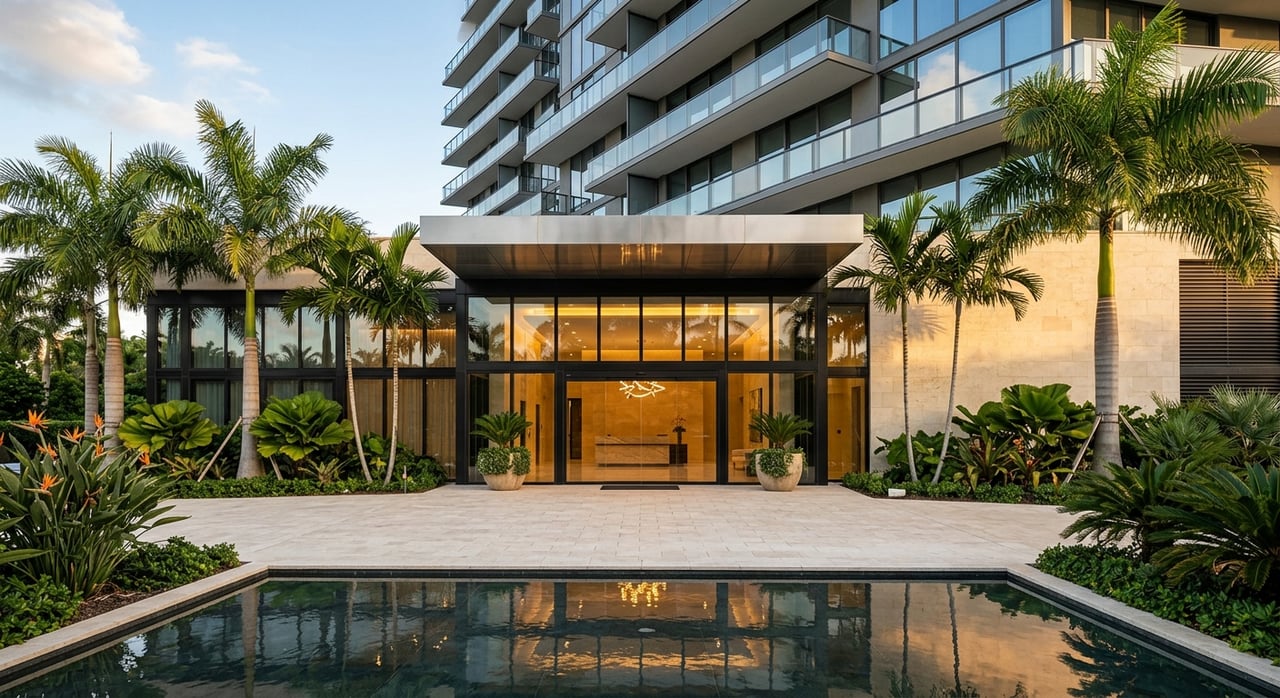
A major part of the Sunset Islands experience is how the neighborhood feels when you arrive. City memoranda reference guardhouse and entry-gate improvements for both island groupings, including renovation and security enhancement efforts over time.
In practical terms, that creates a day-to-day mood that feels more contained than much of Miami Beach’s open street grid. It does not make the islands isolated, but it does reinforce a sense of privacy, order, and quieter circulation that many luxury buyers value.
Mornings start outdoors
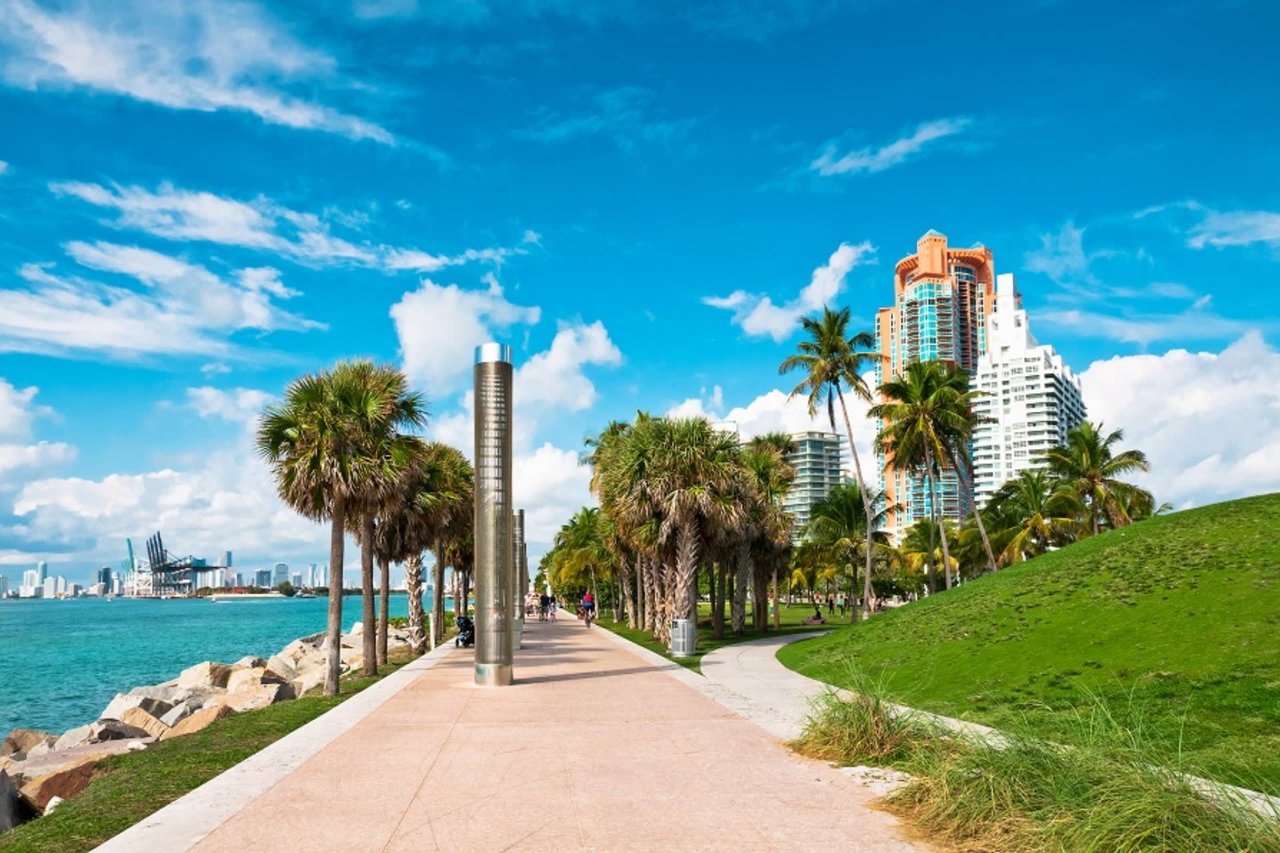
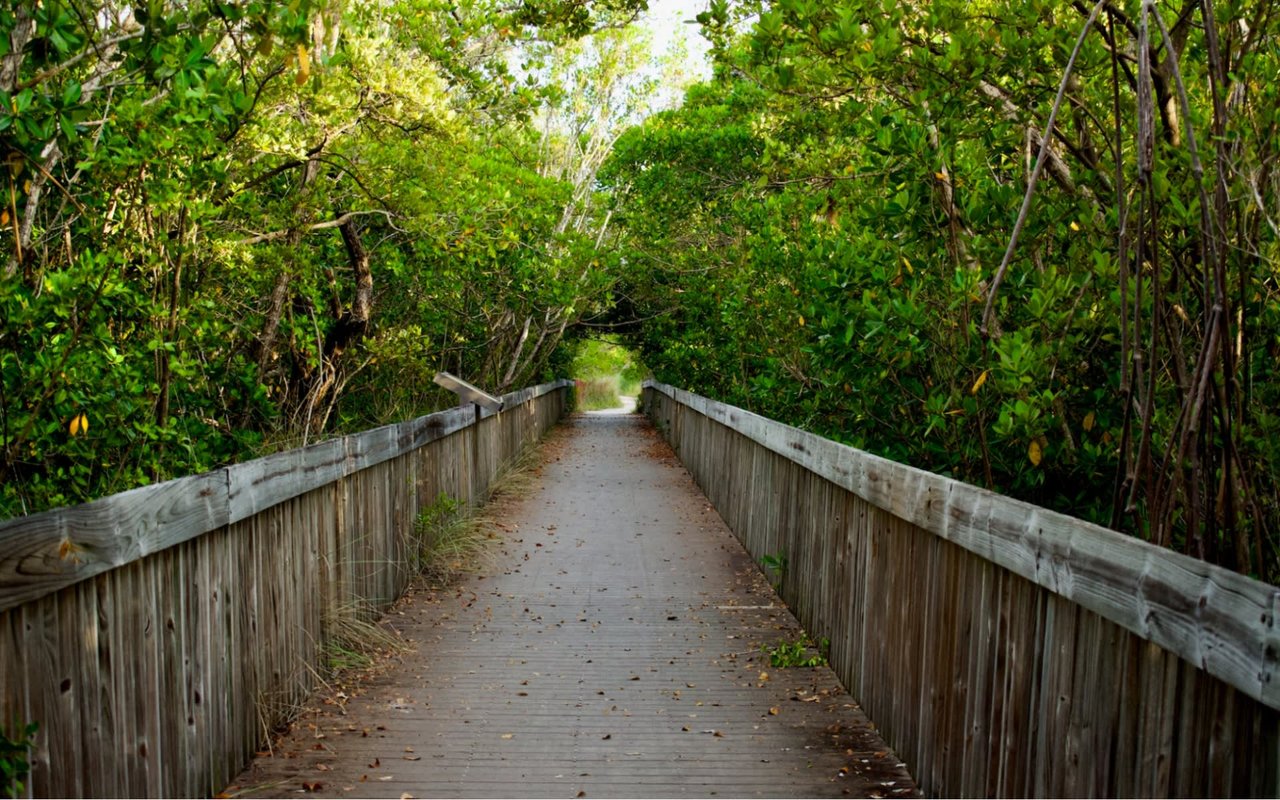
One of the strongest lifestyle advantages near Sunset Islands is access to usable green space. Bayshore Park, at 2530 Pine Tree Drive, spans 19.4 acres and includes boardwalks, a central lake, tennis courts, a dog park, a jogging trail, pathways, a fitness cluster, a butterfly garden, and security cameras.
For residents, that means a typical morning can be active without becoming complicated. You can step out for a jog, walk the dog, or take a slower lap through landscaped paths and still feel connected to a neighborhood routine rather than a tourist corridor.
Sunset Harbour keeps errands easy
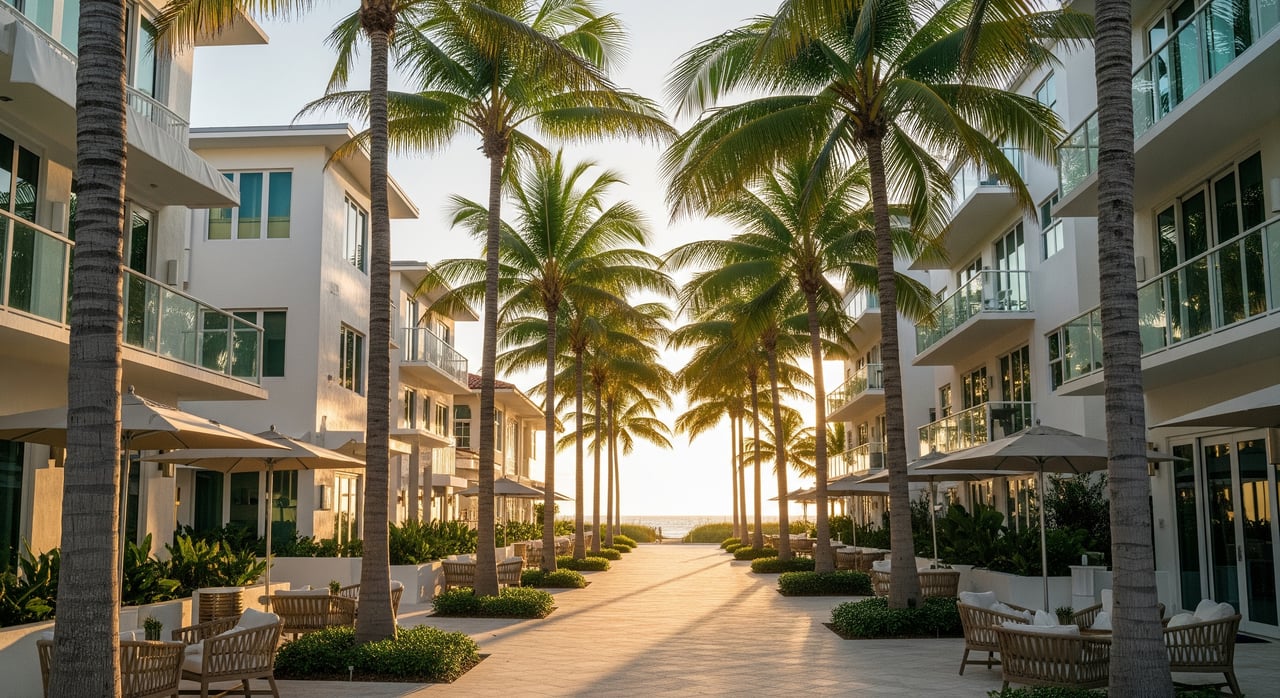
While the islands themselves are residential and quiet, nearby Sunset Harbour gives the area its everyday convenience. The neighborhood is known for boutique shops, a varied dining scene, and close proximity to the water, making it a practical extension of life on the islands.
That matters more than it may seem on paper. A neighborhood feels livable when coffee, lunch, casual meetings, and small errands do not require a major plan. From Sunset Islands, Sunset Harbour offers that off-island rhythm while preserving the more secluded feel back at home.
Evenings often return to the bay
Maurice Gibb Memorial Park adds another layer to the routine. The city describes the redesigned park as including a bay overlook, fishing piers, a dog park, pavilions for small gatherings, open greenspace for sunset watching, and new concrete walkways.
That gives the area a strong end-of-day ritual. Whether you want a waterfront walk, a quiet pause outdoors, or a simple place to watch the light change over the bay, the park supports a lifestyle that feels grounded in the water without requiring a boat or a full-day plan.
Walkability here is practical
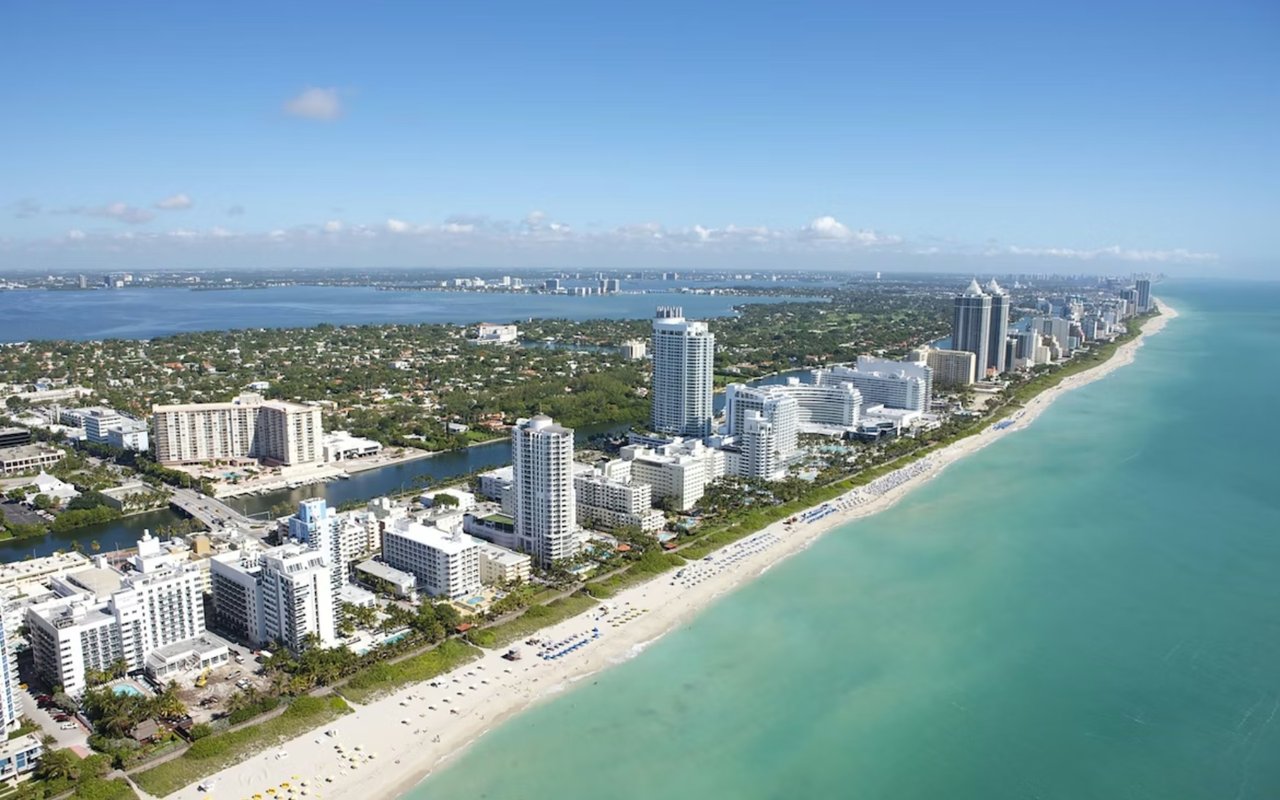
A common question is whether Sunset Islands is truly walkable. The most accurate answer is yes, especially for nearby leisure and day-to-day outings, but the broader Miami Beach pattern still works best as a car-plus-walk lifestyle for longer trips.
The wider city supports that routine well. Miami Beach is described as highly walkable, the free Miami Beach Trolley reaches the Lincoln Road Shopping District, and Citi Bike is a common way to get around. For residents of Sunset Islands, that means you can keep many outings local and flexible.
Lincoln Road expands your orbit
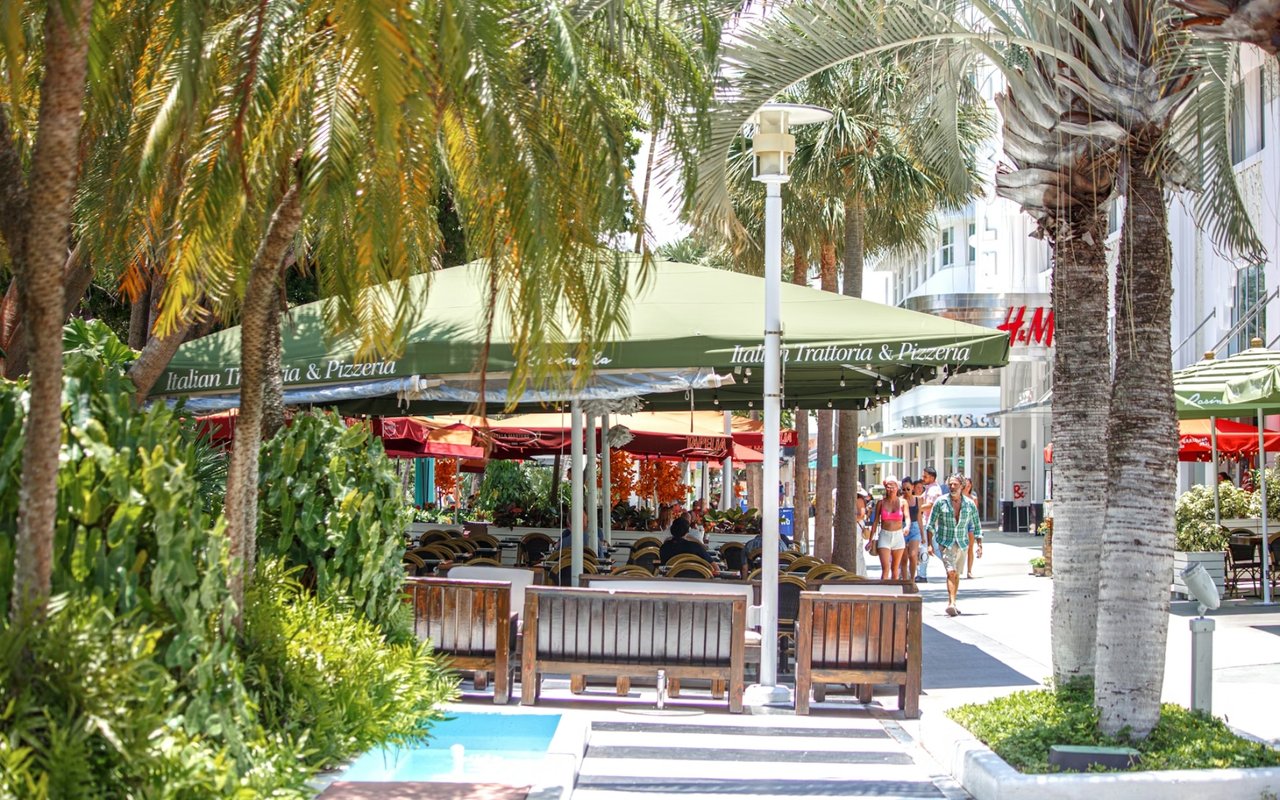
Lincoln Road remains one of the area’s biggest nearby urban amenities. It is described as an eight-block outdoor shopping district with more than 250 spaces that include shops, restaurants, cafés, bars, lounges, galleries, theaters, and gyms.
It is also evolving. The city announced a major Phase II upgrade focused on pedestrian circulation, seating, lighting, landscaping, and streetscape improvements along Drexel and Meridian avenues. For someone living on Sunset Islands, Lincoln Road is not just a visitor destination. It is part of the larger lifestyle ecosystem close at hand.
Bay access shapes the culture
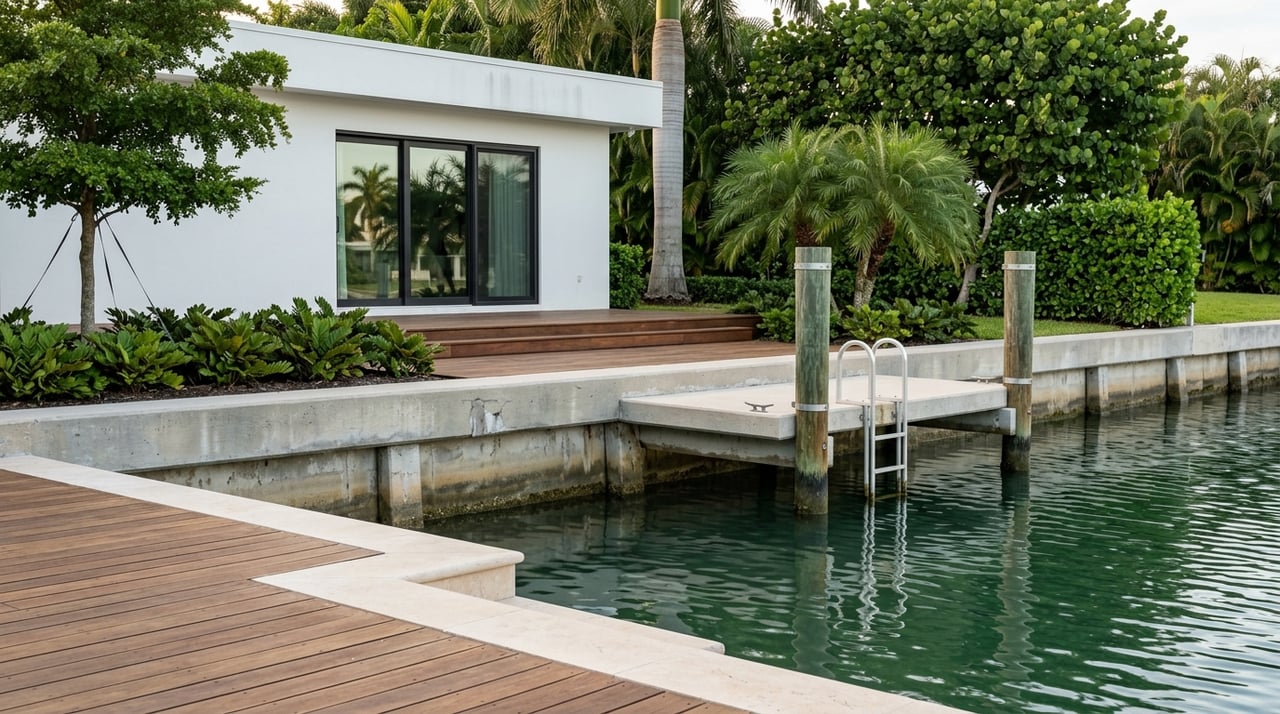
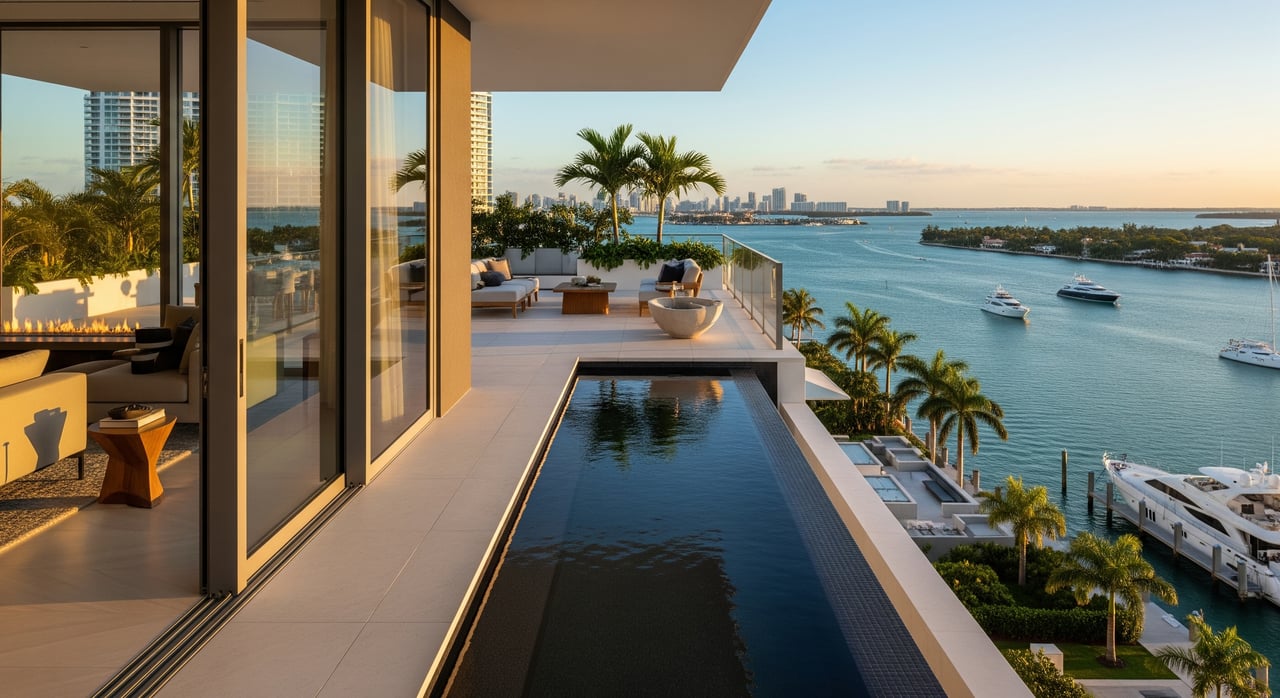
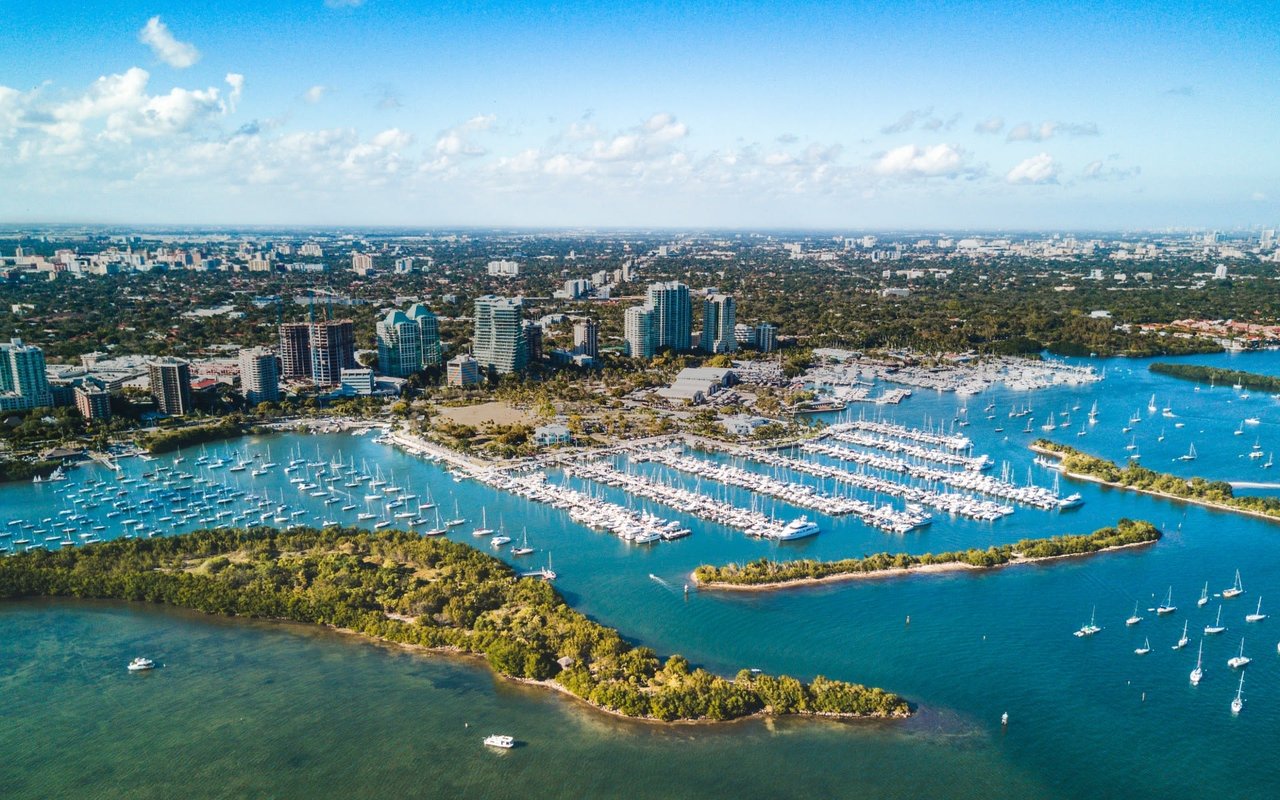
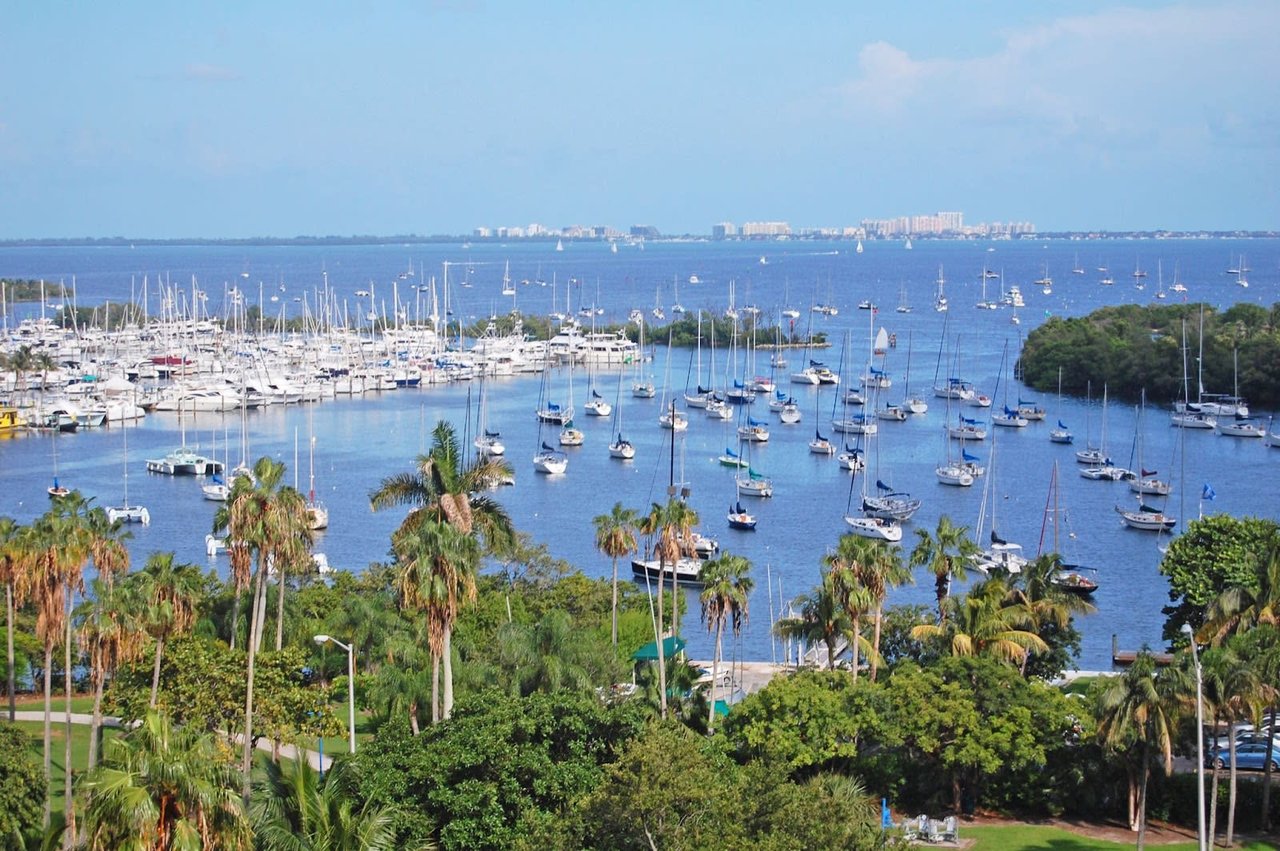
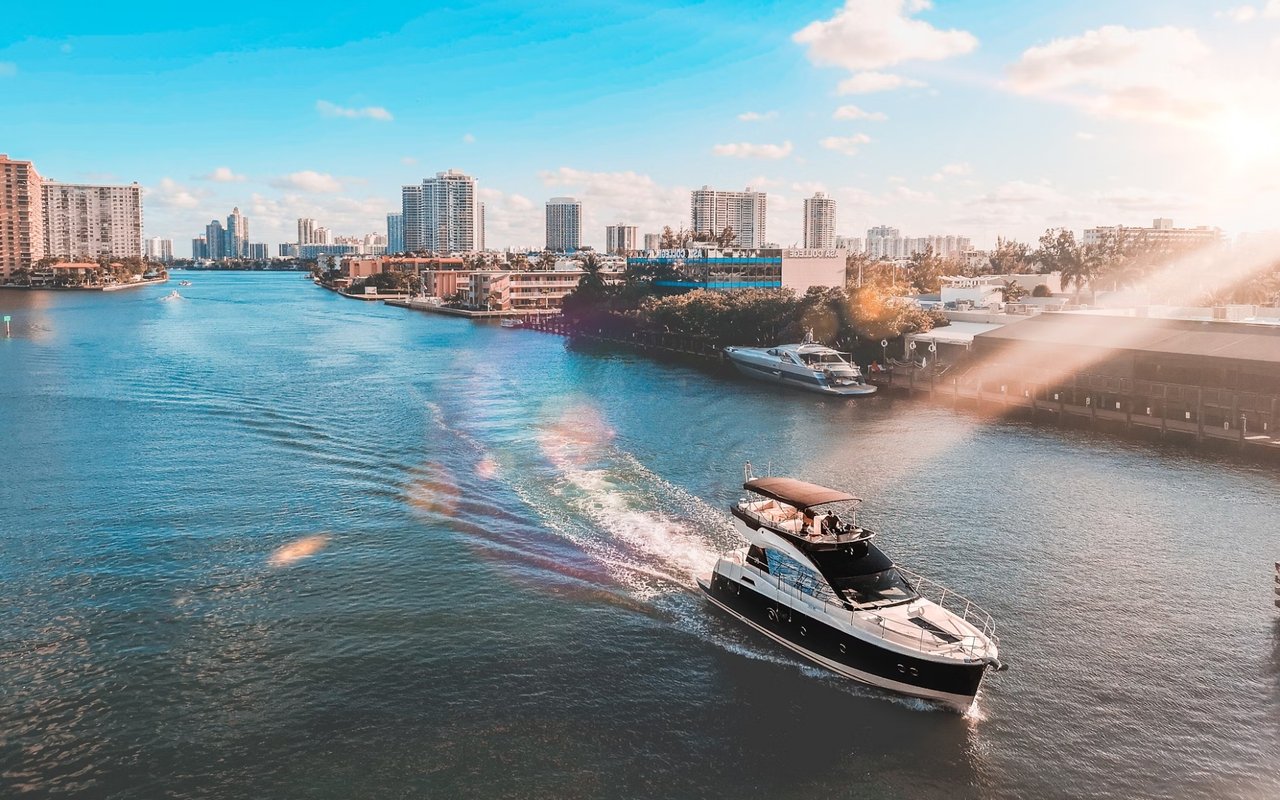
Life near Sunset Islands is not only about privacy and architecture. It is also shaped by Biscayne Bay. In nearby Sunset Harbour, paddleboard and kayak rentals, along with morning and sunset tours, reinforce how easy it is to bring the water into your routine.
Even if you are not planning a boating-centered lifestyle every day, the bay remains part of the neighborhood’s identity. It influences how people spend free time, how evenings unfold, and how the area feels in a way that is distinct from inland luxury neighborhoods.
Homes vary more than many expect
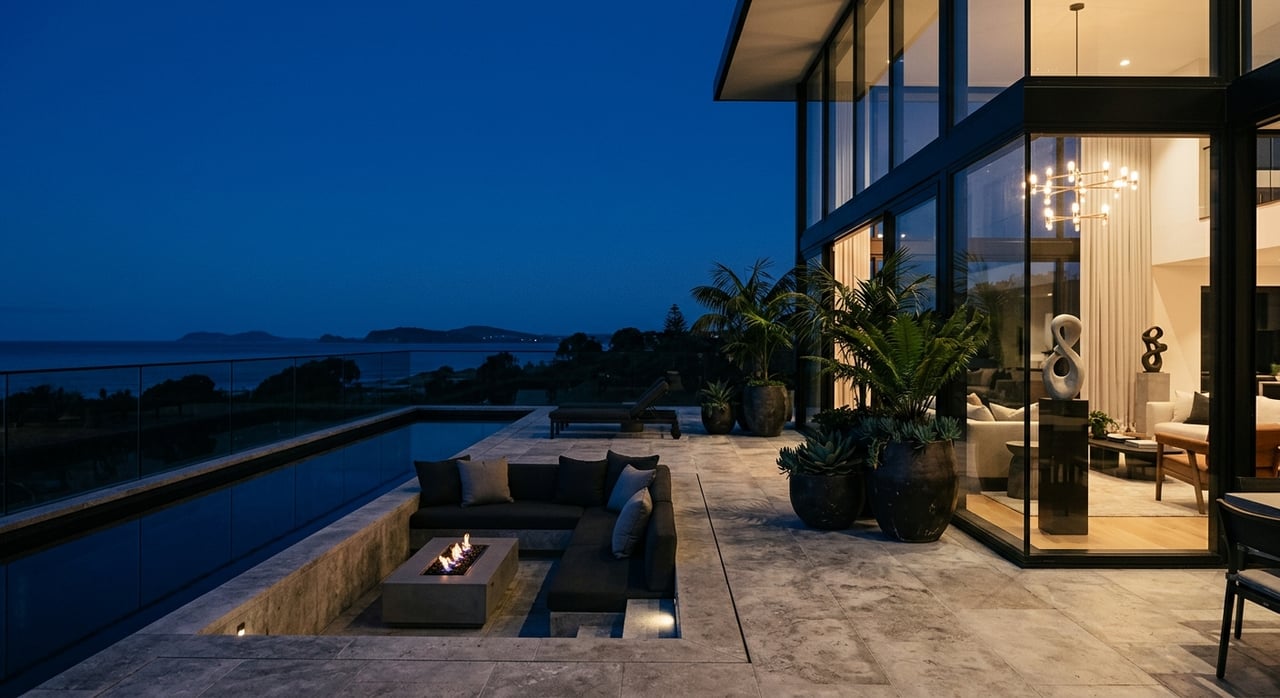
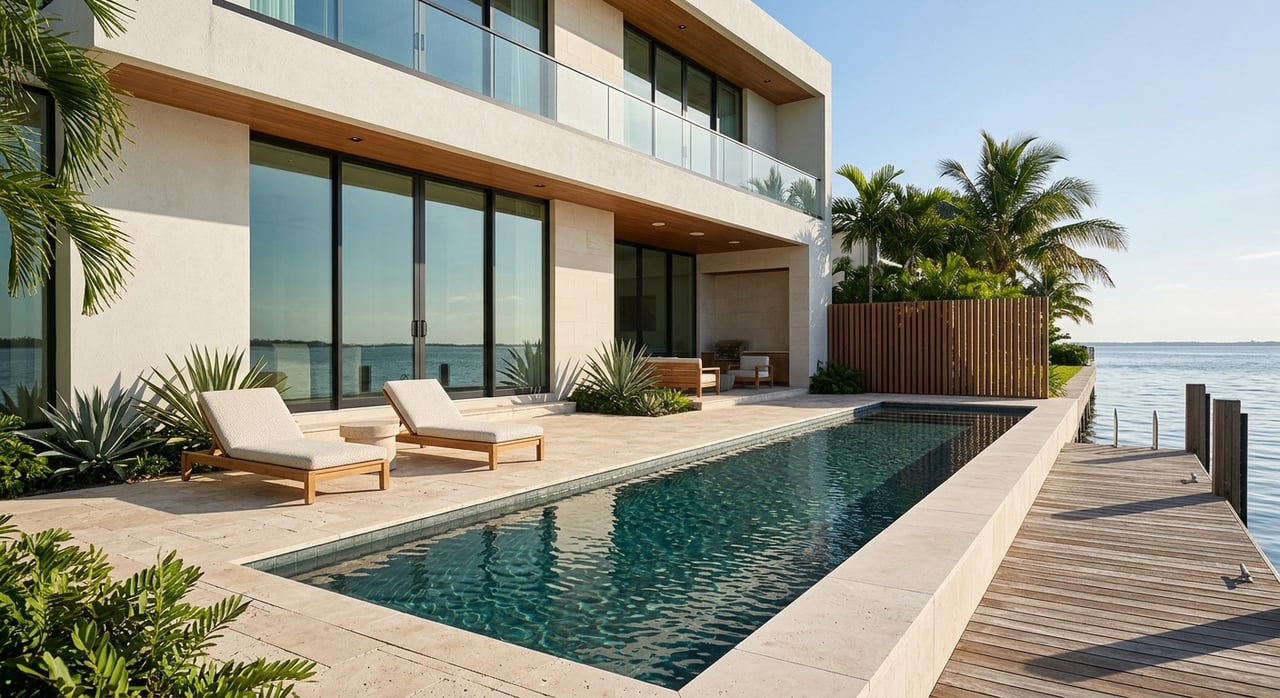
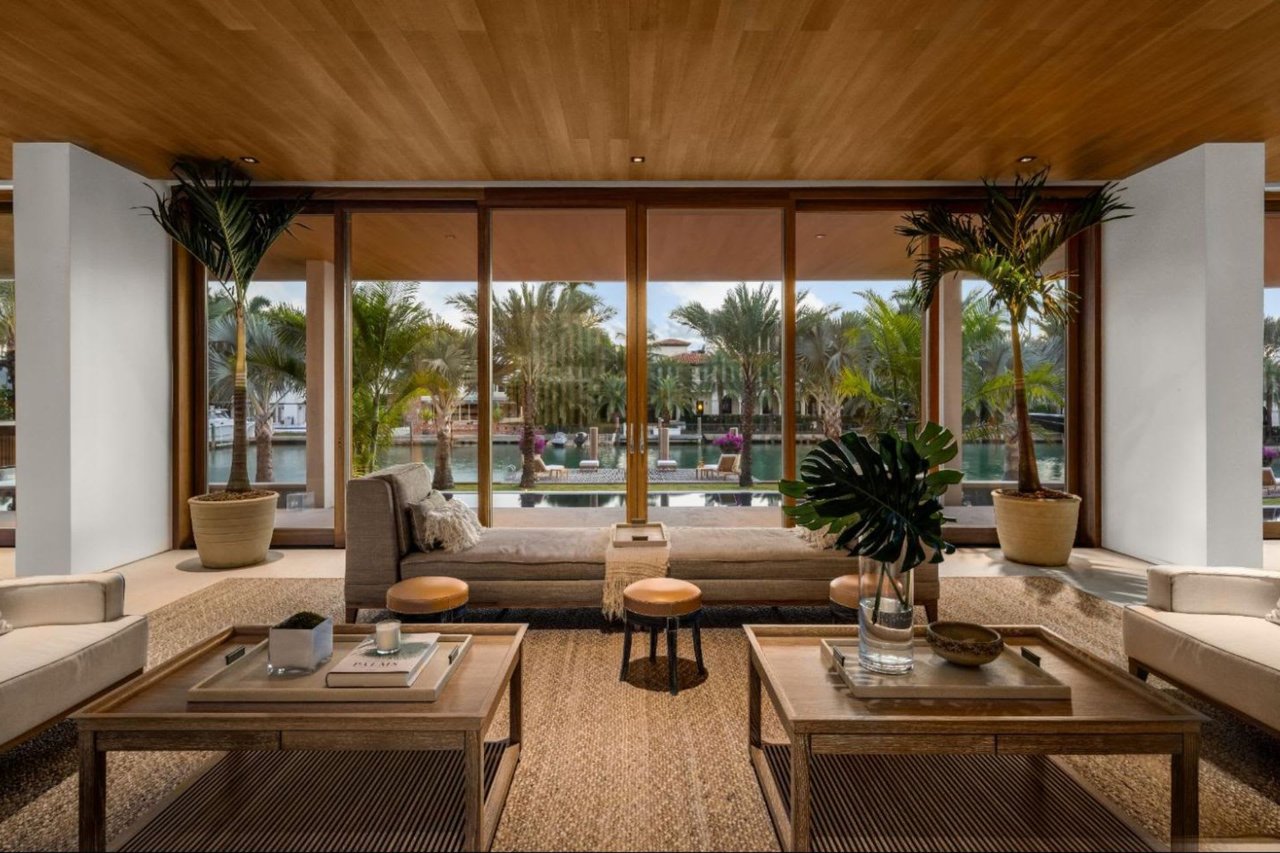
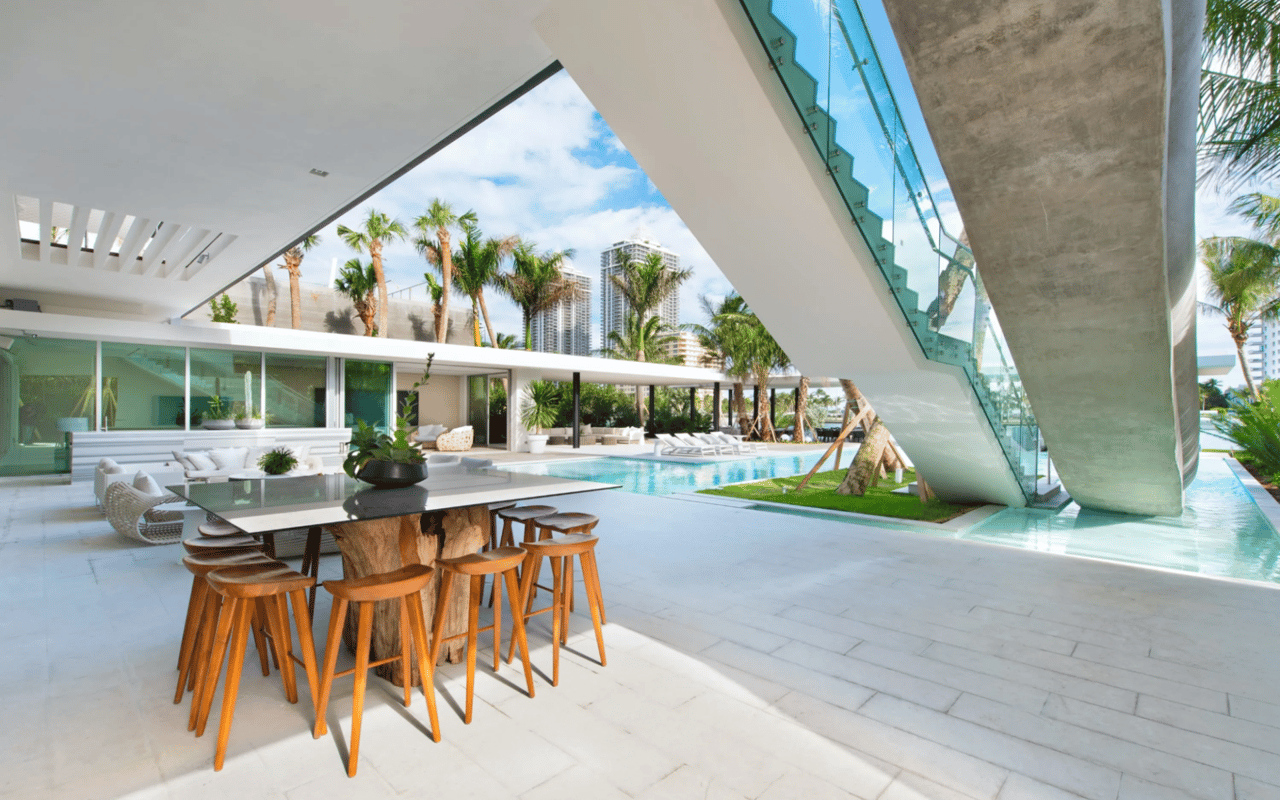
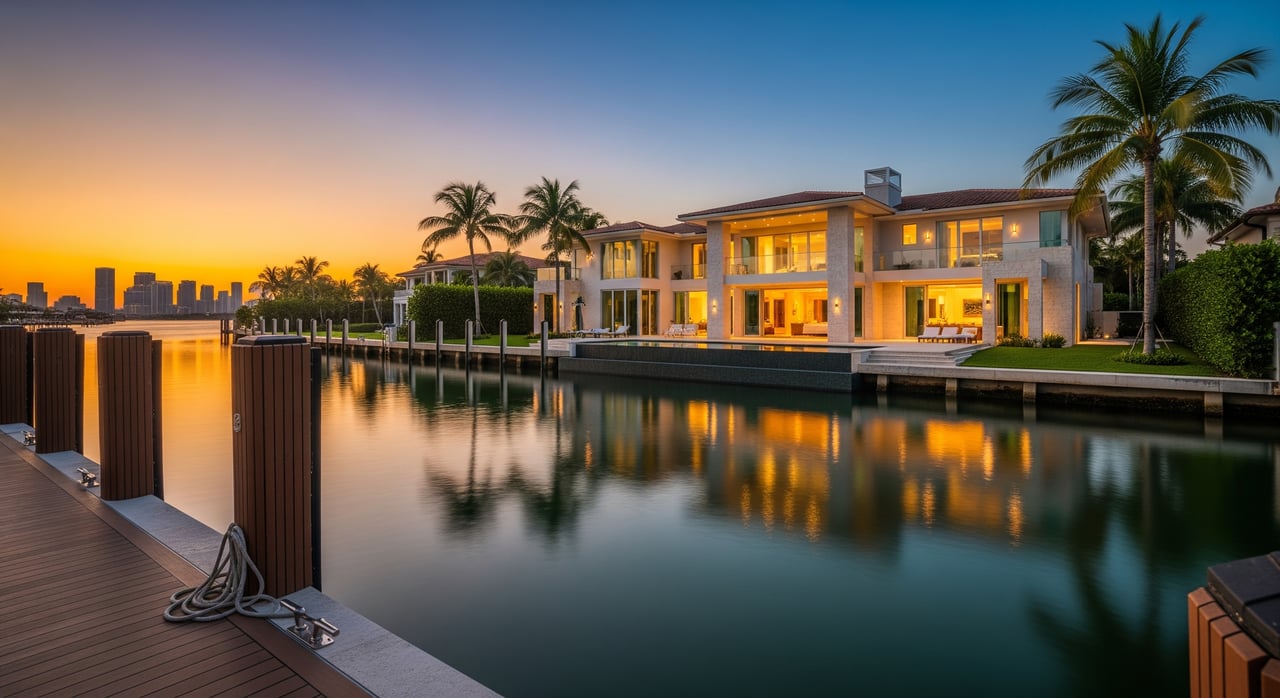
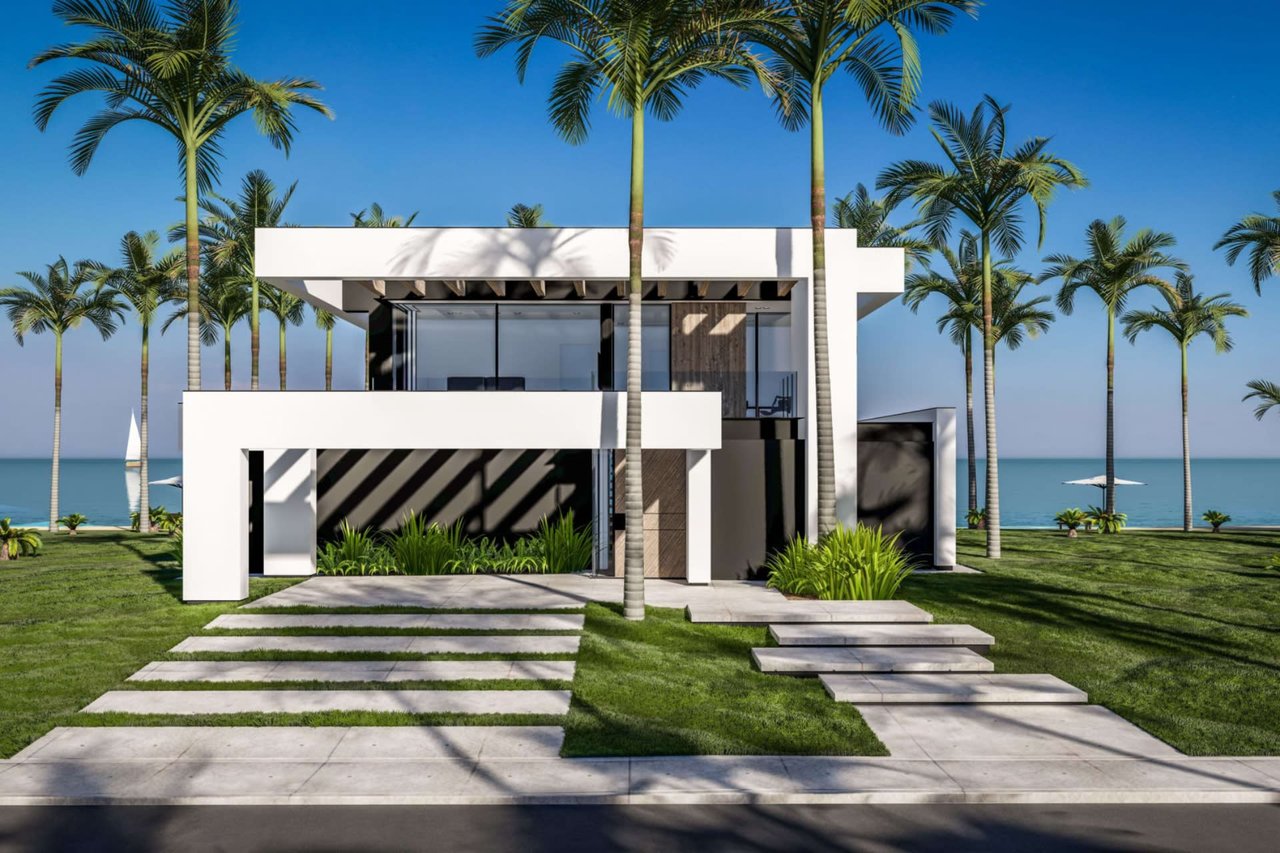
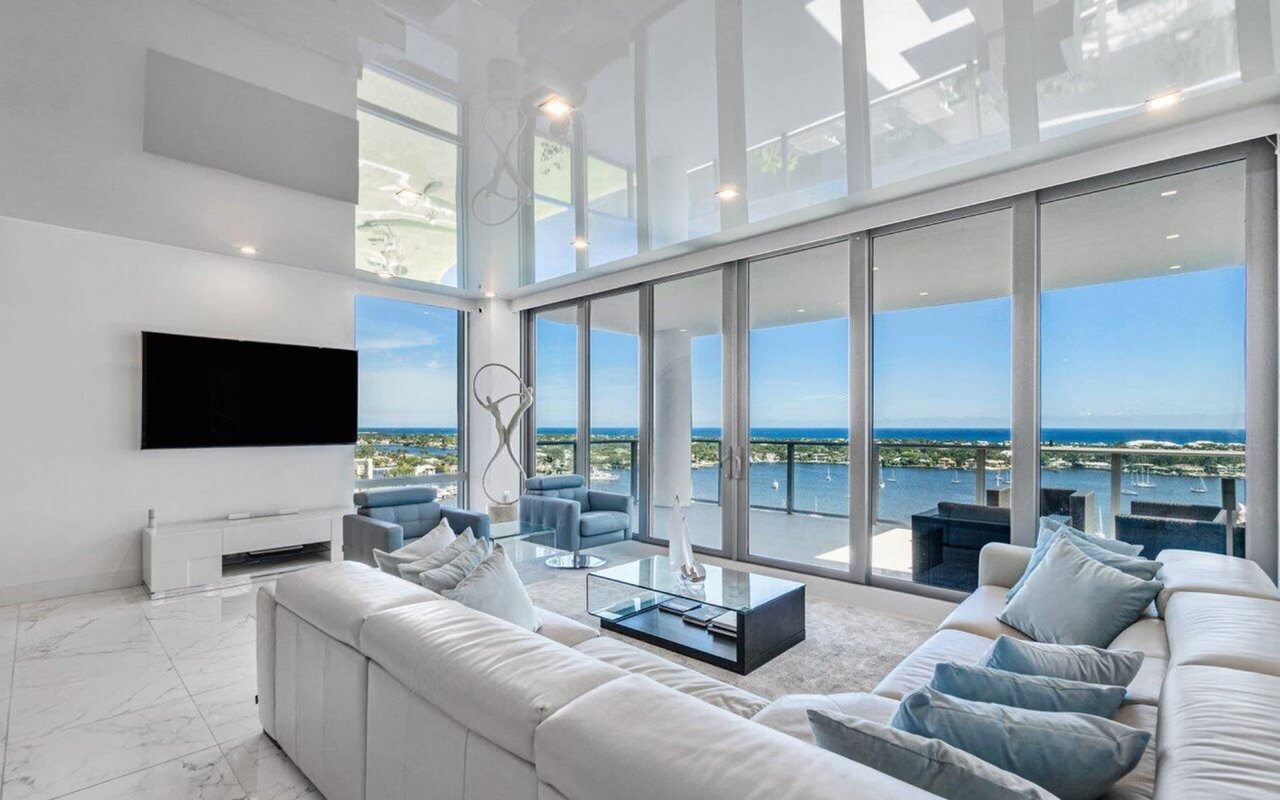
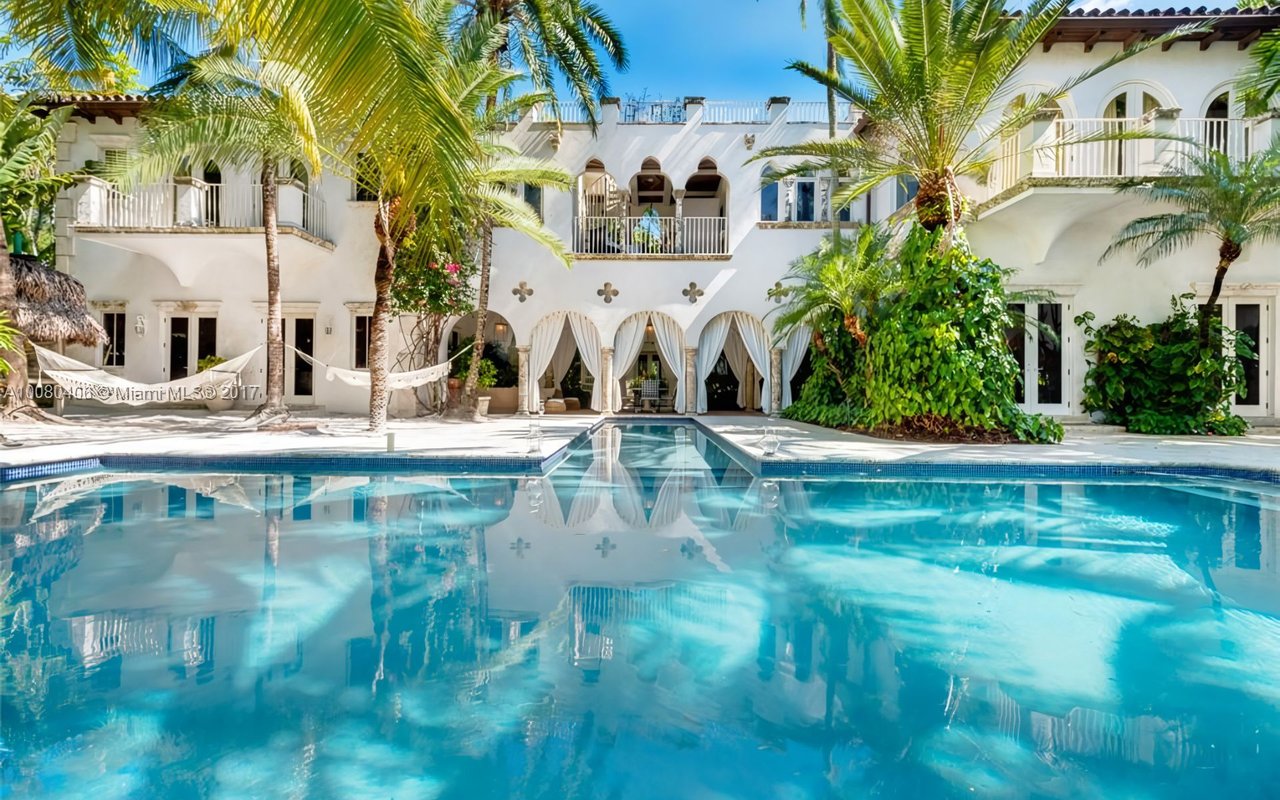
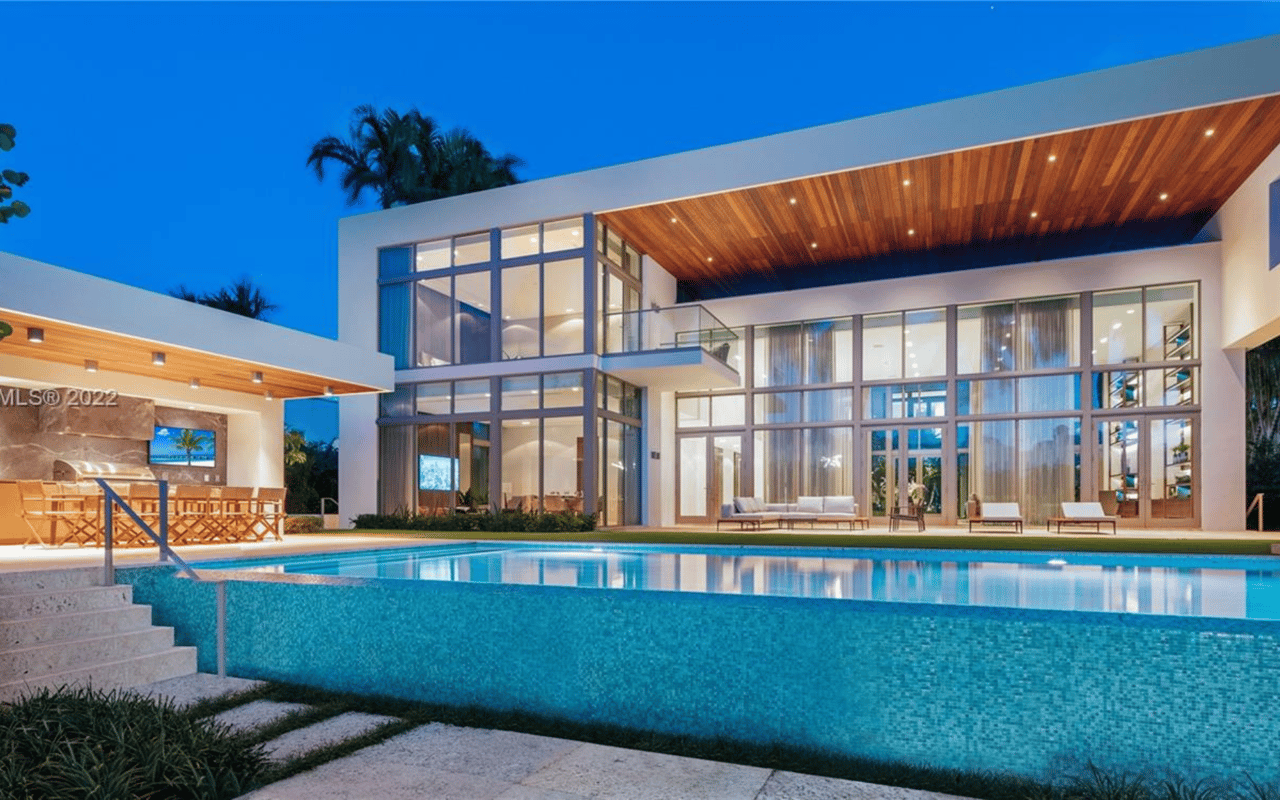
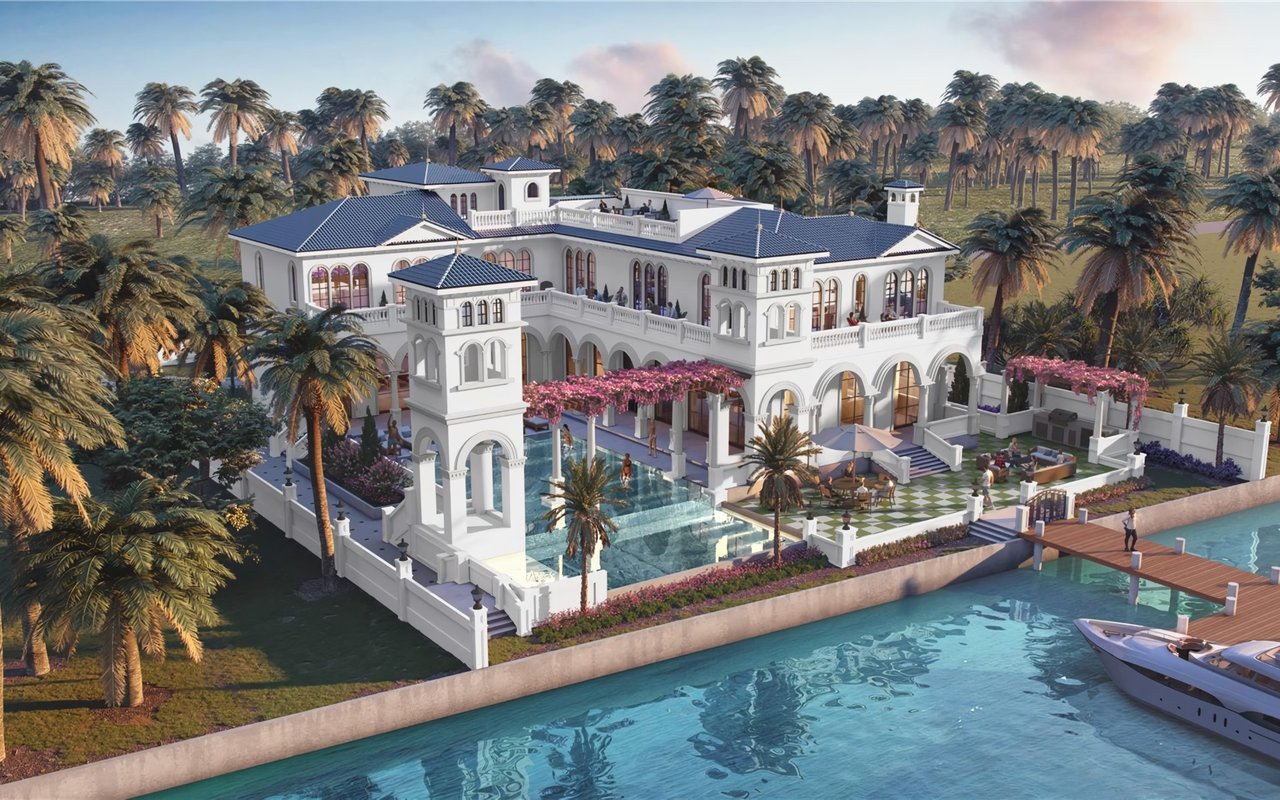
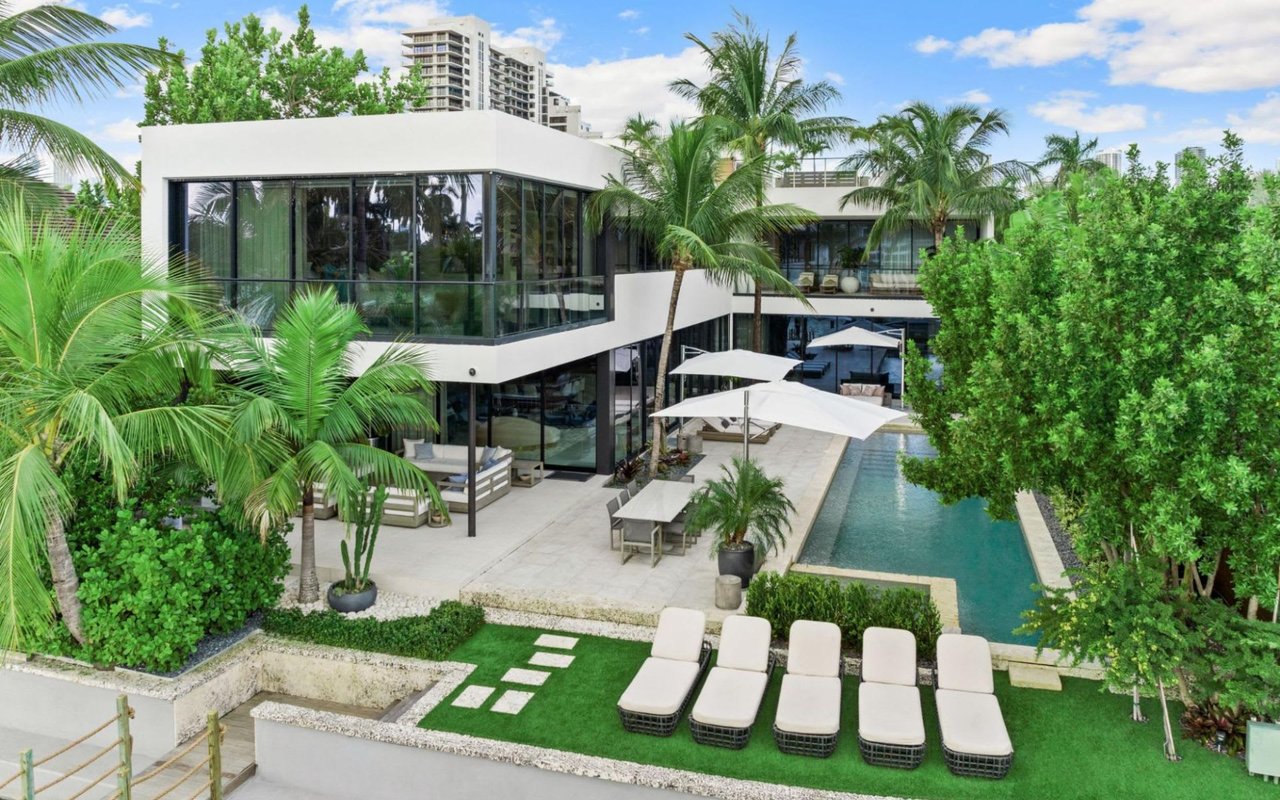
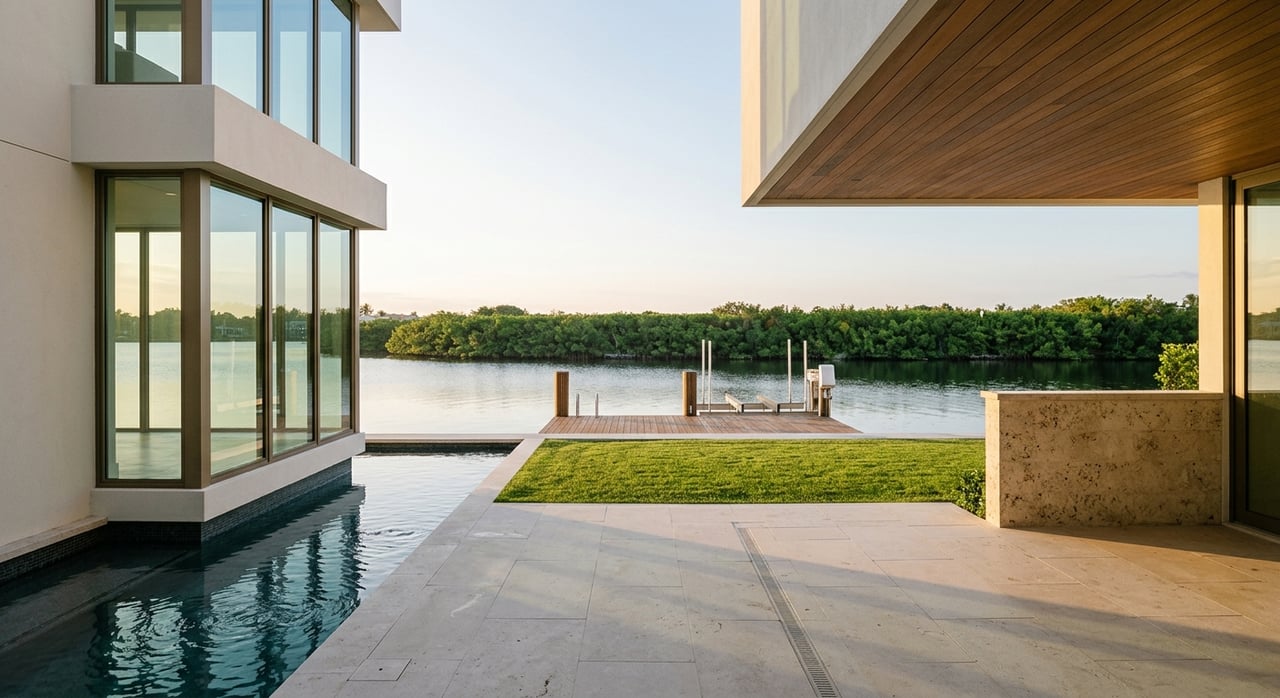
Sunset Islands is often associated with waterfront estates, but the housing story is more nuanced. City records support that the neighborhood includes both waterfront residential areas and inland properties.
That mix is important if you are evaluating the neighborhood seriously. Not every home has the same relationship to the water, the street, or the architectural setting. The appeal of Sunset Islands comes not only from direct bay frontage, but also from the broader residential character and location within Miami Beach.
Architecture has depth and range
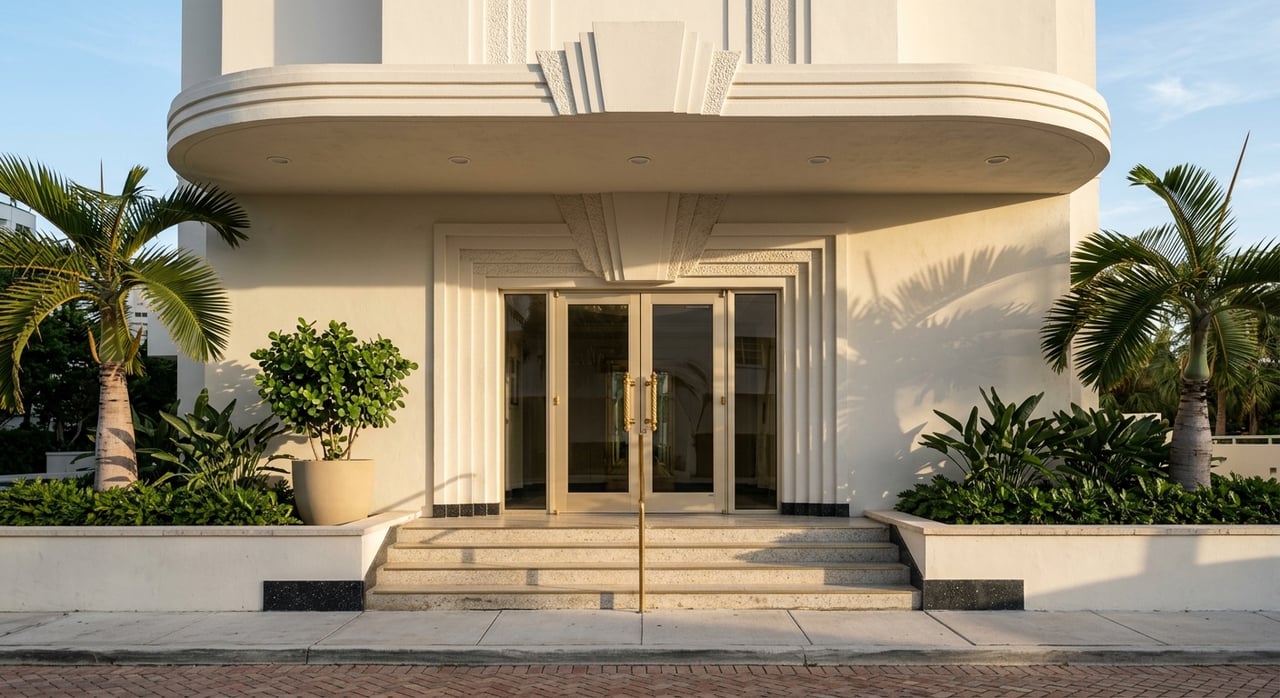
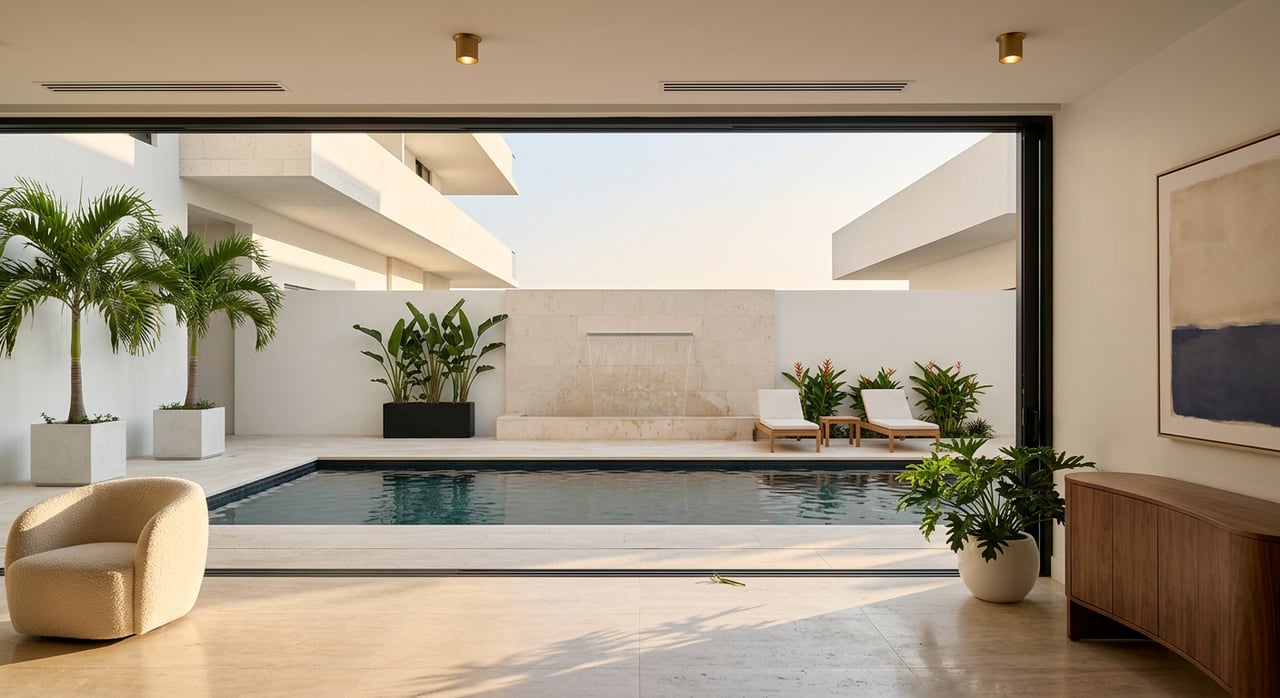
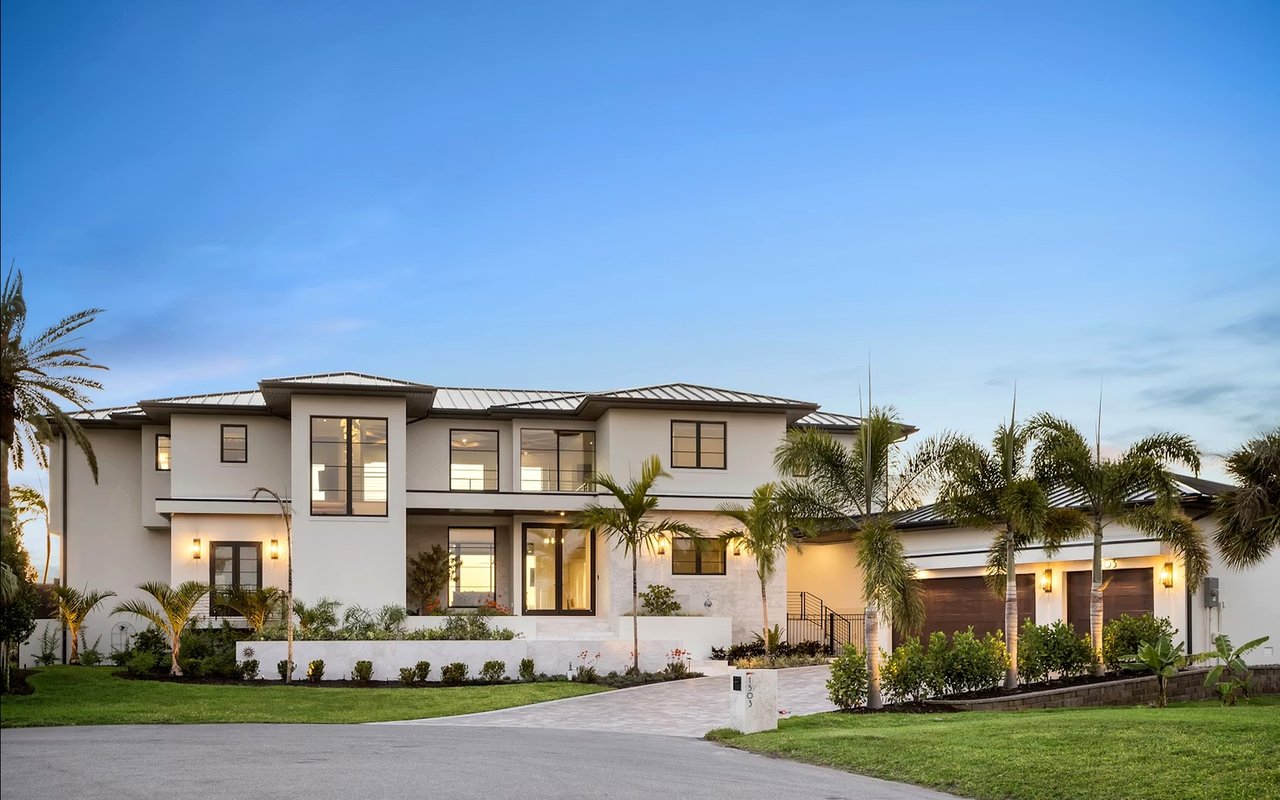
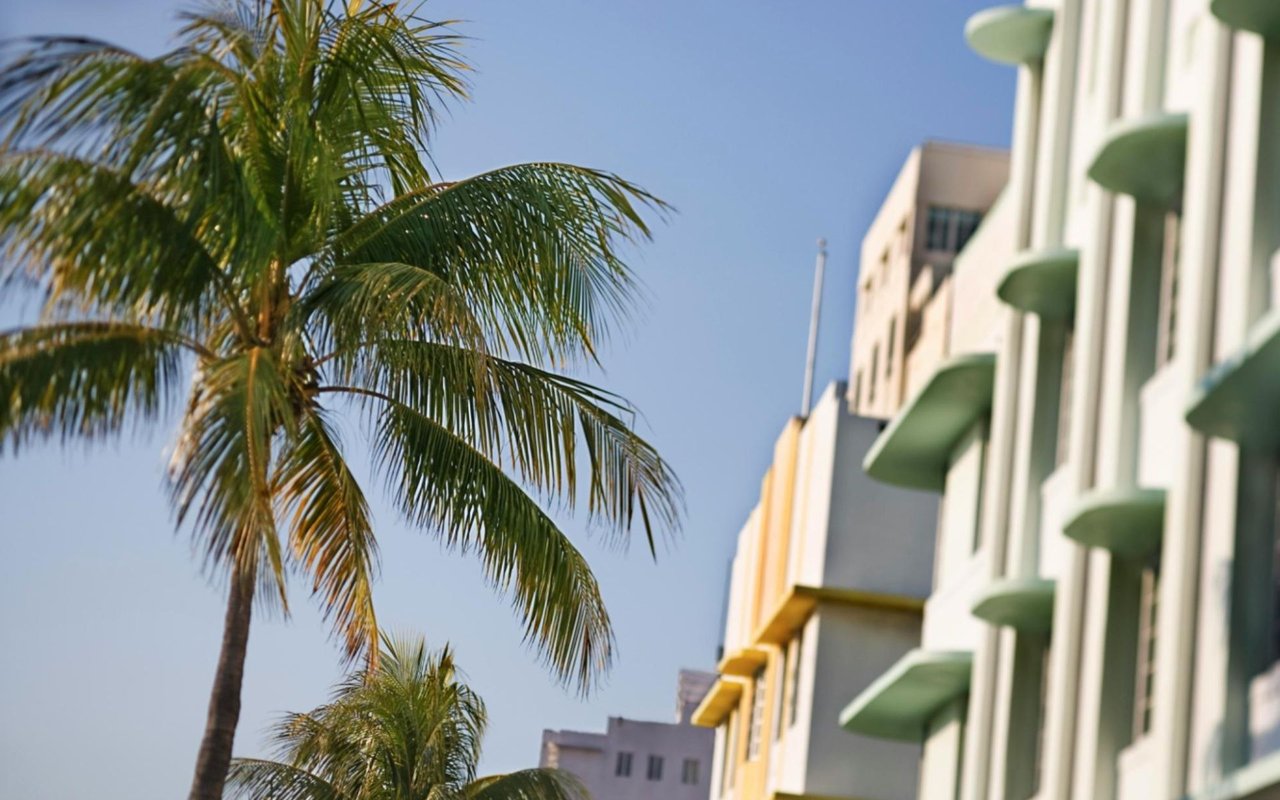
The visual identity of the area is layered. Miami Beach as a whole is known for Art Deco, Mediterranean Revival, Miami Modern, and contemporary design, and Sunset Island Bridges #1, 2, and 4 are listed as a contributing historic property from 1927 in the Mediterranean Revival style.
That historic infrastructure gives the neighborhood a sense of continuity. Even as individual homes have been updated, rebuilt, or reimagined over time, the setting still carries traces of Miami Beach’s earlier architectural growth. For design-minded buyers, that blend of provenance and reinvention is part of the neighborhood’s appeal.
Design review influences the streetscape
In Sunset Islands, the built environment is shaped by more than personal taste. Miami Beach planning guidance notes that lot size, setbacks, variances, and design review can all matter, and some single-family homes may require Design Review Board approval when waivers or variances are involved.
The city also notes that some pre-1966 homes may qualify as architecturally significant if they retain their original exterior character. For buyers, sellers, and owners considering changes, that means the look and feel of the neighborhood is partly protected by a formal review framework.
Daily life includes real-world logistics
Even in one of Miami Beach’s more private residential enclaves, daily life is not entirely insulated from city operations. As of the city’s June 2026 update, Sunset Islands II and III remained part of an active water and sewer infrastructure project with anticipated completion in July 2026.
That is worth keeping in mind because it adds realism to the neighborhood story. Luxury living here may mean privacy, design, and bay access, but it can also include localized utility work, temporary lane impacts, and the visible maintenance that supports long-term property value.
The defining contrast is privacy and access
What makes Sunset Islands distinctive is not simply the homes or the water. It is the contrast between a quiet, security-conscious residential setting and easy access to the parts of Miami Beach that support an active day.
You can start with a walk at Bayshore Park, move through errands or lunch in Sunset Harbour, head to Lincoln Road later in the day, and still return home to a neighborhood that feels noticeably calmer. That contrast is the real luxury of Sunset Islands: a private residential atmosphere with the city still close enough to use.
If you are considering a move on or around Sunset Islands, or looking for a more design-aware view of Miami Beach’s residential enclaves, Michael Duchon can help you navigate the neighborhood with discretion and local perspective.
FAQs
Is Sunset Islands in Miami Beach a private residential area?
- Yes. City records support describing Sunset Islands as a low-density residential enclave with guardhouse and entry-gate improvements that contribute to a more controlled, inward-facing feel.
Is Sunset Islands in Miami Beach walkable for daily life?
- Yes. Nearby outings to parks, Sunset Harbour, and Lincoln Road can be practical, though Miami Beach still works best as a car-plus-walk city for longer trips.
Are all Sunset Islands homes waterfront properties?
- No. City records indicate a mix of waterfront parcels and inland single-family properties.
What parks shape daily life near Sunset Islands?
- Bayshore Park and Maurice Gibb Memorial Park are two of the clearest lifestyle anchors, offering trails, dog-friendly areas, waterfront views, and everyday outdoor space.
What architectural styles influence Sunset Islands in Miami Beach?
- The surrounding Miami Beach context includes Art Deco, Mediterranean Revival, Miami Modern, and contemporary design, with the historic Sunset Island bridges adding a documented Mediterranean Revival element.
Is there ongoing infrastructure work on Sunset Islands?
- Yes. The city’s June 2026 update listed Sunset Islands II and III in an active water and sewer infrastructure improvement project expected to run through July 2026.