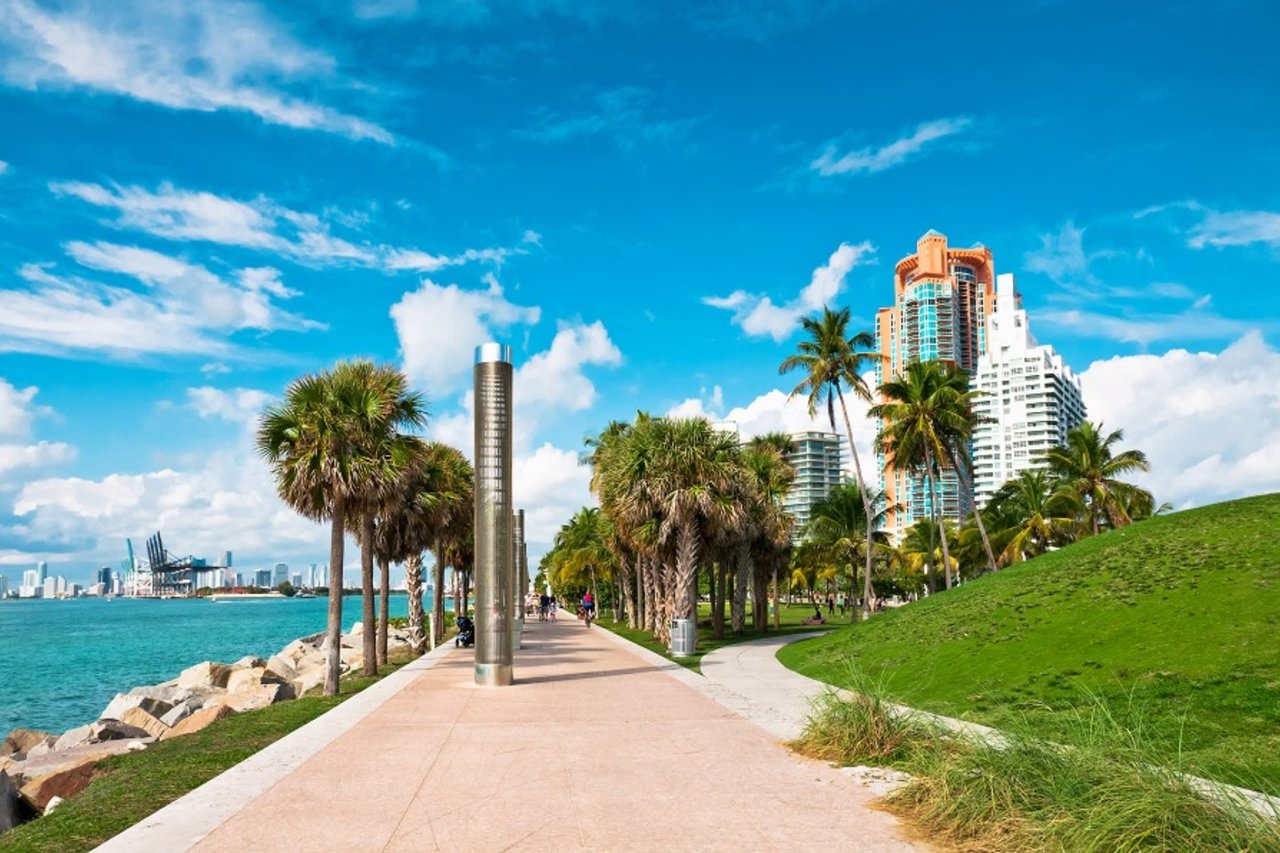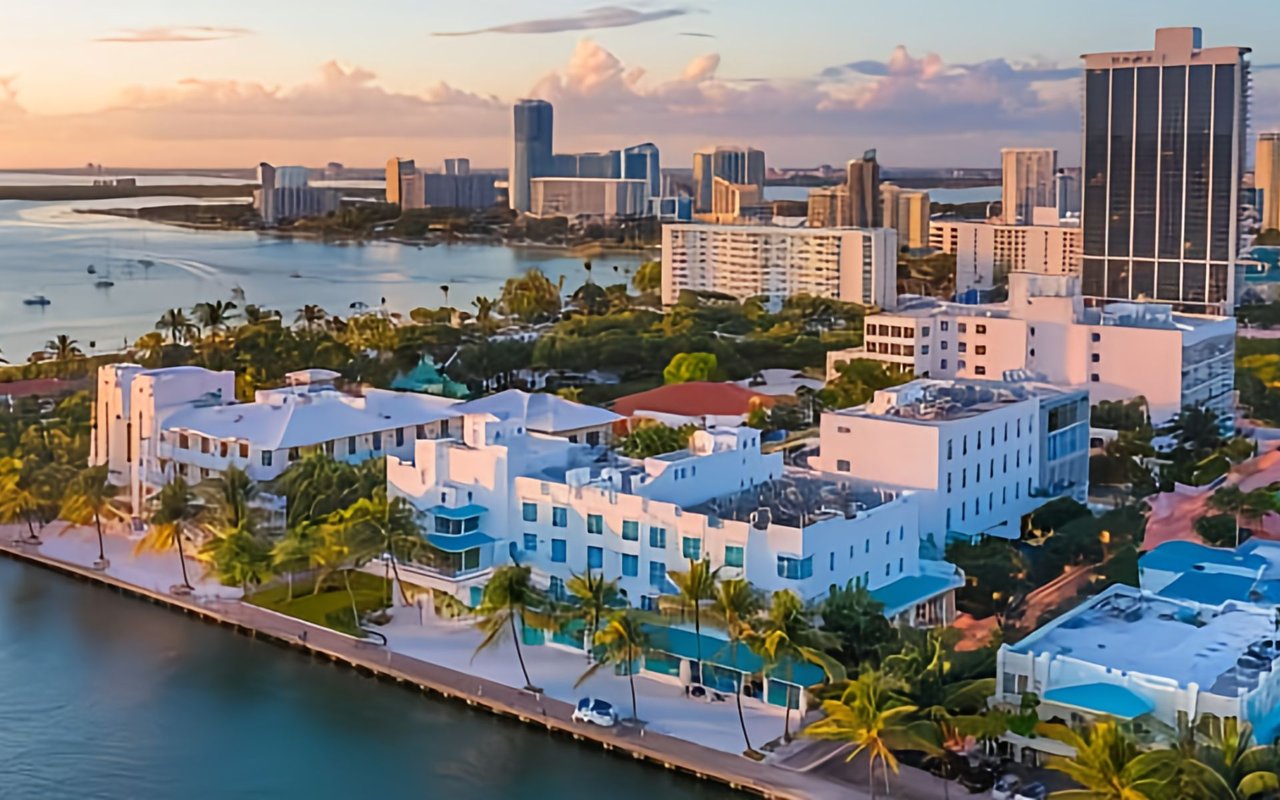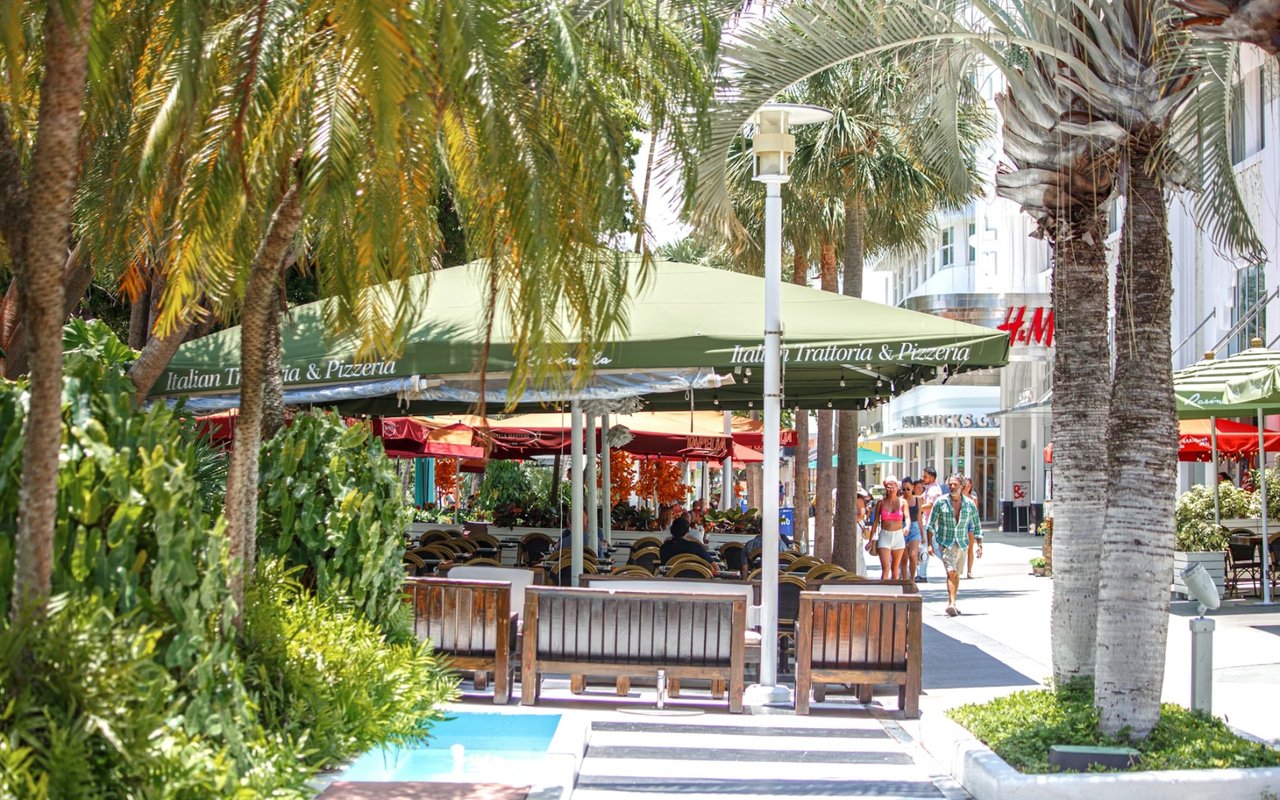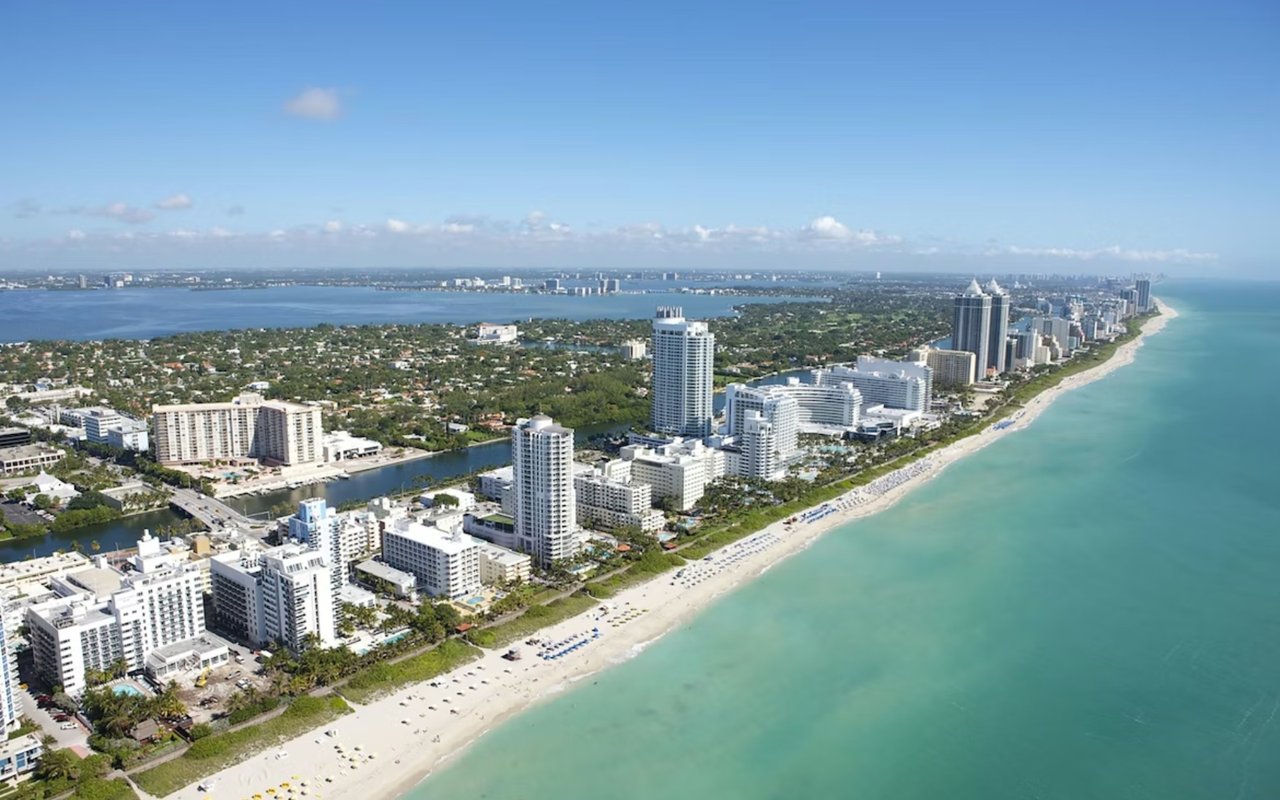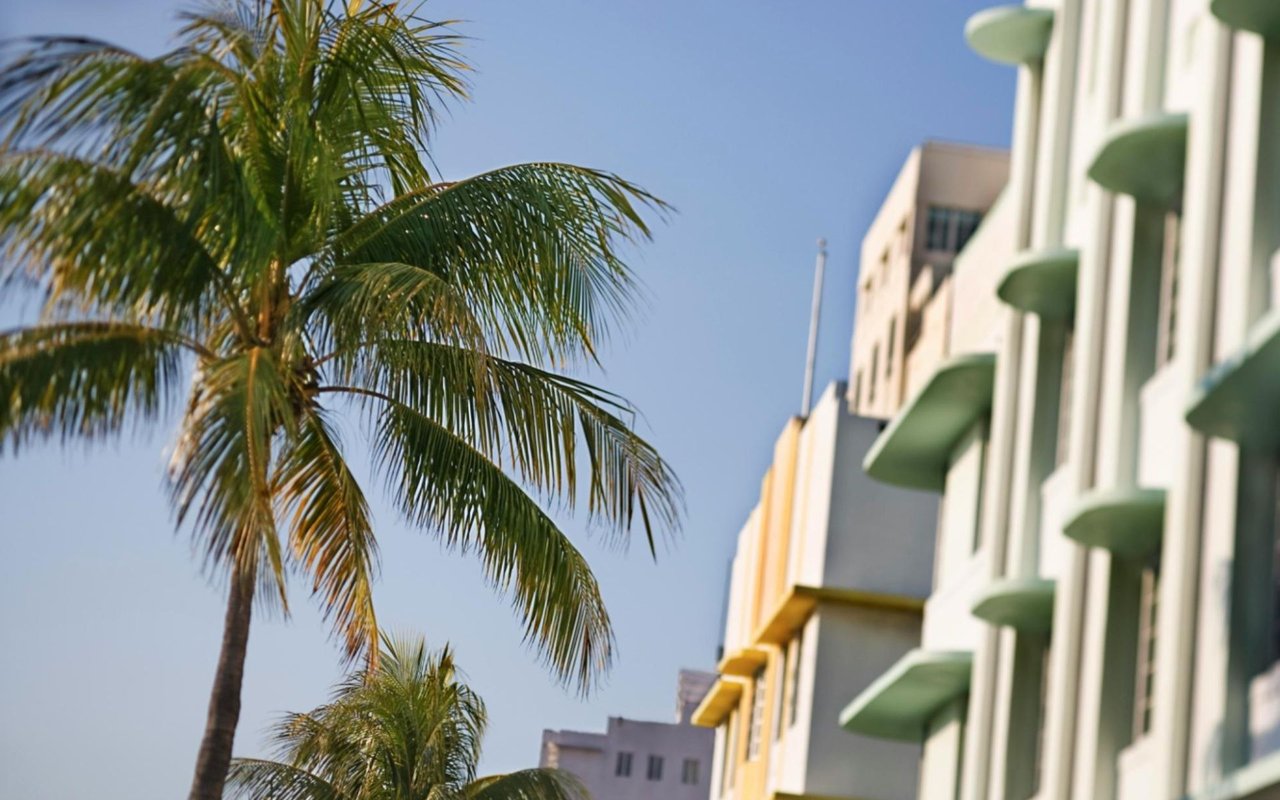
Walk south on Collins past Fifth Street this fall and you will pass at least three restaurants that didn't exist a year ago. None of them have their own awning facing the sidewalk. One sits under a condominium. Two are folded into hotel lobbies. A fifth is still under construction inside an office building that won't finish leasing space until winter. If you have been trying to keep a mental map of where to eat in South of Fifth, the map itself has changed shape. The restaurants moved indoors.
The Five Addresses That Explain It
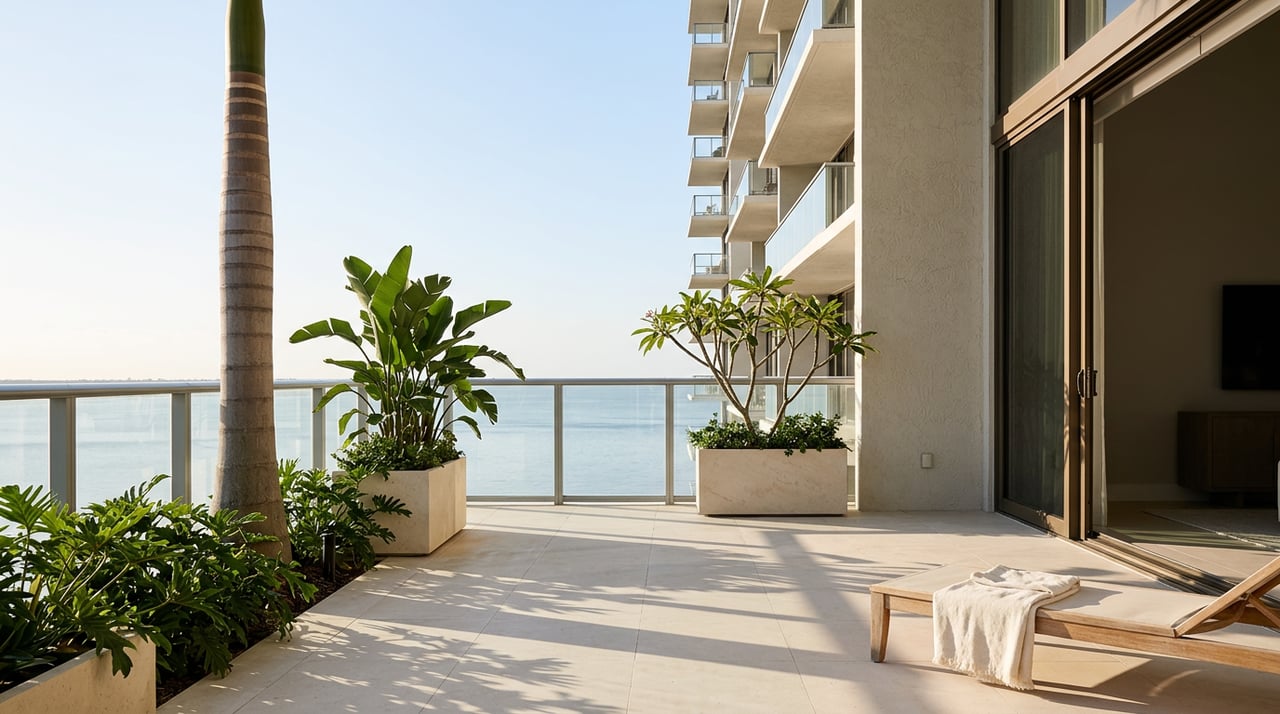
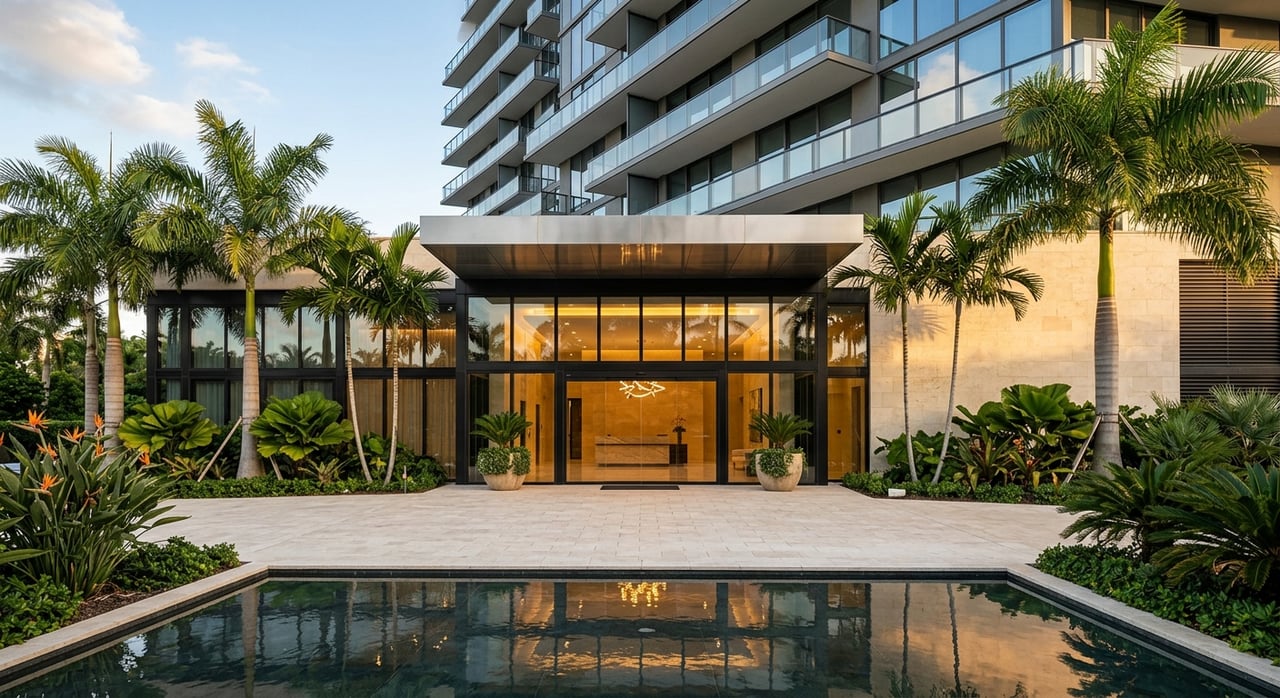
Start with GAIA, the Greek Mediterranean concept that made its United States debut on April 28 at 801 South Pointe Drive. GAIA has locations in Dubai, Monaco, London, Doha and Marbella, but its Miami outpost isn't a standalone building. It occupies the ground floor of Marea, the condominium tower at the mouth of South Pointe Drive, and it comes with a second layer most first-time diners don't know about until they're looking for the bathroom: Nyx, an after-dark cocktail lounge tucked beneath the dining room, built into the same footprint.
A few blocks north, Motek is opening its sixth location inside 100 Collins Avenue, the address longtime residents still remember as Prime Fish, and before that, Nemo. The building belongs to restaurateur Myles Chefetz, who has now cycled a third concept through the same 7,500 square feet. Motek's founder Charlie Levy described the move as an attempt to fold the brand's Mediterranean brunch format into the block's existing rhythm: "Here it's all about storytelling, and we look forward to weaving our narrative into the fabric of South of Fifth, offering a welcoming space for the community at any time of day."
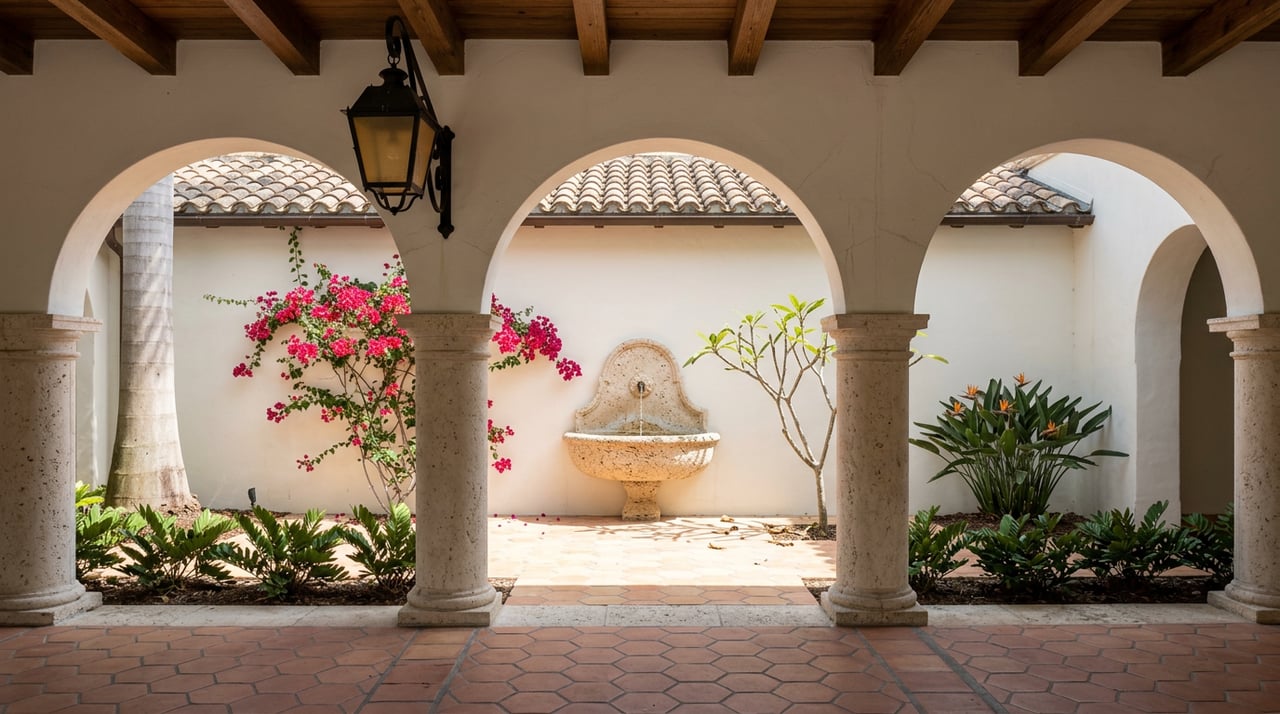
Two more fit the same pattern. Laurel, an Eastern Mediterranean small-plates room, opened inside the Balfour, the boutique hotel on Ocean Drive, with seating that spills onto the hotel's shaded patio. Las' Lap, the Caribbean rum bar from James Beard winner Kwame Onwuachi, opened inside the Daydrift, another hotel a few blocks over. Neither has a separate street entrance in the way South of Fifth restaurants used to.
By the time Sant Ambroeus opens late this year, the pattern will have a fifth data point. The Milanese cafe brand is taking 7,000 square feet on the ground floor of The Fifth Miami Beach, a new office building at 950 Fifth Street built around the idea that people now work, eat and take meetings in the same footprint. Sant Ambroeus won't be a restaurant someone rents in South of Fifth. It will be an amenity someone leases with the building.
Why the Address Now Matters More Than the Menu
None of this is just about food. It is also about where the restaurants are opening.
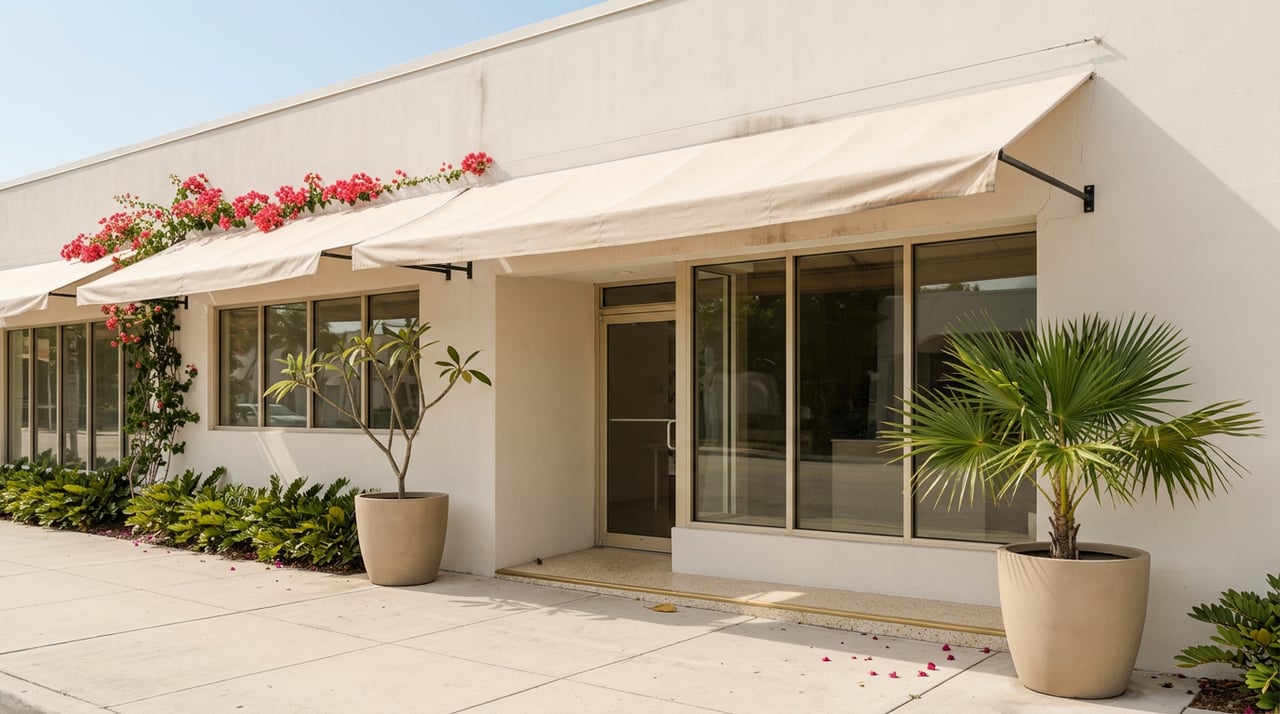
For most of the last decade, a restaurant here meant a storefront on Ocean Drive or Collins, an independent operator signing a commercial lease, competing for walk-in traffic against the place next door. That model still exists in pockets, but every headline opening this year has landed inside a building that already had another reason to exist: a condominium that needed ground-floor activation, a hotel that wanted a signature restaurant to anchor its identity, an office tower trying to give tenants a reason to stay past six.
That shift changes something practical for anyone who actually lives here. Laurel's setting includes the Balfour's lobby and patio. When Sant Ambroeus opens, it will occupy the ground floor of The Fifth. The restaurants have moved into larger building settings.
Levy's comment about "weaving" Motek into the neighborhood points to the restaurant's relationship with its surroundings.
The Corner That Hasn't Moved
Not every part of the neighborhood follows that model. A few blocks still run on independent storefronts, and they are worth naming alongside the building-based openings.
Ted's is still a dive bar with cheap beer and no dress code. Scapegoat is still a small, occasionally rowdy cocktail bar with a mellow happy hour. Minibar still pours drinks under wallpaper nobody photographs for a press release. They show that independent storefronts remain part of South of Fifth's commercial mix alongside this year's building-based openings.
What Changes on an Actual Week
The building shift doesn't erase the neighborhood's older, slower rhythms. It sits alongside them.
South Pointe Park's French Market returns for its fall run on select days starting in early October, with dates already posted through November 22, the same waterfront setup of French food stalls and artisan tables that has closed out the season here for years. The park's off-leash bark park, tucked on the western side near the pier, is still free and unticketed, and it remains one of the only places in South of Fifth where a dog owner's schedule and a restaurant's reservation system have nothing to do with each other.
A resident's month right now might reasonably include a Tuesday dinner at Motek's communal Shabbat table, which seats twenty, a Saturday morning at the French Market before the heat sets in, and a Thursday happy hour at Minibar that requires no booking at all. That mix, one restaurant table, one stretch of grass, one bar stool, is the actual shape of the neighborhood this fall. The story isn't just that South of Fifth got a wave of good restaurants. It's that these new openings come with a larger building's address attached.
If you're weighing what any of this means for a specific building or block, from how a ground-floor restaurant lease affects a condominium's assessment to which addresses are quietly becoming the next reservation everyone wants, Mick Duchon has spent years reading South of Fifth at exactly this level of detail. A private consultation is the fastest way to get that read applied to your own address.